
When it comes to raising chickens for food or as pets, many people are familiar with roosters. But have you ever heard of capons? While often confused with each other, capons and roosters are actually quite different animals with distinct characteristics. From their physical appearance to their cooking methods and cultural significance, the differences between capons and roosters are more surprising than you might think. In this article, we’ll delve into the main differences between these two popular poultry options. We’ll explore how they’re raised, what makes them unique in terms of taste and texture, and even touch on some fascinating historical and cultural aspects that set capons apart from their rooster counterparts. Whether you’re a seasoned chicken enthusiast or just starting to learn about different types of poultry, this article will provide valuable insights into the world of capon vs rooster differences.
What is a Capon and How Does it Compare to a Rooster?
Let’s start by understanding what makes a capon different from its more vocal cousin, the rooster, in terms of behavior and characteristics. This section will break down these key differences for you.
Characteristics of Capons
A capon is distinct from a rooster not only in its behavior and purpose but also in its physical characteristics. When it comes to size and weight, capons are generally larger than roosters, often weighing between 4-7 pounds (1.8-3.2 kg) at maturity, whereas roosters tend to weigh around 3-5 pounds (1.4-2.3 kg). This increased size is due to the castration process that capons undergo, which reduces their energy expenditure and allows for more efficient growth.
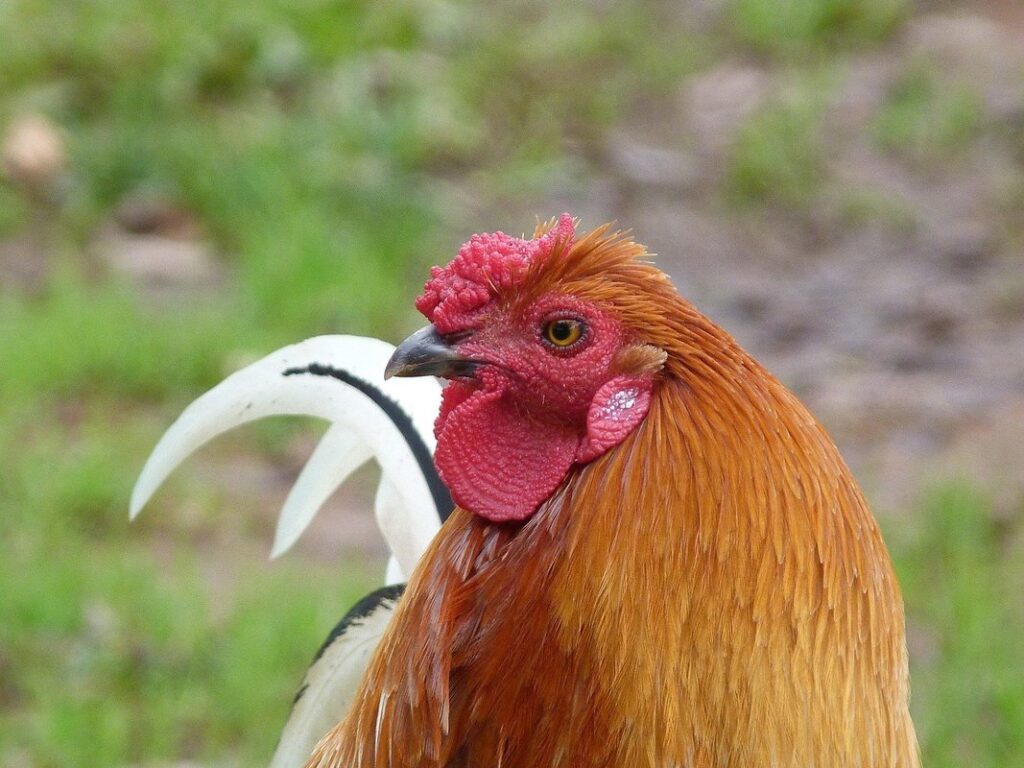
Their plumage also differs significantly from that of roosters. Capons have softer, thicker feathers with a more even coat distribution, giving them a sleeker appearance. In contrast, roosters have longer, more vibrant feathers on their necks and tails, which they use to attract mates and intimidate rivals. The comb type is another distinguishing feature, as capons have smaller, less prominent combs compared to the larger, more elaborate combs found on roosters.
These physical differences can help you identify a capon from a rooster in the market or at home. If you’re raising poultry, understanding these characteristics will aid you in selecting and caring for your birds effectively.
Reproductive Differences Between Capons and Roosters
A capon is, in fact, a castrated rooster. This process of neutering removes the reproductive organs, making it impossible for a capon to produce eggs. Instead, they are raised as a meat bird, prized for their tender flesh and rich flavor.
When a young rooster is castrated, several key changes occur that set them apart from their intact counterparts. One notable difference is in their behavior; without the influence of testosterone, capons tend to be less aggressive and more docile. They are often described as “gentle giants,” making them an attractive option for small-scale poultry farmers or backyard chicken keepers.
From a physical standpoint, castration also impacts the development of a rooster’s plumage and overall body shape. Capons typically have a fuller breast and leg growth compared to intact roosters, which can make them more visually appealing as meat birds.
History and Origins of Capon Production
Capon production has a rich history that dates back centuries, originating from ancient Rome where it was considered a delicacy. Let’s dive into the origins of this distinctive cooking method.
Historical Context: Why Were Capons Bred?
In ancient times, capon production was born out of a desire for luxury and fine dining. The practice dates back to 15th century Europe, where cooks would castrate young roosters to create a more tender and flavorful meat. This process made the birds grow larger and plumper, ideal for serving at royal tables. Capons quickly became associated with opulence and were often served at special occasions, such as feasts and banquets.
The luxury aspect of capon production was largely driven by its perceived health benefits. At the time, it was believed that castration made the birds more docile and reduced aggression, resulting in a more enjoyable dining experience. This perception also contributed to the notion that capons were a superior choice for special occasions. As trade routes expanded and exotic spices became more accessible, capon dishes became a staple of fine dining, showcasing the culinary skills of top chefs.
The popularity of capons eventually spread throughout Europe, with different regions developing their own unique recipes and cooking techniques.
Modern-Day Capon Farming Practices
In modern-day capon farming practices, significant advancements have been made to prioritize animal welfare and quality control. One key difference from traditional rooster farming is the emphasis on slow growth rates. Capons are typically raised for 12-14 months before slaughter, allowing them to mature more slowly and develop a richer flavor.
Breeding programs also play a crucial role in modern capon production. Breeders focus on selecting birds with desirable traits such as plumage quality, egg-laying ability (in some cases), and meat yield. This selective breeding has led to the development of distinct capon breeds like the Capon de Rennes from France.
Another notable difference is the use of controlled-environment agriculture (CEA) systems. These indoor facilities allow for precise temperature control, humidity management, and lighting schedules that mimic natural daylight cycles. CEA systems promote stress-free living conditions, which contributes to the overall quality of the capons.
Feed formulation also undergoes rigorous research to meet the nutritional needs of modern capons. Experts have developed specific feed blends that balance essential nutrients with minimal waste production. This focus on sustainability not only benefits animal health but also reduces environmental impact.
As consumers become increasingly aware of agricultural practices, farms must adapt to meet rising standards for transparency and accountability. Capon producers now prioritize open communication about their methods, showcasing a commitment to quality, welfare, and consumer trust.
Nutritional and Health Implications of Eating Capons vs Roosters
When it comes to cooking, knowing the nutritional and health differences between capon and rooster can make all the difference in a meal that’s both delicious and nutritious for you. Let’s take a closer look at these distinctions.
Comparison of Protein Content in Capons and Roosters
When it comes to protein content, capons and roosters share some similarities. Both are excellent sources of protein, essential for muscle growth and repair. According to the United States Department of Agriculture (USDA), a 3-ounce serving of roasted capon contains about 23 grams of protein, while the same portion size of roasted rooster provides around 22 grams.
However, there is a slight difference in their amino acid profiles. Capons tend to have higher levels of certain essential amino acids like glutamic acid and aspartic acid. On the other hand, roosters are richer in leucine, an important branched-chain amino acid (BCAA) that plays a crucial role in muscle growth and recovery.
In practical terms, this difference may not be significant enough to impact your meal planning decisions. Both capons and roosters can be part of a well-rounded diet. If you’re looking for a lean protein source, consider opting for the breast meat, which tends to have lower fat content than the thighs or legs.
When choosing between capon and rooster, remember that it ultimately comes down to personal preference and your cooking style.
Potential Health Benefits of Choosing Capon Meat
When it comes to making informed choices about our diet, understanding the nutritional benefits of different meats is crucial. If you’re considering choosing capon meat over rooster, there are some potential health benefits worth exploring.
One notable advantage of capon meat is its lower saturated fat content compared to rooster. This makes it a more suitable option for those looking to reduce their intake of unhealthy fats. For instance, a 3-ounce serving of capon breast contains around 4 grams of saturated fat, whereas the same portion size from a rooster breast packs about 6 grams.
Capon meat is also rich in certain vitamins and minerals that are essential for maintaining overall health. It’s an excellent source of niacin, vitamin B6, and phosphorus, all of which play critical roles in energy metabolism, nerve function, and bone health. Additionally, capon meat contains higher levels of omega-3 fatty acids compared to rooster, which can help reduce inflammation and promote heart health.
If you’re looking to incorporate more capon into your diet, consider opting for organic or free-range options whenever possible. This will ensure that the birds are raised in a more humane and natural environment, which can positively impact their nutritional profiles.
Cooking Methods for Preparing Capons and Roosters
When it comes to cooking these game birds, you’ll want to know the best methods for bringing out their rich flavors: roasting, grilling, and stewing. Let’s dive into each technique.
Traditional Recipes Using Capons and Roosters
When it comes to traditional recipes using capons and roosters, there are several classic dishes that showcase their unique flavors and textures. Capon, with its rich, buttery flavor, is often used in dishes like Coq au Vin, a French stew made with braised capon, mushrooms, onions, and red wine. The capon’s meaty texture holds up well to slow cooking, making it an ideal choice for this type of dish.
Roosters, on the other hand, are commonly featured in Mediterranean-inspired recipes like Chicken Souvlaki or Rooster Shawarma. Their leaner flesh and slightly gamier flavor make them perfect for grilling or skewering and serving with a tangy tzatziki sauce.
For those who prefer a more rustic approach to cooking, consider trying a classic Capon en Croute, where the capon is wrapped in puff pastry and baked until golden brown. Alternatively, Rooster Tagine is a flavorful stew originating from North Africa that showcases the rooster’s rich flavor when slow-cooked with aromatic spices and dried fruits.
When preparing these dishes, keep in mind that both capons and roosters require longer cooking times to achieve tender results. Plan accordingly, and don’t be afraid to experiment with different marinades or rubs to enhance their natural flavors.
Modern Twists on Classic Capon and Rooster Dishes
In recent years, chefs have been experimenting with modern twists on classic capon and rooster dishes, elevating them to a new level of sophistication. For instance, you can try cooking a whole roasted capon with a Korean-inspired glaze made from gochujang, soy sauce, brown sugar, and garlic, giving it a sweet and spicy kick.
Another innovative approach is to stuff a deboned rooster with a mixture of wild mushrooms, truffles, and herbs, then wrap it in prosciutto and roast until golden brown. This adds an earthy depth to the traditional capon or rooster flavors.
You can also get creative with presentation styles by serving roasted capon or rooster with a citrus-herb beurre blanc sauce, adding a pop of color and freshness to the dish. Additionally, trying sous vide cooking techniques allows for precise temperature control, resulting in tender and evenly cooked meat every time.
To take your modern twist on classic capon or rooster dishes to the next level, experiment with unique marinades, glazes, and sauces that complement the rich flavors of these birds. With a little creativity and practice, you can turn traditional recipes into show-stopping masterpieces that impress even the most discerning palates.
Cultural Significance of Capons in Different Societies
Capons have been a staple in various cultures around the world, holding special meanings and traditions that are worth exploring. Let’s take a closer look at their significance in different societies.
Historical Associations with Luxury and Status
In many societies throughout history, capons have been associated with luxury and high status. This connection can be attributed to their exclusive nature and scarcity during certain periods. For instance, in ancient Rome, castrated roosters were considered a delicacy and were often served at special events like banquets and feasts.
During the Middle Ages, capons became a staple of medieval cuisine, particularly among the nobility. They were prized for their tender meat and were often reserved for special occasions. In fact, it’s not uncommon to find references to capons in 16th-century English literature, where they are mentioned alongside fine silks, jewels, and other luxury goods.
This cultural association between capons and high society can be attributed to several factors, including their rarity and exclusivity during certain periods. If you’re looking to cook up a culinary experience reminiscent of medieval times, consider trying your hand at roasting a capon. Keep in mind that true capons are no longer widely available due to the decline of castration as a method for meat production.
Contemporary Practices: Capons as Special-Occasion Foods
In many cultures around the world, capons are still revered as a luxurious and special-occasion food. For instance, during holidays like Thanksgiving or Christmas in the United States, capon is often the centerpiece of the meal. This is largely due to its rich history as a status symbol, reflecting wealth and prosperity.
One way to celebrate capon on special occasions is to serve it with traditional accompaniments such as roasted vegetables, mashed potatoes, or savory stuffing. In some European countries, like Italy and France, capons are a staple at weddings and other high-end events. This is often due to their impressive presentation, succulent meat, and rich flavor profile.
If you’re looking to bring this tradition into your own home, consider purchasing a capon from a reputable butcher or farm. Be sure to allow plenty of time for preparation, as capons can take several days to cook. A general rule of thumb is to plan for about 20 minutes of cooking time per pound of capon. With some patience and practice, you can create an unforgettable special-occasion meal that will impress family and friends alike.
Choosing Between a Capon and Rooster: Factors to Consider
When deciding between a capon and rooster for your backyard flock, several key factors come into play that can make one breed better suited to your needs than the other. Let’s explore these differences together.
Cost Comparison of Raising Capons vs Roosters
When considering whether to raise capons or roosters, one of the key factors is the cost. The initial investment for raising either can vary depending on several factors such as breed, age, and location. Generally speaking, capon chicks are more expensive than rooster chicks due to the process of caponizing, which involves surgically removing a male chicken‘s reproductive organs. This process is usually performed at around 12-16 weeks old.
As for ongoing expenses, both capons and roosters require similar care, including feed, vaccinations, and housing. However, roosters are more likely to be used for breeding purposes, which can increase costs over time due to the need for additional resources such as nesting boxes, fertilized eggs, and chicks. In contrast, capons make excellent pets or meat birds, reducing the financial burden of raising them.
To estimate the cost difference between raising capons and roosters, consider that a single capon chick can cost anywhere from $5 to $15, while a rooster chick can be had for around $2 to $10. Over time, these costs add up, with a small flock of 6-8 capons costing upwards of $500-$1000 more per year compared to an equivalent number of roosters.
Practical Considerations: Space, Feeding, and Care Requirements
When it comes to choosing between a capon and rooster, one of the most significant considerations is the practical differences in space requirements, feeding needs, and care demands. Capons, being castrated males, are generally easier to manage and require less space compared to roosters.
A good rule of thumb for housing capons is to provide about 3-4 square feet of floor space per bird, while roosters can do well with slightly more space at around 5-6 square feet. This reduced space requirement makes capons an ideal choice for backyard flocks or small-scale farmers with limited land.
In terms of feeding, capons tend to be less energetic than roosters and require fewer calories to maintain their weight. A diet rich in high-quality grains and vegetables should suffice, but it’s essential to avoid overfeeding as this can lead to obesity.
In terms of care demands, capons are generally more docile and easier to handle than roosters, making them a great choice for families with children or inexperienced chicken keepers. However, both capons and roosters require regular cleaning and maintenance of their coop and run to ensure optimal health and well-being.
Frequently Asked Questions
Can I raise capons and roosters together on a small farm or homestead?
Raising capons and roosters together can be challenging, as capons require more space and specialized care due to their unique characteristics. It’s essential to ensure you have sufficient resources, including space, feeding, and care requirements, before attempting to raise both species together.
How do I differentiate between a capon and a castrated rooster at the market or in my flock?
Distinguishing between a capon and a castrated rooster can be tricky. Look for the following characteristics: capons are typically larger (4-7 pounds), have less aggressive behavior, and may exhibit different plumage patterns.
Can I use rooster meat as a substitute for capon in recipes?
While both capon and rooster meats share similarities, they also have distinct differences in terms of taste, texture, and nutritional content. Using rooster meat in place of capon can result in slightly different flavor profiles, so it’s recommended to experiment with small batches before serving larger groups.
Are there specific health benefits associated with consuming capon over rooster?
Research suggests that capon meat may offer potential health benefits due to its higher moisture content and reduced levels of certain compounds. However, more studies are needed to confirm these findings.
Can I breed my own capons using existing roosters or do I need a specialized breeding program?
Capon production often requires a specific breeding program to ensure the desired characteristics and traits are present in the offspring. Attempting to breed capons from existing roosters may not produce consistent results, making it essential to consult with experienced farmers or experts for guidance.