
Are you tired of waking up to the ear-piercing sound of your loud rooster? Or maybe you’re struggling with complaints from neighbors about the incessant crowing? Managing a loud rooster can be a real challenge, but don’t worry, we’ve got some effective solutions for you. From training and noise reduction techniques to long-term fixes like spaying or neutering, we’ll explore it all in this article. By the end of it, you’ll have a better understanding of how to quiet your yard and improve relationships with those around you. We’ll delve into the why behind loud roosters, discuss common issues that arise, and provide actionable tips for solving them. Whether you’re a seasoned chicken keeper or just starting out, this guide will help you find lasting solutions to the problem of crowing roosters.
Understanding the Problem
You’re probably familiar with the sound of a rooster crowing, but what happens when that noise becomes a real problem for you and your neighbors. Let’s explore why this issue is more common than you think.
What is a Loud Rooster?
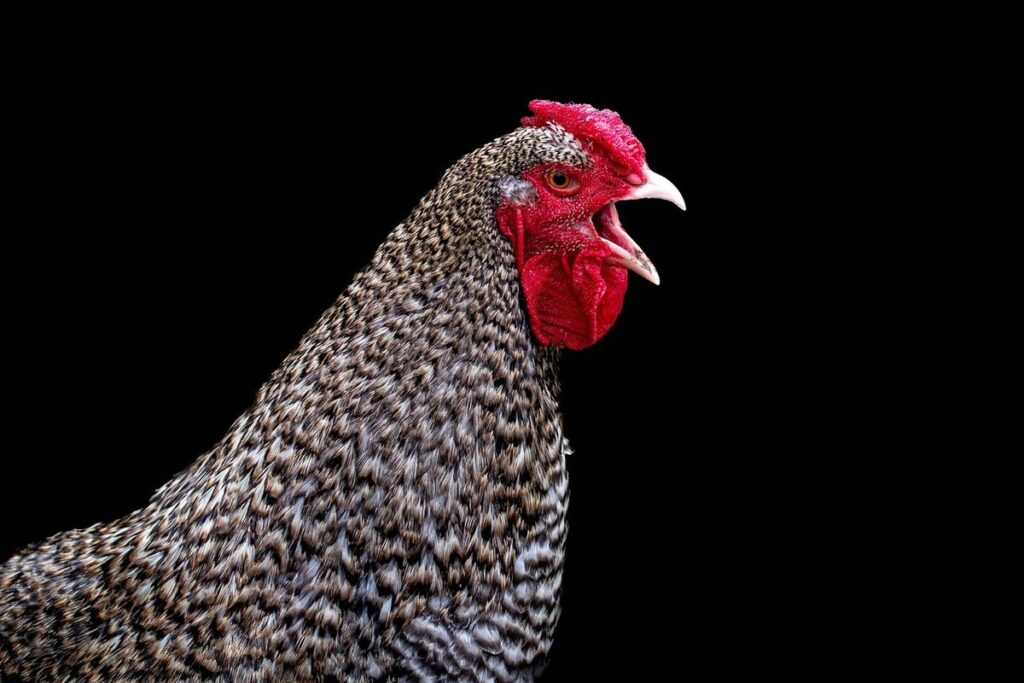
A loud rooster can be a nightmare for homeowners who value peace and quiet. These birds are naturally vocal creatures that crow to announce their presence, establish dominance, and warn other animals of potential threats. However, what may seem like a harmless morning serenade to some can quickly become a source of stress and anxiety for others.
For many people, the constant crowing can lead to noise complaints from neighbors and even local authorities. In some areas, excessive noise levels are considered a disturbance under municipal bylaws, which can result in fines or other penalties if not addressed. Beyond the legal issues, loud roosters can also cause property damage. For instance, angry neighbors may take matters into their own hands and attempt to silence the offending bird by themselves, often leading to violent confrontations.
If you’re dealing with a loud rooster problem, it’s essential to understand that you have options beyond simply trying to drown out its crowing or relocating the entire flock. In our next section, we’ll explore some effective strategies for addressing this issue and creating a more peaceful living environment.
Why Do Roosters Crow So Much?
Roosters crow for various reasons, and understanding these motivations is key to implementing effective solutions. During mating season, roosters crow loudly to announce their presence to potential mates and rival males. This behavior is an essential part of the breeding process, as it helps establish dominance and increases the chances of successful pairings.
However, a rooster’s crowing isn’t limited to mating season. They also use vocalizations to mark their territory, warning off other birds that might encroach on their space. Alarm calls are another reason for crowing, which is triggered by potential threats such as predators or other loud noises.
You can observe your rooster’s behavior and identify the triggers for his crowing. For example, if he’s particularly vocal during early morning hours, it may be due to territorial marking or alarm calls. By understanding these underlying reasons, you can develop targeted solutions to address the specific issue.
The Impact on Neighbors
Excessive crowing can take a significant toll on neighbors, making it essential to address this issue promptly. The constant din of a rooster’s loud crowing can cause stress and anxiety in those who live nearby. Imagine waking up multiple times throughout the night to the sound of a rooster’s persistent crowing – it’s not only disturbing but also affects one’s mental well-being.
The sleep deprivation caused by excessive crowing is another significant concern. When people are consistently woken up during their most needed rest periods, they may start to feel fatigued and irritable. This can further strain relationships with neighbors who already feel disrupted by the noise.
Strained relationships between rooster owners and neighbors can also occur when left unchecked. Neighbors might feel like they’re being ignored or dismissed, leading to frustration and resentment. If you own a rooster and value your relationships with those living nearby, it’s crucial to find solutions to minimize excessive crowing. By implementing noise-reducing strategies, such as relocating the coop or introducing distractions, you can create a more harmonious environment for everyone involved.
Identifying the Cause
To effectively quiet a crowing rooster, you need to start by identifying the underlying cause of its vocal behavior. Is it boredom, hunger, or something else?
Age-Related Crowing
As roosters age, their crowing tends to become more frequent and loud. This is often due to hormonal changes that occur as they mature. In fact, studies have shown that older roosters are significantly louder than younger ones, with some research suggesting a 10-20 decibel increase in vocalization levels between 1-2 years of age.
If you’re dealing with an aging rooster and suspect age-related crowing issues, there are a few signs to look out for. These include increased vocalization during the day or night, persistent loud crowing, and even changes in the tone or pitch of their calls. To identify whether your rooster’s crowing is indeed age-related, observe their behavior over time. Take note of when they’re most active and vocal, as this can help you determine if hormonal changes are contributing to the noise.
To manage age-related crowing issues, consider providing a quieter environment for your older rooster. This might involve moving them to a separate enclosure or reducing exposure to stressors that could exacerbate loud vocalization. Regular veterinary check-ups can also help rule out any underlying health concerns contributing to excessive crowing.
Health-Related Crowing
If you suspect that your rooster’s excessive crowing is due to health-related issues, it’s essential to investigate further. Respiratory problems, such as pneumonia or bronchitis, can cause a rooster to vocalize more than usual. These conditions can lead to labored breathing, which may manifest as loud cawing or crowing sounds.
Injury or pain from accidents, fights, or even poor living conditions can also trigger excessive crowing. For instance, if your rooster has injured its throat or vocal cords, it may experience discomfort while trying to crow normally, resulting in an overcompensation by crowing more loudly.
When examining the health of your rooster, look for signs of illness such as discharge from the eyes or nostrils, lethargy, or loss of appetite. If you suspect that your rooster is experiencing respiratory problems or pain, consult a veterinarian to rule out any underlying medical conditions. Regular veterinary check-ups can help identify potential issues before they cause crowing disorders.
In some cases, addressing health-related issues through proper care and attention can significantly reduce excessive crowing in the long run.
Environmental Factors
When it comes to loud crowing, environmental factors can play a significant role. You see, roosters are naturally most vocal at dawn and dusk when they sense the changing light exposure. If your rooster is exposed to artificial light sources during these times, he may think it’s still daytime or nighttime and continue to crow loudly.
Stress can also contribute to loud crowing in roosters. Changes in routine, such as moving to a new coop or introducing new animals, can cause stress that manifests through vocalization. Think about it: if you were to move into a new home, wouldn’t you be a bit anxious? Roosters are no different.
To address this issue, try adjusting your rooster’s lighting schedule by turning off artificial lights during the recommended crowing times. You can also provide enrichment activities and toys to help reduce stress caused by changes in routine. For example, consider providing a new foraging area or introducing a companion animal to keep him company.
Solutions for the Problem
Now that we’ve identified the source of the noise, let’s dive into some practical solutions to help you quiet your yard and find peace. We’ll explore effective ways to address loud roosters.
Training Your Rooster
Training your rooster to quiet down during certain times of day or in specific situations requires patience, consistency, and positive reinforcement. Start by establishing a routine for feeding and interacting with your rooster. This can help regulate his vocalization patterns, making it easier to manage loud crowing.
Identify the triggers that cause your rooster to crow excessively, such as during early morning hours or when visitors arrive at the property. Once you’ve pinpointed these triggers, implement a plan to address them. For instance, if your rooster tends to crow loudly around 5 am, try reducing his exposure to natural light by closing curtains or using blackout shades.
Use positive reinforcement techniques to encourage quiet behavior. Reward your rooster with treats and praise when he remains silent during trigger times. You can also try redirecting his attention away from loud triggers by providing toys or engaging him in activities that stimulate mental and physical stimulation.
Reducing Noise Levels
Reducing noise levels is a crucial aspect of creating a peaceful yard. If you’re tired of being woken up by the crowing rooster, there are several methods to minimize the disturbance. One effective approach is using sound-reducing materials such as acoustic fencing or soundproof screens. These barriers can be installed around your property to absorb and dissipate the noise.
Another option is creating a sound barrier by planting dense shrubs or trees that will block the direct line of sight between the rooster’s location and your home. For instance, consider planting tall hedges like arborvitae or evergreen trees like cypress, which are known for their noise-absorbing properties.
You can also invest in a white noise machine, which produces a constant soothing sound that masks the crowing noise. Place it near your bedroom window to create a peaceful atmosphere and improve sleep quality. When choosing this solution, consider machines with adjustable volume control or customizable sound settings to ensure the perfect balance between peace and quiet.
Alternative Housing Options
If you’re struggling with the incessant crowing of your rooster, relocating him to a different part of the property can be a viable solution. Consider moving his coop to an area farthest from your living space or nearest to a fence that blocks sound from escaping. This might not completely eliminate the noise issue but could significantly reduce it.
Alternatively, you may want to explore alternative housing options for your rooster. This could mean building a detached coop or upgrading to a larger, more modern enclosure. Some owners have reported success with portable coops that can be easily moved around the yard as needed.
When choosing an alternative housing option, prioritize soundproofing measures such as using thick walls, covered areas, and insulated roofs. You can also add noise-dampening materials like rubber or carpet to reduce the sound of rooster calls. Consider incorporating features that allow your rooster to exercise freely while minimizing his ability to vocalize excessively.
Remember to research local regulations regarding backyard chickens before making any significant changes to your property or altering the housing arrangements for your rooster.
Managing Rooster Behavior
To manage a rooster’s behavior, it’s essential to understand what drives his crowing and establish a routine that minimizes unwanted noise. This section will explore practical tips for calming your noisy rooster.
Establishing a Routine
Establishing a consistent daily routine for your rooster is crucial to reducing stress-related crowing. When your rooster feels secure and comfortable with its surroundings, it’s less likely to engage in excessive vocalization. Start by establishing regular times for feeding, exercise, and sleep.
For example, feed your rooster at the same time each day, so it knows when to expect food. This helps regulate its digestive system and reduces anxiety. Similarly, allocate specific times for exercise, such as early morning or late afternoon, allowing your rooster to burn off energy and relax later in the day. A consistent sleep schedule is also essential; ensure your rooster has a quiet and safe place to rest.
To implement this routine, start by observing your rooster’s natural behaviors and preferences. For instance, some roosters are naturally early risers while others prefer to sleep in. By understanding its individual needs, you can tailor the routine to suit its personality. A well-planned daily schedule will help reduce stress-related crowing and create a more peaceful environment for both your rooster and neighbors.
Providing Adequate Space
Providing adequate space for your rooster to move around can be a surprisingly effective way to reduce crowing behavior. When roosters are cooped up in small spaces with limited room to roam, they often feel trapped and anxious, leading to increased vocalizations. By giving them the freedom to stretch their wings and exercise, you can help alleviate some of this stress.
Consider providing at least 2-3 square feet per bird, which is the minimum recommended by many poultry experts. This may seem like a lot, but trust us, it’s essential for your rooster’s mental health. If possible, create a spacious enclosure or even better, a dedicated yard where your rooster can roam freely.
For example, if you have a small backyard, consider setting up a fenced area specifically for your rooster to explore. Add some toys and perches to keep them entertained and stimulated. By giving your rooster the space they need, you may find that their crowing becomes less frequent or even stops altogether.
Introducing Other Animals
Introducing other animals to your yard can be an effective way to distract your rooster from excessive crowing. One of the main benefits is that it provides a natural way to redirect his attention away from loud vocalization. For example, introducing chickens or ducks into your flock can help keep your rooster occupied with potential mates or rivals.
By providing a suitable environment and adequate space for these new animals, you can create a distraction that reduces the likelihood of excessive crowing. A good rule of thumb is to introduce compatible animals at different stages of their lives, allowing them to integrate naturally into your existing flock dynamics.
Additionally, introducing other animals can also provide entertainment and enrichment opportunities for your rooster. For instance, adding some goats or sheep can stimulate his natural instinct to chase and play with larger, more energetic animals. This can help channel his energy away from excessive crowing and towards more productive behaviors.
Implementing Long-Term Solutions
Now that you’ve tried various methods, it’s time to focus on long-term solutions that will help minimize your rooster’s crowing for good. Let’s dive into some effective implementation strategies.
Spaying or Neutering
Spaying or neutering your rooster can be an effective long-term solution to reduce its crowing and aggression. This surgical procedure is designed to prevent the rooster from producing testosterone, which drives its natural behaviors such as mating and territorialism. When a rooster’s crowing becomes excessive, it may lead to noise complaints from neighbors or even local ordinances being enforced. By spaying or neutering your rooster, you can significantly reduce the frequency and volume of its crowing.
Spaying or neutering can also decrease aggression in male chickens, making them more docile and friendly around humans. This is especially important if you plan to keep multiple birds together in a backyard flock. Aggression between roosters can be a serious issue, resulting in injuries and stress for both the birds and their owners. In addition, reducing your rooster’s testosterone levels can also lead to healthier weight management and overall well-being.
While spaying or neutering is a simple and effective solution, it’s essential to consider the age and health of your bird before making this decision. Many veterinarians recommend spaying or neutering chickens between 4-6 months old for best results. By doing so, you can enjoy a quieter yard and stronger relationships with your feathered friends.
Considerations for Future Owners
If you’re considering bringing a new rooster into your family, it’s essential to think ahead about potential crowing issues. As a future owner, you’ll want to address these concerns before introducing the rooster to your yard.
Firstly, research the breed: some roosters are naturally quieter than others. Look for breeds known for being low-key or gentle. For example, the Cochin or Brahma rooster is often described as calm and quiet compared to other breeds.
Another consideration is the environment: roosters tend to crow more in the morning and evening when there’s less noise pollution. If you live near a busy road or have noisy neighbors, it may be beneficial to provide a quieter space for your rooster during these times. You can also try blocking the rooster’s view of the surrounding area to reduce stress, which may contribute to crowing.
Lastly, establish clear expectations and boundaries with your family members about what constitutes acceptable noise levels and consequences for excessive crowing.
Frequently Asked Questions
How can I determine if my rooster’s crowing is due to age or another underlying issue?
Determine the cause of your rooster’s excessive crowing by considering their age, health, and living environment. If you suspect age-related crowing, consult a veterinarian for guidance on managing this behavior. Keep in mind that some roosters naturally become louder as they mature.
Can I still keep my rooster if I decide to spay or neuter them?
Yes. Spaying or neutering can significantly reduce your rooster’s vocalization, but it won’t completely eliminate crowing. However, this procedure is an effective long-term solution for minimizing noise complaints and may also have benefits for the overall health of your birds.
What are some common mistakes people make when trying to train a loud rooster?
Common mistakes include not establishing clear routines or ignoring your rooster’s needs during peak crowing periods (e.g., dawn). Avoid relying on punishment as a training method, which can lead to anxiety and worsening behavior. Instead, focus on positive reinforcement techniques that encourage desired behaviors.
How do I know if I need to provide additional space for my roosters or if alternative housing is the better option?
Consider your rooster’s individual personality, breed characteristics, and overall well-being when deciding whether they require extra space or a different living environment. Factors such as noise levels, socialization opportunities, and access to outdoor spaces should be taken into account.
Can I expect immediate results from reducing my rooster’s stress and environmental factors?
No, it may take some time for your rooster to adjust to changes in their living environment. Be patient and allow several weeks or even months for behavior adjustments to become apparent. Monitor progress closely, making any necessary adjustments to ensure the success of your noise reduction efforts.