
Poultry enthusiasts know that eggs are more than just a delicious addition to breakfast – they’re also a window into a chicken’s genetic makeup. The vibrant colors and patterns on an eggshell can reveal a surprising amount about the bird that laid it. From blues and greens to browns and even pink, each color is linked to specific breed characteristics. But what exactly do these colors mean? And how can you use them to identify poultry breeds with confidence?
In this comprehensive guide, we’ll delve into the world of eggshell genetics and explore how unique traits are passed down through generations. By understanding the secrets behind egg color, you’ll be better equipped to distinguish between breeds and make informed decisions about your flock. We’ll cover the basics of egg color inheritance, highlight the most distinctive breed characteristics, and provide expert tips for identifying poultry breeds by their eggs alone.
Understanding Egg Color Basics
Egg color is a valuable tool for identifying chicken breeds, but before you can start guessing, it’s essential to understand the basics of eggshell hues and how they’re affected by genetics. Let’s dive into the world of egg colors.
Introduction to Eggshell Colors
Eggshell colors can be an excellent indicator of a chicken’s breed, and understanding their basics is essential for any enthusiast or breeder. So, let’s dive into the world of egg color and explore how eggs get their distinctive hues.
The process begins with pigments, primarily xanthophylls and carotenoids, which are deposited onto the shell membrane during ovulation. These pigments can come from various sources, including a chicken’s diet or internal production. For instance, marigold and alfalfa are rich in carotenoids that produce yellow and orange hues.
Genetics play a significant role in determining eggshell color, with breeders often selecting for specific traits to create desirable colors. This is why certain breeds, like the Araucana and Ameraucana, have blue or green eggs due to their unique genetic makeup.
Understanding egg color characteristics is crucial for breed identification. By recognizing common color patterns and intensity levels, you can make more accurate predictions about a chicken’s ancestry. For example, dark-brown eggs often indicate a strong presence of the Brown Leghorn gene.
Common Eggshell Color Variations
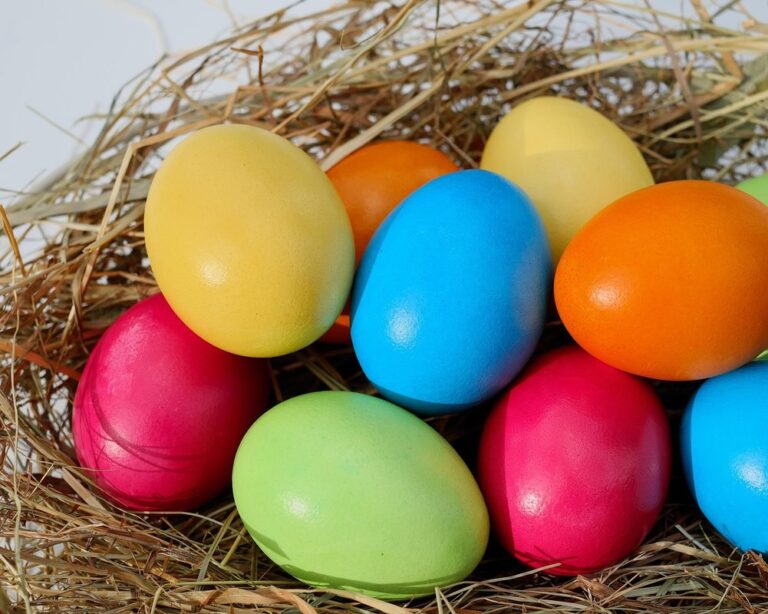
When it comes to egg color variations, there are six main types found in poultry breeds: white, brown, blue, green, olive, and chocolate. Each of these colors has distinct characteristics that can be used for breed identification.
White eggs are a result of a genetic trait that inhibits the production of pigments in the eggshell. Breeds like Leghorns, Orpingtons, and Australorps often lay white eggs due to their genetics. Brown eggs, on the other hand, owe their color to the presence of melanin. Breeds such as Marans, Barnevelders, and Welsummers are known for laying dark brown eggs.
Blue eggs get their distinctive color from a genetic condition that causes the eggshell to appear blue due to the way light interacts with the shell’s microscopic structure. Some breeds like Araucanas and Ameraucanas lay blue eggs. Green eggs have a more subtle appearance, resulting from a mix of white and yellow pigments. Breeds such as Marans and Barnevelders can produce green eggs.
Olive eggs are relatively rare but can be found in some heritage breeds like the Ayam Cemani. Lastly, chocolate-brown eggs owe their rich color to a specific type of melanin. This trait is often associated with heritage breeds like the Easter Egger.
Breed-Specific Egg Color Traits
Some breeds are known for laying eggs with unique colors, such as blue or green, while others produce eggs in a variety of hues. Let’s take a closer look at how breed-specific egg color traits can help identify different chicken breeds.
Anasazi Chicken Egg Color
The Anasazi chicken breed is known for its unique egg-laying abilities, producing brown eggs with a distinct dark-brown or pinkish tint. This characteristic trait makes it easier to identify these birds among other breeds. But what lies behind this distinctive egg color? Genetics play a crucial role in determining the color and quality of an eggshell. The Anasazi chicken’s egg color is influenced by the interaction between multiple genes, which regulate pigmentation.
If you’re trying to identify Anasazi chickens based on their egg color, look for eggs with a medium to dark brown coloration. A slight pinkish tint may also be present, especially if the eggs are older or have been exposed to light. To confirm your suspicions, consider other identifying features such as the bird’s plumage, comb type, and size. Anasazi chickens typically have rosecomb combs and a medium build.
When raising multiple breeds, pay attention to egg color variation in your flock. The distinctive brown eggs of Anasazi chickens can be an attractive addition to any backyard chicken coop.
Araucana Chicken Egg Color
The Araucana chicken breed is renowned for its striking blue and green eggs, which can be a thrilling surprise for backyard flock owners. But have you ever wondered what makes these eggs so uniquely colored? The secret lies in the lack of pigment on the shell’s surface.
When it comes to egg color production, the typical process involves two types of pigments: porphyrins (responsible for brown and red hues) and protoporphyrin IX (contributing to blue and green tones). In the case of Araucanas, a genetic variation leads to a deficiency in these pigments. As a result, their eggs appear blue or green due to the way light interacts with the shell’s thin membrane.
Accurate breed identification is crucial when working with Araucanas, as their unique egg color trait can be affected by factors like nutrition and health issues. Ensuring you’re raising purebred Araucanas will help maintain their signature egg color, making it easier to identify them within your flock.
Genetics of Eggshell Color
Let’s crack open the fascinating world of genetics and explore how the color of a chicken’s eggshell is determined by specific genetic traits that vary across breeds. This unique combination of genes gives each breed its distinct eggshell hue.
Understanding Dominance and Recessiveness
Genetics governs the eggshell color traits of poultry breeds, and understanding dominance and recessiveness is crucial for breed identification. In simple terms, a dominant gene will always be expressed if an individual inherits one copy of it, while a recessive gene requires two copies to be expressed.
To illustrate this concept, consider the eggshell color genes in Leghorn chickens. The gene for white eggs is dominant (W), and the gene for brown eggs is recessive (w). If a chicken has the genotype WW or Ww, it will lay white eggs because the dominant W gene masks the effect of the recessive w gene.
On the other hand, if a chicken has the genotype ww, it will lay brown eggs due to the expression of two recessive genes. By analyzing the eggshell color and determining the likelihood of dominance or recessiveness, breeders can infer the genetic makeup of their flock and identify potential breeding combinations for desirable traits.
The Role of Genes in Determining Eggshell Color
When it comes to eggshell color, genetics plays a significant role in determining the unique hues found in different breeds. At least 5 genes have been identified as contributing factors to eggshell pigmentation, with each gene controlling distinct aspects of color production.
The OCA2 gene is responsible for the formation of melanin, a pigment that affects the intensity and darkness of eggshell colors. Variants of this gene are associated with lighter or darker eggshell colors in breeds like Leghorns (light brown to white) and Orpingtons (light tan to dark chocolate).
Another key player is the HERC2 gene, which influences the distribution and concentration of melanin on the eggshell surface. This gene has been linked to breeds such as Barred Rocks (striped pattern) and Easter Eggers (blue or green eggs due to reduced melanin).
Breeds like Ameraucanas and Araucanas owe their distinctive blue eggs to a unique combination of genetic traits that affect both melanin production and shell thickness.
By understanding the roles of these genes, you can begin to appreciate the complex interplay between genetics and eggshell color.
Breed Identification by Egg Color: Challenges and Considerations
While breed identification through egg color is a fun and unique method, it’s not without its challenges – let’s explore what to expect. From unexpected variables to potential misidentifications, we’ll discuss them all.
Accurate Breed Identification Methods
Accurate breed identification is crucial for several reasons. Firstly, it helps determine the best-suited diet and living arrangements for a chicken, which can greatly impact its health and wellbeing. Secondly, accurate identification is essential for understanding a chicken’s genetic predispositions, enabling breeders to make informed decisions when breeding.
However, relying solely on egg color for breed identification can be misleading. Eggshell coloration is influenced by multiple factors including genetics, nutrition, and environmental conditions. For instance, a hen may lay dark brown eggs due to consuming high levels of lutein-rich foods or living in an environment with excessive exposure to sunlight. Furthermore, some breeds exhibit variable eggshell colors throughout their reproductive lives.
When using egg color as a breed identification method, it’s essential to consider these variables and consult additional information such as bloodlines, feather patterns, and beak shape. Breeders can also cross-reference their observations against established breed standards or seek guidance from experienced professionals. By combining multiple identification methods, breeders can ensure accurate and reliable results, minimizing the risk of misidentification.
Factors Affecting Eggshell Color Consistency
Eggshell color consistency can be influenced by various factors beyond genetics. Environmental conditions play a significant role in determining the intensity and uniformity of eggshell color within breeds. Temperature fluctuations, humidity levels, and exposure to light can cause eggs laid on consecutive days to exhibit varying shades or tones.
Nutritional deficiencies or excesses can also impact eggshell pigmentation. For instance, inadequate calcium intake may result in lighter or whiter eggshells, while excessive levels of certain minerals can cause discoloration. A well-balanced diet that meets the nutritional needs of laying hens is essential for maintaining consistent eggshell color.
Health factors such as stress, age, and individual bird characteristics can also affect eggshell color consistency. Stress caused by overcrowding or poor living conditions may lead to erratic egg production and abnormal shell colors. Regular health checks, optimal living arrangements, and a stress-free environment are crucial in minimizing these effects and ensuring accurate breed identification based on egg color characteristics.
To minimize the impact of environmental, nutritional, and health factors, it’s essential to maintain a consistent management approach. This includes providing a balanced diet, regular veterinary check-ups, and ensuring that hens have adequate space and living conditions.
Breed-Specific Egg-Laying Characteristics
When it comes to egg-laying, some breeds are prolific producers while others lay fewer eggs, and understanding these differences is key to accurate breed identification. Let’s take a closer look at how specific breeds perform in this regard.
Chicken Breeds with Distinctive Egg Laying Habits
When it comes to identifying chicken breeds based on their egg-laying habits, some breeds stand out from the rest due to their unique characteristics. Let’s take a closer look at two such breeds: Leghorns and Orpingtons.
Leghorns are perhaps one of the most recognizable breeds when it comes to high productivity. On average, a healthy Leghorn hen will lay around 280-300 eggs per year, making them an ideal choice for commercial egg farms. Their high-yielding nature makes them a popular breed among farmers and backyard chicken enthusiasts alike.
On the other hand, Orpingtons are known for their prolificacy. While they may not lay as many eggs as Leghorns, their eggs are often larger in size and more frequent in production. This means that an Orpington hen can produce up to 200-220 large eggs per year, making them a great choice for families who want a steady supply of fresh eggs.
Other breeds worth mentioning include Marans, which lay dark brown eggs with a distinctive “marbled” appearance, and Ameraucanas, known for their blue or green eggs. These breeds not only add visual interest to your egg collection but also offer a chance to experiment with different egg-laying characteristics in breeding programs.
When identifying chicken breeds based on their egg-laying habits, consider the following factors:
• Egg production rate: Look for breeds that consistently produce high numbers of eggs per year.
• Egg size and shape: Consider breeds that lay larger or more unusual egg shapes, such as Marans’ dark brown marbled eggs.
• Frequency of laying: Some breeds, like Orpingtons, are known to produce eggs at a faster rate than others.
By understanding these unique characteristics, you can make informed breeding decisions and identify specific breeds based on their egg-laying habits.
Conclusion and Future Directions
Now that you’ve learned how to identify breeds by egg color, let’s wrap up what we’ve covered so far and look ahead at future possibilities for breed identification.
Recap of Key Points
In conclusion to our comprehensive guide on breed identification by egg color, let’s recap the key points covered. We’ve explored how different breeds possess unique eggshell color traits that can be used to identify them accurately. For instance, Leghorns are known for laying white eggs, while Marans and Welsummers produce dark brown or chocolate-brown eggs due to their genetic makeup.
Genetic principles govern these traits, with multiple genes contributing to the final eggshell color. Understanding these principles helps us better comprehend why certain breeds exhibit specific colors and patterns on their eggs. However, accurate breed identification by egg color isn’t without its challenges. Factors like diet, age, and environmental conditions can influence eggshell color, making it essential for individuals to consider multiple sources of information when attempting to identify a breed.
To sum up, this guide has highlighted the importance of considering breed-specific traits, genetic principles, and potential external factors that may impact eggshell color. By combining knowledge from these areas, you’ll be better equipped to make informed decisions about breed identification by egg color.
Final Thoughts on Breed Identification by Egg Color
As we conclude our comprehensive guide to breed identification by egg color, it’s essential to emphasize the significance of understanding these characteristics for accurate breeding and conservation efforts. By recognizing the unique egg color patterns associated with specific breeds, poultry farmers, scientists, and enthusiasts can make informed decisions about breeding programs, ensure genetic diversity, and protect endangered species.
The importance of this knowledge cannot be overstated, particularly in regions where traditional breeds are facing extinction due to cross-breeding or other factors. For instance, the Araucana breed’s blue eggs are a prime example of how egg color can serve as a distinguishing feature. As we move forward, it’s crucial to continue studying and documenting the various egg color characteristics across different breeds.
By doing so, researchers can uncover new insights into the genetic factors influencing egg color, ultimately contributing to more effective breeding strategies and conservation efforts. Whether you’re an experienced poultry breeder or a curious enthusiast, understanding breed identification by egg color will empower you with the knowledge needed to make informed decisions about your flock and contribute to the preservation of these unique breeds.
Frequently Asked Questions
Can I use egg color to identify hybrid chicken breeds?
Yes, while breed-specific traits are more pronounced in purebred chickens, egg color can still be a useful indicator for hybrid breeds. However, it’s essential to consider the parents’ breeds and their likely characteristics when making an identification. Keep in mind that hybrids often exhibit a mix of traits from both parent breeds.
How consistent will my flock’s eggshell colors be?
Eggshell color consistency depends on various factors, including breed genetics, nutrition, and environmental conditions. Even within the same breed, eggs may vary in color due to individual differences or other external influences. To promote uniformity, ensure your chickens receive a balanced diet and maintain a clean living environment.
Can I use egg color alone to distinguish between similar breeds?
While eggshell colors can be an excellent indicator of chicken breed, they should not be the sole determining factor for identification. Consider combining multiple characteristics, such as comb shape, feather pattern, and size, to make a more accurate determination. Consult with experts or reputable sources for guidance on breed-specific traits.
What’s the best way to document eggshell colors in my flock?
To accurately record and compare eggshell colors, consider using a standardized system, like the Munsell color notation. This will help you communicate effectively with other breeders and enthusiasts. Take detailed photographs of eggs under different lighting conditions and note any variations or anomalies.
How can I use this knowledge to improve my own flock’s egg-laying abilities?
By understanding how genetics influence eggshell colors and traits, you’ll be better equipped to make informed decisions about breeding and selection in your flock. Focus on preserving desirable characteristics while promoting overall health and well-being through proper nutrition, management practices, and regular veterinary care.