
Are you looking to start or expand your backyard flock, but want to focus on raising chickens specifically for their meat? Large chicken breeds are an excellent choice for small-scale farmers and homesteaders alike. Not only do they offer a consistent supply of fresh, locally-sourced protein, but they can also be a lucrative business venture. However, with so many different breeds to choose from, it can be overwhelming to decide which ones to raise. In this article, we’ll explore the top large chicken breeds for meat production, including their advantages and disadvantages, nutritional requirements, health considerations, and marketing strategies. Whether you’re just starting out or looking to improve your existing operation, our guide will provide you with the information you need to make informed decisions about raising your own large chicken flock.
Characteristics of Large Chicken Breeds
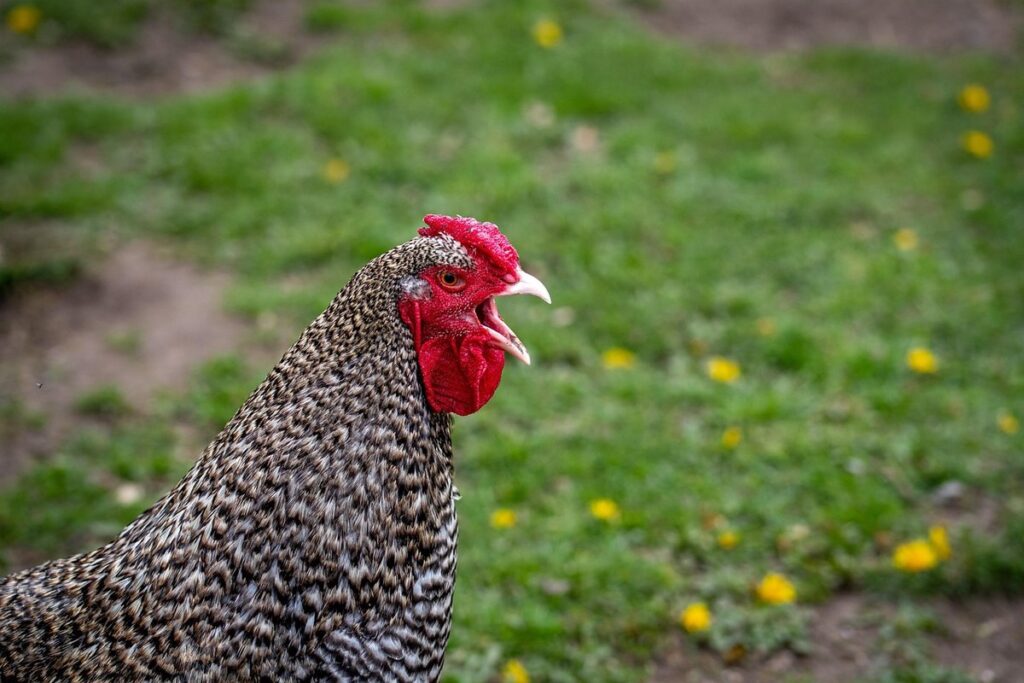
Let’s take a closer look at what makes large chicken breeds perfect for meat production, and one key factor is their size, strength, and robust build.
Advantages of Raising Large Chickens
Raising large chicken breeds can provide numerous benefits for backyard chicken keepers and small-scale farmers. One of the most significant advantages is increased meat production. Large chickens can grow to weights of 8-12 pounds or more, making them an excellent choice for families and individuals who require a substantial source of protein.
Compared to smaller breeds, large chickens are often easier to handle due to their calm temperament. This makes it simpler for handlers to manage and care for these birds, which is particularly important for those with limited experience. Moreover, large chickens typically have faster growth rates than smaller breeds, allowing producers to harvest meat more quickly.
The bigger size of these birds also means they can provide a more substantial source of protein per bird. According to the United States Department of Agriculture (USDA), a 10-pound chicken can yield approximately 4-5 pounds of boneless, skinless breast meat and 6-7 pounds of thighs and legs. This makes them an attractive choice for those looking to raise chickens specifically for meat production.
Disadvantages of Raising Large Chickens
When it comes to raising large chicken breeds, there are some potential drawbacks to consider. While these birds can provide a substantial amount of meat for your family, they require more feed and space than smaller breeds. As a result, you can expect to pay more for their upkeep.
One of the most significant disadvantages of raising large chickens is their appetite. These birds need a lot of food to sustain themselves, which means higher feed costs for you. For example, a 6-week-old broiler chicken can eat up to 1/2 pound of starter feed per day. If you have a flock of 10-15 birds, that’s a significant amount of feed.
Another consideration is reduced egg production. While some large breeds, like Orpingtons and Plymouth Rock, are capable of laying eggs, their egg-laying abilities are generally lower than smaller breeds. This can be a trade-off for the meat you’ll get from these birds, but it’s essential to weigh your priorities when choosing a breed.
When deciding whether to raise large chickens, consider your specific situation and what you want to achieve. If you have enough space and resources to provide for their needs, then a large breed might be the right choice for you. However, if you’re on a tight budget or need more eggs, a smaller breed might be a better fit.
Popular Large Chicken Breeds for Meat Production
If you’re looking for large chicken breeds that pack a punch when it comes to meat production, we’ve got you covered. In this next section, we’ll explore some of the most popular varieties.
1. Brahma
The Brahma breed is one of the most sought-after large chicken breeds for meat production. Originating from India, this gentle giant has been a favorite among farmers and backyard chicken enthusiasts for centuries. One of the standout characteristics of the Brahma breed is its impressive size – males can reach up to 20 pounds in weight and stand over 3 feet tall.
In terms of temperament, Brahmas are known for their friendly and docile nature. They make excellent family pets and are relatively easy to handle due to their calm demeanor. When it comes to growth rate, Brahmas have a moderate growth rate, taking around 18-20 weeks to reach full maturity. This makes them an ideal choice for farmers looking to raise large chickens for meat production.
Their slow growth rate also means that Brahmas require less feed and resources compared to other fast-growing breeds, making them a cost-effective option for farmers. Their rich, tender meat is also highly prized by chefs and consumers alike, adding value to the farm or homestead.
2. Cochin
The Cochin breed is known for its distinct characteristics that make it an ideal choice for certain farming operations and backyard flocks. One of its unique features is its slow growth rate compared to other large chicken breeds. This means that Cochins take longer to mature, typically reaching market weight between 20-24 weeks. While this may be a drawback in commercial production settings, it can be advantageous for small-scale farmers or backyard chicken keepers who prioritize slower-grown meat.
Cochins are also renowned for their friendly and docile nature, making them an excellent choice for families with children or those who want to raise chickens as pets. Their gentle disposition allows for closer interaction, and they tend to form strong bonds with their owners. In addition, Cochins are prolific layers, producing large brown eggs with a rich, creamy yolk.
If you’re considering raising Cochins for meat production, it’s essential to plan accordingly due to their slower growth rate. You can optimize your farming operation by allocating more space per bird and ensuring a nutritious diet to promote healthy growth. By understanding the Cochin breed’s unique traits, you can determine whether this breed is suitable for your specific needs and goals.
3. Orpington
The Orpington breed is a popular choice among farmers and backyard chicken enthusiasts alike, and for good reason. This robust bird boasts an impressive build that makes it well-suited for meat production. With males weighing up to 10 pounds and females reaching 8-9 pounds, the Orpington’s large size ensures that you’ll have plenty of meat on hand.
But what really sets the Orpington apart is its exceptional egg-laying abilities – hens can produce around 200 brown eggs per year, making them a great choice for those who want to diversify their farm or backyard flock. This dual-purpose breed excels at both meat and egg production, making it an attractive option for those with limited space.
Orpingtons are also known for their friendly, docile nature, which makes them a joy to work with in the coop. They’re relatively easy to care for, as long as you provide them with plenty of space to roam and a balanced diet. With proper care, Orpingtons can thrive and provide a steady supply of meat and eggs throughout the year.
Nutritional Requirements of Large Chicken Breeds
When it comes to large chicken breeds, ensuring they receive adequate nutrition is crucial for optimal growth and health. In this section, we’ll break down their specific dietary needs.
Feed Formulation and Nutrition
When it comes to meeting the nutritional needs of large chicken breeds, getting it right is crucial for optimal growth and performance. These birds require a diet rich in protein, energy, and essential minerals to support their rapid growth rates.
Protein is a top priority, with large breeds needing around 1-2% more protein than smaller breeds. This translates to approximately 18-20% crude protein in the feed. To put this into perspective, a starter feed for large breeds might contain around 19% protein from ingredients like soybean meal and fishmeal.
Energy is another critical component of their diet, with large breeds requiring more energy-dense feeds to support their growth rates. This can be achieved through the inclusion of high-energy ingredients such as oats, barley, or corn. Minerals like calcium, phosphorus, and potassium are also essential for strong bone development and overall health.
When formulating feeds for large chicken breeds, it’s essential to consider their individual needs based on age, sex, and production level. A good feed formulation should aim to provide a balanced mix of nutrients while minimizing waste and reducing the environmental impact of your operation.
Water and Hydration Strategies
When it comes to raising large chicken breeds for meat, ensuring proper hydration is crucial. A flock’s water intake can significantly impact their overall health and productivity, particularly during hot weather conditions or high-activity periods.
To guarantee access to clean water at all times, consider the following strategies: Install multiple watering systems throughout the coop to minimize travel time and prevent overcrowding around a single water source. Regularly inspect and maintain the systems to avoid clogs or contamination risks. Monitor water quality by checking for any unusual odors, colors, or sediment buildup.
Large chicken breeds need access to about 1-2 gallons of water per bird daily, depending on factors like age, sex, and climate. Make sure your flock has adequate space for movement and exercise to encourage natural drinking behavior. Keep an eye out for signs of dehydration in your birds, such as dryness around the eyes or mouth, sunken eyes, or lethargy.
To encourage water intake, try providing a shallow dish of fresh water alongside their regular watering system. This can help stimulate their instinctual desire to search and drink from multiple sources.
Health Considerations for Large Chicken Breeds
When raising large chicken breeds for meat, it’s essential to consider their specific health needs and potential breed-specific issues that can impact your flock’s overall well-being. Here, we’ll cover some key health considerations to keep in mind.
Disease Prevention and Management
As you’re raising large chicken breeds for meat, it’s essential to be aware of the common health issues that can affect them. Leg problems and respiratory diseases are two significant concerns that you should watch out for.
Leg problems often stem from genetic factors or excessive weight gain, which can put pressure on their joints. To mitigate this risk, ensure your birds have enough space to move around comfortably, providing at least 2-3 square feet of floor space per bird in the coop and 8-10 square feet in the run. You should also monitor their feed intake closely, avoiding overfeeding that could lead to weight gain.
Respiratory diseases can be caused by bacteria or viruses that spread quickly in close living conditions. To prevent this, maintain good ventilation in your coop and make sure it’s kept clean with regular cleaning schedules. Provide plenty of fresh air by opening windows or using fans. Additionally, ensure that your birds are up-to-date on their vaccinations and take necessary precautions during extreme weather conditions.
By being proactive about preventative measures and management techniques, you can reduce the risk of these health issues in your flock.
Vaccination Programs and Biosecurity
Vaccination programs and biosecurity are crucial components of raising large chicken breeds for meat. Disease outbreaks can decimate a flock and lead to significant financial losses, so it’s essential to take proactive measures to prevent them.
Implementing a vaccination program is vital in protecting against disease outbreaks. Consult with your veterinarian to determine the best vaccine protocols for your specific breed and region. For example, Marek’s disease is a common concern for large chicken breeds, and administering a Marek’s vaccine can significantly reduce the risk of infection. Regular vaccinations also help build herd immunity, making it more challenging for diseases to spread.
In addition to vaccination programs, biosecurity protocols are essential in reducing the risk of introducing pathogens into your flock. This includes proper cleaning and disinfection procedures, monitoring bird health closely, and isolating new birds before integrating them with the existing flock. For instance, consider implementing a “one-way door” policy when introducing new birds, allowing you to monitor their behavior and adjust as needed.
Regularly reviewing and updating your vaccination program and biosecurity protocols will help ensure the overall health and well-being of your large chicken breed flock.
Integration with Farming Systems and Livestock Management
When incorporating large chicken breeds into your farming system, integrating them effectively with existing livestock management practices is crucial for efficiency and productivity. We’ll explore how to make this integration seamless.
Large-Scale Commercial Production
Integrating large chicken breeds into commercial farming operations requires careful consideration of breeding, growing, and harvesting practices. When it comes to breeding, farmers need to select breeds that are suitable for their specific climate and production goals. For example, the Jersey Giant is a popular choice for its fast growth rate and high meat yield, while the Brahma excels in hot climates due to its ability to tolerate heat stress.
To optimize growing conditions, large chicken breed farmers should provide adequate space (at least 2-3 square feet per bird) and ensure access to fresh water, nutritious feed, and proper ventilation. A well-designed coop with enough room for movement and activity is also essential for maintaining the birds’ health and reducing stress. Farmers can consider implementing automated feeding systems and manure management strategies to streamline operations.
Regular health checks and vaccinations are crucial in preventing diseases that can decimate large chicken flocks. Harvesting at optimal weights (around 3-4 kg) will ensure the best meat quality, while also minimizing waste and maximizing profit margins.
Backyard Flocks and Small-Scale Production
Incorporating large chicken breeds into backyard flocks or small-scale production systems can be a rewarding experience for those looking to produce meat on a smaller scale. One of the primary benefits is that these birds are bred specifically for their meat-producing capabilities, making them an excellent choice for producers who want to optimize their output.
However, there are also challenges associated with raising large chicken breeds in a smaller context. For instance, they require more space and nutrition than smaller breeds, which can be a challenge for backyard flocks or small-scale production systems where resources may be limited.
To overcome these challenges, it’s essential to plan carefully and create a suitable environment for your birds. This includes providing adequate space, ventilation, and access to fresh water and nutritious feed. It’s also crucial to research the specific needs of the breed you’re working with and tailor your management practices accordingly.
Consider implementing rotational grazing or using movable coops to make the most of available land. This approach allows you to maximize forage production while minimizing soil erosion and maintaining biodiversity. By doing so, you can ensure that your large chicken breeds thrive in their environment, leading to healthier birds and a more sustainable operation.
Marketing and Value-Added Products
When it comes to marketing and selling your meat birds, you’ll want to consider adding value to their products through creative strategies that set them apart from others. This could include selling by-products like eggs, feathers, or rendered fat.
Direct-to-Consumer Sales and Farm Stands
Direct sales to consumers offer an exciting opportunity for large chicken breed farmers to connect with their customers and showcase the quality of their products. By setting up a farm stand or participating in local farmers’ markets, you can build relationships with loyal customers who appreciate the unique characteristics of your birds. This direct-to-consumer model also allows for greater control over pricing, ensuring that producers receive fair compensation for their efforts.
To effectively market large chicken breeds and their products, it’s essential to emphasize the benefits of choosing a locally sourced, heritage breed. Highlight the rich flavors and textures that these birds bring to the table, as well as any unique characteristics that set them apart from more common commercial varieties. Online platforms like social media, email newsletters, and online marketplaces can also be leveraged to reach a wider audience and build a community around your farm.
Consider offering value-added products, such as smoked or processed meats, to diversify revenue streams and attract customers who may not typically purchase whole birds. By doing so, you’ll not only increase sales but also create new opportunities for engaging with your customer base and showcasing the versatility of large chicken breeds.
Processing and Value-Added Products
When it comes to large chicken breeds for meat, many farmers and producers are looking for ways to add value to their products beyond just raw meat sales. This is where processing and value-added products come into play.
Smoking meats, for instance, can be a game-changer for those who want to create unique flavor profiles without much additional effort. The beauty of smoking lies in its ability to enhance the natural flavors of the meat while adding a rich, complex taste that consumers love. However, it does require some investment in equipment and expertise.
Another exciting area is poultry sausages – you can create all sorts of varieties using large chicken breeds’ meat, from classic Italian-style sausage to more adventurous options like Korean BBQ-style or Cajun-spiced sausages. To get started, consider working with a professional butcher or purchasing a commercial sausage-making kit that includes everything from casings to seasonings.
When processing and packaging value-added products, logistics become crucial. Make sure you have the right equipment for your operation – whether it’s a small-scale smoker or a meat grinder for sausage production. You’ll also need to consider packaging options, such as vacuum-sealing or vacuum-packaging machines that preserve freshness while keeping costs low.
Ultimately, creating value-added products allows producers to differentiate themselves in an increasingly competitive market and boost profits.
Frequently Asked Questions
Can I start raising large chicken breeds for meat even if I have a small backyard or limited space?
Yes, you can still raise large chicken breeds for meat on a small scale, as long as you provide enough space and resources for them to grow. Consider investing in a portable coop or using vertical integration techniques to maximize your space.
How do I determine the optimal feed formulation and nutrition plan for my large chicken flock?
To ensure your birds are getting the right nutrients, consult with a poultry expert or conduct research on feed formulation and nutrition plans specific to your region and breed. Consider factors like protein content, calcium levels, and moisture management when formulating your feed.
What are some key health considerations I should be aware of when raising large chicken breeds for meat?
Monitor your flock regularly for signs of disease, injury, or stress. Prioritize biosecurity measures, such as vaccination programs, sanitation protocols, and pest control to minimize the risk of disease outbreaks. Regular veterinary check-ups can also help identify potential issues early on.
Can I integrate my large chicken operation with existing farming systems and livestock management practices?
Yes, integrating your chicken operation with other farm activities can be beneficial for resource allocation, waste management, and labor efficiency. Research how to incorporate chickens into your existing agricultural setup, taking into account factors like manure management, pest control, and seasonal fluctuations in demand.
How do I market and sell the meat from my large chicken breeds, especially if I’m just starting out?
Consider selling directly to consumers through farm stands or online platforms, emphasizing the benefits of locally sourced, grass-fed, and humanely raised products. Develop a value-added product line, such as smoked meats or specialty cuts, to differentiate your business and attract customers looking for premium products.