
Are you tired of dealing with pesky flies in your backyard chicken coop? Flies can be more than just a nuisance, they can also spread diseases to your beloved chickens. But don’t worry, we’ve got some good news for you! In this article, we’ll show you how to keep those unwanted fly guests under control using humane and effective methods.
We’ll explore both DIY fly traps that you can make at home, as well as commercial options that are specifically designed for use in chicken coops. From sticky traps to UV light traps, we’ll dive into the different types of fly traps that work best, and how to maximize their effectiveness. By the end of this article, you’ll be equipped with all the knowledge you need to keep your coop clean and healthy, and your chickens happy and disease-free!
What Are Chicken-Safe Fly Traps?
Let’s take a closer look at what makes a fly trap truly chicken-safe, so you can rest assured your flock is protected while keeping those pesky flies under control. We’ll explore the essential features to consider.
Definition and Importance
When it comes to maintaining a healthy and thriving chicken coop, controlling fly populations is crucial. Flies can spread diseases like salmonella and E. coli, posing a significant risk to the chickens’ well-being and even human health if not handled properly. Traditional methods of fly control often involve toxic chemicals or sticky traps that can harm the chickens.
However, these methods are not only inhumane but also ineffective in the long run. The problem is that they don’t address the root cause of the issue – the flies’ attraction to food and waste. As a result, you’ll find yourself constantly reapplying chemicals or cleaning up sticky traps, creating more work for yourself.
To avoid these pitfalls, it’s essential to adopt chicken-safe fly traps as an integral part of your coop management strategy. These humane solutions not only protect the chickens but also promote a clean and healthy environment within the coop. By choosing the right fly trap, you can enjoy a more stress-free experience caring for your flock while ensuring their safety and well-being.
Understanding the Risks of Chemical-Based Fly Control
When it comes to controlling flies in your chicken coop, chemical-based methods may seem like an effective solution. However, using chemicals can pose serious risks to the health and well-being of both your chickens and humans living nearby.
Some common chemicals used in fly control include pyrethroids, permethrin, and malathion. These insecticides can contaminate food and water sources, leading to adverse health effects. For instance, exposure to pyrethroids has been linked to neurological damage in animals, while permethrin has been shown to cause reproductive issues.
But the risks don’t stop there. Chemical-based fly control methods also harm the environment by contaminating soil and waterways. Malathion, for example, is a known neurotoxin that can persist in the environment for months after application. These chemicals can also affect beneficial insects like bees and butterflies, disrupting local ecosystems.
If you’re looking for humane and effective solutions to fly control, there are many chicken-safe alternatives available, including fly traps made from natural materials like vinegar and essential oils. By making the switch to these safer options, you’ll not only protect your flock but also do your part in preserving the environment.
Types of Chicken-Safe Fly Traps
When it comes to choosing a fly trap for your chicken coop, you have several options to consider, each with its own unique features and benefits. Let’s take a look at some popular types of chicken-safe fly traps.
DIY Fly Trap Ideas Using Household Items
Creating your own DIY fly traps using household items is a fun and budget-friendly way to keep flies at bay without harming your chickens. One of the simplest ideas is to use a jar trap. Fill an old jam jar with 1-2 inches of apple cider vinegar or wine, covering the bottom completely. The smell of these liquids will attract flies, which will then try to land on the liquid’s surface but won’t be able to fly out again due to the narrow opening.
Another creative idea is to use a plastic bottle as a trap. Cut the top third off and place some overripe fruit or vegetables inside. Fill the remaining part with water and add a tablespoon of sugar to create a sweet, fermented smell that will draw flies in. Place the bottle near your coop’s entrance or in areas where flies are most active.
When creating these DIY traps, remember to use items that won’t harm your chickens if they accidentally ingest them. Always place the traps out of reach and check on them regularly to prevent the buildup of bacteria and ensure they’re working effectively.
Commercial Chicken-Safe Fly Traps Review
When it comes to commercial chicken-safe fly traps, there are several options available on the market. Let’s take a closer look at some of the most popular ones.
The Bug Zapper Fly Trap by ZappBug is a highly effective and easy-to-use option. It uses UV light to attract flies, which are then zapped by an electric grid. This trap is suitable for medium-sized coops and is relatively affordable, priced around $20-$30. However, it does require occasional cleaning to maintain its effectiveness.
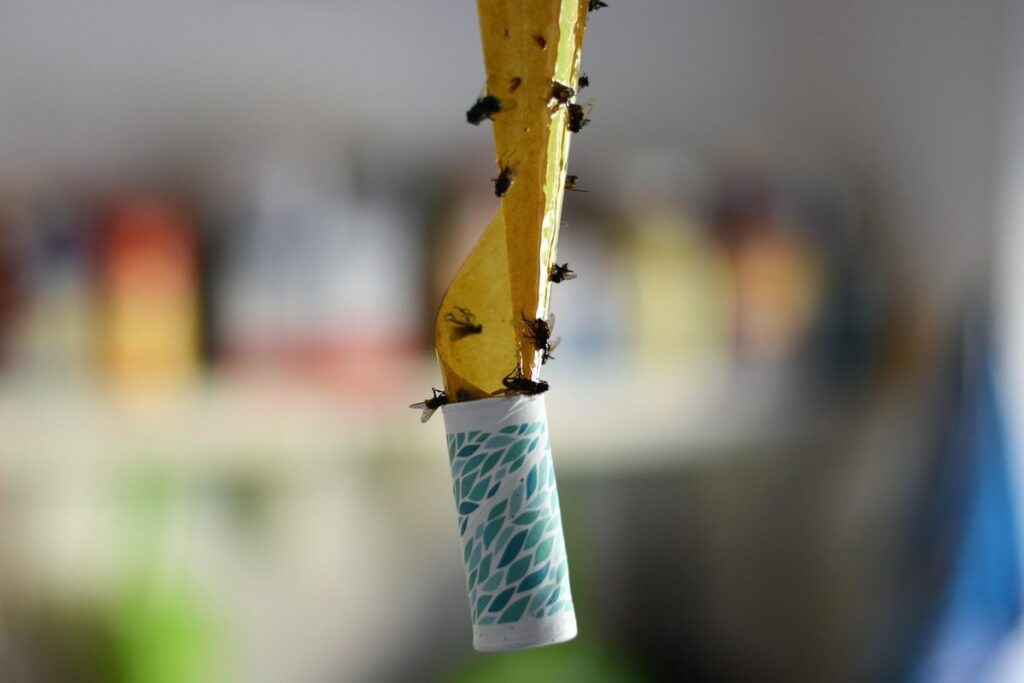
Another popular choice is the Catchmaster Fly Paper Trap. This sticky trap comes pre-coated with a non-toxic adhesive that attracts flies, which then get stuck on the surface. It’s simple to use and doesn’t require electricity or batteries. The cost of this trap is around $10-$20 per roll, making it an affordable option for larger coops.
The Insect-O-Vac Fly Trap by Safer Brand uses a different approach, employing a fan to create a vacuum effect that sucks flies in. This trap is more suitable for larger areas and requires some assembly but is generally easy to use. The price point is around $30-$40, which may be higher than some other options.
When choosing a commercial chicken-safe fly trap, consider the size of your coop, ease of use, and budget. It’s also essential to clean and maintain the traps regularly to ensure their effectiveness in controlling fly populations.
How to Choose the Right Fly Trap for Your Coop
Now that you’ve narrowed down your options, let’s discuss how to choose a fly trap that will effectively eliminate pests from your coop without putting your chickens in harm’s way. Consider a few key factors when making this decision.
Factors to Consider When Selecting a Fly Trap
When selecting a fly trap for your coop, there are several key factors to consider. Firstly, think about the size of the trap. A larger trap can catch more flies, but it may also take up valuable space and be more expensive. Consider how many chickens you have and how much fly activity there is in your coop. A general rule of thumb is to have at least one square foot of trap per 10-15 chickens.
The material used for the trap is also important. Look for traps made from non-toxic, durable materials such as plastic or metal. Avoid traps with sharp edges or points that could harm your chickens if they accidentally get trapped. You’ll also want to consider the placement strategy. Place the trap in an area where flies are most active, such as near food and water sources. Experiment with different placements to find what works best for you.
It’s also essential to think about maintenance and ease of use. Choose a trap that is easy to clean and refill, and one that doesn’t require frequent emptying or replacement. A well-maintained fly trap will be more effective in the long run, reducing the number of flies in your coop and keeping your chickens safe and healthy.
Tips for Maximizing Effectiveness and Safety
To maximize the effectiveness of fly traps while ensuring they remain safe for your chickens, it’s essential to consider a few key factors. First and foremost, choose a fly trap that is specifically designed with chicken safety in mind. This might mean opting for a trap that uses natural attractants like fruit or herbs rather than toxic chemicals.
Another crucial aspect is placement. Fly traps should be placed strategically within the coop to maximize capture rates while minimizing exposure to your chickens. Avoid placing them near feeding areas or nesting boxes, as this can create an unpleasant environment and potentially harm your birds.
It’s also important to regularly clean and maintain your fly trap to prevent bacterial buildup and ensure it continues to function effectively. Simply rinse the trap with warm water and replace any attractants as needed. By following these simple tips, you’ll be able to enjoy a more efficient and humane fly trapping solution for your coop.
Setting Up and Maintaining Your Fly Trap
To ensure your fly trap is effective at keeping flies away from your flock, it’s essential to set it up correctly and maintain it regularly. Let’s dive into how to get this right.
Placement Strategies for Optimal Performance
When it comes to placing fly traps in your chicken coop, the right location can make all the difference. Not only do you want to maximize their effectiveness in reducing fly populations, but also ensure they’re safe for your feathered friends.
For hanging fly traps, aim to place them at least 3-4 feet away from food and water sources. This allows your chickens to safely access these essentials without interference from the trap’s mesh or any potential mess it might create. For example, if you have a feeder on one side of the coop, hang the trap on the opposite side.
Ground-based fly traps, on the other hand, should be placed near areas where flies are most active – typically around food and water sources. Position them about 2-3 feet away from these locations to minimize interference with your chickens’ daily activities.
When selecting a placement spot for either type of trap, consider the airflow within your coop. Avoid placing traps in areas with stagnant air or poor ventilation, as this can reduce their effectiveness.
Cleaning and Maintenance Schedule
To keep your fly trap running effectively and humanely, it’s essential to establish a regular cleaning and maintenance schedule. This includes daily, weekly, and monthly tasks that will ensure the trap remains free of debris, odors, and pests.
Daily, inspect the trap for any accumulated debris or dead insects. Remove any visible waste, and clean the surfaces with mild soap and water. Make it a habit to check the trap’s components, such as the bait and attractant reservoirs, and replace them according to the manufacturer’s instructions. This will prevent any unpleasant odors from developing.
Weekly, deep clean the fly trap by scrubbing all surfaces, including the walls, floor, and ceiling. Use a gentle disinfectant to remove bacteria and germs that can affect your chickens’ health. Replace the bait and attractant as recommended. Monthly, inspect and replace worn-out parts, such as brushes or mesh screens, to maintain optimal airflow.
By following this schedule, you’ll keep your fly trap in top condition, ensuring a healthier environment for your flock. Remember, regular maintenance is key to extending the lifespan of your fly trap and maintaining its effectiveness in managing pests around your coop.
Alternative Methods for Managing Flies in Your Coop
If you’re tired of relying on sprays and traps that might harm your chickens, there are alternative methods to manage flies in your coop that prioritize their safety. We’ll explore some humane solutions for a fly-free coop.
Integrated Pest Management (IPM) Strategies
Managing flies effectively requires a multi-faceted approach that incorporates various strategies. Integrated Pest Management (IPM) is an excellent way to tackle fly infestations in your coop. This method involves combining physical barriers, good sanitation practices, and biological controls to prevent and control pest populations.
To implement IPM in your coop, start by setting up physical barriers to keep flies out. Screened windows, door covers, and mesh vents can help reduce the number of flies entering your coop. Regularly cleaning and disinfecting surfaces, removing decaying matter, and maintaining good ventilation also play a crucial role in reducing fly populations.
Biological controls involve introducing beneficial insects or microorganisms that prey on or compete with pest species. For example, introducing natural predators like dragonflies or lacewings can help control fly populations. Additionally, using diatomaceous earth or beneficial nematodes to control insect larvae can also be effective.
Natural Deterrents and Repellents
When it comes to managing fly populations in your coop, natural deterrents and repellents can be a game-changer. By harnessing the power of essential oils, herbs, and plants, you can create a fly-free zone without harming your flock or the environment.
One popular option is peppermint oil, which has been shown to repel flies effectively. Mix a few drops with water and spray it around the coop to keep those pesky insects at bay. You can also try lavender oil, which not only calms your chickens but also deters flies. Other herbs like lemongrass and citronella have natural insect-repelling properties that work wonders in keeping fly populations under control.
Planting certain herbs and flowers around the coop is another effective way to manage fly populations. Basil, rosemary, and thyme are all excellent choices that not only repel flies but also add flavor to your cooking. Remember to place them strategically near windows, doors, or other entry points to maximize their deterrent effect. By incorporating these natural remedies into your coop management routine, you’ll be well on your way to a fly-free haven for both your chickens and yourself.
Conclusion: Taking a Comprehensive Approach to Fly Control
Now that you’ve learned how to set up and use effective fly traps, let’s take a step back and consider the bigger picture of managing flies in your chicken coop sustainably.
Recap of Key Takeaways
When choosing chicken-safe fly traps, it’s essential to consider several key factors. These include the type of trap, its size and capacity, and how it will be maintained. For instance, sticky traps are a popular choice for their simplicity and effectiveness, but they require regular cleaning to prevent the buildup of bacteria.
Dish soap traps, on the other hand, are an excellent option for those who prefer a more low-maintenance solution. They work by using a mixture of dish soap and water to trap flies, making them easy to clean and dispose of. Regardless of which type you choose, it’s crucial to ensure that your fly trap is positioned in a strategic location within the coop.
Remember to also take into account the number of chickens you have, as well as their age and health status, when selecting an effective chicken-safe fly trap. By considering these factors and choosing the right trap for your needs, you can enjoy a more peaceful and healthy environment for both your chickens and yourself.
Additional Resources for Further Learning
If you’re interested in exploring more sustainable and humane fly control methods beyond what we’ve discussed here, there are many excellent resources available to learn from. For example, you can start with books like “The Backyard Chicken Keeper” by Jennifer Megyesi or “Storey’s Guide to Raising Chickens” by Gail Damerow, both of which provide comprehensive guidance on maintaining a healthy and thriving flock.
Online forums like BackYard Chickens or The Chicken Whisperer are great places to connect with experienced chicken keepers who can share their tips and tricks for managing fly populations in a humane way. You can also explore articles on websites like Mother Earth News or Modern Farmer, which frequently feature innovative approaches to sustainable animal husbandry.
Remember that learning is an ongoing process, and there’s always more to discover when it comes to caring for your flock. By tapping into these additional resources, you’ll be well-equipped to develop a comprehensive approach to fly control that aligns with your values and priorities as a responsible chicken keeper.
Frequently Asked Questions
Can I use the same fly trap for my chicken coop and other areas of my farm?
You can, but it’s best to have separate traps for different areas to prevent cross-contamination and ensure targeted control. Consider labeling each trap with its intended location to maintain effectiveness.
How often should I replace sticky parts or clean UV light traps in my chicken-safe fly trap?
Regular maintenance is key to optimal performance. Replace sticky parts every 1-2 weeks, depending on usage, and clean UV light traps at least once a month to prevent dust buildup and ensure continued efficacy.
What if I have a large coop with multiple levels – how do I effectively place and maintain chicken-safe fly traps?
Divide your coop into sections and place traps strategically near areas where flies are most active. Consider using more than one type of trap (e.g., sticky and UV) to maximize coverage. Regularly inspect traps and replace as needed.
Are there any specific considerations for using commercial chicken-safe fly traps in small or enclosed coops?
When choosing a commercial trap, consider the space constraints and ventilation needs of your coop. Some traps may be too large or generate excessive heat, which can harm chickens. Always read manufacturer guidelines before installation.
Can I use natural deterrents like herbs or essential oils alongside my chicken-safe fly trap for added protection?
Yes, incorporating natural repellents can enhance overall effectiveness. Certain herbs and oils (like citronella or peppermint) have proven fly-repelling properties when used correctly. However, ensure you’re not over-saturating the area with these substances, as this might attract more flies initially.