
As a backyard chicken keeper, you know how essential it is to create a safe and healthy environment for your feathered friends. But have you ever stopped to think about the importance of drainage in your chicken run? Waterlogging can quickly turn what was once a happy haven into a muddy mess, putting your chickens at risk of disease and discomfort. In this article, we’ll take a closer look at how to design an effective drainage system for your chicken run, using the best materials and techniques to prevent waterlogging and keep your birds thriving. We’ll cover everything from planning and installation to maintenance tips, so you can create a happy and healthy home for your chickens. By the end of this article, you’ll be well-equipped to tackle any wet weather that comes your way!
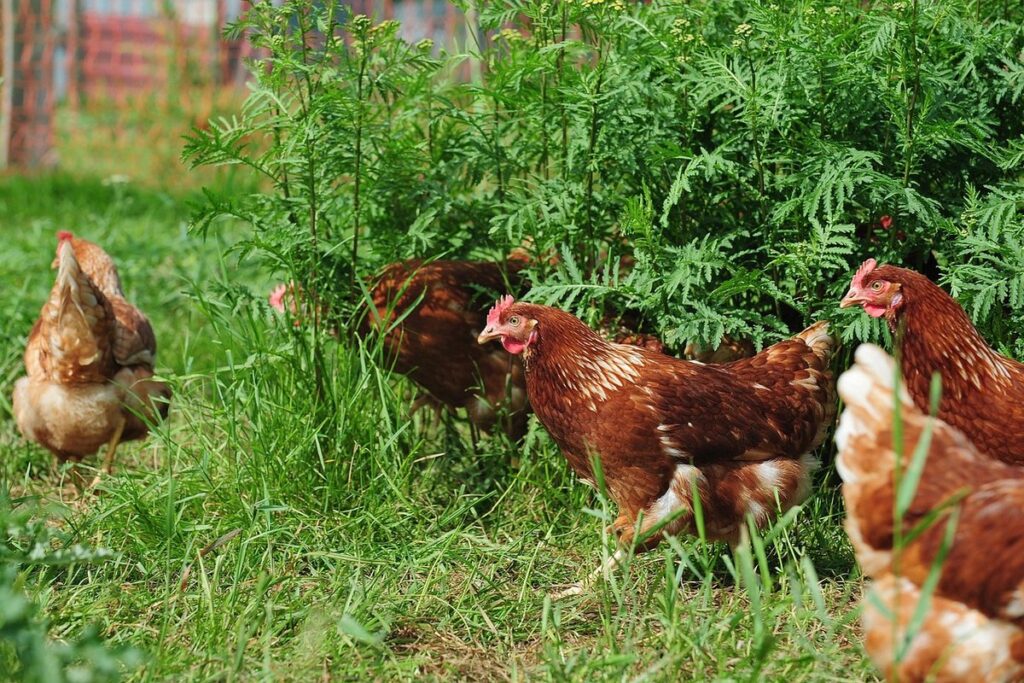
Understanding the Importance of Proper Drainage
Effective drainage is crucial for maintaining a healthy and safe environment for your chickens, which is why it’s essential to understand its importance in a chicken run. Let’s dive into the details of what proper drainage can achieve.
The Risks of Poor Drainage on Chicken Health
Poor drainage can have severe consequences on the health and well-being of your chickens. When water accumulates in the chicken run, it creates an ideal breeding ground for bacteria and fungi, which can lead to respiratory problems such as bronchitis and pneumonia. These conditions are not only painful but also life-threatening if left untreated.
Waterlogging can also cause foot infections, a common issue among backyard chicken keepers. When the ground is wet and soggy, it creates an environment where bacteria thrive, leading to infections in the birds’ feet. This can result in limping, swelling, and even lameness.
Chickens experience stress when they’re forced to wade through waterlogged areas or stand on wet ground for extended periods. This chronic stress can weaken their immune system, making them more susceptible to diseases and illnesses. To prevent these issues, it’s essential to ensure proper drainage in your chicken run. Regularly inspect the area to detect any signs of water accumulation and take corrective measures to address the issue promptly.
Common Challenges with Traditional Drainage Methods
When using traditional drainage methods for chicken runs, you may encounter common challenges that can have far-reaching consequences. For instance, clogged drains are a frequent problem. This can occur when debris such as feathers, dust, and dirt accumulates within the system. If not regularly maintained or cleaned, clogs can lead to water backup and overflow, creating an ideal breeding ground for disease-causing pathogens.
Another issue with traditional drainage methods is uneven terrain. Water may collect in low-lying areas of the run due to inadequate slope or poorly designed drains. This can result in standing puddles that not only encourage pest infestations but also pose a significant risk to chicken health. Moreover, uneven terrain can lead to muddy and slippery surfaces that negatively impact chicken behavior.
Chicken behavior can be affected by these drainage issues. Chickens may avoid areas with standing water or clogged drains, reducing their ability to engage in natural behaviors like foraging and exploring. Furthermore, prolonged exposure to wet conditions can compromise their overall well-being, making them more susceptible to respiratory problems and other health issues.
Designing an Efficient Chicken Run Drainage System
To create a reliable drainage system, you’ll need to consider the slope and flow rate of water, as well as the type of material used for the run’s surface.
Assessing Your Flock’s Needs and Space Requirements
When designing an efficient chicken run drainage system, it’s essential to assess your flock’s needs and space requirements. The size of your flock, breed, and age all play a significant role in determining the best layout for efficient drainage.
To determine the ideal layout, consider the following:
* A general rule of thumb is to provide at least 2-4 square feet per chicken inside the coop and 8-10 square feet in the run. However, this can vary depending on breed and climate.
* For example, chickens like Silkies require more space due to their compact feathers, while breeds like Leghorns need less room to roam.
* Age is also a crucial factor; younger chickens need more space to grow and move around than older hens.
To measure your chicken run accurately, walk the perimeter with a tape measure, taking note of any obstacles or features that may impact drainage. Consider factors such as slopes, curbs, and gutters when designing your system. A well-designed layout can help prevent waterlogging and reduce the risk of disease.
Choosing the Right Materials for Your Drainage System
When it comes to choosing the right materials for your drainage system, there are several options to consider. One popular choice is gravel, which allows water to flow freely and can be easily installed around the perimeter of the chicken run. However, keep in mind that gravel can shift over time, requiring periodic maintenance to ensure its effectiveness.
Another option is concrete, which provides a more permanent solution but can be costly to install. Concrete also requires regular cleaning to prevent buildup and maintain optimal drainage performance. Rubber matting is another viable alternative, offering excellent durability and resistance to wear and tear. It’s also relatively low-maintenance and can withstand heavy foot traffic.
When selecting materials for your drainage system, it’s essential to consider factors like durability, maintenance requirements, and cost-effectiveness. Assess the specific needs of your chicken run and climate conditions to determine which material will provide the best results. A combination of these materials may even be used in conjunction with one another to create an efficient and effective drainage system.
It’s also worth noting that some materials are more suitable for certain climates or regions. For example, rubber matting excels in areas with heavy rainfall, while gravel might be a better choice for drier environments. By carefully evaluating your specific situation and choosing the right materials, you can create an efficient and reliable drainage system for your chicken run.
Installing and Maintaining Your Chicken Run Drainage System
Now that you’ve set up your chicken run’s drainage system, it’s essential to install and maintain it properly to ensure efficient water flow and a healthy coop environment. In this next step, we’ll walk through the installation process in detail.
Key Components of an Effective Drainage System
A well-designed drainage system is crucial to keeping your chicken run dry and safe for your flock. At its core, a effective drainage system consists of several key components that work together seamlessly. First, the slope of the ground plays a critical role in directing water away from the chicken run. A gentle slope of about 1-2% ensures that rainwater flows smoothly towards the designated drainage area.
Next, channels or gutters are installed to collect and convey the water from the slope. These can be made from durable materials like plastic or metal, and should be designed to accommodate heavy rainfall events. Inlets, which are essentially points of entry for stormwater into the drainage system, should be strategically placed to maximize the flow of water.
These elements work together to create a cohesive drainage system that directs water away from the chicken run. For instance, imagine a scenario where a downspout from a nearby building is clogged, causing rainwater to accumulate near your coop. A well-designed drainage system would ensure that this excess water flows smoothly into the designated drainage area, preventing any potential flooding or contamination of food and water sources.
Tips for Regular Maintenance and Upkeep
Regular maintenance and upkeep are crucial to preventing issues with your chicken run drainage system. To keep your system functioning properly, schedule regular inspections to identify potential problems before they escalate into costly repairs or even necessitate a new installation.
Check for signs of wear and tear on pipes, fittings, and gutters during these inspections. Look for cracks, rust, or corrosion, which can compromise the integrity of your drainage system. Also, ensure that all connections are secure and not leaking water. Regularly clean out debris from gutters and downspouts to maintain optimal flow rates.
It’s also essential to address problems promptly when you notice them. For instance, if you notice a puddle forming near a pipe or an unusual odor emanating from your drainage system, don’t delay in fixing the issue. Delaying repairs can lead to further damage, such as mold growth, structural issues, or even pest infestations.
By incorporating regular maintenance and inspections into your chicken run management routine, you’ll be better equipped to prevent costly problems and ensure a safe and healthy environment for your flock.
Innovative Solutions for Drainage in Small-Scale Chicken Keeping
When it comes to small-scale chicken keeping, managing manure and waste can be a challenge. We’ll explore unique solutions to prevent waterlogging and keep your chickens healthy.
Alternative Methods for Smaller Flocks or Tight Spaces
For smaller flocks or those operating in tight spaces, traditional drainage methods may not be feasible. That’s where alternative solutions come into play. One such method is using French drains, which can be an effective way to manage water flow under the chicken run. These consist of a trench filled with gravel and a perforated pipe that directs water away from the area.
Another option for smaller flocks or urban settings is incorporating self-watering systems. These allow you to collect and reuse rainwater or graywater, which can be especially beneficial in areas with limited water resources. Self-watering systems work by storing excess water in a reservoir, which then seeps into the ground over time.
When implementing these solutions in tight spaces, consider the layout of your chicken run and the surrounding environment. For instance, you may need to position the French drain at an angle or use a smaller pipe to fit within a narrow area. In urban settings, ensure that your drainage solution complies with local regulations and won’t compromise neighboring properties.
Incorporating these alternative methods requires careful planning and consideration of your specific situation.
DIY Projects and Repurposing Materials for Drainage
When it comes to creating effective drainage channels for your chicken run, you don’t have to break the bank. One of the most creative and budget-friendly solutions is repurposing materials you might otherwise throw away. From old pipes to plastic containers, there are countless possibilities.
Take, for instance, a popular DIY project that involves using PVC pipes and fittings to create a gravity-fed drainage system. By placing the pipes at a slight angle, water flows effortlessly through the pipes and out of the chicken run, reducing the risk of puddles and mud. Another creative repurposing idea is to use an old plastic barrel as a mini-drainage reservoir. Simply attach it to a pipe that leads to a safe area outside, and you’ll have a clever solution for excess water.
When implementing such DIY projects, keep in mind that it’s essential to ensure proper slope and flow to prevent clogging. You can learn from community experiences by scouring online forums or joining local chicken-keeping groups. For example, one enthusiastic backyard farmer shared her success with a repurposed old sprinkler system, which not only provided efficient drainage but also helped keep the chicken run clean. By getting creative and thinking outside the box, you’ll save resources while ensuring your flock stays healthy and happy.
Best Practices for Regulating Water Flow and Reducing Waste
To ensure a healthy and safe chicken run, it’s essential to regulate water flow effectively and minimize waste. Let’s dive into some best practices for achieving this balance.
Designing Your System with Slope and Gradient in Mind
When designing your chicken run’s drainage system, it’s essential to incorporate slopes and gradients into your plan. This simple yet crucial aspect can make a significant difference in reducing water accumulation and improving flow. Think of it like this: imagine your chicken run as a tiny watershed – every inch of the surface area contributes to the overall water flow dynamics.
Calculating the correct slope is critical to ensure efficient drainage. A general rule of thumb is to aim for a 1-2% slope, which translates to about 1/8 to 1/4 inch of drop per foot of length. To put this into perspective, if your chicken run is 10 feet long, you’ll want to allow for at least a 1-inch drop in elevation from one end to the other.
To calculate the correct slope for your specific setup, consider measuring the height difference between different areas of your chicken run and using that data to determine the required slope.
Managing Manure and Waste Production in the Chicken Run
Minimizing manure buildup and promoting healthier soil conditions are crucial aspects of maintaining a clean and safe chicken run. Efficient waste management practices can significantly reduce odors, pests, and improve biodiversity. To minimize manure buildup, consider the following strategies:
Regularly remove soiled bedding material and replace it with fresh material to prevent ammonia buildup.
Implement a deep litter system where manure is mixed with dry bedding materials like wood shavings or straw, reducing odors and moisture levels.
Use mulch or composting methods to break down manure, creating nutrient-rich soil amendments.
Create a manure collection area with sloping surfaces and efficient drainage systems to facilitate easy removal.
By adopting these waste management practices, you can enjoy numerous benefits, including:
Reduced ammonia emissions, which contribute to air pollution
Fewer pests like rodents, flies, and beetles that thrive in moist environments
Increased biodiversity as decomposing manure supports microorganisms and beneficial insects
Remember, a well-designed waste management system not only improves the health and safety of your chicken run but also contributes to a cleaner environment.
Frequently Asked Questions
How can I ensure my chicken run’s drainage system is functioning properly after installation?
Regularly inspect your drainage system for any blockages or damage, making sure water flows freely through the channels. Also, check the slope and gradient of your system to ensure it’s directing water away from the chicken coop.
What are some common mistakes to avoid when designing a drainage system for my small-scale chicken keeping operation?
Avoid underestimating the amount of space you need for efficient drainage. Don’t use materials that will clog easily, such as smooth-surfaced pipes. Consider your flock’s size and age when planning your drainage system, ensuring it can handle waste production.
Can I use recycled materials in my chicken run’s drainage system?
Yes, recycled materials like plastic barrels or old gutters can be repurposed for your drainage system. Just make sure to clean them thoroughly before using them and ensure they’re properly connected to prevent leaks.
How often should I maintain and inspect my chicken run’s drainage system?
Regular maintenance is crucial to preventing waterlogging and ensuring the health of your flock. Inspect your drainage system at least once a week, especially after heavy rainfall or when you notice signs of water accumulation.
What are some innovative solutions for managing manure and waste production in small-scale chicken keeping operations?
Consider using composting toilets or manure management systems specifically designed for small flocks. These can be integrated into your existing drainage system to reduce waste buildup and create a more efficient, self-sustaining operation.