
Heritage turkey breeds are a treasure trove of culinary history, each with its own unique characteristics and traditional uses. If you’re looking to elevate your cooking skills or simply want to learn about the fascinating world of turkeys, you’ve come to the right place. These breeds have been around for centuries, prized for their rich flavors, tender textures, and impressive presentation. But did you know that many heritage turkey breeds are facing extinction due to modernization and industrial farming practices? In this article, we’ll delve into the world of heritage turkeys, exploring their historical significance, conservation efforts, and how they can be incorporated into your kitchen with traditional cooking methods. Get ready to discover the rich diversity of these incredible birds!
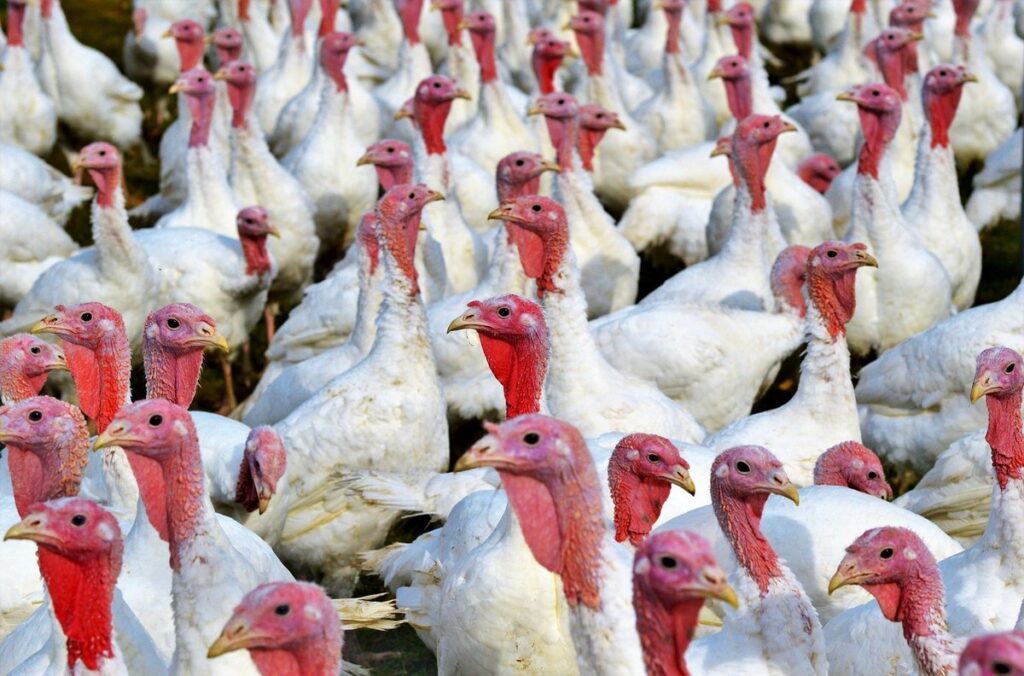
Introduction to Heritage Turkey Breeds
Let’s dive into the fascinating world of heritage turkey breeds, where you’ll discover their unique characteristics and rich history. We’re starting from scratch, exploring each breed’s distinct traits.
The Importance of Preserving Biodiversity in Poultry
Preserving heritage turkey breeds is not only essential for maintaining our culinary traditions but also crucial for preserving biodiversity in poultry. By saving these breeds, we safeguard the genetic diversity that makes them unique and resilient. Heritage turkey breeds have been developed over centuries through careful selection by farmers and breeders, resulting in distinct characteristics such as plumage color, feather texture, growth rate, and egg-laying abilities.
Each heritage breed contributes to the rich tapestry of poultry genetics, providing a safeguard against disease outbreaks and environmental changes. By breeding only a few commercial turkey strains, we risk losing this genetic diversity and leaving our poultry populations vulnerable to extinction. For instance, the Bourbon Red and Narragansett breeds are known for their ability to thrive in harsh environments and resist diseases, traits that could be lost if these breeds disappear.
To preserve heritage turkey breeds, consider supporting local farmers who raise them or learn how to breed your own flock. This not only ensures the continuation of these unique breeds but also provides a sustainable source of protein and helps maintain agricultural biodiversity.
Defining Heritage Turkey Breeds
So, what exactly defines a heritage turkey breed? For starters, these birds are known for their slow growth rate compared to commercial breeds. This means they may not reach maturity as quickly, but the wait is well worth it for their exceptional flavor and rich texture.
Heritage turkeys also boast unique appearances that set them apart from their more uniform counterparts. Think iridescent feathers, bronze-tinted skin, and a rugged, rustic charm that’s hard to resist. And let’s not forget about their exceptional foraging abilities – these birds are natural scavengers, able to thrive on a diet of insects, grasses, and other foraged foods.
When it comes to flavor, heritage turkeys have a reputation for being the gold standard. Their rich, complex taste is often described as “gamey” or “wild,” and is due in part to their ability to roam freely outdoors. This, combined with their slow growth rate and unique genetics, makes them a true delicacy for those who appreciate the finer things in life.
To give heritage turkeys their best shot at thriving on your farm or homestead, it’s essential to provide them with plenty of space to roam and forage. This might involve creating a specialized turkey pasture or incorporating foraging activities into their daily routine.
Historical Significance of Heritage Turkey Breeds
Heritage turkey breeds have played a vital role in shaping America’s agricultural history, and their significance extends far beyond their modern-day uses.
These iconic birds have contributed to the country’s culinary heritage, cultural identity, and even its economic growth.
Early History of Domesticated Turkeys
The early history of domesticated turkeys is a fascinating tale that spans thousands of years. These magnificent birds originated in Mexico and Central America, where the ancient Mayans and Aztecs prized them for their succulent meat and impressive plumage. In fact, the modern-day turkey’s ancestors were first domesticated around 2000 BC by the Olmec civilization, who cultivated them for both food and ceremonial purposes.
As the great civilizations of Mesoamerica flourished, so did the domestication of turkeys. The Aztecs, in particular, considered turkeys a sacred animal, using their feathers in rituals and ceremonies to appease their gods. This reverence is still reflected in the rich plumage of heritage turkey breeds today, with some varieties boasting iridescent sheens that shimmer like jewels in the light.
Despite the devastating impact of the Spanish conquest on Mesoamerican cultures, domesticated turkeys managed to spread throughout the Americas, where they were prized by European colonizers for their succulent meat and versatility. As we’ll explore later in this series, heritage turkey breeds have been developed over centuries through careful selection and breeding, resulting in the incredible diversity of traits and characteristics that make them so beloved today.
Development of Heritage Turkey Breeds in the United States
The development of heritage turkey breeds in the United States is a fascinating story that spans centuries and continents. As European settlers arrived on American shores, they brought with them their own poultry traditions and breeds. The influence of these European breeds can still be seen today in many of our modern heritage turkey breeds.
For example, the Narragansett Turkey, one of the oldest and rarest heritage breeds, was developed from birds brought over by early English settlers. Similarly, the Bourbon Red Turkey breed has its roots in France and was introduced to the United States by French immigrants. The cross-breeding of these European breeds with native American turkeys resulted in unique characteristics that set our heritage turkey breeds apart.
As a result, today’s heritage turkey breeds are a testament to the country’s rich agricultural history and cultural diversity. Whether you’re looking to raise your own flock or simply appreciate the beauty of these birds, understanding their development is essential to appreciating their value as living pieces of history.
Characteristics of Heritage Turkey Breeds
Heritage turkey breeds are known for their unique characteristics, which often include striking plumage patterns, unusual size, and remarkable egg-laying abilities. Let’s take a closer look at these fascinating traits.
Size and Growth Rate
When it comes to size and growth rate, heritage turkey breeds tend to differ significantly from their commercial counterparts. On average, a heritage breed tom can weigh anywhere from 15-24 pounds (6.8-10.9 kg), with some varieties reaching upwards of 30 pounds (13.6 kg) or more. In contrast, commercial breeds typically top out at around 12-14 pounds (5.4-6.3 kg).
One key factor contributing to this size difference is the emphasis on efficiency and rapid growth in commercial breeding programs. These birds are often bred to mature quickly, which can lead to a range of health issues down the line. Heritage breeds, on the other hand, are valued for their slower and more natural growth rate, which allows them to develop a stronger immune system and more complex flavor profile.
For those looking to raise heritage turkeys, it’s essential to understand that these birds require a bit more time and patience. With proper care and management, however, you can expect your heritage turkeys to reach maturity in around 18-24 weeks, rather than the 12-14 weeks typical of commercial breeds.
Egg-Laying Ability and Broodiness
When it comes to egg-laying ability and broodiness, heritage turkey breeds exhibit distinct characteristics that set them apart from commercial varieties. For instance, some heritage breeds are prolific layers, producing 100-150 eggs per year, while others may lay only around 40-50 eggs annually. The Narragansett breed is known for its high egg production, with some hens laying as many as 160 eggs in a year.
On the other hand, broodiness – the tendency to incubate and care for their own eggs – varies widely among heritage breeds. Some breeds, like the Bourbon Red and the Royal Palm, are known to be very broody, while others may not exhibit this trait at all. The White Holland breed is a notable example of a breed that can be quite broody, often refusing to leave their nest for extended periods.
If you’re considering keeping heritage turkeys as pets or for egg production, understanding their unique characteristics is essential. By choosing breeds that suit your needs and lifestyle, you’ll be better equipped to provide the care and attention they require. Researching specific breed traits can help ensure a harmonious relationship between you and your feathered friends.
Feather Quality and Color
When it comes to heritage turkey breeds, their unique feather quality and coloration are truly striking. Take the Broad-Breasted White, for example – its snow-white feathers with a slight sheen are not only visually stunning but also a testament to the breed’s rich history and selective breeding practices.
But what exactly makes heritage turkey breeds’ feathers so remarkable? One key factor is their unique feather structure, which often features longer, more delicate quills that give them a softer appearance. This can be attributed in part to their heritage as show birds, bred for their impressive plumage rather than meat production.
In terms of coloration, heritage turkeys boast an incredible array of hues and patterns. From the iridescent blues and greens of the Narragansett to the rich browns of the Slate, each breed has its own distinct visual identity. When choosing a heritage turkey for your flock or home, consider how their feather quality and color will enhance – or even dictate – your overall presentation and show schedule.
In terms of practicality, heritage turkeys’ unique feathers often require more maintenance than commercial breeds. Regular brushing and grooming can help prevent matting and keep the bird’s plumage in top condition.
Conservation Efforts for Heritage Turkey Breeds
To help preserve these remarkable breeds, we’ll delve into the crucial conservation efforts underway to protect and promote heritage turkey breeds around the world. From breeding programs to habitat preservation, learn how you can get involved.
Threats to Heritage Turkey Breed Populations
Heritage turkey breed populations face numerous threats that could potentially lead to their extinction. One of the most significant challenges is habitat loss due to urbanization and agriculture expansion. As natural habitats are destroyed, heritage breeds lose their traditional living spaces, making it difficult for them to thrive.
Disease is another major threat to these birds. Heritage turkeys often lack immunity to diseases common in commercial turkey populations, making them more susceptible to outbreaks. When a disease strikes, the impact can be devastating, wiping out entire flocks and leaving breeders with limited options to rebuild.
Cross-breeding with commercial breeds also poses a significant risk. This practice not only erodes genetic diversity but also compromises the unique characteristics of heritage breeds. Commercial breeds are often bred for their rapid growth rate, high egg production, or enhanced meat quality, which can alter the morphology and behavior of heritage birds.
Organizations Working to Preserve Heritage Turkey Breeds
Several organizations are dedicated to preserving heritage turkey breeds through breeding programs and genetic diversity conservation efforts. The Heritage Turkey Foundation is one such organization that works closely with farmers and breeders to promote the development of heritage turkey breeds. They establish guidelines for breed standards, provide educational resources, and facilitate networking opportunities among enthusiasts.
Another notable effort comes from the Livestock Conservancy, which has recognized several heritage turkey breeds as being at risk or critical due to declining populations. To combat this trend, they collaborate with farmers, researchers, and other stakeholders to develop conservation breeding programs tailored to each breed’s specific needs. This approach helps maintain genetic diversity while also promoting the preservation of unique characteristics.
One successful example is the Bourbon Red Turkey breed, which has seen a significant increase in numbers thanks to concerted conservation efforts by breeders and organizations alike. These collaborative initiatives provide valuable lessons for those seeking to contribute to heritage turkey breed preservation. By supporting conservation breeding programs or joining organizations dedicated to this cause, individuals can help safeguard these unique birds’ existence for generations to come.
Cooking and Preparing Heritage Turkeys
When cooking heritage turkeys, it’s essential to consider their unique characteristics and handling needs to ensure a delicious and stress-free holiday meal. Learn how to prepare these special birds for your table.
Traditional Cooking Methods for Heritage Turkeys
When cooking heritage turkeys, many chefs and home cooks prefer to use traditional methods that bring out the unique flavors and textures of these special birds. One popular method is roasting, which involves placing the turkey in a hot oven to cook evenly throughout. To achieve optimal results, it’s essential to rub the bird with a mixture of herbs, spices, and oils before cooking, allowing the flavors to penetrate deep into the meat.
Smoking heritage turkeys over low heat for several hours can also produce incredible results. This method not only tenderizes the meat but also infuses it with a rich, savory flavor that’s sure to impress family and friends. If you’re new to smoking meats, consider using a charcoal or gas smoker with a temperature control feature to ensure consistent temperatures throughout the cooking process.
For those who prefer a grilled turkey, direct heat can help create a beautiful golden-brown skin while locking in juices. Simply season the bird as desired, place it over medium-high heat, and cook until the internal temperature reaches 165°F (74°C). To prevent drying out, baste the turkey with melted butter or oil every 30 minutes during cooking.
Regardless of the method you choose, always remember to let your heritage turkey rest for at least 20-30 minutes before carving. This allows the juices to redistribute, ensuring a tender and flavorful final product that’s sure to delight even the most discerning palates.
Enhancing the Flavor and Texture of Heritage Turkey
When cooking heritage turkeys, many home cooks find that they can be more challenging to prepare than their commercial counterparts. However, with a few simple techniques, you can enhance the flavor and texture of these magnificent birds.
One key step is brining – soaking the turkey in a saltwater solution before cooking. This helps to lock in moisture and add flavor. You can also use a marinade or rub to infuse your heritage turkey with herbs and spices. For example, a mixture of olive oil, garlic, and thyme pairs particularly well with the rich flavor of Broad-Breasted White turkeys.
Spice blends are another great way to enhance the flavor of your heritage turkey. Try using a combination of paprika, cumin, and coriander for a smoky, earthy taste that complements the gamey undertones found in some breeds like Narragansett or Slate. Remember to always season generously, as the dense meat of heritage turkeys can be more forgiving than commercial varieties.
By incorporating these techniques into your cooking routine, you’ll find that your heritage turkey is transformed from a tough, bland bird into a truly unforgettable culinary experience.
Where to Find and Purchase Heritage Turkey Breeds
If you’re looking to bring home a heritage turkey breed, finding reputable sources can be challenging. We’ll guide you through trusted suppliers and markets where you can purchase these unique birds.
Local Farms and Breeders
If you’re interested in purchasing heritage turkey breeds, one of the best ways to do so is by connecting with local farms and breeders who specialize in raising these unique birds. To find local sources, start by searching online for “heritage turkey breeders near me” or check websites like Local Harvest or American Poultry Association’s Breeder Directory.
You can also reach out to local farmers’ markets, farm-to-table restaurants, or specialty food stores that feature artisanal meats and ask if they know of any local farms breeding heritage turkeys. Additionally, consider attending poultry shows or events in your area, where you can network with breeders and learn about their operations.
When purchasing from a local farm, be sure to ask questions about the birds’ ancestry, living conditions, and health status. This will help ensure that you’re getting a genuine heritage turkey breed with the characteristics and traits you’re looking for. Building relationships with local farms and breeders not only supports your community but also helps preserve the rich genetic diversity of these incredible bird breeds.
Online Resources for Heritage Turkey Breeders
For heritage turkey breeders looking to find and purchase rare breeds, online resources are a treasure trove of information and opportunities. One excellent place to start is with the National Turkey Federation’s (NTF) Heritage Turkey Program, which provides a comprehensive directory of heritage turkey breeders and suppliers across the United States.
The American Poultry Association (APA) is another valuable resource for heritage turkey enthusiasts. Their website features a breeder directory that allows you to search for specific breeds or regions, making it easier to connect with reputable breeders.
Online marketplaces like Craigslist or local online classifieds can also be useful in finding heritage turkey breeders. However, exercise caution when purchasing from individual sellers and ensure you research the seller thoroughly before making a purchase.
When shopping for heritage turkeys online, remember to ask about the bird’s ancestry, health guarantees, and return policies. Look for breeders who are registered with reputable organizations like the NTF or APA, as this ensures they meet certain standards of quality and integrity.
Frequently Asked Questions
Can I start raising heritage turkeys on a small scale, such as in my backyard?
Yes, you can raise heritage turkeys on a small scale. Many breeders offer starter kits or individual birds for sale to hobbyists and homesteaders. Start by researching local regulations regarding backyard chicken-keeping and choosing a breed that’s well-suited to your climate and available space.
How do I ensure the health and well-being of my heritage turkey flock?
Provide plenty of fresh water, feed, and shelter for your birds. Regularly inspect their living quarters, fencing, and roosting bars to prevent injury or escape. Monitor their behavior and consult with a veterinarian if you notice any signs of illness or stress.
Are there heritage turkey breeds that are better suited for specific climates or regions?
Yes, certain heritage turkey breeds are more tolerant of heat, cold, or wet conditions than others. Research the breed’s origins and adaptability to ensure it thrives in your local climate. For example, the Narragansett breed is known for its hardiness in colder climates.
Can I cross-breed heritage turkeys with commercial breeds?
No, cross-breeding heritage turkeys with commercial breeds can compromise their unique characteristics and genetic diversity. Heritage turkey breeders prioritize preserving the integrity of these traditional lines to ensure their continued viability.
How do I know which heritage turkey breed is right for my farm or homestead?
Consider factors like your available space, climate, and desired production levels when selecting a heritage turkey breed. Research each breed’s characteristics, such as egg-laying ability, growth rate, and feather quality, to determine which one best fits your needs and goals.