
As a duck breeder or owner, you want to ensure that your adorable ducklings grow up happy and healthy. But have you given much thought to their water safety? It’s an often-overlooked aspect of raising ducks, but it’s crucial for their development and overall well-being. From birth to maturity, ducklings need access to clean, safe water to swim in and drink from. However, if not properly managed, water can become a breeding ground for bacteria and diseases that can harm your feathered friends. In this comprehensive guide, we’ll delve into the essential tips and precautions you need to know about water safety for ducklings, covering everything from development and sanitation to handling and environmental factors to create a safe and healthy environment for them to thrive in.
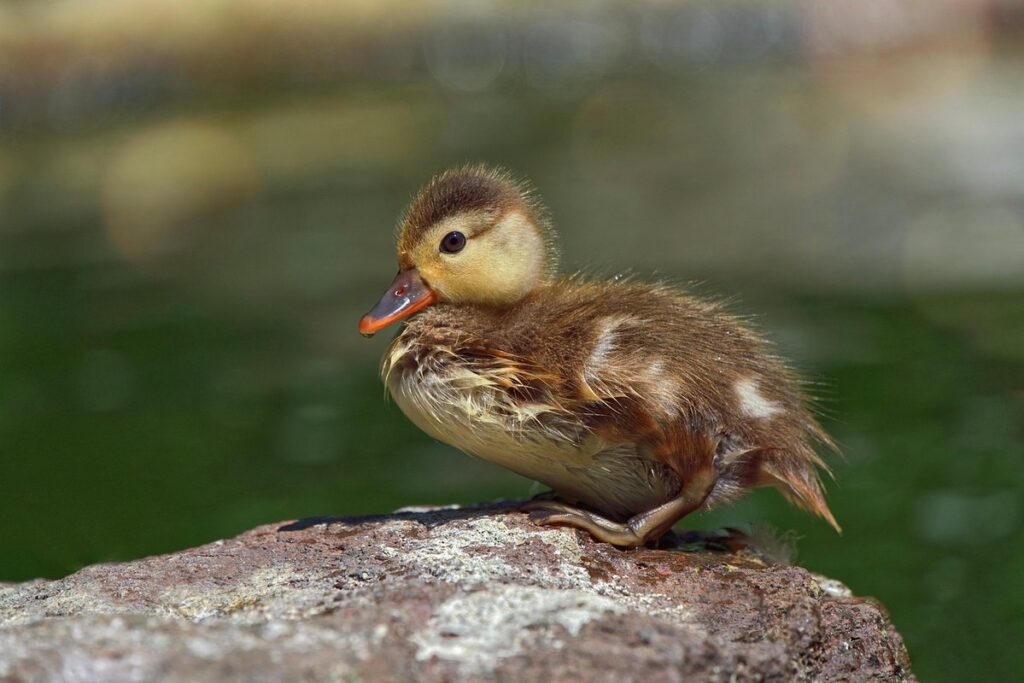
Understanding Duckling Development and Water Adaptation
When it comes to ducklings, their early stages of development are crucial in determining their ability to adapt to water safely. Let’s take a closer look at how ducklings grow and what that means for their water safety needs.
The Importance of Emergence in Waterfowl
Emerging from their shells is a critical stage in duckling development. During this time, they transition from a protected environment to one that’s full of unknowns and challenges. It’s essential to understand the importance of this process for several reasons.
Firstly, emerging from the shell allows ducklings to begin adapting to water, which is where their survival depends. Waterfowl are meant to be aquatic animals, and learning to swim, dive, and navigate through water is crucial for their growth and development. However, this initial exposure can also pose a risk if not done correctly.
One of the most significant challenges ducklings face during emergence is adjusting to their new surroundings. The transition from the womb-like environment to an open space with predators, strong currents, and other hazards can be overwhelming. That’s why it’s vital for breeders or caregivers to provide a safe and controlled environment for this process to take place.
Some normal behaviors you might observe during this time include fumbling around on land before finally taking their first dips into the water, and initially shying away from strong currents or depths. As ducklings grow and adapt, they’ll eventually become more confident in their ability to navigate through water.
To ensure a smooth transition, it’s crucial to monitor your ducklings closely during this critical stage. Provide them with a gradual introduction to the water, starting with shallow pools or containers that allow them to get accustomed to its texture, temperature, and buoyancy. Make sure the water is free from hazards like sharp rocks, strong currents, or other animals that might pose a threat.
Keep in mind that ducklings will often mimic their mother’s behavior when it comes to water adaptation. So, if you’re hand-raising them, ensure they have a role model to follow and learn from.
Recognizing Signs of Stress or Distress in Ducklings
Recognizing signs of stress or distress in ducklings is crucial when introducing them to water. Keep an eye out for unusual behaviors such as swimming away from the mother or siblings, hiding excessively under vegetation, or avoiding the water altogether. These reactions could indicate discomfort or anxiety.
Physical changes can also signal that a duckling is experiencing stress. Look for labored breathing, lethargy, or ruffled feathers. In severe cases, you might notice the duckling’s eyes becoming sunken or its beak turning pale. These signs should prompt immediate attention and action to ensure the duckling’s well-being.
If you observe any of these indicators, carefully inspect your water setup for potential hazards like strong currents, inadequate depth, or poor water quality. Make adjustments as needed to create a safe environment that promotes confidence in swimming and reduces stress levels. Regular monitoring and gentle guidance can also help your ducklings feel more at ease around water.
Safety Precautions for Newborn Ducklings
When introducing newborn ducklings to water, safety should be your top priority. It’s essential to understand that ducklings are not naturally equipped to regulate their body temperature, which makes them prone to hypothermia when exposed to cold water.
To ensure a safe transition into the water, maintain the temperature at around 80-90°F (27-32°C) for the first few days. This will allow your ducklings to gradually acclimate to the water without shocking their system. As they become more comfortable in the water, you can gradually lower the temperature.
It’s also crucial to monitor your ducklings’ behavior and health closely during this time. Watch for signs of distress or lethargy, such as labored breathing or reluctance to swim. Ensure that the pool is free from potential hazards like sharp objects, strong currents, or deep water areas that may pose a drowning risk.
Gradual exposure is key when introducing ducklings to the water. Start by allowing them access to shallow pools or containers filled with lukewarm water for short periods each day. Gradually increase their swimming time as they become more confident in the water.
Water Quality and Sanitation for Healthy Ducklings
Providing clean water and maintaining good sanitation is crucial to keeping your ducklings healthy, so let’s dive into the importance of water quality and sanitation.
Common Waterborne Diseases and Parasites in Ducks
When it comes to duckling water safety, one of the most critical factors to consider is the risk of common waterborne diseases and parasites. These health issues can arise from contaminated water sources, posing a significant threat to the well-being of your feathered friends.
Bacterial infections such as E. coli and Salmonella are a particular concern for ducklings. These bacteria can cause diarrhea, vomiting, and even life-threatening illnesses if left untreated. Regular testing of water quality is essential to prevent outbreaks. You can collect water samples and send them to a lab for analysis to identify any potential contaminants.
Parasites like Giardia and Cryptosporidium can also contaminate duckling water, leading to intestinal problems and weight loss. To prevent infestations, ensure that your ducklings’ water is changed regularly, and store it in clean containers. You should also maintain good sanitation practices around the coop and run, including disinfecting equipment and removing waste promptly.
By understanding these common health issues and taking preventative measures, you can help keep your ducklings safe and healthy.
Maintaining Clean Water Sources: Tips and Tricks
Maintaining clean water sources is crucial for the health and well-being of ducklings. A dirty water source can lead to water-borne diseases, bacterial infections, and even death. To ensure a safe and healthy environment for your feathered friends, it’s essential to establish a regular cleaning schedule. Set aside time each day or week to scrub the waterer with a gentle brush, removing any debris, algae, or bacteria buildup.
Use proper equipment like a water conditioner or filter to remove impurities and chlorine from the water. Regularly monitor water quality indicators such as pH levels, ammonia, and nitrite concentrations using test kits. This will help you identify potential issues before they become severe problems. For example, if the pH level is too low, it can cause respiratory problems in ducklings.
By following these tips and staying vigilant about water quality, you’ll be able to provide a safe and clean environment for your ducklings to thrive. Remember, a happy and healthy duckling is one that has access to fresh, clean water at all times!
The Role of Chlorination in Duckling Water Safety
Chlorination is a crucial step in ensuring safe drinking water for ducklings. It’s essential to use chlorine as it effectively kills bacteria, viruses, and other pathogens that can be present in water sources. There are two main types of chlorine commonly used: sodium hypochlorite (liquid bleach) and calcium hypochlorite (clorine tablets or granules). Sodium hypochlorite is more convenient and easier to measure, but it can leave a strong smell behind. Calcium hypochlorite, on the other hand, has a slower release rate and requires less frequent dosing.
When adding chlorine to duckling water, follow these general guidelines: 1-2% solution for small pools (less than 100 gallons) and 0.5-1% solution for larger pools (over 100 gallons). Start with the lower end of this range and adjust according to your ducklings’ size and pool size. Monitor the water closely, as over-chlorination can harm your ducklings. Always mix chlorine in a separate container before adding it to the water to avoid splashing or spills.
Regular testing is also crucial; test for pH levels, alkalinity, and ammonia every day during the first week after chlorination.
Duckling Handling and Socialization for Water Confidence
To help your ducklings feel comfortable and confident around water, it’s essential to handle them gently and introduce them to water gradually. This socialization process is crucial for their future swimming ability.
Introducing Ducklings to Human Interaction: A Gentle Approach
Socializing ducklings with humans is an essential part of helping them become confident and relaxed around water. It’s crucial to establish trust from an early age to ensure they feel comfortable interacting with you and, eventually, swimming. Start by getting down to their level, speaking softly, and allowing them to approach at their own pace.
Handling techniques are also vital for building trust. Hold the ducklings securely but gently, supporting their bodies and making sure not to constrict their movement. You can start with short sessions of 5-10 minutes, gradually increasing the time as they become more comfortable. It’s essential to move slowly and calmly around them, avoiding sudden movements that might startle them.
Create a stress-free environment by providing a safe space for your ducklings to explore and interact with you. Ensure their enclosure is well-ventilated, clean, and free from potential hazards. Provide hiding places like boxes or plants to help them feel secure. By following these steps, you’ll be helping your ducklings become confident and relaxed around humans, setting the stage for a lifetime of water confidence and enjoyment.
Teaching Ducklings to Swim Safely: Tips and Drills
When teaching ducklings to swim safely, it’s essential to approach this process gradually and with positive reinforcement. Start by introducing them to water at a young age, but not before they’re fully feathered and able to regulate their body temperature.
Begin by placing the duckling’s feet in shallow water or a kiddie pool, allowing them to get accustomed to the sensation without being submerged completely. As they become more comfortable, you can gradually increase the water level while still keeping it at a safe depth.
Positive reinforcement is key in this process. Reward your ducklings with treats and praise when they swim confidently, even if it’s just for short distances. This will help build their confidence and encourage them to continue practicing.
To further enhance their swimming skills, incorporate water acclimation exercises into your daily routine. For example, place a few feet of water in front of the duckling’s enclosure or pool area, allowing them to wade through it at their own pace.
Environmental Factors Affecting Water Safety for Ducklings
When introducing ducklings to water, it’s essential to consider various environmental factors that can impact their safety and overall well-being. This includes everything from water quality to surrounding hazards.
Outdoor vs. Indoor Housing: Implications for Water Safety
When it comes to providing a safe environment for ducklings, one crucial decision is whether to keep them indoors or outdoors. While both options have their pros and cons, understanding the implications of each choice can help you make an informed decision.
Keeping ducks outdoors allows them to engage in natural behaviors like foraging and swimming. However, this also exposes them to potential predators like foxes, coyotes, and hawks. You’ll need to take measures such as installing fencing around their enclosure or introducing a guard animal to protect your ducklings. Moreover, outdoor environments can be harsh during extreme weather conditions – heatwaves can lead to dehydration, while heavy rainfall can make the ground slippery.
On the other hand, keeping ducks indoors shields them from predators and harsh weather but may increase the risk of disease transmission due to close living quarters. Indoor enclosures must be well-ventilated and maintained at a comfortable temperature to prevent respiratory issues.
Ultimately, if you decide on an outdoor setup, ensure it’s secure and predator-proof, and take extra precautions during extreme weather conditions. If you opt for indoor housing, prioritize cleanliness and ventilation to keep your ducklings healthy.
Common Hazards to Be Aware of in Your Duckling’s Environment
As you work towards creating a safe environment for your ducklings, it’s essential to be aware of the potential hazards that may pose a threat to their well-being. Extreme temperatures can be particularly hazardous for young ducks. Direct sunlight or exposure to cold drafts can lead to heat stress or hypothermia. To mitigate this risk, ensure their enclosure is partially shaded and consider using a thermometer to monitor temperature fluctuations.
Toxic substances, such as pesticides, cleaning agents, and heavy metals, can also harm your ducklings if ingested through contaminated water or food. Regularly inspect the area surrounding their enclosure for any potential sources of toxicity, and take steps to eliminate them. In addition to toxins, natural predators like raccoons, foxes, and coyotes may pose a threat to your ducklings. Consider installing a secure fence around their enclosure, at least 3 feet high, to prevent predator entry.
In case of an emergency, have a plan in place for responding to potential hazards. Keep a first aid kit nearby and know what actions to take if you suspect heat stress or poisoning.
Managing Water Safety Risks During Inclement Weather
When inclement weather hits, it’s crucial to ensure your ducklings’ water safety by minimizing risks associated with strong winds, heavy rain, and lightning. We’ll walk you through simple precautions to keep them safe.
Preparing for Severe Weather Conditions: A Checklist
As a duckling parent, it’s essential to be prepared for severe weather conditions that can impact water safety. Severe storms and droughts can pose significant risks to your feathered friends’ health and well-being.
Before the storm hits, ensure you have a reliable emergency plan in place. Regularly inspect your pond’s equipment to prevent any malfunctions during extreme weather. This includes checking pumps, filters, and generators for proper function. Consider investing in backup systems or portable power sources to maintain water circulation and quality. For example, a portable pump can help keep the water level stable and prevent it from becoming stagnant.
In case of severe droughts, adapt your duckling’s water intake schedule accordingly. Provide them with adequate shelter and shade to protect them from heat stress. Consider installing a misting system or sprinklers to maintain a comfortable temperature. During extreme weather events, monitor the water quality closely and be prepared for potential contamination risks. By being proactive and prepared, you can ensure your ducklings stay safe and healthy even during severe weather conditions.
Navigating Power Outages and Electrical Hazards
When power outages occur during inclement weather, it’s essential to be aware of potential electrical hazards near water sources. Water and electricity don’t mix, so it’s crucial to take precautions to prevent accidents that could harm your ducklings.
Electrical equipment, such as pumps, filters, or heaters, should always be installed at least 10 feet away from the water source, and ensure they are designed for outdoor use and waterproof. Regularly inspect these devices to prevent damage from weather conditions.
If you’re using a generator, keep it at least 20 feet away from any water sources, and follow the manufacturer’s instructions carefully. Never place a generator near a pond or pool.
When setting up your duckling enclosure, avoid placing it near power lines or electrical wiring. Consider installing GFCI (Ground Fault Circuit Interrupter) outlets in areas where you’ll be using electrical equipment.
If an accident were to occur, and your ducklings come into contact with water that’s been electrified by a downed power line or faulty equipment, stay calm and act quickly. Move them to safety immediately and seek veterinary care if necessary.
Conclusion: Prioritizing Duckling Water Safety in Your Care Routine
As you’ve learned throughout this post, prioritizing duckling water safety is crucial for their overall health and well-being. Now that you’re equipped with essential tips and precautions, it’s time to incorporate them into your care routine. Make sure to regularly inspect the pool or enclosure for any potential hazards, such as sharp objects or strong currents. Ensure the water temperature is within a safe range for ducklings, typically between 80°F and 90°F (27°C and 32°C). You can also set up a shallow area with soft flooring for ducklings to waddle around without being submerged in deep water.
Regularly monitoring and adapting your care routine will help prevent accidents and ensure your feathered friends stay happy and healthy. By prioritizing their safety, you’ll be creating a safe and nurturing environment for them to thrive.
Frequently Asked Questions
How Do I Monitor Water Quality Regularly to Prevent Diseases?
Monitoring water quality is an ongoing process that requires regular checks for parameters like pH, temperature, and bacterial counts. You can invest in a water testing kit or work with a local veterinarian to establish a monitoring schedule tailored to your duckling’s needs.
What Are the Most Common Hazards I Should Be Aware of When Maintaining Clean Water Sources?
Common hazards include contamination from nearby animals, chemical spills, and poor drainage. Regularly inspecting water sources, using barriers like fencing or netting, and keeping chemical supplies out of reach can help mitigate these risks.
Can I Use Chlorine Tablets to Sanitize Duckling Water Directly?
While chlorine tablets are effective against many bacteria, they’re not always the best solution for ducklings’ sensitive eyes and skin. Consider consulting with a veterinarian before adding any sanitizing agents to their water, as they may recommend alternative methods or concentrations.
How Can I Gradually Introduce My Ducklings to Swimming in Larger Ponds?
To avoid stressing your ducklings, introduce them to larger ponds gradually by starting in shallow areas and slowly increasing water depth. Observe their behavior closely, and provide a safe escape route if needed.