
Winter is here, and with it comes the challenge of keeping your feathered friends happy and healthy. If you’re a duck owner, you know how crucial it is to provide them with the right care during this time. But what does that entail? A well-cared-for duck needs proper nutrition, a warm shelter, managed water quality, and regular health checks to avoid common winter illnesses. Our guide on ducks in winter care will walk you through the essential steps to ensure your beloved birds thrive until spring arrives. From dietary adjustments to winter-proofing their living space, we’ll cover it all – providing expert advice on nutrition, shelter, water management, and health to give you peace of mind this season.
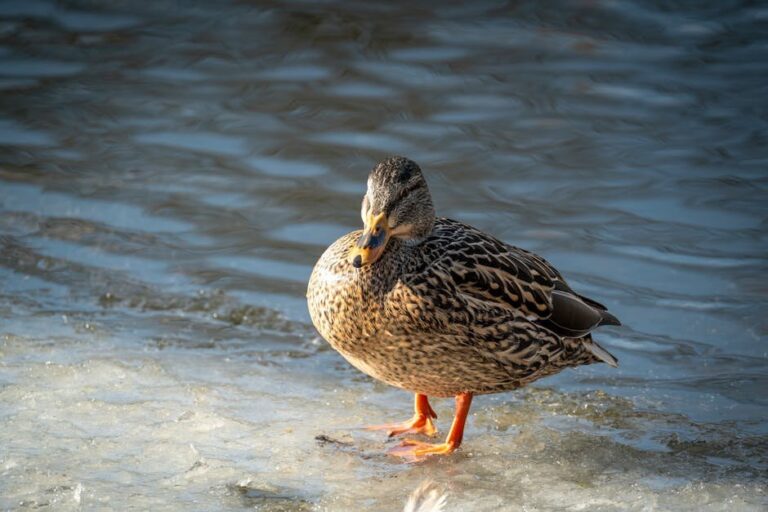
Understanding Duck Behavior in Cold Weather
When it comes to cold weather, understanding your ducks’ behavior is crucial for ensuring their comfort and well-being. Let’s dive into what to expect from your feathered friends during this time.
Factors to Consider When Caring for Ducks in Winter
As winter sets in, ducks undergo significant changes that affect their behavior, health, and well-being. Temperature fluctuations, daylight hours, and humidity levels all play a crucial role in shaping the way your feathered friends adapt to the cold weather.
Temperature changes are particularly challenging for ducks, as they struggle to regulate their body temperature in extreme conditions. When temperatures drop below 40°F (4°C), ducks may slow down their metabolism to conserve energy, which can lead to lethargy and decreased appetite. To mitigate this effect, provide your ducks with a warm shelter or enclosure that shields them from harsh winds and cold drafts.
As daylight hours decrease, ducks may become more inactive, relying on stored fat reserves for sustenance. Ensure they have access to nutritious food and fresh water throughout the winter months to maintain their energy levels. Moreover, humidity levels can rise significantly during winter due to increased indoor activities and heating systems. Maintain a balanced humidity level by providing adequate ventilation in your duck’s enclosure to prevent health issues associated with excessive moisture.
Recognizing Signs of Stress and Health Issues in Ducks
As you care for your ducks during the winter months, it’s essential to recognize signs of stress and potential health issues that can arise due to cold weather. One common sign is lethargy, where your duck becomes less active than usual or seems reluctant to move around. This could be a result of cold temperatures, lack of exercise, or even poor quality food.
Other signs include feather loss, particularly on the neck and head areas, which can be caused by excessive exposure to wind or cold drafts. Respiratory problems are also common during winter, as ducks may inhale cold air that irritates their lungs, leading to coughing and sneezing.
To identify these issues early, check your duck’s behavior regularly. Look for any changes in appetite, droppings, or overall demeanor. If you notice any of these signs, consult with a veterinarian immediately. Prevention is key: ensure your duck’s enclosure is well-insulated, provide adequate shelter from wind and cold drafts, and keep their living area clean and dry to reduce the risk of health issues.
Providing Adequate Shelter and Housing for Your Ducks
When it comes to keeping your ducks warm and cozy, providing adequate shelter and housing is essential to their health and well-being during winter months. A suitable duckhouse can make all the difference in their comfort and survival.
Ensuring Proper Ventilation and Insulation
Ducks need proper ventilation and insulation to thrive during winter. Inadequate housing can lead to cold-related stress, causing respiratory issues, lethargy, and even death. To prevent this, ensure that the duck enclosure has adequate airflow.
Proper ventilation allows moisture to escape, reducing the risk of ammonia buildup from their droppings. This is crucial as high levels of ammonia can cause severe health problems in ducks. Install windows or vents that allow for natural air circulation or consider investing in a ventilation system specifically designed for poultry housing.
In addition to proper ventilation, insulation is also vital. Use durable materials like plywood or OSB to line the walls and floor of the enclosure. You can also add bedding materials like straw or hay to help regulate temperatures and provide comfort for your ducks.
Creating a Safe and Cozy Environment
When it comes to providing adequate shelter and housing for your ducks during winter, creating a safe and cozy environment is crucial. This involves designing a shelter that protects them from harsh weather conditions, predators, and allows for easy cleaning.
A winter-proof shelter should have sufficient space for your ducks to move around comfortably. A general rule of thumb is to provide at least 2-3 square feet of space per duck inside the shelter. This will help prevent overcrowding and stress on their immune system. Consider a shelter with a spacious interior, such as a rectangular or octagonal design.
Predator protection is also essential, especially during winter when many animals are more active in search of food. Install strong, sturdy roofing material that can withstand heavy snowfall and predator attacks. You may also want to consider adding fencing around the shelter to prevent foxes, coyotes, and other predators from getting close.
For easy cleaning access, ensure your shelter has a sloping roof or a removable door that allows for effortless cleaning. This will help maintain a clean environment and reduce the risk of diseases spreading among your ducks.
Nutrition and Feeding Strategies for Winter
As winter weather sets in, it’s essential to adjust your duck’s nutrition and feeding schedule to ensure they stay healthy and thrive. In this section, we’ll explore key strategies for a balanced diet during the cold months.
Adjusting the Diet to Meet Energy Needs
As winter sets in, ducks require more energy to stay warm and healthy. To ensure their nutritional needs are met, it’s essential to adjust their diet accordingly. During this time, you can add nutrient-rich foods such as leafy greens like kale, spinach, and collard greens to their regular diet. These vegetables are rich in vitamins A, C, and K, which help boost their immune system.
You can also supplement their feed with energy-dense foods like cooked oats, barley, or wheat. However, be sure not to overdo it, as excess calories can lead to obesity. A general rule of thumb is to add about 10-15% more food to their regular intake during winter. Additionally, consider adding a small amount of high-calorie treats like sunflower seeds or pumpkin seeds to their diet.
It’s also crucial to ensure access to fresh water at all times, as ducks need it to stay hydrated and regulate their body temperature. By making these simple adjustments to your duck’s diet, you can help them thrive during the harsh winter months.
Managing Feed Costs and Availability
When it comes to managing feed costs and ensuring a steady supply of food for your ducks during harsh winter weather conditions, planning ahead is crucial. One effective strategy is to stockpile non-perishable feeds such as oats, barley, and wheat, which can be stored for extended periods without spoilage. Consider purchasing these items in bulk when they’re on sale or in season to save money.
Another approach is to diversify your duck’s diet by incorporating locally sourced, readily available ingredients like leafy greens, fruits, and vegetables. These can help supplement commercial feeds and reduce costs. For instance, if you have a garden with overwintering plants, allow your ducks to forage on them.
Keep in mind that during extreme cold snaps, even stockpiled feed may be scarce due to transportation disruptions or store closures. In such cases, having an emergency reserve of dry goods like corn and sunflower seeds can help bridge the gap until normal supply chains are restored. This proactive approach will not only save you money but also ensure your ducks receive a balanced diet during winter months.
Water Management and Hygiene in Winter
As winter sets in, it’s essential to ensure your duck’s water supply remains safe and accessible throughout the cold months. We’ll cover some practical tips on maintaining a healthy water system for your feathered friends.
Ensuring Access to Clean Water at All Times
Maintaining clean water sources is crucial for ducks, especially during winter when they’re more susceptible to illness. A frozen water source can lead to dehydration and other health issues. To prevent this, you’ll need to ensure the water doesn’t freeze.
One effective way to keep water from freezing is by changing it frequently. This means checking on your duck’s water supply every few hours and replacing it if necessary. You can also add a heating element or a submersible pool heater specifically designed for outdoor use. These devices will help keep the water temperature above 40°F (4°C), making it safe for your ducks to drink.
Another option is to change the water to a different location, such as a garage or an unheated room, where it won’t freeze. You can also add a few rocks or marbles to the water to lower its freezing point, but be aware that this method may not always work effectively.
It’s essential to provide your ducks with unfrozen water throughout winter. This will help keep them healthy and prevent dehydration.
Implementing Effective Waste Management
As we focus on keeping our feathered friends healthy and happy during winter, it’s essential to tackle one of the most critical aspects of duck care: waste management. A clean and hygienic environment is crucial for preventing diseases and ensuring the well-being of our quacking companions.
First and foremost, designate specific areas for ducks to sleep, eat, and live. This will help contain waste and prevent it from spreading to other parts of the enclosure. Regularly clean these areas by removing soiled bedding, droppings, and uneaten food. Disinfect all surfaces using a solution of 1 part white vinegar to 9 parts water or a pet-safe disinfectant.
Remember to scrub any stubborn stains and allow the area to dry completely before reintroducing your ducks. It’s also crucial to clean and disinfect feeding and watering equipment daily to prevent bacterial growth. By following these simple steps, you’ll be able to create a safe and healthy environment for your ducks to thrive in during winter.
Maintaining Health and Hygiene During Winter
As winter sets in, maintaining your ducks’ health becomes even more crucial. Proper care includes regular cleaning of their living space to prevent disease and illness.
Monitoring for Signs of Disease
Monitoring your ducks regularly is crucial to prevent and detect diseases that thrive during winter. Respiratory infections are common among ducks, especially when they’re exposed to cold temperatures and poor air quality. Keep a lookout for signs such as labored breathing, wheezing, or coughing. Consult with a veterinarian if you notice any unusual behavior.
Parasites like mites, lice, and fleas can also infest your ducks during winter. Check their feathers regularly for signs of infestation, which may include excessive scratching, restlessness, or visible parasites on the skin. Keep your duck enclosure clean, and make sure they have adequate ventilation to reduce the risk of parasite infestations.
To monitor your ducks effectively:
* Inspect them daily, looking out for any unusual behavior or physical changes
* Check their droppings regularly for signs of disease or infection
* Provide a balanced diet that includes essential nutrients to boost their immune system
* Keep their living area clean and well-ventilated to reduce the risk of disease
By following these steps and staying vigilant, you can help your ducks stay healthy during winter.
Implementing Biosecurity Measures
As winter sets in, it’s essential to take proactive steps to safeguard your duck flock against disease transmission. One crucial aspect of maintaining health and hygiene is implementing biosecurity measures. This involves creating a barrier between your ducks and external pathogens that can cause illness.
To start, ensure all visitors entering the coop or yard wear clean clothes and footwear to prevent bringing in dirt, dust, and potential contaminants. Regularly disinfect feeding and watering equipment, as well as surfaces within the coop, using a 10:1 water-to-disinfectant ratio. This will help reduce the risk of bacterial and viral infections.
Vaccination is another critical step in protecting your flock. Consult with a veterinarian to determine which vaccines are necessary for your ducks based on factors like age, breed, and geographic location. Some common vaccinations include Marek’s disease virus and Newcastle disease virus. If you’re introducing new birds to the flock, consider quarantining them for at least 30 days to monitor their health before integrating them with the rest of the group.
By prioritizing biosecurity measures and vaccination protocols, you can significantly reduce the risk of disease transmission among your duck flock, ensuring a healthy and thriving winter season.
Frequently Asked Questions
Can I use a single, large enclosure for all my ducks, or do they need separate housing?
While it’s convenient to keep all your ducks together, separate housing is often recommended to prevent stress and promote better health. However, if you have a small flock, a well-designed, spacious enclosure with adequate ventilation can work. Just ensure each duck has its own space and consider factors like dominance hierarchy and social interaction.
How do I know if my ducks are getting enough calories during winter?
As temperatures drop, your ducks will require more energy to stay warm. Check their weight, coat condition, and overall behavior to gauge their caloric intake. Consult with a veterinarian or poultry expert for specific guidance on adjusting their diet to meet increased energy needs.
What’s the ideal temperature range for duck housing in winter?
While some breeds can tolerate colder temperatures than others, it’s essential to maintain a minimum temperature of 40°F (4°C) and ideally keep it between 50°F (10°C) and 60°F (15.5°C) for optimal comfort.
Can I use regular household antifreeze or de-icer in my duck pond?
No, these products contain toxic chemicals that can harm your ducks if ingested through their water or on their feathers. Instead, consider using safe and eco-friendly options like pond heaters or covers to prevent freezing.
How often should I check the water quality and sanitation of my duck’s enclosure during winter?
Regular monitoring is crucial to ensure clean drinking water and a healthy environment for your ducks. Check the water at least twice daily, and maintain a strict cleaning schedule to prevent contamination and disease.