
Raising geese with chickens can be a wonderful addition to your homestead, but it requires some careful planning. If you’re considering integrating these two types of poultry into your backyard flock, you’ll want to make sure you have enough space for them to roam and thrive. Geese are social animals that need room to exercise and forage, while chickens can benefit from their protective instincts.
In this article, we’ll explore the ins and outs of raising geese with chickens, including space requirements, health considerations, and predator protection strategies. We’ll cover how to create a harmonious coexistence between these two species, ensuring they live in balance and work together for your benefit. By learning how to successfully integrate geese and chickens into your homestead, you can enjoy the benefits of both while minimizing potential challenges.
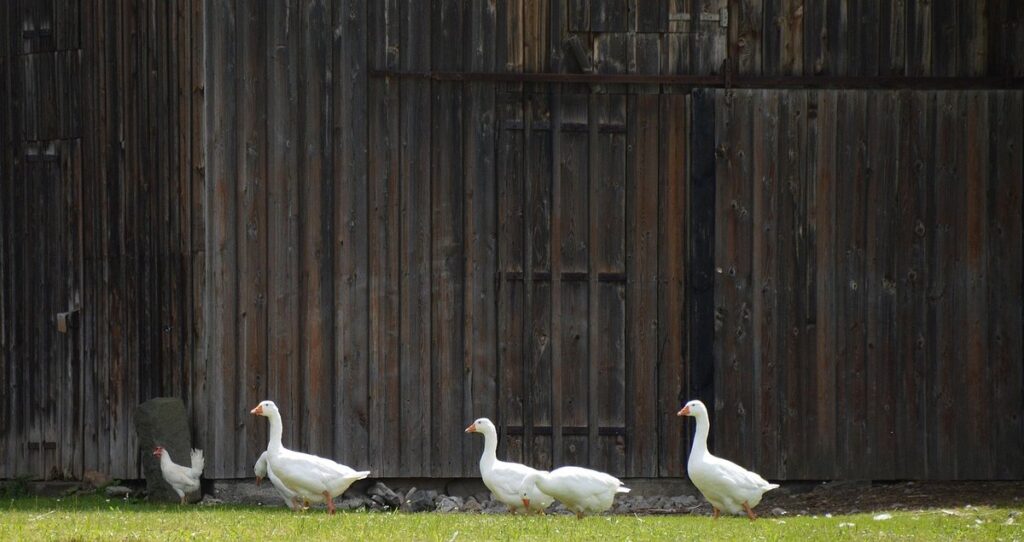
Benefits and Considerations
When deciding whether to integrate geese into your flock, it’s essential to weigh the benefits against the potential considerations that come with raising these unique waterfowl alongside chickens.
Why Keep Geese with Chickens?
Keeping geese alongside chickens offers numerous benefits that can enhance the overall experience of raising poultry. One of the primary advantages is pest control. Geese are natural foragers and will roam freely to hunt down pests, such as slugs, snails, and insects, that can harm your crops or chicken health. By introducing geese into your flock, you’ll have a built-in solution for maintaining a balanced ecosystem.
In addition to pest control, geese also contribute significantly to egg production. While geese don’t lay eggs year-round like chickens do, they will still provide some eggs during their breeding season. This can be an exciting bonus for chicken keepers who enjoy collecting fresh eggs daily. If you’re looking to diversify your egg supply and have a unique addition to your farm or backyard flock, raising geese alongside chickens is a great idea.
Companionship is another significant benefit of keeping geese with chickens. Geese are social animals that thrive on interaction and will form close bonds with their chicken counterparts. This can lead to a more harmonious and peaceful living environment for both species, especially if you’re new to raising poultry.
Understanding Goose Temperament
Geese are highly social animals that thrive on interaction and hierarchy. They live in flocks in the wild, and when raised with chickens, they will establish a pecking order. This means you’ll need to introduce them slowly and under close supervision to prevent conflicts.
Noise levels can be a significant consideration for backyard farmers. Geese are loud birds, especially when alerting others to potential predators or asserting dominance. If you live in close proximity to neighbors or have noise restrictions, geese may not be the best choice for your flock.
Geese also exhibit strong territorial behavior, which can lead to aggressive behavior towards chickens and other animals that enter their territory. This is especially true if they feel their young are being threatened. To mitigate this, provide a safe and secure enclosure for both species, with adequate space for each bird to roam and exercise.
Preparing for Geese: Space and Housing Requirements
When it comes to housing geese alongside chickens, understanding their specific needs is crucial for creating a harmonious and safe coexistence. Geese require a larger enclosure than chickens due to their size, strength, and territorial nature.
A good rule of thumb is to allocate at least 10-15 square feet per goose in the outdoor run, taking into account the space needed for movement and exercise. For instance, if you have two geese, you’ll need an outdoor area of around 20-30 square feet or more.
Fencing requirements are also essential, as geese can easily break through flimsy fencing or even jump over it if they sense freedom. Use sturdy fencing materials such as chicken wire with openings of 1 inch or smaller to prevent escape and predator entry. Ensure the fence is at least 3-4 feet high to deter flying predators like hawks or owls.
In terms of shelter, geese need a dry and draft-free area for protection from harsh weather conditions. A three-sided shed or a lean-to with adequate roofing can provide sufficient shelter, especially if you live in areas prone to heavy rainfall or snowfall.
Integration Strategies
When integrating geese and chickens, it’s essential to consider their unique personalities and needs to create a harmonious coop environment for both species. This section will explore effective strategies for introducing and managing these birds together.
Introducing Geese to Your Existing Flock
When introducing new geese to an existing flock of chickens, it’s essential to do so gradually and under controlled circumstances. Start by keeping the new geese separated from the established flock for a few days, allowing them to get accustomed to their new surroundings without the stress of meeting other birds. This initial period is crucial in helping your new geese settle in and feel secure.
Next, use visual barriers like fencing or netting to separate the two groups while still allowing them to see each other. This will enable your birds to become familiar with each other’s presence without the risk of an immediate face-to-face encounter. Gradually increase their interaction time by removing the barriers in stages, always observing your flock for signs of stress or aggression.
During this transition period, ensure your new geese have access to food, water, and shelter to prevent any potential conflicts over resources. With patience and careful planning, introducing new geese to an existing flock can be a seamless process that yields long-term benefits for your overall bird population.
Managing Space: Rotating Chickens and Geese
When it comes to managing space for both chickens and geese, it’s essential to consider their unique needs and requirements. Chickens are social birds that thrive in flocks, but they also need space to roam and exercise. Geese, on the other hand, require a significant amount of space to fly and forage.
One strategy for rotating chickens and geese is to divide your property into separate areas or paddocks. This allows you to rotate both species through different spaces, giving each one access to fresh grass, water, and nutrients. For example, you can allocate the morning hours for geese to graze in a particular area, while the chickens have exclusive access to another section in the afternoon.
When rotating your flock, make sure to consider factors like fencing, feeding, and watering needs. Use electric netting or moveable fencing to create temporary enclosures that allow you to easily switch between areas. This not only provides each species with enough space but also helps prevent overgrazing and reduces the risk of disease transmission between birds.
By implementing a rotation schedule, you can ensure that both chickens and geese have access to the resources they need to thrive, even in smaller spaces.
Health Considerations
When raising geese alongside chickens, it’s essential to be aware of some specific health considerations that can affect your flock. Geese have unique needs and vulnerabilities that require attention from experienced poultry owners like you.
Vaccinations and Disease Prevention
When it comes to raising geese and chickens together, health considerations are crucial to prevent diseases from spreading between flocks. Both geese and chickens require vaccinations and preventative measures to protect against common avian diseases.
Avian Influenza is a significant concern for poultry farmers, as it can be highly contagious and deadly. To minimize the risk of Avian Influenza, ensure your geese and chickens receive regular vaccinations. Consult with a veterinarian experienced in poultry care to determine the best vaccination schedule for your flock.
Parasite control is another essential aspect of disease prevention. Regularly inspect your birds’ living areas for signs of parasites such as mites, lice, or fleas. Use environmentally friendly pesticides or diatomaceous earth to eliminate any infestations you find. Clean and disinfect the coop regularly, and maintain a clean water supply to prevent bacterial infections.
For example, many backyard chicken farmers use a mixture of diatomaceous earth and apple cider vinegar in their flock’s water to help control internal parasites like worms. You can also incorporate natural parasite-fighting herbs like garlic or turmeric into your flock’s diet. Consult with a veterinarian for personalized advice on parasite control tailored to your specific flock needs.
Monitoring Geese Health: Unique Needs and Challenges
Monitoring geese health is crucial when raising them alongside chickens, as they have unique needs and challenges. Respiratory issues are a common concern for waterfowl, particularly goslings, which can be more susceptible to conditions like pneumonia and bronchitis due to their underdeveloped immune system.
Lameness in geese is also a significant issue, often caused by nutritional deficiencies or metabolic bone disease. Make sure to provide your geese with a balanced diet that includes calcium-rich foods, such as oyster shells, to support strong bones and prevent this condition.
Parasites like lice, mites, and external worms can also affect geese, so it’s essential to monitor them regularly for signs of infestation. Regular cleaning and disinfection of their living areas will help reduce the risk of parasite outbreaks.
Some key differences between goose and chicken health include the need for geese to have access to water at all times and the importance of maintaining a clean water supply to prevent disease. By understanding these unique needs, you can take proactive steps to ensure your geese remain healthy and thrive alongside their chicken counterparts.
Nutritional Requirements
When it comes to raising geese alongside chickens, providing a balanced diet is crucial for their overall health and well-being. This section will cover the nutritional requirements specific to geese that you’ll need to consider when creating their feeding plan.
Dietary Differences Between Chickens and Geese
When it comes to feeding geese and chickens together, it’s essential to understand their unique nutritional requirements. While both birds are domesticated waterfowl, they have distinct differences in their dietary needs.
Geese require a higher protein diet compared to chickens, especially during growth stages. They need around 20-25% protein content in their feed, whereas chickens can thrive on 15-18%. This is because geese grow faster and larger than chickens, requiring more protein for muscle development. A good example of this is seen in layer feeds specifically designed for geese, which often contain higher protein levels.
In addition to protein, geese also require a specific balance of fiber and vitamins. They need around 2-3% calcium content for strong bones and beak health. Vitamins A, D, E, and K are also crucial for their overall well-being. For instance, vitamin A is essential for healthy skin and mucous membranes in geese.
To ensure your flock receives the necessary nutrients, consider providing a mix of grains, fruits, and vegetables. However, consult with a poultry expert or veterinarian to determine the best diet for your specific birds, as this will depend on factors like age, breed, and climate.
Supplemental Feeding Strategies for Healthy Growth
When it comes to supplementing the diet of geese and chickens, it’s essential to provide a balanced mix of grains, fruits, and vegetables to support optimal growth and health. Geese require more protein-rich foods than chickens, so incorporating high-quality grains such as oats or barley can help meet their nutritional needs.
In addition to grains, offering a variety of fruits and vegetables can add essential vitamins and minerals to their diet. Leafy greens like kale and spinach are excellent choices for both species, while fresh berries and melons provide a sweet treat. However, be sure to introduce new foods gradually to prevent digestive upset.
Aim to supplement with a mix of 10-20% fruits and vegetables, making up the remainder with grains. For example, offering 1/2 cup of oats per bird per day can be supplemented with 1/4 cup of chopped carrots or apples. Always ensure access to fresh water and a balanced layer feed as the primary source of nutrition.
By incorporating these supplemental feeding strategies, you’ll be well on your way to raising healthy, thriving geese and chickens in harmony.
Predator Protection
To safeguard both geese and chickens, it’s essential to implement effective predator protection measures that account for the unique needs of each species. This includes securing enclosures and using deterrents strategically.
Secure Enclosures: Fencing and Netting Options
When it comes to raising geese with chickens, one of the most critical aspects is providing secure enclosures that protect against predators. Geese and chickens are both vulnerable to attacks from foxes, coyotes, and hawks, which can be devastating for your flock.
To ensure the safety of your birds, you’ll want to invest in a sturdy fence or enclosure system. The minimum height recommended for fencing is 6 feet tall, but ideally, it should be at least 8-10 feet high to deter climbing predators like foxes and coyotes. You can choose from a variety of materials such as wood, metal, or plastic, each with its own pros and cons.
Another option is netting, which can provide an added layer of protection for smaller enclosures or areas within your main fence. Chicken wire mesh with openings of 1 inch or less can also help keep predators out, but be aware that geese may be able to push through it if they’re determined enough.
Consider adding a roof or canopy to your enclosure to prevent hawks from swooping down and attacking your birds. The type of fencing you choose will depend on the specific predators in your area, as well as the size and layout of your property.
Deterrents and Early Warning Systems
When it comes to protecting your geese and chickens from predators, using non-lethal deterrents can be an effective way to prevent attacks. Motion-activated sprinklers are a great option to consider. These devices detect movement and automatically release a sudden burst of water, which startles and deters predators. They’re especially useful for areas with high foot traffic or where other animals may enter the property.
Another non-lethal deterrent is electric fencing. This can be used in conjunction with traditional fencing or as a standalone system to create a barrier around your geese and chickens’ enclosure. The electric shock is not lethal but uncomfortable enough for predators to stay away. Make sure to follow all safety guidelines when installing electric fencing to avoid injury.
Regularly checking the fence line and repairing any damage promptly will also help maintain its effectiveness.
Managing Flock Dynamics
When introducing geese and chickens into the same flock, it’s essential to understand how their different personalities and needs can impact the overall harmony of your farm. Let’s explore some practical tips for managing flock dynamics.
Understanding Social Hierarchies: Dominance and Subordination
When introducing geese and chickens to the same flock, it’s essential to understand their social hierarchies. Within both species, dominance and subordination play crucial roles in shaping behavior and determining pecking order.
In geese flocks, a clear dominant goose will establish itself as leader, often through vocalizations, aggressive posturing, or even physical confrontations. Subordinate geese may yield to the alpha bird’s commands, while also learning from its actions and developing their own social skills. Chickens, on the other hand, form complex pecking orders where individual hens may establish dominance over others based on factors such as size, age, or temperament.
To manage flock dynamics effectively, monitor your birds’ interactions closely. Observe how geese and chickens interact with each other, noting which birds dominate or submit to others. Be prepared to intervene if necessary – for example, separating dominant individuals from subordinate ones if conflicts arise. By understanding these social structures, you’ll be better equipped to create a harmonious and balanced flock where both species can thrive.
Conflict Resolution Strategies for a Harmonious Coexistence
When introducing geese and chickens to each other, conflicts are inevitable. To ensure a harmonious coexistence, it’s essential to understand their unique personalities and needs. Geese can be protective of their territory, food, and young, while chickens may see the geese as bullies or competition for resources.
To resolve these conflicts, start by observing your birds’ behavior and identifying triggers for aggression. For instance, if the geese are chasing the chickens away from food, consider increasing the availability of food to reduce competition. Conversely, if the chickens are pecking at the geese’s feathers, provide a safe haven like a covered run to shield them.
Gradually introduce the birds to each other under close supervision, rewarding calm behavior with treats and praise. Create a clear hierarchy by introducing the geese first and allowing them to establish dominance before bringing in the chickens. With patience, consistency, and positive reinforcement, you can foster a peaceful coexistence between your feathered friends. By following these strategies, you’ll be well on your way to raising a harmonious flock of geese and chickens.
Conclusion: The Rewards of Raising Geese with Chickens
Raising geese with chickens can be a wonderful experience for backyard farmers and homesteaders. By combining these two species, you can create a harmonious and efficient farm ecosystem. Not only will geese provide companionship to your chickens, but they’ll also offer an extra layer of security against predators. Imagine waking up each morning to the sound of happy geese alerting you to any potential threats. With their natural instinct to guard, geese can be a valuable asset in maintaining peace and tranquility on your farm. By incorporating geese into your chicken flock, you’ll not only enjoy these benefits but also gain a deeper understanding of animal behavior and social dynamics.
Frequently Asked Questions
How Can I Ensure the Geese Don’t Bully My Chickens During Integration?
When introducing geese to your existing flock, start by separating them from the chickens for a few days to allow each group to adjust. Then, supervise their interactions closely and separate them immediately if you notice any aggression or bullying. Gradually increase their interaction time over several weeks, allowing the birds to establish their own social hierarchy.
What Are Some Effective Strategies for Managing Space with Both Geese and Chickens?
Aim to provide at least 10-15 square feet of space per goose and 3-5 square feet per chicken. Consider rotating your chickens to fresh grazing areas while keeping the geese in a secure enclosure, allowing both groups to benefit from new resources without competition. Monitor their living conditions regularly and make adjustments as needed.
Can Geese Be Trained to Follow Specific Paths or Boundaries?
Yes! Geese are intelligent birds that can be trained using positive reinforcement techniques. Use treats and rewards to encourage them to follow specific paths, such as along a designated fence line or through gates. Consistency is key; establish clear boundaries and train your geese regularly for best results.
How Do I Handle Predator Protection When Raising Both Geese and Chickens?
Geese are naturally alert to potential threats, but you’ll still need to take proactive measures to ensure their safety. Consider using a combination of secure enclosures (fencing, netting), deterrents (motion-activated sprinklers, predator-repellent plants), and early warning systems (alarms, cameras) to protect your flock from predators.
Can I Mix Different Breeds of Geese with Chickens?
While it’s generally best to keep geese of the same breed together for social harmony, mixing different breeds with chickens can work if done carefully. Introduce one new goose at a time and monitor their interactions closely. Be prepared to separate any birds that show signs of aggression or stress, ensuring the well-being of both species.