
Are you thinking of bringing some feathered friends into your backyard, but not sure how to provide them with the perfect home? Geese can be wonderful companions, but they require specific housing requirements that must be met in order for them to thrive. When it comes to providing a suitable environment for your geese, space is key – these birds need room to roam and exercise. But that’s not all: social structure also plays a crucial role in keeping your geese happy and healthy. In this comprehensive guide, we’ll explore the essential elements of geese housing requirements, including ideal enclosure materials and minimum square footage per bird. Whether you’re a seasoned goose owner or just starting out, our expert advice will help you create a haven for these magnificent creatures to live their best lives.
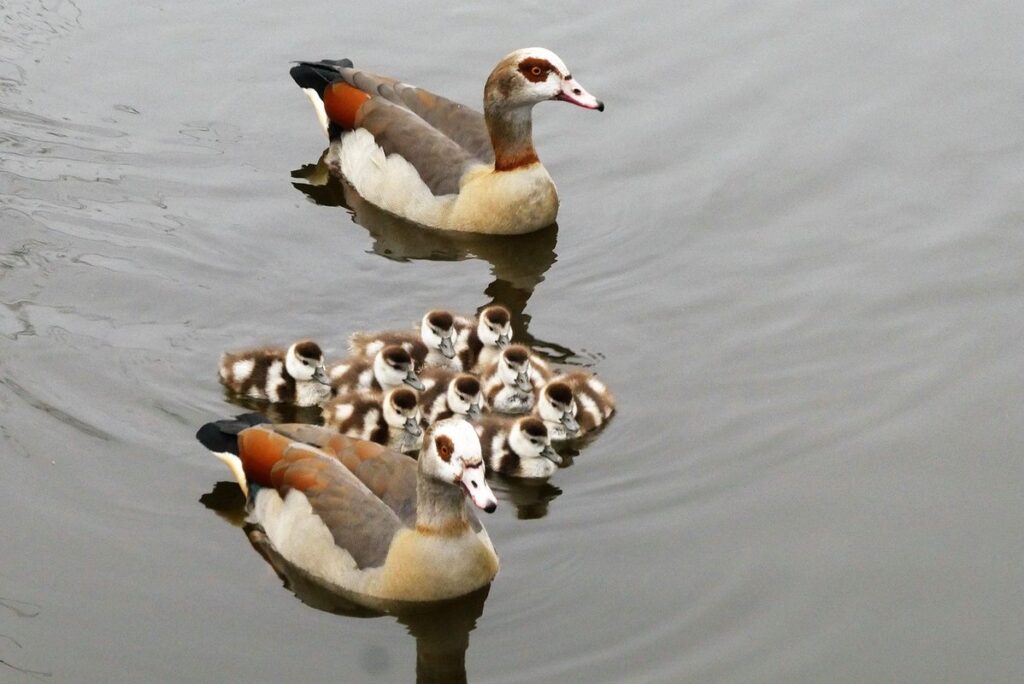
Understanding Geese Behavior and Habitat
To provide the best possible housing for your geese, it’s essential to understand their natural behavior and habitat needs, which we’ll explore in more detail here. Let’s start by looking at how geese interact with their environment.
Environmental Enrichment for Geese
Providing geese with an environment that mimics their natural habitat is crucial for their physical and mental well-being. Geese are social animals that thrive in areas with sufficient space to roam, vegetation for foraging, and access to water features.
When designing a habitat for geese, consider creating separate zones for different activities. A large open area can be designated for exercise and flight training, while smaller spaces can be allocated for nesting and resting. Incorporate a variety of plants and trees that provide shelter, food, and shade for the geese.
Water features are also essential for geese, as they rely on water for drinking, bathing, and swimming. A pond or pool with shallow areas and a gradual slope is ideal, allowing geese to easily enter and exit the water. Adding rocks, logs, or other objects can provide perches and visual stimulation for the geese.
By incorporating these elements, you can create an environment that meets the physical and psychological needs of your geese, ensuring their health, happiness, and well-being. Remember to rotate plants and add new features periodically to keep the environment stimulating and engaging for your birds.
Geese Social Structure and Space Needs
When it comes to housing geese, understanding their social structure and space needs is crucial for providing them with a happy and healthy environment. Geese are social animals that thrive in groups, typically consisting of 5-10 birds. In the wild, they often form large flocks during migration and breeding seasons.
In captivity, it’s essential to replicate this social dynamic by keeping geese in pairs or small groups. This will help reduce stress, aggression, and boredom, which can lead to destructive behavior. A general rule of thumb is to provide at least 10 square feet per bird for the enclosure area, but ideally, aim for 20-30 square feet per bird.
Geese need space to roam, exercise, and engage in social behaviors like preening, foraging, and playing. Without adequate space, they may resort to pacing, honking, or even escaping their enclosures. To ensure your geese get the space they need, consider providing a large fenced area, a pond or pool, and plenty of shelter and shade.
Choosing the Right Enclosure for Your Geese
When it comes to housing your geese, selecting the right enclosure is crucial for their health and well-being. This decision will largely depend on factors such as space, climate, and personal preference.
Material Selection for Geese Housing
When selecting materials for geese housing, it’s essential to consider durability, maintenance, and the welfare of your feathered friends. Let’s weigh the pros and cons of popular enclosure materials.
Wood is a traditional choice for geese housing due to its natural charm and insulation properties. However, it requires regular staining and painting to protect against rot and insect damage. Metal enclosures, on the other hand, are low-maintenance but can be noisy during harsh weather conditions. Plastic options, such as PVC or polyethylene, offer durability and ease of cleaning but may not provide adequate ventilation.
Consider your climate and local regulations when selecting materials. For example, if you live in an area prone to extreme temperatures, metal or plastic might be a better option. If budget is a concern, wood can be a cost-effective choice, but ensure it’s properly treated to prevent damage. Ultimately, choose a material that balances maintenance requirements with your geese’s welfare and comfort.
Some materials to avoid include:
• Treated wood with toxic chemicals
• Low-quality plastics prone to cracking or breaking
• Thin-walled metal enclosures susceptible to denting
When selecting materials, prioritize geese safety, durability, and ease of maintenance.
Fencing Requirements for Safe Geese Enclosures
When it comes to creating a safe and secure enclosure for your geese, one of the most critical aspects is fencing. A sturdy fence not only keeps predators out but also prevents your geese from escaping and getting into harm’s way.
To determine the minimum requirements for fencing, consider the following: geese can fly as high as 10 feet in some cases, so a fence should be at least that tall to prevent them from flying over. The American Society for the Prevention of Cruelty to Animals (ASPCA) recommends a fence height of 8-12 feet to keep predators like coyotes and foxes out.
In addition to height, the type of fencing material is also crucial. Metal or plastic mesh with openings no larger than 1 inch by 1 inch can prevent geese from pushing through the gaps with their beaks. Wood or vinyl fencing may not provide sufficient security against predators and may even be easily damaged by geese.
When installing a fence, make sure to bury at least 12 inches of the material underground to prevent digging escape routes. Regular inspections are also essential to ensure that any damage or weak spots are addressed promptly to maintain a safe enclosure for your geese.
Designing a Functional Geese House
When designing a functional geese house, it’s essential to consider factors such as ventilation, predator protection, and easy cleaning. This will ensure your birds thrive in their new home.
Ventilation and Climate Control in Geese Housing
Proper ventilation and climate control are essential components of geese housing design. Geese, being large waterfowl, generate significant amounts of moisture through respiration, which can lead to ammonia buildup if not managed properly. This ammonia can cause respiratory issues, stress, and discomfort for the birds.
Adequate ventilation is crucial in geese housing to prevent ammonia accumulation. Ensure that your geese house has windows or vents that allow fresh air to circulate throughout the structure. A general rule of thumb is to provide at least 1 square foot of ventilation per 10 square feet of floor space.
In addition to ventilation, climate control is also vital for maintaining a comfortable environment for geese. Provide adequate insulation to regulate temperature extremes and ensure that the house remains dry during wet weather conditions. It’s recommended to maintain a temperature range between 40°F and 70°F (4°C and 21°C) for optimal goose health.
Regularly inspect your ventilation system to ensure it’s functioning correctly, and consider installing sensors to monitor temperature and humidity levels within the geese house.
Nesting Boxes and Roosting Barriers for Geese
When designing a geese house, it’s essential to consider the needs of these amazing birds when it comes to nesting boxes and roosting barriers. Geese require safe and secure spaces for laying eggs and resting, which can be achieved by incorporating well-designed nesting boxes and roosting barriers into your geese house design.
Nesting boxes should be easy to access for females and located at a comfortable height, usually around 2-3 feet off the ground. Each box should have a roof or lid that can be easily opened for cleaning and egg collection. The interior of the nesting box should be dark, quiet, and protected from wind and weather.
Roosting barriers are also crucial in providing geese with a safe place to roost during the day. These barriers should be sturdy enough to support the weight of multiple birds and provide adequate ventilation. A good rule of thumb is to ensure there’s at least 2-3 square feet of space per bird for roosting. You can use wood, metal, or plastic materials for the roosting barriers, but make sure they’re easy to clean and maintain.
When designing your geese house, consider the layout and positioning of nesting boxes and roosting barriers. Place them in areas that provide shelter from wind and weather, while also ensuring easy access for cleaning and maintenance.
Geese Housing Maintenance and Upkeep
To keep your geese healthy and happy, regular maintenance of their housing is crucial. This includes tasks such as cleaning, inspecting for damage, and making repairs as needed.
Regular Cleaning and Disinfection of Geese Enclosures
Regular cleaning and disinfection of geese enclosures are essential practices to maintain a healthy environment for these birds. It’s crucial to establish a routine that involves daily removal of waste and droppings, as well as regular disinfection of feeders, waterers, and nesting areas.
Failing to do so can lead to the spread of diseases such as avian cholera, botulism, and histomoniasis. For instance, according to a study published in the Journal of Applied Poultry Research, a outbreak of avian cholera occurred in a commercial geese farm due to poor sanitation practices.
To prevent this, it’s recommended to:
* Remove droppings daily using gloves or a shovel
* Disinfect feeders and waterers with a 1:10 solution of bleach and water every week
* Change bedding material regularly (e.g., straw, wood shavings) and disinfect nesting areas with a suitable sanitizer
* Monitor geese health closely for signs of illness
By following these simple steps, you can help maintain a clean and healthy environment for your geese, reducing the risk of disease transmission.
Repairing and Replacing Geese Housing Components
When it comes to maintaining geese housing, it’s essential to stay on top of repairs and replacements to ensure a safe and secure environment for your feathered friends. Over time, housing components can wear out or become damaged due to various factors such as harsh weather conditions, heavy usage, or poor quality materials.
To identify worn-out materials or damaged structures, inspect your geese housing regularly for signs of deterioration, rust, or corrosion. Check for loose screws, torn netting, or broken fencing that could compromise the integrity of the enclosure. Regularly cleaning and maintaining the housing can also help prevent damage from debris accumulation and mildew buildup.
If you notice any issues, address them promptly to avoid further damage or potential safety hazards. For example, if a roof panel is damaged, replace it with a new one made from durable, weather-resistant materials like steel or PVC. Similarly, repair or replace any torn netting or fencing to prevent escape attempts and predator invasions.
By staying vigilant and proactive in addressing common issues, you can ensure your geese housing remains secure and safe for years to come.
Special Considerations for Backyard and Small-Scale Geese Keepers
If you’re raising geese on a smaller scale, such as in your backyard, there are unique challenges to ensure their housing meets their needs, including space and predator protection. Let’s explore these special considerations together.
Local Regulations and Zoning Laws for Geese Keeping
Before bringing home your new feathered friends, it’s essential to research and comply with local regulations and zoning laws regarding backyard geese keeping. These laws can vary significantly from one area to another, so it’s crucial to familiarize yourself with the specific requirements in your region.
Start by contacting your local animal control agency or town hall to inquire about any ordinances governing domestic waterfowl, including geese. You may need to obtain a permit or license to keep geese on your property. Additionally, check if there are any noise restrictions or setbacks from neighboring properties that you’ll need to adhere to.
Some areas may have specific requirements for the size of enclosures, fencing, or shelter provision for geese. Be prepared to provide documentation or evidence that your housing meets these standards. For instance, in some places, geese enclosures must be at least 3 feet high and surrounded by a durable fence. Researching local regulations will ensure you’re providing a safe and compliant environment for your geese while also respecting the needs of neighboring residents.
Integrating Geese Housing into Existing Yard or Farm Layouts
When integrating geese housing into an existing yard or farm layout, it’s essential to consider space constraints, aesthetics, and functionality. One of the primary concerns is finding a suitable location for the goose enclosure that doesn’t compromise on either aspect.
Start by evaluating the available space: assess the area where you plan to locate the geese housing, taking into account the size of your flock and the amount of room they’ll need to roam freely. Consider the orientation of the sun and wind patterns to ensure the enclosure receives adequate ventilation and shelter from harsh weather conditions.
To maximize space efficiency, consider using multi-level or vertical goose housing designs that make the most of the available land area. For example, you can build a tiered system with separate areas for roosting, nesting, and feeding, allowing your geese to move freely between levels while minimizing foot traffic on the ground below.
When it comes to aesthetics, choose materials and colors that blend seamlessly into the existing landscape. A well-designed goose enclosure can actually enhance the overall appearance of your yard or farm, adding a touch of rustic charm and character.
Frequently Asked Questions
How Do I Assess My Yard’s Suitability for a Geese Enclosure?
Before bringing home your geese, it’s essential to evaluate your yard’s layout and space. Consider factors like sunlight, wind direction, and proximity to water sources. Ensure you have enough room to accommodate the recommended minimum square footage per bird (around 10-15 sq. ft.) and think about the enclosure’s placement in relation to your home and other structures.
Can I Use Existing Structures as Part of My Geese Housing?
While it might be tempting to repurpose existing outbuildings or sheds, consider their condition, size, and proximity to your geese’s living area. Make sure they meet the necessary safety standards for housing waterfowl, including proper ventilation and climate control.
How Do I Balance Geese Social Structure with Limited Space?
Geese are social animals that thrive in groups, but they also need individual space and time for foraging and exercise. Consider implementing a rotation system or creating separate zones within your enclosure to accommodate these needs. This can help reduce stress and aggression among your geese.
What Are Some Common Mistakes to Avoid When Building a Geese Enclosure?
One common mistake is underestimating the geese’s ability to fly, so ensure your fencing is at least 3-4 feet high to prevent escape attempts. Another oversight is neglecting proper drainage, which can lead to muddy conditions and health issues for your geese.
Can I Keep Geese in a Small Yard or Apartment Balcony?
While it might be challenging to provide the recommended space and amenities for geese in a small yard or apartment balcony, you can still keep them as pets. Consider consulting with local authorities to determine if there are any specific regulations or restrictions on keeping waterfowl in your area.