
If you’re a Silkie chicken keeper, chances are you’ve encountered broodiness at some point. This natural behavior can be both fascinating and frustrating, especially when it interferes with your flock’s productivity. So, what causes broodiness in Silkies? And how can you manage this trait to strike a balance between your birds’ health and your farm’s efficiency?
In this article, we’ll delve into the world of Silkie chicken broodiness, exploring its common causes, recognizable signs, and effective management strategies. We’ll discuss why broodiness is more prevalent in Silkies than other breeds, how to identify when a hen has gone broody, and what you can do to encourage her to return to laying eggs without sacrificing the health of your flock. By the end of this article, you’ll be equipped with the knowledge needed to make informed decisions about managing broodiness in your Silkie hens.
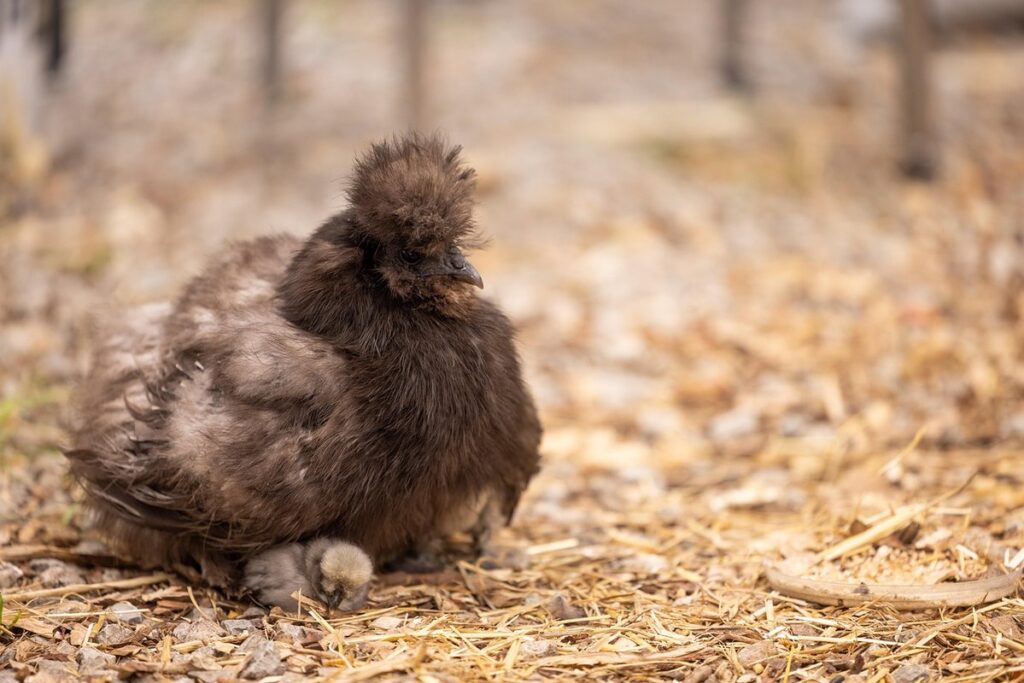
What is Broodiness in Silkies?
For many Silkie breeders, understanding and managing broodiness is crucial to maintaining a healthy and productive flock. In this section, we’ll explore what causes broodiness in Silkies and how to recognize it early on.
Definition and Prevalence of Broodiness
Broodiness is a natural behavior exhibited by hens of various breeds, including Silkies. It’s characterized by intense nesting and incubation behaviors, where the hen believes she has laid eggs and is responsible for their care. Broodiness can be triggered by a variety of factors, including genetics, environment, and social status within the flock.
Silkies, in particular, are known to be more prone to broodiness due to their gentle and nurturing nature. Research suggests that about 50% of Silkie hens will exhibit some level of broodiness throughout their lives. While it’s not a health issue per se, broodiness can lead to problems if left unchecked, such as egg binding, feather pecking, and even the death of the hen due to exhaustion.
Recognizing the signs of broodiness is crucial for Silkie breeders and owners. These include withdrawal from social activities, constant pacing, and an intense focus on nesting materials. If you suspect your Silkie is experiencing broodiness, it’s essential to take steps to manage her behavior, which we’ll discuss in the following sections.
Factors Contributing to Broodiness in Silkies
Broodiness in silkies is often influenced by a combination of environmental, genetic, and hormonal factors. For instance, silkies that have been exposed to broody hens in the past may be more likely to exhibit this behavior themselves due to observation and learning. Moreover, if your flock has experienced heat stress or extreme temperatures, it can trigger broodiness in some birds.
Genetic predisposition also plays a significant role in determining whether a silkie will become broody. Some breeds are naturally more inclined towards broodiness than others, with silkies being one of the most notable examples. You may notice that certain individuals within your flock tend to go broody at specific times or under particular conditions.
Hormonal changes also contribute to broodiness in silkies. The increase in prolactin levels can stimulate a hen’s maternal instincts and trigger the onset of broodiness. This hormonal shift can be triggered by factors such as stress, nutrition, and social status within the flock.
Recognizing the Signs of Broodiness in Silkies
As you work towards managing broodiness in your silkie flock, it’s essential to recognize the telltale signs that indicate a hen is preparing to sit on eggs. Look for unusual behaviors like excessive egg collection and nesting.
Behavioral Changes Associated with Broodiness
When silkie chickens become broody, they exhibit distinct behavioral changes that can be quite endearing to observe. One of the most noticeable signs is pacing back and forth near the nesting box or a designated brooding area. This behavior is often accompanied by loud clucking and chirping, which can be a bit alarming if you’re not familiar with it. As they prepare for motherhood, silkies may also start exhibiting nesting behavior, collecting soft materials like straw, feathers, or even shredded paper to create a cozy nest.
As their broodiness intensifies, silkies may become more withdrawn and less interested in interacting with their flock members. They may ignore food and water offerings, which can be a challenge for owners who need to manage their feeding schedule. To minimize disruption to the rest of the flock, it’s essential to recognize these behavioral changes early on and take steps to separate the broody silkie from her companions. By doing so, you can prevent potential conflicts and ensure that both the broody hen and her flock members remain happy and healthy.
Physical Changes During Broodiness
As your Silkie hen enters broodiness, you’ll notice some physical changes that can be quite noticeable. One of the first things you may observe is a significant weight gain. This is because the hen will start to prepare her body for incubation by storing up fat reserves, which she’ll need to sustain herself and her chicks once they hatch.
You may also notice that your hen stops laying eggs altogether during this time. This can be a bit of an adjustment if you’re used to collecting eggs regularly from your flock, but it’s a normal part of the broodiness cycle. Don’t worry – she’ll start laying again once she’s finished nesting and caring for her chicks.
In terms of feather condition, you may notice that your hen’s feathers become duller and more disheveled during broodiness. This is due to the fact that she’s spending most of her time on the nest, rather than preening and maintaining her plumage as she normally would.
Managing Broodiness in Silkies
Managing broodiness in Silkies can be a challenging task, especially if you’re new to raising these lovable but stubborn birds. In this section, we’ll explore practical strategies for overcoming broodiness and maintaining egg production.
Breaking a Silkie out of Broodiness
If you’ve identified that your Silkie has gone broody and is refusing to leave her nest, it’s essential to intervene gently but firmly to encourage her back into the flock. One approach is to remove the bird from the nesting area altogether. This means carefully scooping her up or coaxing her out with treats, then relocating her to a separate enclosure or run where she can’t access the coop.
Another strategy is to provide distractions that divert her attention away from the nest. You might try setting up a new feeding station or waterer near the nesting area, or even introducing a friendly companion bird to interact with. Some owners have also reported success by covering the nest with a towel or cloth to discourage her from returning.
Remember to be patient and persistent when trying these methods, as it can take some time for your Silkie to adjust to being away from her nest. It’s crucial to ensure she’s safe and healthy during this process, so keep a close eye on her behavior and watch for any signs of stress or discomfort.
Preventing Future Episodes of Broodiness
Preventing future episodes of broodiness is crucial to maintaining a healthy and productive flock. One effective strategy is selecting breeds that are less prone to broodiness, such as the Polish or Sultan. These breeds tend to be more alert and focused on their surroundings, reducing the likelihood of becoming broody.
Nutrition also plays a significant role in managing broodiness. Silkie hens require a balanced diet rich in protein and calcium to maintain optimal health. A high-quality layer feed or a mix of grains, fruits, and vegetables can help regulate hormones and prevent excessive nesting behavior. Additionally, supplementing with omega-3 fatty acids has been shown to reduce stress and promote egg production.
Environmental manipulation is another key factor in preventing broodiness. Silkie hens thrive in spacious, well-ventilated areas with adequate lighting. Providing perches, dust baths, and scratching posts can keep them engaged and active, reducing the likelihood of becoming broody. Regular cleaning and maintenance of coops and runs also help eliminate odors that may trigger nesting behavior.
Implementing a regular egg collection routine can also deter broodiness by removing any potential eggs that may stimulate a hen’s instincts to incubate. By combining these strategies, you can reduce the frequency and severity of broodiness episodes in your Silkie flock.
The Impact of Broodiness on Silkie Health
When it comes to silkie chickens, broodiness can have significant effects on their overall health and well-being, making it essential to understand these impacts. Let’s explore the potential consequences in more detail.
Nutritional Deficiencies Associated with Prolonged Broodiness
Prolonged broodiness can have serious consequences for Silkie chickens, extending far beyond their behavioral patterns. One critical aspect of prolonged broodiness is the increased risk of nutritional deficiencies. When a Silkie becomes fixated on sitting on eggs, her energy expenditure and metabolic rate decrease significantly. As a result, she may not be able to allocate enough resources towards maintaining optimal nutrient levels.
Common issues arising from prolonged broodiness include protein deficiency, which can lead to muscle wasting and weakness. Malnutrition is another pressing concern, where the Silkie’s dietary needs are compromised due to her obsessive egg-sitting behavior. It’s essential to recognize these signs early on and address them promptly. You may notice your Silkie looking dull, losing feathers, or experiencing weight loss.
To mitigate this risk, ensure that your flock has access to a well-balanced diet rich in protein and other essential nutrients. Monitor their food intake closely, taking note of any changes in appetite or behavior. Consider providing supplements specifically formulated for egg-laying hens to address potential nutritional gaps. By being proactive, you can minimize the likelihood of nutritional deficiencies associated with prolonged broodiness and maintain the overall health and well-being of your Silkies.
Increased Risk of Health Issues
Prolonged broodiness can have severe consequences on a Silkie’s overall health. When a hen decides to sit on eggs for an extended period, her body undergoes significant changes to accommodate the task. This can lead to reduced immune function, making her more susceptible to illnesses and infections.
For example, research has shown that hens in prolonged broodiness have lower antibody levels, indicating a weakened immune system (1). Furthermore, muscle atrophy is another common issue faced by Silkie hens in extended broodiness. Prolonged sitting causes muscle wastage, particularly in the legs and thighs, which can make it challenging for her to move around after she finally decides to leave the nest.
To minimize these risks, monitor your Silkie’s behavior closely. If you notice any signs of prolonged broodiness, intervene by gently removing the hen from the nesting box or providing a distraction, such as offering treats or toys outside the coop.
Breeding Silkies for Reduced Broodiness
Breeding silkies that exhibit reduced broodiness is a goal for many backyard chicken keepers, and we’ll explore some strategies to help you achieve this. We’ll cover selecting breeds with a lower propensity for broodiness.
Selecting Breeds with Lower Incidence Rates
When selecting breeds to breed Silkies for reduced broodiness, it’s essential to prioritize those with lower incidence rates of this behavior. Broodiness can be a significant challenge for backyard chicken keepers, and choosing the right breed is crucial in managing this issue.
Research has shown that some breeds are more prone to broodiness than others. For instance, Silkies, as we’ve discussed earlier, have a higher tendency to exhibit broody behavior due to their genetic makeup. However, there are other breeds that exhibit lower incidence rates of broodiness. These include the Leghorn and the Rhode Island Red, which can be great options for breeders looking to minimize this issue.
When selecting breeding stock, look for breeds with lower fertility rates or those that have been bred specifically for non-broody traits. Some breeders also recommend cross-breeding Silkies with other breeds known for their low broodiness levels to produce offspring with reduced incidence rates. By doing so, you can gradually introduce more desirable traits into your flock and create a population of Silkies with lower broodiness tendencies.
Genetic Factors Affecting Broodiness in Silkies
Genetic factors play a significant role in determining the broodiness levels in Silkies. Research suggests that certain breeds, including Silkies, have an inherent predisposition to go broody due to their genetic makeup. This is particularly true for the Easter Egger breed, which has been crossed with other birds to create the Silkie variety.
Studies have identified specific genetic markers associated with broodiness in chickens, including the estrogen receptor gene and the melanocortin 1 receptor gene. These genes influence the hormonal balance that triggers broodiness. For instance, a study found that hens with certain variants of the estrogen receptor gene were more likely to go broody.
To breed Silkies for reduced broodiness, it’s essential to understand these genetic factors and design breeding programs accordingly. Breeders can select individuals with lower broodiness tendencies and breed them together to reduce the expression of this trait. By doing so, they can create a flock with lower broodiness levels while still maintaining the desirable characteristics of Silkies.
It’s worth noting that selecting against broodiness can be complex due to the genetic interplay involved. However, by applying a thorough understanding of genetics and breeding principles, breeders can make informed decisions to reduce broodiness in their Silkie flocks.
Conclusion: Balancing Silkie Productivity with Broodiness Management
Now that you’ve learned how to identify and manage broodiness in your silkie flock, it’s time to strike a balance between their reproductive needs and productivity. Remember, silkies are bred for their gentle nature and soft feathers, not their egg-laying abilities. By recognizing the signs of impending broodiness and taking proactive steps to manage it, you can minimize its impact on your flock’s overall performance. Regular collection of eggs from nesting boxes will help distract them from their maternal instincts, while offering supplements like oyster shells or grit can encourage natural behaviors without promoting excessive nesting behavior.
Frequently Asked Questions
Can Silkies be bred to have reduced broodiness?
Yes, breeding Silkies for reduced broodiness is a viable option for breeders looking to minimize the impact of this trait on their flock’s productivity. By selecting breeds with lower incidence rates and incorporating genetic selection strategies, you can reduce the likelihood of your hens becoming broody. However, keep in mind that genetic factors can be complex, and it may take multiple generations to achieve significant reduction.
What are some common mistakes to avoid when breaking a Silkie out of broodiness?
One common mistake is not providing enough stimulation or enrichment for the hen while she’s coming out of her broody phase. This can lead to frustration and prolonged broodiness. Instead, offer plenty of space, foraging opportunities, and interactive toys to keep her engaged and interested in activities other than incubation.
How long does it typically take for a Silkie to recover from broodiness?
The recovery time for a Silkie hen can vary depending on individual circumstances, but most hens will start showing signs of returning to normal behavior within 2-4 weeks after being broken out of broodiness. Factors such as nutrition, management, and genetics can influence this timeframe.
Can nutritional deficiencies contribute to prolonged broodiness in Silkies?
Yes, nutritional deficiencies can play a role in prolonging broodiness in Silkies. Hens require adequate levels of essential nutrients like protein, calcium, and vitamins to support their overall health and reproductive function. A diet lacking these nutrients can exacerbate broodiness, making it more challenging for the hen to break free from her incubation behavior.
What are some signs that a Silkie is about to go broody again?
Watch for changes in behavior such as increased nesting activity, reduced egg laying, and a focus on incubating imaginary eggs. You may also notice physical changes like puffing out feathers or becoming more aggressive around other birds. Be proactive by monitoring your flock’s behavior and taking steps to manage broodiness early on.