
If you’re thinking about adding some new feathered friends to your backyard flock, chances are you’ve heard of Silkie chickens. These fluffy, endearing birds have stolen hearts with their soft plumage and gentle nature. But how do they stack up against other popular breeds? For many chicken enthusiasts, understanding the unique characteristics and needs of Silkies can be a challenge – especially when compared to more robust or hardy breeds. In this article, we’ll delve into what makes Silkie chickens special, including their temperament, health requirements, and compatibility with other breeds. Whether you’re a seasoned farmer or just starting out, our expert advice will help you decide if Silkies are right for your flock and provide tips on raising happy and healthy Silkies alongside other breeds.
Characteristics and Temperament of Silkie Chickens
When it comes to silkie chickens, their unique characteristics and temperament set them apart from other breeds. Let’s take a closer look at what makes these fluffy friends so special.
Physical Characteristics and Unique Features
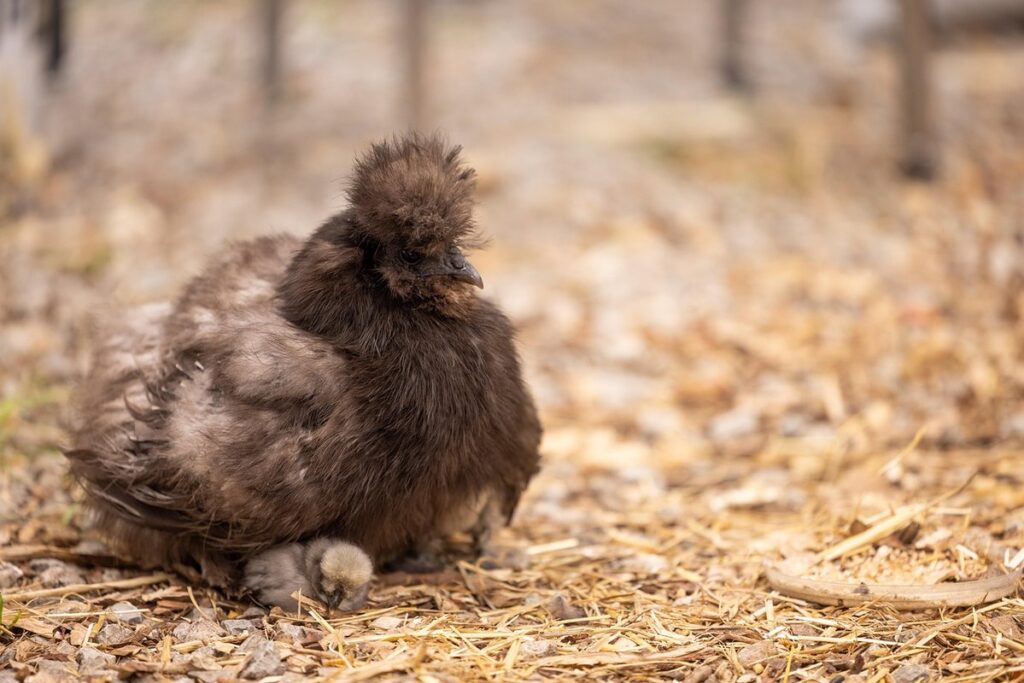
Silkies are easily recognizable due to their unique physical characteristics. One of their most distinctive features is their fluffy feathers, which can reach up to 6 inches in length and make them appear like small balls of cotton. In addition to their feathering, Silkies also sport impressive beards and muffs that frame their faces, giving them a charming, endearing appearance.
On average, adult Silkie hens weigh around 2-3 pounds (0.9-1.4 kg) and roosters about 3-4 pounds (1.4-1.8 kg), making them one of the smaller breeds out there. When it comes to body type, Silkies are known for their compact, rounded shape, with a broad chest and short legs. This unique combination of features makes them stand out from other breeds.
In comparison to other popular breeds like Leghorns or Cornish Crosses, Silkies are significantly larger in size but smaller in weight due to their dense feathering. If you’re considering bringing home a Silkie as a pet, be prepared for regular grooming sessions to prevent matting and tangling of their feathers.
Personality Traits and Temperament
When it comes to personality traits and temperament, Silkies stand out from other breeds. These gentle birds are renowned for their affectionate nature, making them an excellent choice for families with children or those who want a low-maintenance pet.
One of the most distinctive characteristics of Silkies is their friendliness. They are quick to form close bonds with their owners and can often be seen following people around the yard in search of attention. This adaptability makes them perfect for small backyards, where space is limited but affection is plentiful.
Silkies also exhibit a remarkable ability to adjust to different living situations. They thrive in both warm and cool climates, and are relatively low-maintenance compared to other breeds. Their calm demeanor and docile nature make them an ideal choice for novice chicken keepers who want a bird that’s easy to care for.
For backyard chicken enthusiasts, Silkies offer the perfect blend of charm and practicality. With proper care and attention, these lovable birds can become cherished members of your family, providing hours of entertainment and companionship.
Health Considerations
Silkies are known for their fluffy, gentle nature, but they also come with some unique health considerations. Their thick coats can be a blessing and a curse – while they’re perfect for cold climates, they can also make them prone to heat stress in warmer temperatures.
As a Silkie owner, it’s essential to provide your flock with proper ventilation and shade to keep them cool during hot summer months. You may need to take extra precautions such as moving their coop to a cooler area or providing fans to circulate the air. On the other hand, Silkies can also be sensitive to cold temperatures, so make sure they have a warm and dry place to roost during winter.
In addition to environmental factors, Silkies are also more susceptible to certain diseases due to their genetic makeup. Make sure to keep an eye out for signs of illness and take preventative measures such as keeping your coop clean, providing regular vaccinations, and practicing good biosecurity.
By being aware of these potential health issues and taking steps to prevent them, you can help keep your Silkie flock happy and healthy for years to come. Regular check-ups with a veterinarian will also ensure that any issues are caught early on, reducing the risk of long-term damage or even loss of life.
Comparison with Other Popular Chicken Breeds
When it comes to choosing the perfect chicken breed, understanding how Silkies stack up against others is crucial. Let’s compare them to some of their most popular counterparts.
Size and Egg-Laying Abilities
When it comes to size and egg-laying abilities, Silkies are often compared unfavorably to other popular breeds like Leghorns, Rhode Island Reds, and Plymouth Rock. But let’s take a closer look at these comparisons.
Firstly, Silkie chickens are significantly smaller than many of these breeds, with hens weighing in around 2-3 pounds compared to the 4-6 pounds of some Leghorn or Plymouth Rock hens. This smaller size can actually be beneficial for backyard chicken keepers, as Silkies require less space and feed to thrive.
However, their smaller size does affect egg production. Silkie hens typically lay around 100-120 eggs per year, which is significantly lower than breeds like Leghorns (280-300 eggs) or Rhode Island Reds (200-220 eggs). But it’s essential to remember that Silkies are not bred for high egg production; their focus is on unique appearance and gentle nature. If you’re looking for a breed with impressive egg-laying abilities, one of these other breeds may be a better choice.
But if you value the Silkie’s distinct characteristics, it’s worth noting that they can still lay eggs consistently throughout the year, making them a great addition to small or backyard flocks.
Feeding and Nutrition Requirements
When it comes to feeding and nutrition requirements, Silkies have unique needs compared to other breeds. They require a higher protein diet due to their gentle nature and lower egg production. A minimum of 16-18% protein is recommended for adult Silkies, whereas other breeds may thrive on 14-15%. This can be achieved through a high-quality layer feed or a mix of grains and proteins like oats, barley, and sunflower seeds.
Calcium supplementation is also crucial for Silkie hens to maintain strong eggshell production. A grit rich in calcium carbonate or crushed oyster shells can be added to their diet to meet this requirement. However, it’s essential to avoid over-supplementation, as excessive calcium can lead to kidney stones. For instance, adding 1-2 tablespoons of crushed oyster shells per pound of feed is a good starting point.
Some Silkies may also have dietary restrictions due to health issues like obesity or gout. Monitoring their food intake and adjusting the diet accordingly is vital to ensure their overall well-being. For example, limiting treats and snacks can help prevent weight gain in adult Silkies.
Climate and Housing Considerations
When it comes to climate and housing considerations for Silkie chickens, their unique needs must be taken into account. These birds are sensitive to extreme temperatures, humidity, and drafts, which can make them prone to health issues if not properly sheltered.
In hot climates, Silkies require adequate ventilation in their coop to prevent heat stress. This means ensuring good airflow through the use of windows, vents, or even just leaving a door open during cooler evenings. On the other hand, in cold climates, they need insulation and a warm place to roost to stay comfortable.
Adequate shelter is crucial for Silkies, regardless of climate. They should have enough space to move around comfortably within their coop, as well as access to the outdoors through a secure run or enclosure. Consider investing in a coop with built-in ventilation systems, such as windows that open or a roof vent, to help regulate temperature and airflow.
When building or modifying a Silkie’s living quarters, be sure to prioritize insulation and draft protection. This will not only keep your birds comfortable but also help prevent the spread of disease.
Breeding and Crossbreeding Options
If you’re interested in expanding your flock, understanding breeding and crossbreeding options for Silkie chickens is crucial. Let’s explore some fascinating combinations to consider.
Purebred vs. Crossbred Silkies
When it comes to breeding Silkies, you have two main options: purebred or crossbreed. While both approaches have their advantages and disadvantages, understanding the differences will help you make an informed decision.
Purebred Silkies retain their original characteristics, including their soft, fluffy feathers and gentle nature. They are ideal for those who want to preserve the breed’s unique traits without introducing new variables. However, purebreds can be more prone to genetic disorders, such as spinal muscular atrophy, due to inbreeding. This is why it’s essential to work with reputable breeders who prioritize health over aesthetics.
Crossbreed Silkies, on the other hand, combine Silkie characteristics with those from other breeds, creating a hybrid that offers improved hardiness and disease resistance. For example, crossing a Silkie with a Brahmas or Orpington can result in a bird with the best traits of both parents – excellent egg-laying abilities and robust health. However, crossbreeds may lose some of their original Silkie charm due to genetic dilution.
If you’re new to breeding Silkies, starting with purebreds is often recommended. This allows you to learn about the breed’s specific needs and characteristics without introducing variables that can affect your flock’s overall health. Once you gain more experience, you can experiment with crossbreeding to create unique birds that meet your specific needs.
When creating a crossbred Silkie, it’s crucial to carefully select parent breeds that complement each other’s traits. Research the genetic profiles of both breeds and consider factors like egg-laying capacity, size, temperament, and disease resistance.
Creating Unique Hybrid Varieties
Creating unique hybrid varieties by crossing Silkies with other breeds can be a fascinating and rewarding experience for breeders. However, it’s essential to consider the genetic diversity that will result from these crosses. Mixing Silkie genetics with those of another breed can lead to improved fertility, hardiness, and overall health.
When selecting breeds to cross with Silkies, temperament is also an important factor. Some breeds, like Leghorns or Rhode Island Reds, are known for their high energy levels and may clash with the calm nature of Silkies. On the other hand, breeds like Orpingtons or Plymouth Rocks have a more laid-back temperament that could complement the Silkie’s gentle disposition.
A good starting point is to choose breeds that share similar characteristics with Silkies, such as docile nature and moderate egg production. This will help create a balanced and harmonious hybrid variety. For instance, crossing a Silkie with an Orpington can produce offspring with excellent foraging ability and a robust constitution.
Tips for Raising Silkie Chickens Successfully
Raising silkie chickens can be a delight, but they require special care and attention to thrive. In this next part of our guide, we’ll share essential tips for successfully raising your silkies at home.
Choosing the Right Stock
When it comes to choosing the right Silkie chickens for your flock, selecting high-quality chicks or pullets from reputable breeders is crucial. Research local and online breeders to find ones that prioritize bloodline quality, temperament, and health. Look for breeders who provide clear information about their breeding program, including the ancestry of the parents and any testing done on the birds.
When purchasing Silkies from hatcheries or online sellers, consider factors like age, sex, and parentage. Chicks are usually more affordable than pullets but may require extra care as they grow. Pullets, having already started laying eggs, can provide an earlier return on investment but might be more expensive upfront.
Before making a purchase, ask the breeder or seller about the bird’s temperament, egg production, and health guarantees. Check for certifications like the American Bantam Association (ABA) or the Silkie Breeders’ Club to ensure you’re buying from a reputable source. This will help you avoid supporting inhumane breeding practices and ensure your Silkies are healthy and well-suited to their new environment.
Creating a Suitable Living Environment
When setting up a home for your Silkie flock, it’s essential to create an environment that meets their unique needs. Silkies are friendly and social birds that require plenty of space to roam and exercise. For optimal health and happiness, we recommend allocating at least 10 square feet per bird in the coop and run area.
A spacious run is crucial for Silkies, as they love to explore and engage in dust baths. Consider adding a covered section or a gazebo-style enclosure to provide shade and protection from the elements. You can also include features like nesting boxes, roosting bars, and a feeding station to make life easier for both you and your flock.
When designing the coop itself, prioritize ventilation, insulation, and predator-proofing. Silkies are relatively low-maintenance birds but still require adequate shelter from extreme temperatures and potential threats. You can use chicken wire or hardware cloth to secure the coop and add extra protection with a roof overhang or a buried fence around the perimeter.
When choosing materials for your Silkie enclosure, opt for durable and weather-resistant options like wood or metal. A well-designed coop will not only keep your flock safe but also contribute to their overall health and well-being.
Conclusion: Embracing the Unique Charm of Silkie Chickens
In conclusion, embracing the unique charm of Silkie chickens is essential for any backyard chicken enthusiast. By now, you’ve likely fallen in love with their fluffy coats and gentle nature. As you’ve seen throughout this guide, Silkie chickens bring a special energy to your flock, making them an excellent choice for families or those seeking low-maintenance companions. Don’t be afraid to let their quirks shine – their affectionate personalities and entertaining antics will quickly become the highlight of your day. Whether you’re a seasoned chicken keeper or just starting out, Silkie chickens are sure to bring joy and character to your backyard flock. By embracing their unique charm, you’ll be rewarded with years of love, laughter, and fresh eggs from these lovable birds.
Frequently Asked Questions
Can I raise Silkies with other breeds if they have different temperature requirements?
Yes, it’s possible to raise Silkies alongside other breeds with different temperature needs, but you’ll need to provide a suitable environment that accommodates the unique requirements of each breed. Research the specific climate and housing considerations for both breeds to ensure they can thrive together.
How do I introduce a new Silkie to my existing flock?
Introducing a new Silkie to an existing flock requires patience and careful planning. Start by separating the new bird from your current flock, allowing them to become familiar with each other’s scents and sounds. Gradually increase their interaction time under close supervision, monitoring body language for signs of stress or aggression.
Can Silkies be used as mothers in a breeding program?
Yes, Silkies can make excellent mothers in a breeding program due to their nurturing nature and strong brooding instinct. However, it’s essential to select birds with desirable traits and temperament to ensure the continuation of your desired breed characteristics.
How do I know if my Silkie is compatible with other breeds for egg production?
Egg production compatibility depends on various factors, including breed selection, nutrition, and climate. Research the specific needs of both breeds, considering their size, feed requirements, and temperature tolerance, to ensure they can work together efficiently in your backyard flock.
Can I crossbreed Silkies with other popular chicken breeds for unique characteristics?
While crossbreeding can produce interesting results, it’s essential to understand the potential benefits and drawbacks. Research the specific traits you want to combine and consider factors like fertility, growth rate, and disease resistance when selecting breeds for your crossbreeding program.