
Are you one of the lucky owners of beautiful Buff Orpington chickens? With their stunning golden feathers and friendly personalities, it’s no wonder these girls have captured the hearts of many backyard chicken enthusiasts. However, caring for your Buff Orpingtons requires more than just charm – they need a well-planned approach to ensure their health, happiness, and overall well-being.
In this article, we’ll dive into the essential care requirements for Buff Orpington chickens, covering everything from housing and nutrition to health checks and breeding. Whether you’re an experienced chicken keeper or just starting out, our expert tips will provide you with a comprehensive guide on how to give your beloved Buff Orpingtons the best possible life. From setting up their coop to recognizing potential health issues, we’ve got you covered every step of the way.
Introduction to Buff Orpington Chickens
Buff Orpington chickens are one of the most popular backyard breeds, known for their friendly and docile nature. In this section, we’ll introduce you to their unique characteristics and needs.
Brief History and Origin of the Breed
The Buff Orpington breed has its roots in England, where it was first developed in the late 1800s by William Parker and his son. The goal was to create a chicken that would be both beautiful and productive, with excellent egg-laying capabilities. Over time, the Buff Orpington gained popularity among backyard chicken keepers due to its friendly, docile nature.
One of the key factors contributing to the breed’s success was its adaptability to various climates and environments. The Buff Orpington’s calm temperament made it an ideal choice for small-scale farms and homesteads. As a result, the breed spread rapidly throughout England and eventually around the world.
The name “Orpington” is derived from the town of Orpington in Kent, where Parker’s farm was located. Today, the Buff Orpington remains one of the most beloved breeds among chicken enthusiasts, prized for its rich golden feathers, gentle disposition, and consistent egg production.
Characteristics of Buff Orpingtons
Buff Orpingtons are known for their endearing and docile nature, making them an excellent choice for backyard flocks. One of the most distinctive characteristics of this breed is their friendly temperament. They’re often described as gentle giants, getting along well with children and other pets in the household. This amiable disposition also means they’ll happily follow you around the yard, enjoying the attention.
When it comes to egg-laying abilities, Buff Orpingtons are prolific producers, averaging 200-220 large brown eggs per year. Their high egg production is one of the reasons why many chicken keepers swear by this breed. To encourage optimal egg laying, ensure they have adequate nutrition, space, and a balanced diet rich in protein.
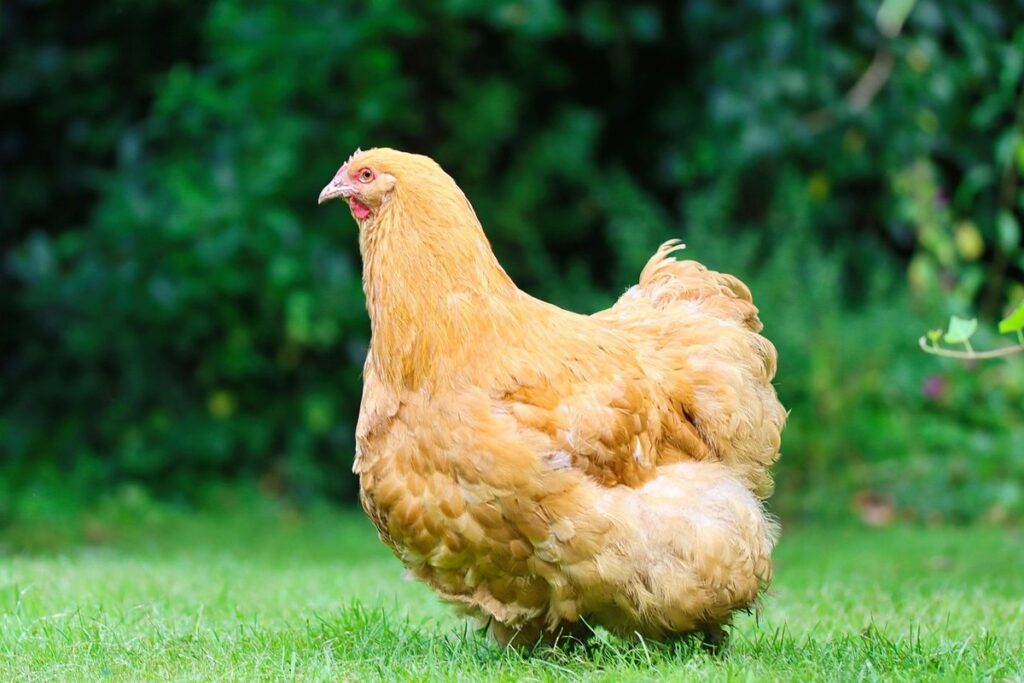
Their feather patterns are also notable, with a beautiful golden-brown plumage that’s soft to the touch. Buff Orpingtons come in various types, including the Jubilee and Black varieties, but their stunning appearance remains consistent across breeds. Regular grooming will help maintain their impressive feathers, keeping them clean and healthy throughout the year.
As a chicken keeper, being aware of these characteristics is essential for providing the best possible care for your Buff Orpingtons. By understanding their unique traits, you’ll be better equipped to create an environment that meets their needs and encourages optimal health and happiness.
Housing and Enclosures for Buff Orpingtons
When it comes to housing your Buff Orpingtons, providing a safe and comfortable environment is crucial for their overall health and well-being. In this section, we’ll discuss the ideal living arrangements for these lovely birds.
Coop Requirements and Design Considerations
When designing a coop for your Buff Orpingtons, there are several essential features to consider. First and foremost, adequate ventilation is crucial to prevent the buildup of ammonia from their droppings, which can be toxic to both humans and birds. Ensure that your coop has windows or vents that provide sufficient airflow and allow for cross-ventilation.
Insulation is another vital aspect to consider, as Buff Orpingtons are sensitive to extreme temperatures. A well-insulated coop will help maintain a comfortable temperature range between 40°F and 80°F (4°C and 27°C), keeping your birds happy and healthy. You can use materials like straw or shredded newspaper for bedding to provide insulation.
Predator protection is also essential, as Buff Orpingtons are vulnerable to predators like foxes, coyotes, and hawks. A sturdy coop design with hardware cloth or chicken wire around the enclosure will help keep your birds safe. Ensure that there’s enough space inside the coop for your birds to move around comfortably – a good rule of thumb is 2-3 square feet per bird.
Remember, providing an adequate coop environment will greatly impact the health and well-being of your Buff Orpingtons.
Run and Fencing Guidelines
When designing a safe and secure run area for your buff orpingtons, there are several key considerations to keep in mind. First and foremost, the fencing material should be sturdy enough to withstand the elements and any potential threats from predators such as raccoons, foxes, or hawks. Chicken wire is not recommended as it can be easily torn apart, so opt for hardware cloth with openings of 1 inch or smaller.
The size of the run area will also play a crucial role in ensuring your buff orpingtons get enough exercise and mental stimulation. A general rule of thumb is to provide at least 2-4 square feet of space per bird inside the coop, but ideally you’ll want to create a much larger enclosed area for them to roam around. Consider incorporating exercise equipment such as a swing or a ramp to keep your birds active.
Remember to include perches and roosts within the run area to allow your buff orpingtons to fly up and get some elevation. This will also make it easier for you to collect eggs from the nesting boxes without disturbing the birds below.
Nutrition and Diet for Buff Orpingtons
To keep your Buff Orpingtons happy and healthy, it’s essential to provide them with a balanced diet that meets their unique nutritional needs throughout their various life stages. This section will guide you on what to feed them.
Understanding their Nutritional Needs
When it comes to feeding your Buff Orpingtons, understanding their nutritional needs is crucial for their overall health and well-being. These friendly birds require a balanced diet that includes protein sources, calcium, and essential vitamins and minerals.
A high-quality layer feed should form the basis of your Buff Orpington’s diet, providing around 16-18% protein to support egg production. However, it’s also important to supplement with fresh fruits and vegetables to ensure they’re getting a broad range of nutrients. Leafy greens like kale and spinach are rich in calcium, while carrots and sweet potatoes provide essential vitamins and minerals.
To avoid nutritional deficiencies, make sure to include a source of protein such as mealworms or crickets 1-2 times a week. You can also offer oyster shells as a calcium supplement to support strong eggshell production. Remember to provide fresh water at all times, and consider adding a probiotic powder to their feed to support digestive health.
By following these guidelines, you’ll be well on your way to providing your Buff Orpingtons with the nutrients they need to thrive.
Tips for Providing a Balanced Diet
When it comes to providing a balanced diet for your Buff Orpingtons, you want to make sure they’re getting all the nutrients they need without overfeeding them. A well-balanced diet is crucial for maintaining their overall health and preventing obesity.
Start by providing high-quality commercial feed as the main staple of their diet. Look for feeds that are formulated specifically for layers or broilers, depending on your Buff Orpington’s age and stage of life. You can supplement their diet with fruits and vegetables to add variety and essential vitamins and minerals.
Avoid overfeeding by limiting treats to about 10% of their daily calorie intake. Some healthy treat options include leafy greens like kale and spinach, as well as chopped carrots and apples. Remember that every Buff Orpington is different, so be sure to monitor your flock’s weight and adjust their diet accordingly.
Consider adding supplements like oyster shells or crushed eggshells to support strong bone health and prevent eggshell problems. However, always follow the manufacturer’s instructions for proper use and dosing.
Health and Hygiene for Buff Orpingtons
When it comes to keeping your Buff Orpingtons healthy, maintaining good health and hygiene practices is crucial. Regular cleaning of their coop and living area will help prevent diseases from spreading among your flock.
Common Health Issues and Prevention Strategies
As you care for your Buff Orpington flock, it’s essential to be aware of common health issues that may arise. Respiratory problems are a significant concern, particularly during cold weather when drafts can exacerbate conditions like pneumonia and bronchitis. Regular vaccination programs can help prevent these issues, but maintaining a clean and well-ventilated coop is also crucial.
Parasites, such as mites, lice, and fleas, can infest your flock, causing discomfort and disease transmission. Monitor for signs of parasite activity, like excessive scratching or feather pecking, and perform regular checks on your birds. Treat any infestations promptly with appropriate medication, and ensure good coop hygiene to prevent re-infestation.
Egg-related issues, including reproductive problems and egg binding, can also affect Buff Orpington hens. Ensure a balanced diet rich in calcium and provide adequate nesting boxes to promote healthy egg-laying habits. Regular health checks and monitoring of your flock’s overall well-being will help identify potential problems early on, allowing you to take preventative action.
Keep an eye out for any changes in behavior or appearance, as these can often be indicative of underlying health issues. A proactive approach to health care, combined with regular maintenance tasks like cleaning the coop and changing bedding, will go a long way in maintaining a healthy and thriving flock.
Biosecurity Measures to Prevent Disease Spread
When it comes to keeping your Buff Orpingtons healthy and thriving, biosecurity measures play a crucial role. Vaccinations are an essential part of disease prevention. Consult with a veterinarian to determine the best vaccination schedule for your flock. This typically includes vaccinations against diseases such as Marek’s Disease, Newcastle Disease, and Avian Influenza.
Quarantine protocols should be implemented when introducing new birds to your existing flock. This involves isolating the new birds from the rest of the flock for a period of 30-60 days to monitor their health. Keep them in a separate enclosure with adequate ventilation, food, and water. Regularly inspect the new birds for signs of illness.
Sanitation procedures are also vital in preventing disease spread. Ensure your coop and run are clean and free from debris. Disinfect all surfaces regularly, paying particular attention to areas where food and water are dispensed. Remove soiled bedding and replace it with fresh material.
Breeding and Egg-Laying Considerations for Buff Orpingtons
When it comes to raising Buff Orpington chickens, understanding their breeding and egg-laying needs is crucial to ensure a healthy and productive flock. Let’s dive into the specific considerations for these lovable birds.
Understanding their Reproductive Cycle
Understanding the reproductive cycle of Buff Orpingtons is essential for breeders and owners who want to successfully raise their flock. The ideal breeding age for hens is around 18-24 months, when they have reached physical maturity. However, some breeders may start breeding at 16 months, provided the hen has a good temperament and shows potential as a mother.
The gestation period of Buff Orpingtons typically lasts between 21-22 days, after which you can expect to see eggs being laid more frequently. Hens usually go broody once or twice a year, with some taking up to three clutches in a row. This means they will stop laying eggs and focus on incubating their eggs instead.
If you’re looking to breed your Buff Orpingtons, it’s crucial to monitor their reproductive cycle closely. A good starting point is to keep track of the age and breeding status of each hen, ensuring that only mature hens are bred. This will not only help you avoid health issues but also improve the chances of successful hatchlings.
For multiple breeding goals, consider creating a chart or spreadsheet to manage this data. You can track specific dates for egg-laying cessation, onset of broodiness, and even predict upcoming clutches based on past performance.
Tips for Maximizing Egg Production
When it comes to maximizing egg production from your Buff Orpingtons, it’s essential to focus on providing an optimal environment that encourages regular laying. First and foremost, ensure your flock is receiving adequate light. Laying hens need around 14 hours of daylight to produce eggs consistently, so consider investing in supplemental lighting if you live in an area with limited natural sunlight.
A healthy diet rich in calcium is also crucial for egg production. Provide a balanced layer feed as the main staple, but supplement with fresh fruits and vegetables daily. Leafy greens like kale and spinach are particularly beneficial, as they’re high in calcium and other essential nutrients.
Monitor your flock’s behavior closely, watching for signs of stress or over-breeding. A stressed bird is unlikely to lay eggs regularly, so ensure a clean, safe, and comfortable living environment. Keep an eye out for egg production patterns, too – if you notice a decline, adjust their diet or lighting as needed. By prioritizing these factors, you’ll be well on your way to maximizing egg production from your Buff Orpingtons.
Handling and Socialization of Buff Orpingtons
When it comes to buff orpington care, socialization is a crucial aspect that requires attention from an early age. Proper handling and socialization will help your birds become friendly, docile companions.
Gentle Handling Techniques for Chickens
When handling buff orpingtons, it’s essential to prioritize gentle techniques that foster trust and comfort. This is particularly crucial during their early stages of development when they’re most impressionable. To begin building a strong bond with your birds, start by getting them accustomed to regular interactions from an early age.
Begin by letting the chickens come to you instead of reaching for them. Hold out treats like sunflower seeds or mealworms to entice them towards you. As they grow more confident, gradually introduce gentle petting and stroking, focusing on their preferred areas such as under the wings or along the back. Be mindful of personal space and avoid sudden movements that may startle them.
Gentle handling also involves being aware of body language cues. If your bird tenses up or tries to escape, it’s a clear sign that they need more time to adjust. Similarly, watch for relaxed postures like squatting or leaning against the coop walls – these indicate a sense of security and trust in their handler.
Tips for Introducing New Birds to the Flock
When introducing new Buff Orpingtons to an existing flock, it’s essential to do so gradually and with careful consideration. Sudden introductions can lead to conflicts, stress, and even injury. To minimize these risks, start by keeping the new birds separate from the main flock for a few days to allow them to settle in and get familiar with their new surroundings.
Begin by letting the new birds explore their temporary enclosure while giving the existing flock access to the same area through a fence or divider. This will allow both groups to become accustomed to each other’s presence without direct interaction. Once you feel they’ve had sufficient time to acclimate, it’s time for supervised introductions. Start with short periods of visual contact and gradually increase face-to-face interactions.
Monitor your birds’ behavior closely during this process, intervening promptly if you notice any signs of aggression or stress. With patience and caution, introducing new Buff Orpingtons to the flock can be a smooth and successful experience.
Frequently Asked Questions
What’s the ideal flock size for Buff Orpingtons, and how can I ensure they’re getting enough social interaction?
The ideal flock size varies depending on your available space, but a general rule of thumb is to provide at least 2-3 square feet per bird inside the coop. For social interaction, consider introducing new birds gradually to prevent stress, and make sure your Buff Orpingtons have adequate access to perches, nesting boxes, and scratching areas.
How often should I clean and disinfect my Buff Orpington’s coop and run, and what are some effective cleaning products?
Cleaning and disinfecting regularly is crucial for maintaining a healthy environment. Aim to clean the coop every 1-2 months, depending on the number of birds and their level of soiling. Use a pet-safe, non-toxic cleaner specifically designed for poultry coops, following the manufacturer’s instructions.
What are some common health issues in Buff Orpingtons, and how can I prevent them?
Common health issues include respiratory problems, mites, and internal parasites. To prevent these, ensure your birds have adequate ventilation, provide regular dust baths or showers, and maintain a clean coop environment. Also, consider incorporating probiotics into their diet to support gut health.
Can I keep Buff Orpingtons in a smaller backyard with limited space, or do they require a larger area?
Buff Orpingtons are relatively adaptable to small spaces but still need some room to roam. If you have a compact yard, focus on providing a well-ventilated coop and adequate perching areas within the coop itself. Also, ensure your Buff Orpingtons have access to a secure, predator-proof run for exercise.
How do I handle health issues in my Buff Orpington flock, and what are some essential supplies I should keep on hand?
If you notice any signs of illness or injury, consult a veterinarian experienced with poultry care. Keep essential supplies like first aid kits, antiseptic wipes, and over-the-counter medications for minor issues on hand. Regularly inspect your birds’ overall health and behavior to catch potential problems early.