
If you’re considering bringing home a Cochin chicken, one of the most essential things to consider is their impressive size. These gentle giants are known for their large, fluffy feathers and robust build, making them a popular choice among backyard farmers and enthusiasts alike. But before you decide on adding a Cochin to your flock, it’s crucial to understand just how big they can get – and what that means for your coop and care routine.
In this article, we’ll delve into the fascinating world of Cochin chicken size, exploring their breed history, characteristics, and care requirements in detail. We’ll cover everything from their growth rate and adult weight to dietary needs and exercise requirements, ensuring you’re equipped with all the knowledge you need to provide a happy and healthy life for your feathered friends. Whether you’re a seasoned farmer or just starting out, this guide will help you make informed decisions about bringing home a Cochin chicken – and providing them with the best possible care.
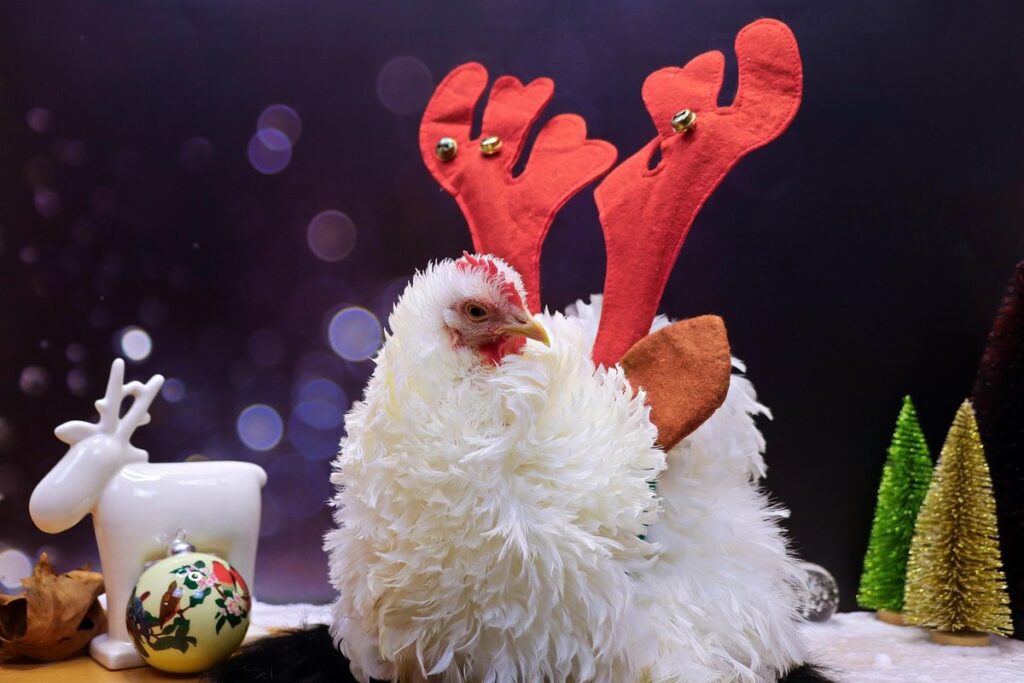
Introduction to Cochin Chickens
Cochin chickens are known for their impressive size, but how big can they really get? Let’s dive into what you need to know about these gentle giants.
History of the Breed
The Cochin breed has a rich history that spans over two centuries. Originating from China, these gentle giants were first brought to England in the early 19th century and quickly gained popularity among poultry enthusiasts due to their stunning appearance and friendly temperament. The name “Cochin” is derived from the city of Cochinchina, which is now known as Vietnam.
In the mid-1800s, Cochin chickens were introduced to North America, where they became a staple in many backyard flocks. They quickly gained fame for their impressive size, with some males reaching up to 20 pounds or more. Their massive feathers and fluffy plumage made them a sought-after breed among show enthusiasts.
Despite their popularity, the Cochin breed’s numbers began to decline in the early 20th century due to crossbreeding with other large fowl breeds. However, thanks to dedicated breeders and conservation efforts, the Cochin has experienced a resurgence in recent years. Today, they are recognized as an American Bantam Association (ABA) heritage breed, making them a unique and valuable addition to any backyard flock.
Brief Overview of the Breed
Cochin chickens are one of the largest and most recognizable breeds in the world. Originating from China, they were first introduced to Europe in the 19th century and have since become a popular choice among chicken enthusiasts. One of their most distinctive characteristics is their impressive size – Cochin hens can weigh up to 12 pounds (5.4 kg) and reach lengths of 20 inches (51 cm), while roosters can grow even larger, reaching weights of up to 15 pounds (6.8 kg).
In addition to their physical stature, Cochins are also known for their friendly and docile nature. They make great family pets and are often described as “lap chickens” due to their affectionate personality. However, this gentle nature can sometimes be a drawback – Cochins can become quite tame and may require extra care to prevent them from wandering off or becoming too comfortable around people.
Egg-laying is another important aspect of the Cochin breed. While they don’t lay as many eggs as some other breeds (around 200 per year), their large size means that each egg is significantly larger, making them a great choice for families who want to eat fresh, homegrown eggs.
Body Type and Size Characteristics
When it comes to Cochins, their body type and size characteristics can vary significantly from one bird to another. In this next section, we’ll break down these unique traits.
Physical Description
Cochins are one of the largest breeds of domestic chickens, and their physical appearance is just as impressive as their size. When it comes to body shape, Cochins have a broad, rounded body with a short, compact tail and well-set wings. Their feathering is quite long and fluffy, particularly around the thighs and belly, which gives them a delightfully soft and gentle appearance.
In terms of weight range, Cochins are indeed massive birds, weighing anywhere from 10 to 16 pounds (4.5 to 7.2 kg) or more for roosters, while hens typically weigh between 8 to 12 pounds (3.6 to 5.4 kg). It’s worth noting that individual weights can vary depending on several factors such as diet, age, and overall health.
Their plumage is one of the most distinctive features of Cochins, with long, soft feathers in a wide range of colors including white, black, blue, and many others. Some varieties even have golden or silver sheen to their feathers, which adds an extra touch of beauty and elegance to this already stunning breed.
Measuring Cochin Chickens: Weight and Length
Measuring your Cochin’s size accurately is crucial to determine their optimal weight and length ranges. To do this, you’ll need a reliable scale and a flexible measuring tape. Start by weighing your bird on the scale, ideally when they’re 12-18 months old for an accurate measurement.
For length, measure from the tip of the beak to the end of the tail feathers. Make sure to keep the measuring tape flat against the bird’s back for accuracy. A Cochin’s ideal weight range is between 8 and 13 pounds (3.6 to 5.9 kilograms), depending on their sex and breed standard.
For length, you’re aiming for around 24-30 inches (61-76 centimeters) from beak to tail. Keep in mind that these are general guidelines and can vary based on individual bird characteristics and the specific breed standard. Regular weighing and measuring will also help you track any significant changes or health issues with your Cochin.
To ensure accurate measurements, consider taking multiple readings at different times of the day or week to account for any variations in weight due to food intake or other factors.
Factors Affecting Size: Nutrition, Genetics, and Environment
When it comes to determining the size of your Cochin chickens, several key factors come into play, including their diet, genetics, and environmental conditions. Let’s dive in and explore each of these influences.
The Role of Nutrition in Determining Size
When it comes to Cochin chicken size, nutrition plays a crucial role in determining their growth rate and overall size. A well-balanced diet that meets the essential nutritional needs of these birds is vital for optimal growth. Cochins require a high-calorie diet rich in protein, energy, and nutrients such as calcium, phosphorus, and vitamins.
A good quality commercial layer feed or starter feed can provide the necessary nutrients for growth. However, it’s also crucial to supplement their diet with fresh fruits, vegetables, and grains. For example, providing crushed oyster shells or dark leafy greens like kale and spinach can help meet their calcium needs.
It’s essential to note that overfeeding can lead to obesity in Cochins, which can negatively impact their size and overall health. Therefore, it’s crucial to monitor their feed intake and ensure they’re getting the right balance of nutrients. A general rule of thumb is to provide 1/4 pound of food per bird per day for every 10 birds. Additionally, providing clean water at all times is also vital to prevent dehydration.
By providing a balanced diet that meets their nutritional needs, you can help your Cochin chickens grow into healthy and large birds.
Genetic Influences on Size and Growth Rate
Genetics play a significant role in determining a Cochin’s final size and growth rate. Heritability studies have shown that genetics account for approximately 70-80% of the variation in chicken body weight, while environment and nutrition contribute to the remaining 20-30%. When it comes to Cochins specifically, breeders can leverage this knowledge to influence their birds’ size.
Cochin breeding programs often focus on selecting individuals with desirable traits, such as increased size or improved growth rate. Breeders may choose to prioritize genetic diversity within their flock by introducing new bloodlines or using artificial selection techniques like linebreeding and inbreeding. For example, the American Bantam Association recommends a minimum of 10 generations of pedigree data for birds entered into their shows.
To breed Cochins with optimal size and growth rate, it’s essential to understand the genetic contributions of individual parents. Breeders can use data on heritability and phenotypic expression to make informed decisions about pairing birds. By selecting for desirable traits and maintaining a diverse gene pool, you can influence your Cochin flock’s size and growth characteristics over time.
If you’re just starting out with Cochins, consider working with established breeders who have experience in genetic selection. They can provide valuable insights into their breeding programs and help you get started on the right foot. Remember that genetics is just one aspect of determining your Cochins’ size and growth rate – nutrition and environmental factors also play a crucial role.
Health Implications of Large Breed Size
As you consider bringing a Cochin into your flock, it’s essential to understand how their large size can impact their overall health and wellbeing. We’ll explore these important implications in more detail below.
Common Health Issues Affecting Large Breeds
As you’re learning about the wonderful world of Cochins, it’s essential to consider their size and potential health implications. Large breed chickens, like Cochins, are prone to certain health issues due to their stature. One common problem is joint problems. As these birds grow, their joints can become strained, leading to discomfort and mobility issues. This can be caused by excessive weight, which is another issue for large breeds. Overeating or a lack of exercise can lead to obesity, making it even more challenging for your Cochin’s joints.
Other health concerns include respiratory difficulties. The larger size of Cochins means they have shorter airways, making breathing more labored. This can be exacerbated by obesity and joint issues, as the added weight puts extra pressure on their lungs. To mitigate these risks, make sure to provide a balanced diet and plenty of space for exercise. Regular check-ups with your veterinarian are also crucial in monitoring your Cochin’s health.
By being aware of these potential issues, you can take proactive steps to ensure your Cochin lives a happy and healthy life.
Managing the Health Risks: Tips for Cochin Owners
As a Cochin owner, it’s essential to be aware of the health risks associated with their large breed size. To mitigate these risks, you must prioritize exercise, nutrition, and veterinary care. Regular physical activity is vital for Cochins, as they can suffer from obesity-related issues if not exercised regularly. Aim for at least 30 minutes of daily exercise, which could include free-range roaming or supervised playtime.
A balanced diet is also crucial in maintaining your Cochin’s health. Feed a high-quality commercial feed specifically formulated for large breed chickens. Avoid overfeeding, as this can lead to joint problems and other health issues. Ensure access to fresh water at all times, and provide a calcium-rich supplement to support strong bone growth.
Regular veterinary check-ups are essential in monitoring your Cochin’s health. Schedule annual check-ups with a qualified avian veterinarian to monitor for signs of joint disease, obesity, or other breed-specific conditions. With proper care and attention, you can help minimize the risks associated with large breed size and ensure your Cochin lives a happy and healthy life.
Raising Cochins: Size-Specific Care Considerations
When it comes to raising Cochins, understanding their unique size needs is crucial for providing the best care. This section breaks down the specific considerations for each size group of Cochin chickens.
Housing and Space Requirements
Cochins are a large breed of chicken, and as such, they require plenty of space to move around comfortably. When it comes to housing, you’ll want to provide a coop that’s at least 3-4 square feet per bird inside the coop, with additional outdoor space for free-ranging. However, given their size, Cochins need more room than your average chicken breed.
In reality, the ideal setup would be to provide a minimum of 10-15 square feet of outdoor space per bird for them to roam and exercise freely. This may seem like a lot, but trust us – it’s essential for these gentle giants to stay happy and healthy. You can either build a large fenced area or partition off a section of your existing run to create a cochin-specific zone.
It’s also crucial to consider the growth rate of Cochins. As they grow, their wingspan increases significantly, so you’ll want to ensure that any enclosure is sturdy enough to withstand their eventual size. A good rule of thumb is to think vertically – build upwards rather than outwards to maximize space without sacrificing safety and security.
Exercise and Activity Levels
When it comes to raising Cochins, their size can often be overlooked when considering their exercise and activity levels. However, providing a stimulating environment is crucial for the overall health and well-being of these birds. Regular exercise not only helps maintain a healthy weight but also reduces stress and prevents boredom-related behaviors.
Aim to provide at least 4-6 hours of space for your Cochins to roam freely each day. You can achieve this by creating a large enclosure or rotating their outdoor access. Consider adding toys, perches, and scratching posts to keep them engaged and active. A simple example is placing a few hanging containers filled with treats like oats or millet.
For indoor coops, make sure there’s enough space for your birds to move around comfortably. Aim for at least 2-3 square feet of space per bird. Add some vertical elements like ladders or shelves to allow them to exercise their climbing muscles and get a good workout. Providing a stimulating environment will keep your Cochins happy, healthy, and active throughout the year.
Conclusion: Embracing the Unique Characteristics of Cochin Chickens
Now that we’ve explored the fascinating world of Cochin chicken sizes, let’s wrap up our journey by embracing their truly unique characteristics and what makes them special.
Appreciating the Breed’s Size and Qualities
As you’ve learned about the Cochin chicken’s size and characteristics throughout this guide, it’s essential to appreciate their unique qualities that make them a favorite among backyard chicken enthusiasts. One of the main reasons Cochins are popular is due to their gentle nature. They’re known for being calm and docile, making them an excellent choice for families with children or for those who want to keep chickens in a small backyard.
Another reason Cochins stand out is their impressive size. While some breeds can be intimidating due to their large size, Cochins are generally quite laid-back. Their massive size often leads to amusing situations, especially when they’re waddling around the yard. It’s not uncommon for owners to joke about their chickens being more like “chicken-dogs” than actual poultry.
Cochins also possess an attractive appearance that many find endearing. They come in a variety of colors and patterns, adding to their charm. Their fluffy feathers require regular grooming to prevent matting, but the extra attention is well worth it – they’re truly stunning birds.
So, what makes Cochins so lovable? It’s likely because of their gentle disposition combined with their impressive size and attractive appearance. For those who value a more laid-back chicken experience, Cochins are an ideal choice. If you’re considering bringing a Cochin into your flock, don’t be surprised if they become the star attraction in your backyard.
In terms of practical advice for Cochin owners, it’s essential to remember that their size requires some extra care. Providing enough space and ensuring they have adequate exercise will help prevent health issues related to obesity. Regular grooming is also crucial to maintaining their beautiful feathers. With a little patience and attention, Cochins can thrive in even the smallest of backyards, bringing joy and entertainment to their owners for years to come.
Frequently Asked Questions
How do I determine if my Cochin is getting the right amount of space to prevent health issues?
When considering the housing and space requirements for your Cochin, it’s essential to remember that they can grow quite large, with some males reaching up to 14 pounds in weight. To ensure your bird has enough room to move around comfortably, provide at least 2-3 square feet of floor space per chicken inside the coop and a minimum of 8-10 square feet per chicken in the run.
Can I keep multiple Cochin chickens together in a small flock?
While Cochins are known for their friendly and docile nature, introducing multiple birds to each other can be challenging. To minimize stress and prevent conflicts, it’s recommended to introduce new birds gradually, starting with visual introductions through fencing or mesh before allowing them to interact physically.
How often should I exercise my Cochin chickens to ensure they stay healthy?
Cochins are relatively low-maintenance when it comes to exercise needs, but regular activity is still crucial for maintaining their physical health. Aim to provide at least 30 minutes of supervised free-range time or structured playtime per day, incorporating activities such as foraging, climbing, and running.
What are some signs that my Cochin’s growth rate is being affected by nutrition or genetics?
Monitoring your bird’s growth and development regularly is crucial in identifying potential issues early on. Keep an eye out for slow weight gain, stunted growth, or irregular feathering patterns, which could be indicative of nutritional deficiencies or genetic predispositions affecting size and growth.
How can I ensure my Cochin chickens get enough protein to support their large size?
Protein is essential for maintaining muscle mass and promoting healthy growth in your Cochin. To ensure they’re getting sufficient protein, provide a balanced layer feed containing at least 16% protein as the main staple of their diet, supplemented with occasional treats such as mealworms or sunflower seeds to add variety and interest.