
If you’re looking to add some lovable personalities to your backyard flock, look no further than the Barred Rock chicken breed. Known for their friendly nature and docile temperament, these birds are perfect for families or first-time chicken owners who want a low-maintenance yet affectionate pet. But what makes the Barred Rock’s temperament so special? In this article, we’ll delve into the characteristics that make them a beloved choice among backyard flock enthusiasts. From their calm demeanor to their relatively low noise level, you’ll learn everything you need to know about introducing these wonderful birds to your family. Whether you’re a seasoned chicken keeper or just starting out, get expert tips on caring for your Barred Rocks and discover why they’re the perfect addition to any homestead.
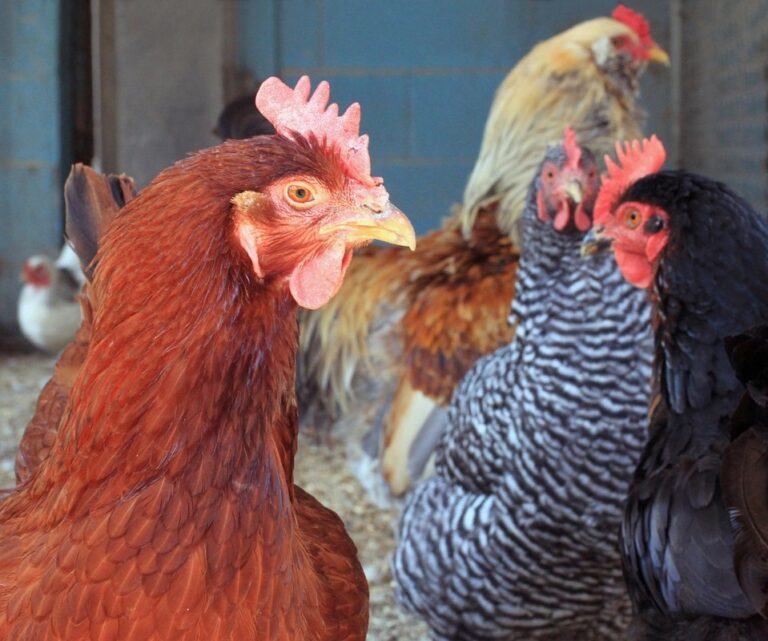
Introduction to Barred Rock Chickens
If you’re considering bringing home a new feathered friend, let’s start by diving into what makes the Barred Rock chicken breed so unique and lovable. Their fascinating temperament is just one of the many reasons why they’re a favorite among backyard flock owners.
History and Origin of the Breed
The Barred Rock chicken breed has its roots in the early 20th century, specifically between 1880 and 1920. Developed by crossing various breeds of chickens to create a robust and friendly bird, the Barred Rock is known for its distinctive black and white feathers. This breed was created by farmers who needed a reliable layer that could thrive in harsh weather conditions.
The genetic makeup of the Barred Rock is predominantly influenced by the Plymouth Rock breed, which contributed to its exceptional cold-hardiness and egg-laying abilities. Breeders also introduced other breeds, such as the Java and Cochin, to enhance the bird’s temperament and overall performance. As a result, the Barred Rock chicken became a popular choice for backyard flocks and commercial farms alike.
The Barred Rock chicken’s history is a testament to selective breeding, which aimed to create a breed that could excel in various environments. By understanding its origins and genetic makeup, you can appreciate the unique characteristics that make the Barred Rock an ideal addition to your flock. This knowledge will also help you better understand their temperament and behavior, as discussed later in this comprehensive guide.
Physical Characteristics of Barred Rocks
The physical characteristics of Barred Rocks are just as endearing as their temperaments. One of the most distinctive features of this breed is their plumage. Barred Rocks have a beautiful black and white striped pattern, which covers their entire body except for their face and legs. The black bars are evenly spaced, creating a striking contrast with the white ground color.
In addition to their unique plumage, Barred Rocks also possess a medium-sized build, weighing between 4-6 pounds on average. Their beak shape is another notable feature – it’s medium-length, curved slightly at the tip, and strong enough for scratching in the dirt. When it comes to size, Barred Rocks are considered large fowl, but they’re relatively compact compared to other breeds.
The overall appearance of a Barred Rock is impressive, with their striking plumage and sturdy build making them a popular choice among backyard chicken keepers. If you’re considering adding Barred Rocks to your flock, be prepared for their robust appetites – they love to eat! With the right care and attention, however, these beautiful birds will reward you with plenty of eggs and affection.
Temperament Traits of Barred Rock Chickens
When it comes to temperament, Barred Rocks are known for being friendly and docile, making them a great fit for families and backyard flocks. Let’s take a closer look at their distinct personality traits.
Friendliness and Affection Towards Humans
One of the most delightful aspects of owning Barred Rock chickens is their exceptional friendliness and affection towards humans. These birds are known to form incredibly close bonds with their owners, often becoming more like pets than mere farm animals.
Barred Rocks are highly social creatures that thrive on interaction, making them an excellent choice for families or individuals who want a companionable flock. They have been observed to follow their owners around the yard, seeking attention and affection, and will even snuggle up against their legs while being petted. In fact, it’s not uncommon for Barred Rock chickens to become so attached to their owners that they’ll even perch on their shoulders or jump onto laps for cuddles.
To foster a strong bond with your Barred Rock, make sure to spend quality time with them each day, engaging in activities like feeding, grooming, and playtime. Be consistent with your interactions, using positive reinforcement techniques like treats and praise to encourage friendly behavior. With patience, love, and attention, your Barred Rock will reward you with years of loyal companionship and affection.
Docility and Ease of Handling
One of the most appealing aspects of Barred Rocks is their docile nature. They are known to be gentle and calm, making them an excellent choice for families with children who want to raise chickens. When it comes to handling, Barred Rocks are extremely easy-going and can tolerate being picked up, held, and even cuddled. This is why they’re often referred to as “laid-back” birds.
In fact, many chicken keepers have reported that their Barred Rocks will readily follow them around the yard, seemingly enjoying the attention. Their docility also makes them a great breed for new chicken owners who may be nervous about handling their flock. Children can safely and easily handle Barred Rocks, teaching them valuable lessons about responsibility and animal care.
To take advantage of this temperament trait, it’s essential to socialize your Barred Rock chicks from an early age. Spend time with them daily, handling them gently and getting them accustomed to human touch. With proper socialization, your Barred Rock will become a trusted companion that thrives on interaction and attention.
Noise Level: Are Barred Rocks Loud?
When it comes to noise level, one of the first things many people wonder about when considering bringing Barred Rock chickens into their backyard flock is whether they are loud. The truth is that like all chickens, Barred Rocks make various vocalizations to communicate with each other and express emotions.
Barred Rock chickens are known to be moderate in terms of noise level compared to some other breeds. They will often cluck softly when foraging or interacting with their flock members, while a more insistent crowing sound can be heard during the early morning hours. In general, Barred Rocks tend to make less noise than Leghorns or Rhode Island Reds but may produce more noise than quieter breeds like Orpingtons.
For urban backyard flocks, this level of noise is generally manageable. However, if you live in a particularly quiet neighborhood or have close proximity to your neighbors, it’s essential to consider the overall noise levels and adjust accordingly. Consider introducing other low-to-moderate noise breeds to complement the Barred Rocks for a harmonious coexistence with your neighbors.
If you’re concerned about noise levels in your backyard flock, don’t overlook factors such as regular exercise and mental stimulation. Chickens that are happy and engaged tend to vocalize less than those that are bored or stressed.
Social Structure and Compatibility with Other Chickens
When it comes to social dynamics, Barred Rock chickens are generally adaptable and can get along with other breeds – but some may be more compatible than others. Let’s explore their social structure and how they fare in flocks.
Getting Along with Other Breeds
When it comes to getting along with other breeds, Barred Rocks are generally considered to be good-natured and tolerant. However, as with any breed, their temperament can vary depending on individual personalities and the flock dynamics.
One thing to keep in mind is that Barred Rocks are a medium-sized breed, so they can hold their own in larger flocks without getting intimidated or dominating smaller birds. In fact, their calm demeanor makes them an excellent choice for mixed-breed flocks where you might have smaller breeds like Silkies or Polish.
To ensure harmony among different breeds, it’s essential to introduce them slowly and under close supervision. Start by separating the birds during the day and introducing them gradually over time, allowing each bird to become familiar with its new companions.
In general, Barred Rocks are compatible with most breeds, but some exceptions might include smaller or more assertive birds that may not take kindly to their gentle but confident nature. As a responsible flock owner, it’s crucial to observe your birds’ behavior and adjust the flock dynamics accordingly.
Hierarchy and Dominance within the Flock
When introducing new chickens to your flock, it’s essential to consider their compatibility with Barred Rocks. These birds are known for their gentle nature and docile temperament, but like any breed, they can establish a pecking order within the group.
Barred Rocks tend to be social birds that thrive in the company of others. They’re relatively easy-going and will often tolerate other breeds as long as their space is respected. However, if you’re introducing new chickens to a flock with existing Barred Rocks, there’s a chance for dominance issues to arise.
This can manifest in aggressive behavior towards younger or lower-ranking birds, so it’s crucial to monitor your flock’s dynamics closely. To minimize conflicts, make sure to introduce new birds gradually and under close supervision. This will give the more dominant birds time to adjust to the newcomers and reduce tension within the group. With proper introduction and management, a harmonious flock is achievable even with Barred Rocks as part of the mix.
In general, a balanced flock composition should include a mix of bird sizes, ages, and breeds to prevent any single breed from dominating others.
Tips for Raising Happy and Healthy Barred Rock Chickens
To ensure your Barred Rock chickens thrive, learn our top tips on creating a happy and healthy environment that suits their unique personalities and needs. From feeding to foraging, we’ve got you covered!
Nutrition and Diet Requirements
When it comes to feeding and caring for Barred Rock chickens, their dietary needs and requirements are relatively straightforward. A balanced diet that includes a mix of grains, proteins, fruits, and vegetables is essential for maintaining their optimal health.
As Barred Rock chickens are considered medium-sized breeds, they require around 1/4 cup of layer feed per pound of body weight daily. For example, a 3-pound Barred Rock hen would need approximately 3/4 cup of layer feed per day. It’s also important to note that chicks and pullets (young hens) have different nutritional requirements than laying hens.
A good quality layer feed should be the foundation of their diet, supplemented with fresh fruits and vegetables daily. Dark leafy greens like kale and spinach are a great source of calcium, essential for strong eggshell production. Fresh fruits such as berries and apples provide necessary vitamins and minerals. Treats like mealworms and sunflower seeds can also be given in moderation.
Providing access to clean water at all times is also crucial, ensuring that your Barred Rock chickens stay hydrated throughout the day.
Exercise and Activity Levels
Providing adequate exercise and activity levels is crucial for maintaining the physical and mental health of Barred Rock chickens. These birds are known to be energetic and curious, so they require regular opportunities to engage in physical activity. A lack of exercise can lead to obesity, stress, and boredom, which can negatively impact their temperament.
To ensure your Barred Rock chicken gets enough exercise, consider the following:
* Provide a spacious run or enclosure that allows for free movement and exploration.
* Offer toys and enrichment activities such as scratching posts, tunnels, and puzzle toys to stimulate their minds.
* Create a daily routine that includes at least 1-2 hours of supervised outdoor time in a secure area, allowing them to roam and engage in natural behaviors like foraging and perching.
By providing adequate exercise and activity levels, you can help maintain the physical and mental health of your Barred Rock chicken, leading to a happier and more balanced temperament.
Common Health Issues in Barred Rock Chickens
Like any chicken breed, Barred Rocks can be prone to certain health issues that you’ll want to be aware of as a responsible owner. Understanding these common problems will help you keep your flock happy and healthy.
Genetic Predispositions and Potential Health Concerns
As we delve into the temperament of Barred Rock chickens, it’s essential to acknowledge that their genetic makeup can influence their susceptibility to certain health concerns. Respiratory issues are a common problem in many chicken breeds, and Barred Rocks are no exception. Their anatomy, including a slightly narrow beak and relatively short breathing passages, can make them more prone to respiratory difficulties, especially in humid or polluted environments.
Another concern is obesity, which can arise from overfeeding or a lack of exercise. Barred Rock chickens, with their friendly and docile nature, are often over-indulged by owners who want to please them. This can lead to weight gain and subsequent health issues, such as heart problems and reduced mobility. To prevent this, it’s crucial for owners to monitor their chickens’ food intake and ensure they get regular exercise through free-ranging or engaging in activities that stimulate their natural behaviors.
Genetic predispositions also play a role in the potential for certain diseases. For example, Barred Rock chickens can be more susceptible to Marek’s disease, a viral infection that affects many chicken breeds. Regular vaccinations and maintaining good biosecurity practices can help mitigate this risk.
To manage these health concerns, it’s vital to provide your Barred Rock chickens with a balanced diet, plenty of space for exercise, and regular veterinary check-ups. By being aware of their potential vulnerabilities and taking proactive steps, you can help ensure the long-term health and well-being of your flock.
Conclusion: Bringing Home a Barred Rock Chicken
Now that you’ve learned all about the wonderful temperament of your new Barred Rock chicken, it’s time to bring them home and integrate into your flock. Here’s what you need to know to ensure a smooth transition.
Preparing Your Backyard Flock for a New Addition
If you’ve decided to bring home a new Barred Rock chicken to join your existing flock, congratulations are in order – this can be an exciting and rewarding experience for both you and your feathered friends! However, introducing a new bird to the mix requires careful planning and consideration to ensure a smooth transition.
Before bringing the new addition home, make sure you’re prepared for the changes that come with integrating a new member into your flock. This includes adjusting your feeding schedule, ensuring adequate space and resources for all birds, and being patient as they get to know each other.
When introducing the new Barred Rock chicken to the existing flock, it’s essential to follow a gradual and controlled approach. Start by keeping the birds separated in different areas of the coop or yard until you’re confident they’ll interact peacefully. You can do this by setting up separate feeding stations or providing individual nesting boxes for each bird.
Begin by allowing them to catch glimpses of each other through wire mesh or fencing, letting them get accustomed to one another’s presence without the risk of direct contact. Once they seem comfortable with each other’s visual presence, it’s time to let them interact under close supervision. Monitor their behavior closely and be prepared to separate them if necessary.
As you integrate your new Barred Rock chicken into the flock, keep a watchful eye on body language cues and behavioral changes. Watch for signs of stress or aggression, such as feather pecking or hissing, and take prompt action to address these issues.
Frequently Asked Questions
Can I keep Barred Rock chickens with other breeds, or do they require a separate flock?
Yes, Barred Rocks are known to get along well with other breeds, making them an excellent choice for mixed flocks. However, introducing new birds requires patience and proper acclimation. Start by keeping the breeds separated at first, then gradually introduce them under close supervision to ensure a smooth transition.
How long does it take for Barred Rock chickens to mature and start laying eggs?
Barred Rocks typically reach maturity between 16-20 weeks of age, with egg production starting around 18-22 weeks. Factors like nutrition, health, and individual bird development can influence this timeline. Ensure your birds receive a balanced diet, adequate light, and proper care to support their growth and egg-laying.
What are some common health issues in Barred Rock chickens that I should be aware of?
Barred Rocks are generally a hardy breed, but like all chicken breeds, they can be prone to certain health issues. Keep an eye out for respiratory problems, mites, and lice. Regular check-ups with a veterinarian, maintaining a clean coop, and providing a balanced diet will help prevent or manage these conditions.
Can I keep Barred Rock chickens in small backyards or do they require more space?
While Barred Rocks are considered relatively low-maintenance, they still need adequate space to roam and exercise. A minimum of 2-4 square feet per bird is recommended for backyard flocks, depending on the number of birds and available space. Ensure your coop and run provide enough room for your birds to stretch their wings and engage in natural behavior.
How do I introduce new Barred Rock chickens to an existing flock to prevent stress and pecking orders?
Introducing new birds requires careful planning and execution. Start by isolating the new arrivals in a separate enclosure, then gradually introduce them to the existing flock under close supervision. Monitor their behavior closely, and consider starting with small groups of 2-3 new birds at a time to ease the transition process.