
Are you raising chickens for meat or eggs, but struggling to balance growth with welfare and sustainability? You’re not alone. Fast-growing chicken breeds can be a game-changer for backyard farmers and large-scale producers alike, but it’s essential to optimize their growth rates without compromising on animal health.
In this article, we’ll explore the fastest-growing chicken breeds that can help you meet your production goals while maintaining a healthy flock. We’ll also delve into expert advice on feed formulation, housing, and genetics to give you a comprehensive understanding of how to accelerate growth rates while prioritizing welfare and sustainability. From layer hens to broilers, we’ll cover it all, providing actionable tips and insights that will help you maximize your chicken’s potential.
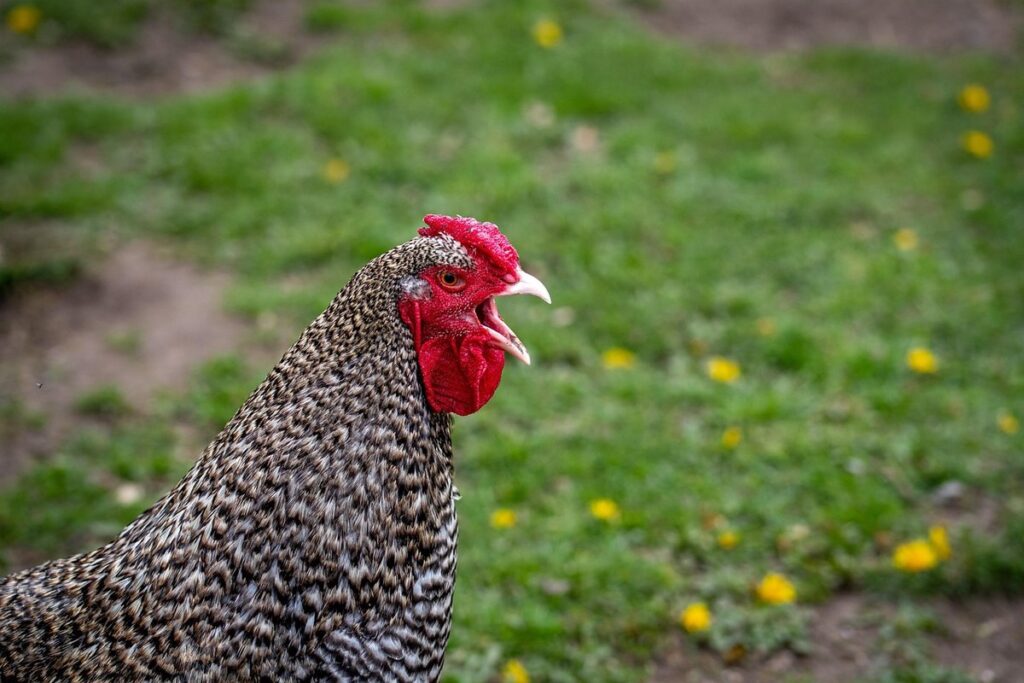
Understanding Chicken Breeds and Growth Rates
When selecting a breed, it’s essential to consider their growth rate, as some can mature faster than others. In this section, we’ll break down key breeds by their average weight gain and maturity periods.
Factors Influencing Growth Rate
When it comes to understanding chicken growth rates, it’s essential to consider the various factors that influence this critical aspect of poultry production. Genetics play a significant role in determining an individual bird’s growth rate. Some breeds are naturally more inclined to rapid growth due to their genetic makeup. For instance, Cornish Cross chickens are bred specifically for their fast growth rate and can reach market weight in as little as 5-6 weeks.
Nutrition also has a substantial impact on chicken growth rates. A well-balanced diet that provides the necessary amino acids, vitamins, and minerals is crucial for optimal growth. Feeding strategies such as ad libitum feeding or restricted feeding programs can significantly affect growth rates. Environmental conditions like temperature, humidity, and access to light also influence growth rates. Poor living conditions can lead to stress, which can negatively impact growth.
Understanding the interplay between genetics, nutrition, and environmental factors will enable you to optimize your chicken’s growth rate. By implementing a tailored feeding program and ensuring optimal living conditions, you can help your birds reach their maximum growth potential. This knowledge will not only improve efficiency but also enhance the overall health and well-being of your flock.
Types of Chicken Breeds and Their Growth Potential
When it comes to choosing the right chicken breed for your farm or backyard flock, understanding their growth potential is crucial. Different breeds have unique characteristics that affect their growth rate, egg production, and meat quality.
Let’s look at some common chicken breeds and their average growth rates:
* Leghorns: Known for their high egg production, Leghorns grow relatively quickly, reaching maturity in about 18-20 weeks. They are a popular choice for small-scale farms looking to maximize egg output.
* Rhode Island Reds: Friendly and hardy, Rhode Island Reds have an average growth rate of 22-24 weeks. They are a versatile breed suitable for both meat and egg production.
* Plymouth Rocks: Another fast-growing breed, Plymouth Rocks reach maturity in about 20-22 weeks. Their high-quality meat makes them a favorite among backyard chicken keepers.
When selecting a breed, consider your specific needs and goals. If you’re looking to raise chickens for meat, breeds like the Plymouth Rock or Cornish Cross may be more suitable. For egg production, Leghorns or Rhode Island Reds could be a better fit.
Fast-Growing Chicken Breeds
If you’re eager to raise chickens that will be ready for harvest in record time, we’ve got you covered! This section highlights the fastest-growing chicken breeds perfect for commercial and backyard farming.
Cornish Cross: The King of Fast-Growth
If you’re looking to raise chickens that grow at an incredible rate, then the Cornish Cross breed is undoubtedly the way to go. As one of the fastest-growing chicken breeds around, they can reach market weight in as little as 5-6 weeks – that’s less than two months! Their exceptional growth rate makes them a popular choice for commercial farmers and backyard growers alike.
But what exactly makes the Cornish Cross so impressive? For starters, they have an incredibly high feed efficiency, meaning they can convert more of their feed into actual meat. This is because they’re bred specifically to grow fast and efficiently, with a focus on muscle development rather than egg production. However, this rapid growth comes at a cost: Cornish Cross chickens are notoriously susceptible to disease, particularly in hot or humid climates. They require close monitoring and strict biosecurity measures to prevent health issues from arising.
If you do decide to raise Cornish Cross, it’s essential to provide them with plenty of space, fresh air, and access to clean water at all times. You’ll also need to be prepared for the possibility of disease outbreaks and have a plan in place for managing any health issues that may arise. With proper care and management, however, you can enjoy the benefits of raising these exceptional birds.
Broiler Breeds: A Guide to Rapid Growth
When it comes to fast-growing chicken breeds, several options stand out from the rest. Two popular choices among poultry enthusiasts are the Plymouth Rock and Freedom Ranger breeds. These birds are known for their rapid growth rate, reaching maturity in as little as 5-6 weeks.
Plymouth Rocks are a dual-purpose breed, meaning they can be used for both meat and egg production. They have a compact build and are relatively easy to manage, making them ideal for small-scale farmers or backyard chicken keepers. With proper care, Plymouth Rock hens can lay around 280 eggs per year, while their roosters will reach up to 9 pounds in weight.
Freedom Rangers, on the other hand, are a type of slow-growing meat bird specifically bred for their rapid growth rate and intense flavor. They require less space and feed than some other breeds, making them a cost-effective option for farmers looking to produce high-quality chicken without breaking the bank. With proper nutrition, Freedom Ranger roosters can reach up to 5 pounds in just 7 weeks.
In terms of production requirements, both breeds are relatively low-maintenance. They require regular feeding, watering, and shelter from predators, but they don’t need as much space or specialized care as some other fast-growing breeds. This makes them perfect for small-scale farmers or those new to raising chickens.
Slow-Growing Chicken Breeds
If you’re looking for a more laid-back approach to raising chickens, slow-growing breeds might be just what you need. We’ll explore some of these breeds and their characteristics here.
Heritage Breeds: Preserving Traditional Characteristics
Heritage breeds are a vital part of preserving traditional characteristics in poultry. These unique birds have been around for centuries and offer a glimpse into the past. When it comes to slow-growing chicken breeds, heritage breeds like the Silkie, Brahma, and Polish take center stage.
These breeds are known for their slower growth rate, often taking up to 24 weeks or more to reach maturity. However, this slower pace allows them to develop rich, complex flavors in their meat, making them a prized choice among chefs and farmers alike. For small-scale or specialty farms, heritage breeds like these can be an attractive option.
One of the main advantages of raising heritage breeds is that they offer a distinct set of characteristics that are often lost in modern commercial breeding practices. Their unique appearances, temperaments, and egg-laying abilities make them stand out from more conventional breeds. If you’re considering adding heritage breeds to your flock, be prepared for a longer growth cycle and the potential for lower yields.
For those willing to invest time and effort into preserving these traditional characteristics, the rewards are well worth it. By choosing heritage breeds like the Silkie or Brahma, farmers can tap into a market that values unique products and experiences. Whether you’re an experienced farmer or just starting out, incorporating heritage breeds into your flock can be a rewarding experience for both you and your customers.
Dual-Purpose Breeds: A Balance of Growth and Production
Dual-purpose breeds are often favored for their ability to excel in both growth rate and production potential. Take Leghorns, for instance – they’re a popular choice among backyard chicken keepers due to their rapid growth rate and impressive egg-laying capabilities. These birds can start laying eggs at around 18 weeks of age and can produce an astonishing 280-300 eggs per year.
On the other hand, Orpingtons are another exemplary dual-purpose breed that offers a balance between growth rate and production potential. While they may take a bit longer to mature than Leghorns – reaching full size at around 24-26 weeks – their slow and steady approach often results in larger birds capable of producing an impressive amount of meat or eggs.
One key advantage of dual-purpose breeds lies in their adaptability. Unlike fast-growing breeds that prioritize growth rate over all else, these birds have been bred to excel in multiple areas simultaneously. This makes them ideal for small-scale farmers or backyard chicken keepers who want to produce both eggs and meat without sacrificing either quality or quantity.
When choosing a dual-purpose breed, it’s essential to consider your specific needs and goals. Ask yourself: what do you want to prioritize – rapid growth or high production potential? By understanding the unique characteristics of each breed, you can make an informed decision that suits your lifestyle and flock size.
Optimizing Growth Rate in Commercial Operations
To maximize profits, it’s crucial to understand how to optimize growth rates for each breed in commercial operations, and we’ll dive into the specifics of achieving this goal.
Feed Formulation and Nutrition Strategies
Proper feed formulation is indeed the backbone of maximizing growth rates in commercial flocks. A well-balanced diet not only supports rapid weight gain but also enhances overall health and productivity. When it comes to creating effective feeds, several key factors come into play.
For instance, protein levels are a crucial consideration. Research suggests that broilers require around 20-22% crude protein during the starter phase (0-4 weeks), which increases to 18-20% as they transition to the grower phase (5-8 weeks). However, these values can vary depending on breed and growth rate.
To illustrate this point, consider a case study where feed manufacturers developed a customized feed for a commercial Cobb 500 flock. By increasing protein levels from 19% to 21%, they observed an average weight gain increase of 12% within just six weeks. Another critical aspect is energy content – ensuring the right balance between carbohydrates and fats can make all the difference.
When formulating feeds, it’s also essential to consider individual breed requirements. For example, Leghorn hens have different macronutrient needs compared to meat-type breeds like Ross 308. By tailoring feed formulations to specific breed characteristics, operators can expect improved growth rates and overall performance.
Housing and Health Management for Efficient Growth
When it comes to optimizing growth rate in commercial chicken operations, proper housing and health management play a critical role. A well-designed coop with adequate ventilation and space can significantly impact the overall health and productivity of your flock. For example, studies have shown that birds raised in spacious environments with access to natural light tend to grow faster and healthier than those confined to smaller spaces.
In addition to housing, maintaining impeccable hygiene standards is essential for preventing disease outbreaks. This includes regular cleaning and disinfection schedules, as well as proper waste management practices. A study by the University of Arkansas found that farms implementing strict biosecurity measures saw a significant reduction in mortality rates and improved growth performance.
To apply these strategies effectively, start by conducting a thorough assessment of your current coop design and hygiene protocols. Identify areas for improvement and implement changes accordingly. For instance, consider adding additional ventilation systems or increasing the frequency of cleaning schedules. By prioritizing housing and health management, you can create an environment that supports efficient growth and optimal performance in your flock.
Genetic Selection and Breeding Programs
When it comes to selecting breeds that excel at rapid growth, understanding genetic selection and breeding programs is crucial. This process has a direct impact on the growth rate of your flock.
Selective Breeding: Enhancing Desired Traits
Selective breeding is a powerful tool that breeders use to optimize growth rates in chicken breeds. By selectively choosing parents with desirable traits, breeders can accelerate the process of genetic improvement. This technique involves identifying and isolating genes associated with faster growth rates and amplifying their presence in offspring.
Through selective breeding, breeders aim to improve specific characteristics such as increased muscle mass, enhanced feed efficiency, or accelerated maturation. For instance, Cornish chickens are a result of selective breeding for rapid growth, reaching market weight in just 35-40 days. Conversely, breeds like the Silkie or Polish, prized for their unique feathering and friendly demeanor, might be bred to emphasize these traits while sacrificing some growth rate.
To implement selective breeding effectively, breeders must first understand the genetic basis of the desired trait. They can then use techniques such as pedigree analysis or DNA testing to identify suitable parents. By carefully selecting individuals with the best combination of genes, breeders can create offspring that excel in the desired area.
Modern Breeding Techniques for Accelerated Growth
Modern breeding techniques have revolutionized the poultry industry, enabling faster growth rates and improved efficiency. Marker-assisted selection (MAS) is a key technology that allows breeders to identify genetic markers associated with desirable traits, such as rapid growth rate. By using MAS, breeders can select for birds with these beneficial genes, accelerating the breeding process.
DNA testing has also become a valuable tool in modern breeding. It enables breeders to analyze an individual bird’s genetic makeup and determine its potential for growth rate improvements. This information helps breeders make informed decisions when selecting parents for breeding programs, ensuring that only the best lines are used to accelerate growth rates.
For example, some commercial poultry companies have implemented DNA testing as part of their breeding programs, achieving significant growth rate gains within a few generations. By combining MAS and DNA testing with traditional selective breeding techniques, breeders can now identify and select for genetic variations that contribute to accelerated growth rates in chickens.
Conclusion: Balancing Growth Rate with Welfare and Sustainability
Now that you’ve explored the growth rates of various chicken breeds, let’s discuss how to balance these numbers with welfare and sustainability considerations.
Integrating Growth Rates into Sustainable Farming Practices
As we conclude our comprehensive guide to chicken growth rate by breed, it’s essential to discuss the importance of balancing these rates with animal welfare and environmental sustainability. Industry leaders are well-positioned to adopt more holistic production systems that prioritize not just efficient growth but also the well-being of the birds and the planet.
To integrate growth rates into sustainable farming practices, consider the following strategies:
• Implement slow-growth breeds in rotation with fast-growing ones to maintain soil health and reduce antibiotic use.
• Develop integrated pest management systems that minimize chemical inputs and promote biodiversity.
• Invest in renewable energy sources, such as solar or biogas, to power farm operations.
By adopting these approaches, you can mitigate the environmental impact of high-density poultry production while maintaining competitive growth rates. For instance, a study by the University of California demonstrated that incorporating slow-growth breeds into rotation systems reduced antibiotic use by 60% and increased soil carbon levels by 25%. By prioritizing animal welfare and sustainability alongside growth rate, you’ll create a more resilient and regenerative farm ecosystem.
Future Directions for Optimizing Chicken Growth Rates
As we conclude our comprehensive guide to chicken growth rate by breed, it’s essential to consider the future directions for optimizing these rates. Genetic improvements will continue to play a significant role in increasing growth efficiency without compromising welfare and sustainability.
One promising area of research is the use of precision breeding techniques, such as marker-assisted selection (MAS) and genomic selection (GS). These methods enable breeders to select genetic traits that contribute to faster growth while minimizing the risk of inbreeding. For instance, a study on Leghorn chickens found that MAS increased growth rate by 12% compared to conventional selection methods.
In addition to genetics, advancements in nutrition will also be crucial for optimizing growth rates. This includes developing more efficient feed formulations and exploring alternative protein sources. Innovative management practices, such as precision feeding and climate-controlled housing, can further enhance growth efficiency while promoting animal welfare.
To stay ahead of the curve, breeders should invest in ongoing research and development, collaborating with experts from various fields to integrate cutting-edge technologies into their operations. By doing so, they will be better equipped to meet the evolving demands of a rapidly changing poultry industry.
Frequently Asked Questions
What’s the ideal population size for implementing a fast-growing chicken breed program?
When introducing a new breed, it’s essential to start small (around 100-200 birds) to refine your management strategies and ensure optimal growth rates before scaling up. This also allows you to monitor and address any potential health or welfare concerns early on.
How do I balance the nutritional needs of fast-growing chickens with sustainability?
When formulating feed for rapid growers, prioritize high-quality protein sources (e.g., soybean meal) while minimizing reliance on resource-intensive ingredients like corn. Also, consider implementing a rotational grazing system to reduce waste and promote soil health.
Can slow-growing heritage breeds be integrated into commercial operations without compromising efficiency?
Yes. Heritage breeds can thrive in smaller-scale, free-range systems that prioritize animal welfare and environmental sustainability. By incorporating these birds into your operation, you can diversify your product offerings while maintaining a commitment to sustainable practices.
What’s the best approach for implementing selective breeding programs on my farm?
To establish an effective selective breeding program, start by identifying specific traits (e.g., rapid growth rate, improved feed conversion) that align with your production goals. Then, work closely with a qualified poultry geneticist to develop a breeding strategy tailored to your operation’s unique needs and resources.
How do I ensure the health and well-being of my flock when implementing fast-growing breeds?
To maintain optimal flock health, focus on providing adequate space (at least 4-5 sq ft per bird), regular veterinary check-ups, and proper ventilation systems. Also, prioritize biosecurity measures to prevent disease outbreaks, which can be more prevalent in rapid-grower flocks due to their intensified production cycles.