
If you’re a backyard chicken keeper, you know how frustrating it can be to see your feathered friends swooped up by hawks or eagles. Those birds are a natural predator and can pose a significant threat to our beloved chickens. Hawk netting over chicken runs is an effective solution to safeguard your flock, but where do you start? In this article, we’ll guide you through the process of designing, installing, and maintaining hawk netting for your chicken run. We’ll cover the best materials to use, provide expert installation tips, and offer solutions to common challenges you may face along the way. By following our comprehensive guide, you’ll be able to protect your chickens from aerial predators and enjoy a stress-free backyard flock.
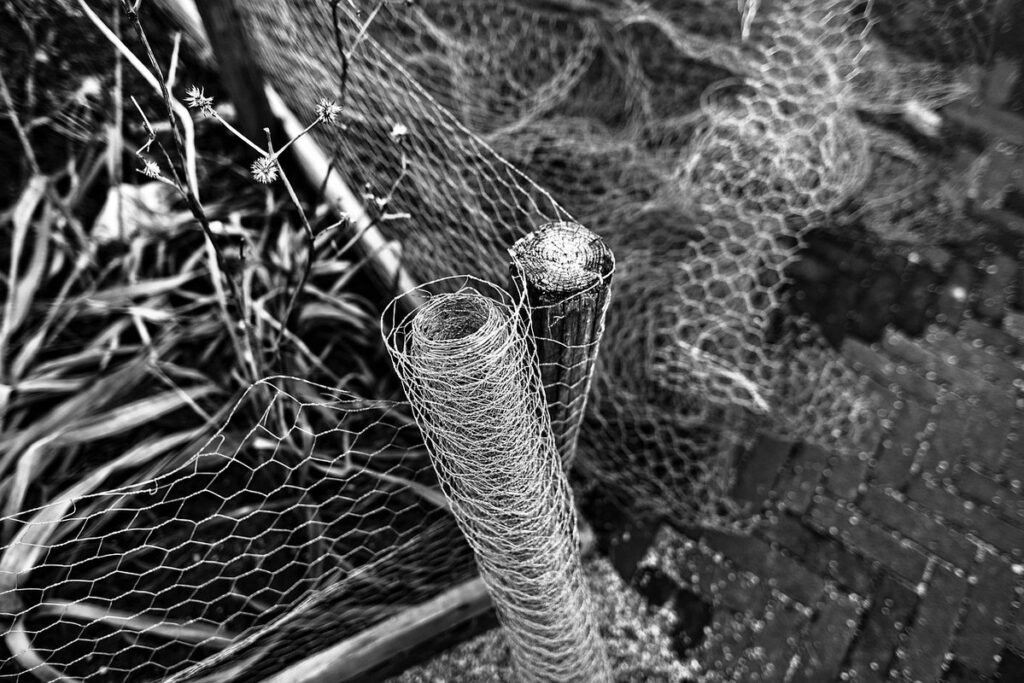
Benefits and Purpose of Hawk Netting
Let’s dive into the benefits and purpose of hawk netting, a crucial aspect of protecting your chickens from aerial predators effectively. This will also help you understand why it’s essential for a secure chicken run.
Protecting Your Flock from Hawks and Eagles
Protecting Your Flock from Hawks and Eagles is one of the most crucial aspects to consider when installing hawk netting over your chicken run. These birds of prey are natural hunters, and their presence can be a significant threat to the safety and well-being of your chickens.
Hawks and eagles are known to swoop down on unsuspecting flocks, causing serious injury or even death. According to a study by the University of California, Davis, bird predation is one of the leading causes of mortality in backyard chicken keepers, with hawks and eagles being major contributors. To mitigate this risk, hawk netting provides an effective barrier between your chickens and these aerial predators.
When choosing a hawk net for your chicken run, consider installing it at least 10 feet off the ground to prevent birds from perching on top of the net and attempting to reach through. Make sure the mesh size is small enough (typically around 1-2 inches) to prevent hawks and eagles from getting their talons through. Regularly inspecting your hawk net for damage or wear can also help ensure its effectiveness in protecting your flock.
Understanding the Risks and Dangers
Not having proper protection in place can lead to devastating consequences for your flock. Predators like hawks, owls, and foxes are a constant threat to backyard chickens, and if you don’t take measures to protect them, you may face the heartbreaking loss of your beloved birds.
A single attack can be catastrophic, not only because of the loss itself but also because it can cause stress to the remaining flock members. Imagine coming home to find that one or more of your chickens have been taken by a predator – the emotional toll on you and your family would be significant. Furthermore, if your flock is left traumatized, they may stop laying eggs altogether, leading to lost income for some backyard chicken keepers.
To put this into perspective, according to a study by the National Association of State Departments of Agriculture (NASDA), between 2015 and 2019, over 10 million chickens were lost due to predator attacks. These statistics are alarming, and it’s essential to take proactive measures to prevent such losses from happening in your backyard.
If you’re not protecting your flock with proper netting or other forms of enclosures, you’re essentially leaving them exposed to these dangers. It’s crucial to understand the risks associated with not having hawk netting over your chicken run. The solution lies in taking preventive measures to ensure your flock’s safety and well-being.
Choosing the Right Hawk Netting Material
When it comes to protecting your flock from aerial predators, selecting the right hawk netting material is crucial. Let’s dive into the key factors to consider for a reliable and durable solution.
Types of Netting Materials Available
When it comes to choosing the right netting material for your hawk netting system over the chicken run, you have several options available. Let’s take a closer look at three popular types of materials: polypropylene, nylon, and polyester.
Polypropylene is a popular choice due to its durability and resistance to UV light degradation. It’s also relatively inexpensive compared to other options. However, it can be prone to sagging over time, which may require additional support structures. If you’re looking for a budget-friendly option with decent performance, polypropylene might be the way to go.
Nylon netting is another strong contender, offering high tensile strength and resistance to abrasion. It’s also relatively lightweight, making it easier to handle and install. However, nylon can be more expensive than polypropylene, and its durability may vary depending on the specific weave pattern used.
Polyester netting is often considered a mid-range option in terms of price and performance. It offers good resistance to UV light degradation and has a decent tensile strength. However, it may not be as durable as nylon or polypropylene over an extended period.
When choosing between these options, consider the specific needs of your chicken run, including the level of predator activity, weather conditions, and available budget.
Considerations for Durability and Maintenance
When choosing a hawk netting material for your chicken run, durability and maintenance are crucial considerations to ensure long-term protection for your flock. A high-quality netting material will withstand harsh weather conditions, predator attacks, and the wear and tear of daily use.
Look for materials that are resistant to UV degradation, which can cause nets to become brittle and prone to tearing over time. Polypropylene (PP) and polyethylene (PE) netting materials are good options as they offer excellent UV resistance and durability. Netting mesh size is also essential; a smaller mesh size will provide better protection against predators but may be more difficult to clean.
Regular maintenance is also vital to extending the lifespan of your hawk netting material. Check for signs of damage or wear regularly, and replace any damaged sections promptly to prevent further damage. Consider using a netting material with built-in antimicrobial properties to reduce the risk of bacterial growth and subsequent disease transmission.
Designing an Effective Chicken Run with Hawk Netting
When designing a chicken run, incorporating hawk netting is crucial to protect your birds from aerial predators. Let’s explore how to create an effective and secure enclosure.
Factors to Consider When Building a Secure Run
When building a secure chicken run with hawk netting, it’s crucial to consider several factors that will ensure the safety and well-being of your flock. The size of the run is one critical aspect – it should be large enough for your chickens to move around comfortably, but not so big that they get too tired or stress themselves out.
Aim for a minimum of 2-4 square meters per chicken, depending on their breed and size. You should also consider the shape of the run. A rectangular or square shape is ideal, as it allows for easy cleaning and makes it harder for hawks to swoop in.
The location of your chicken run is also vital. Avoid placing it near any trees or structures that could provide a perch for predators like hawks. Instead, opt for an open area with plenty of space around the perimeter for netting installation. Keep in mind that you’ll want to install the hawk netting at least 2 meters high to prevent predators from reaching the top.
When selecting materials for your chicken run, choose durable and predator-proof options, such as hardware cloth or wire mesh. Consider using a secure locking system to ensure that any potential predators are kept out.
It’s also essential to design the run in a way that makes it easy to clean and maintain. A smooth floor made of concrete or gravel is ideal for this purpose.
Integrating Hawk Netting into the Run’s Design
When integrating hawk netting into your chicken run’s design, it’s essential to consider a few key factors. Firstly, ensure that the netting is securely fastened to the surrounding structure to prevent damage from strong winds or predators trying to breach the enclosure.
Consider the type of terrain and landscape surrounding your chicken run when choosing the location for the hawk netting. For example, if you have a sloping area, it’s crucial to install the netting at an angle that prevents water accumulation, which can lead to sagging or damage over time.
Additionally, think about the ease of maintenance and accessibility when placing the netting. A good rule of thumb is to position the netting in a way that allows for easy removal and cleaning, such as near a gate or entry point.
When designing your chicken run with hawk netting, also take into account any potential obstructions or obstacles, like trees or power lines, which may interfere with the net’s placement or effectiveness.
Installation and Maintenance Tips for Hawk Netting
To ensure your hawk netting remains effective and long-lasting, you’ll want to follow some crucial installation and maintenance guidelines. We’ve got you covered with our top tips inside.
Step-by-Step Instructions for Installation
When installing hawk netting over your chicken run, it’s essential to follow a step-by-step approach to ensure a secure and effective setup. Begin by measuring the perimeter of your chicken run to determine the amount of netting required. Make sure to leave enough slack for adjustments and potential future growth.
To start installing the netting, begin at one corner and work your way around the enclosure, securing the net with sturdy stakes or posts every 2-3 feet. Ensure that the net is tight and evenly spaced to prevent any gaps that predators might exploit. You can use twine or wire to tie the net to the stakes, but be careful not to damage the mesh.
As you install each section of netting, check for any potential hazards such as sharp edges or points that could harm your chickens. If necessary, trim any excess material to prevent injury. Finally, inspect the entire installation to ensure all connections are secure and the net is properly positioned.
Ongoing Maintenance and Repair Requirements
Regular maintenance and repair are crucial to ensure that your hawk netting system continues to protect your chicken run effectively. Over time, the netting can become worn out, torn, or stretched, compromising its ability to keep predators at bay. To avoid such situations, it’s essential to schedule regular checks and perform necessary repairs.
Start by inspecting the netting for any signs of damage, such as holes, tears, or sagging areas. Check the corners and edges where the netting meets the posts or fencing for any weaknesses. Use a measuring tape to ensure that the netting is still at its recommended height and that there are no gaps between sections.
Repairing damaged netting is usually a straightforward process. You can use netting repair kits available in the market, which typically include a special adhesive and reinforcing patches. Simply clean the affected area, apply the adhesive, and press on the patch to secure it. For more extensive damage or when dealing with large areas of worn-out netting, consider replacing the entire section.
By incorporating regular maintenance into your routine, you can extend the lifespan of your hawk netting system and keep your chickens safe from predators. Set aside time each month to inspect and repair any issues that may have arisen since the last check.
Common Challenges and Solutions for Hawk Netting
As you set up your hawk netting system, you may encounter some challenges that can impact its effectiveness, such as finding the right size or dealing with bird behavior.
Identifying Potential Weak Points in Your System
When setting up hawk netting over your chicken run, it’s essential to identify potential weak points in the system that might compromise its effectiveness. One common challenge associated with hawk netting is gaps or weaknesses in the netting material itself.
These vulnerabilities can arise from various factors, including poor net quality, inadequate installation, or excessive wear and tear over time. For instance, if the netting material is not specifically designed for outdoor use or is made of low-grade materials, it may begin to deteriorate rapidly under exposure to sunlight, rain, or extreme temperatures.
To mitigate this risk, inspect your netting regularly for signs of damage or weakness. Check for loose knots, torn mesh, or areas where the netting has begun to fray. Consider replacing sections of netting as needed to maintain the integrity of the system. Additionally, choose high-quality netting materials that are designed for outdoor use and suitable for withstanding local weather conditions.
By addressing potential weak points in your hawk netting system, you can minimize the risk of predators successfully breaching the enclosure and protect your flock from harm.
Strategies for Addressing These Issues
Addressing the common challenges of hawk netting over chicken run requires a thoughtful approach. First, it’s essential to evaluate the strength and durability of the netting system. Regular inspections can help identify worn-out areas that may compromise the security of your flock.
To prevent predator entry points, ensure that all corners and edges are securely fastened and sealed. Consider using a specialized netting material with reinforced stitching or high-tensile fibers for added protection.
Additionally, maintaining a clean and clutter-free environment around the chicken run can help minimize potential hazards. Remove any debris or obstacles that may attract predators or create entry points.
By implementing these strategies and staying vigilant, you can significantly reduce the risks associated with hawk netting over chicken run. Remember to also consider factors such as weather conditions, which can impact the net’s effectiveness, and adjust your approach accordingly.
Frequently Asked Questions about Hawk Netting Over Chicken Runs
We’ve had many of you ask us about common concerns and questions related to hawk netting over chicken runs, so we’re answering them here. Below, we address some of the most frequently asked questions.
Answering Common Queries on Installation and Effectiveness
When installing hawk netting over chicken runs, one of the most common concerns is whether it’s effective against different types of predators. To address this concern, let’s first discuss the installation requirements.
To ensure optimal effectiveness, it’s essential to choose a sturdy and durable hawk net that can withstand various weather conditions and predator attacks. The mesh size should be small enough to prevent hawks from passing through but large enough to allow chickens to enter and exit freely. A good rule of thumb is to use a mesh size of 1 inch or smaller.
In terms of installation, make sure to secure the net tightly around the run to prevent sagging or damage from strong winds. You can use rope, wire, or specialized clips for this purpose. Additionally, consider installing a roof or canopy above the netting to provide extra protection against aerial predators.
While hawk netting is an effective deterrent against hawks and other birds of prey, it’s not foolproof against other types of predators like foxes, coyotes, or raccoons. To address these concerns, consider adding additional barriers such as fencing or burying hardware cloth around the perimeter of your chicken run.
Additional Resources for Further Guidance
If you’re still unsure about implementing hawk netting over your chicken run or need further clarification on specific aspects of this protective measure, there are numerous resources available to provide additional guidance and support.
For instance, many online forums and discussion groups dedicated to backyard chicken keeping offer valuable advice from experienced farmers who have successfully integrated hawk netting into their coops. These platforms allow you to ask questions, share your concerns, and learn from others in the community.
Additionally, reputable poultry supply stores often host workshops or webinars on various aspects of chicken keeping, including predator protection methods like hawk netting. Participating in these educational events can help you gain a deeper understanding of how to effectively install and maintain hawk nets over your chicken run.
Moreover, local agricultural extension offices may also offer advice and guidance specific to your region’s climate and wildlife patterns. Don’t hesitate to reach out to these resources for personalized assistance in safeguarding your flock from aerial predators.
Frequently Asked Questions
What is the ideal mesh size for hawk netting to prevent bird escape and predator entry?
A mesh size of 1-2 inches (2.5-5 cm) is recommended for effective protection against hawks and eagles while allowing sufficient airflow and sunlight into your chicken run.
How often should I inspect and maintain my hawk netting system for optimal performance and longevity?
Regular inspections every 6-12 months are crucial to identify potential weak points, damaged netting, or signs of wear. Perform repairs promptly to ensure the security of your flock.
Can I use hawk netting in combination with other predator control methods, such as fencing or electrified wire?
Yes, combining hawk netting with other methods can provide comprehensive protection for your chicken run. Consider integrating these measures to create a multi-layered defense system.
What are some common mistakes to avoid when designing and installing hawk netting over my chicken run?
Common errors include inadequate mesh size, insufficient height or width of the netting, and failure to secure the netting properly. Be sure to follow installation guidelines carefully and ensure your design accounts for potential weaknesses.
How can I integrate hawk netting into an existing chicken coop or run without major renovations?
Assess your current setup and identify areas where you can install hawk netting effectively. Consider using portable or modular netting solutions that can be easily installed or relocated as needed.