
When we think about ducks, we often focus on their cute quacks and fluffy feathers. But have you ever stopped to consider the fascinating world of female ducks? These incredible creatures have unique characteristics that set them apart from their male counterparts, from their reproductive anatomy to their social behaviors.
Female ducks are not just interesting to learn about – they’re also facing significant challenges in the wild. Habitat destruction, hunting, and climate change are all major threats to their populations, making conservation efforts crucial to their survival. In this article, we’ll delve into the biology and behavior of female ducks, exploring everything from nesting habits to social interactions. We’ll also examine the conservation challenges they face and what you can do to help protect these incredible birds. By the end of this guide, you’ll have a deeper understanding of the amazing world of female ducks.
Understanding Female Duck Anatomy
When it comes to understanding female duck anatomy, knowing their physical characteristics and reproductive system is key to appreciating their unique biology. Let’s dive into the fascinating details of what makes a female duck tick!
Physical Characteristics of Female Ducks
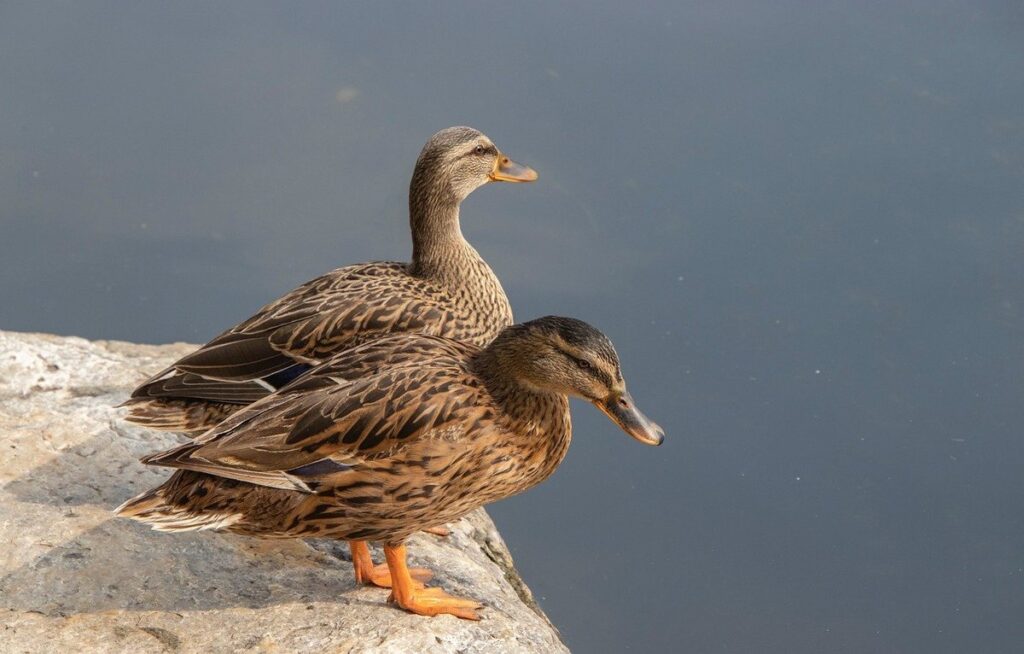
When it comes to identifying female ducks, several physical characteristics come into play. One of the most distinctive features is the beak shape. Female ducks tend to have a more rounded and shorter beak compared to males, which are typically longer and narrower.
In terms of feather patterns and plumage colors, female ducks can exhibit a wide range of variations depending on their breed and species. However, they often lack the vibrant colors and intricate patterns found in male ducks. Female duck feathers tend to be more subdued, with a focus on earthy tones such as brown, gray, and tan.
Some key differences to look out for when identifying female ducks include the presence of a brood patch – a bare spot on their belly where they sit on eggs – and the shape of their tail feathers. Female duck tails tend to be more rounded and fan-shaped compared to males, which are often longer and more pointed. By paying attention to these physical characteristics, you can confidently identify female ducks in your yard or at a local pond.
Internal Reproductive System of Female Ducks
Female ducks have a complex internal reproductive system that plays a crucial role in their ability to lay eggs. The ovaries, located just above the kidneys, are responsible for producing eggs and reproductive hormones. The ovaries are made up of follicles, which contain egg yolks surrounded by membranes.
As the egg matures, it moves through the oviducts, a pair of tubes that connect the ovaries to the cloaca. The oviducts produce layers of albumen (egg white), membranes, and shell membranes around the egg yolk, providing essential nutrients for embryonic development. Finally, the egg enters the cloaca, where it is fertilized by sperm from a male duck.
A healthy reproductive system requires proper nutrition, adequate living conditions, and regular breeding cycles. To ensure optimal fertility in your female ducks, provide them with a balanced diet rich in calcium, protein, and other essential nutrients. Regular health checks and veterinary care can also help maintain the overall well-being of your flock.
Behavior and Social Structure
Let’s dive into the fascinating world of female duck behavior, where we’ll explore their social dynamics and how they interact with each other in various settings.
Mating and Courtship Rituals in Female Ducks
During mating season, female ducks exhibit a range of fascinating courtship behaviors as they interact with males. One of the most intriguing displays is the “display splash,” where females will deliberately create a large splashing of water to signal their receptivity to suitors. This behavior is often accompanied by a series of soft quacks and body language cues, such as lowered wings and tail feathers.
Male ducks, upon noticing these signals, will begin to perform elaborate displays of their own, including preening, strutting, and even singing complex songs. For example, the Wood Duck male will sing a melodious whistling song from a high vantage point, while the Mandarin female will respond with her own unique vocalizations.
In order to successfully attract a mate, females must exhibit clear displays of courtship behavior during this critical period. Observers can take note that these behaviors often occur in the early morning or late afternoon when males are most active. By understanding and observing these intricate rituals, we gain insight into the complex social dynamics of female duck mating behavior.
Dominance Hierarchy Among Female Ducks
When it comes to social dynamics among female ducks, establishing dominance hierarchies is a crucial aspect of their behavior. These hierarchies determine everything from who gets access to the best food sources and nesting sites to who gets priority in mating rituals.
In general, female ducks establish their dominance through a combination of aggression, assertiveness, and vocalizations. The most dominant females will often take center stage, leading the group with assertive quacks and physical displays of strength. For example, they may engage in mock battles with other females to demonstrate their prowess.
To identify the dominant female in your backyard flock, look for signs such as priority access to food and water sources, and aggressive behavior towards subordinate birds. Keep in mind that dominance hierarchies can shift over time due to changes in the environment or the introduction of new birds. By recognizing these dynamics, you can better understand and care for your female duck population.
For example, providing multiple nesting sites and adequate space for each bird to establish its own territory can help reduce aggression and promote a harmonious social structure.
Female Duck Nesting and Incubation
Female ducks are devoted mothers, carefully selecting a safe spot to lay their eggs and then incubating them for a remarkable 28 days. Let’s dive into the fascinating world of duck nesting and incubation habits!
Choosing the Perfect Nesting Site
When it comes to choosing the perfect nesting site, female ducks are quite particular about their surroundings. As they prepare to lay eggs and incubate them, they require a safe and suitable location that meets their specific needs.
A suitable nesting site should have adequate vegetation cover to provide shelter from predators and harsh weather conditions. Female ducks prefer areas with tall grasses, reeds, or shrubs that can conceal them from potential threats. They also appreciate water proximity, often selecting sites near ponds, lakes, or slow-moving streams where they can easily access water for drinking and swimming.
When searching for a nesting site, consider the following factors: (1) proximity to water sources, (2) availability of vegetation cover, and (3) protection from strong winds and storms. Female ducks may also reuse existing nests or modify them to suit their preferences. By selecting an optimal nesting site, female ducks can reduce stress levels, ensure the safety of their eggs, and increase their chances of successful incubation.
Brooding Behavior in Female Ducks
When you observe female ducks taking care of their eggs, you’ll notice they exhibit brooding behavior. This crucial phase is essential for successful incubation and hatching. Female ducks are instinctively driven to regulate their body temperature, creating a cozy environment that’s suitable for the developing embryos.
To do this, they use a variety of techniques. First, they settle down on top of the eggs, often with their feathers fluffed up to create an insulating layer. This unique positioning allows them to maintain a stable body temperature around 99°F (37°C), which is critical for proper embryo development. They also tuck their wings under their bodies and vibrate slightly to distribute heat evenly across the nest.
Some species, like Muscovy ducks, exhibit more pronounced brooding behavior. These birds will often sit tightly on top of their eggs for extended periods, only leaving to take a short drink or eat some food. By doing so, they ensure that the temperature around the eggs remains consistent and optimal for hatching.
Female Duck Parenting
Female ducks are devoted parents, taking on a significant role in raising their ducklings from incubation to fledging. Let’s explore how they care for their young and make parenting a team effort.
Parental Investment in Young Ducks
Female ducks are devoted parents to their young, investing significant time and energy into ensuring their ducklings’ survival and success. One of the primary ways they do this is through feeding. Female ducks will often forage for food during the day and cache it, or store it, in various locations around their territory for later retrieval by their ducklings. This behavior not only teaches the young how to find food but also helps them develop essential skills such as problem-solving and memory.
Protecting their ducklings is another crucial aspect of parental investment exhibited by female ducks. They will aggressively defend their brood from potential predators, using a range of tactics including loud calling, threatening postures, and even physical attacks when necessary. For example, a study on wood ducks found that females would often lead their ducklings away from areas with high predator activity to safer feeding grounds.
If you’re planning to raise your own female duck as a parent, consider providing her with a safe and secure nesting area where she can lay her eggs without disturbance. This will help reduce stress and give her the best chance of successfully incubating her clutch.
Weaning and Fledging Process
Female ducks are devoted mothers who take great care to ensure their ducklings grow into healthy and independent birds. The weaning and fledging process is a crucial stage in the development of young ducks, where they transition from relying on their mother’s milk to foraging for food and learning essential survival skills.
At around 4-6 weeks old, ducklings begin to wean off their mother’s milk, gradually introducing solid foods like aquatic plants and insects into their diet. Female ducks will often lead their ducklings to water sources where they can learn to feed on algae, aquatic vegetation, and small invertebrates. This transition period is crucial as it helps the ducklings develop essential foraging skills necessary for survival.
As ducklings grow stronger and more confident, they begin to venture further from their mother’s side, learning to navigate through dense vegetation and avoid predators. Female ducks will continue to provide guidance and protection until the ducklings are fully fledged, usually around 8-10 weeks old. By this stage, the young birds have developed a range of skills that enable them to live independently, including foraging, flying, and social behavior.
In the wild, it’s not uncommon to see young ducks still dependent on their mothers for several months after hatching. In captivity, however, duck breeders often intervene early to ensure the ducklings are weaned quickly and efficiently, reducing reliance on their mother’s milk and promoting independent growth. By understanding the natural weaning process, you can better appreciate the remarkable bond between a female duck and her young, as well as the importance of proper care and nutrition for healthy development.
Female Duck Diet and Nutrition
When it comes to female ducks, a well-balanced diet is crucial for maintaining their overall health and energy levels throughout the day. Here’s what you need to know about their nutritional needs.
Dietary Requirements for Female Ducks
When it comes to fueling their bodies for optimal health and well-being, female ducks require a balanced diet that meets their specific nutritional needs. The ideal diet for a female duck should consist of around 15-20% protein, which can come from high-quality pellets or grains such as oats, barley, and wheat. It’s essential to avoid filling their feeders with cheap fillers like corn, as they lack the necessary nutrients and can lead to obesity.
In addition to protein, female ducks also require a moderate amount of carbohydrates for energy production. Aim for around 40-50% of their diet to be from complex carbs like sweet potatoes, carrots, and leafy greens. Fat is another crucial component of their diet, providing vital calories and helping with feather growth and maintenance.
A good starting point is to offer your female duck a commercial duck feed as the main staple, supplemented with fresh fruits, vegetables, and treats in moderation. This will help ensure they get all the necessary nutrients without overloading on fat or sugar. For example, you can provide chopped apples, kale, or spinach as tasty snacks while keeping their pellet intake consistent.
Food Sources and Foraging Behavior
Female ducks are opportunistic feeders, which means they’ll consume a wide variety of food sources depending on what’s available to them. In terms of aquatic plants, female ducks tend to favor those that grow in shallow water or along the edges of ponds and lakes. These include cattails, duckweed, and various species of algae.
Insects are another crucial component of a female duck’s diet. They’ll feed on a variety of insects, including mosquitoes, snails, slugs, and even small crustaceans like crayfish. Female ducks will also eat small invertebrates like leeches and worms, as well as the eggs and larvae of other aquatic animals.
When foraging, female ducks use their sensitive bills to feel for food underwater. They’ll often tip their heads or lower themselves into the water to get a better look at what’s available. By incorporating a variety of foods into her diet, a female duck can stay healthy and thrive in her environment. If you’re trying to attract female ducks to your yard, consider planting native aquatic plants that will provide them with a readily accessible source of food.
Conservation Status of Female Duck Populations
Let’s take a closer look at the conservation status of female duck populations, which is a pressing concern for their survival and well-being in the wild.
Threats Facing Female Duck Populations
Female duck populations face numerous threats that put their survival at risk. Habitat destruction is one of the most significant concerns, as wetlands and natural habitats are being drained, filled, or destroyed for agricultural purposes or urban development. This not only reduces the available breeding and foraging grounds but also leads to fragmentation of remaining habitats, making it difficult for female ducks to find suitable locations for nesting and raising their young.
Hunting is another major threat facing female duck populations. Both native and migratory species are targeted by hunters, often in large numbers, leading to significant declines in population sizes. Climate change exacerbates this issue by altering the timing of breeding and migration patterns, making it harder for female ducks to adapt and survive.
To mitigate these threats, conservation efforts must be implemented on a large scale. This can include protecting and restoring habitats, enforcing hunting regulations, and promoting sustainable land-use practices. Furthermore, raising awareness about the importance of preserving female duck populations is crucial in garnering support from local communities and governments to take action. By working together, we can help ensure the long-term survival of these incredible creatures.
Efforts to Protect and Preserve Female Duck Habitats
Female ducks play a vital role in maintaining healthy ecosystems, and their habitats need protection to ensure their survival. To this end, various conservation efforts are underway to safeguard female duck habitats. One key strategy is the establishment of protected areas, such as national parks and wildlife sanctuaries, where human activities are restricted or regulated. For example, the Wetlands Reserve Program in the United States has conserved over 5 million acres of wetlands, providing critical habitat for female ducks.
In addition to protected areas, sustainable practices are being implemented to reduce the impact of human activities on female duck habitats. These include measures such as reducing water pollution, controlling invasive species, and promoting eco-tourism that supports conservation efforts. For instance, the use of solar-powered irrigation systems in agricultural fields has significantly reduced water pollution in many regions.
Individuals can also contribute to protecting female duck habitats by adopting sustainable practices in their daily lives, such as using environmentally friendly products and reducing energy consumption. By working together, we can ensure the long-term survival of these magnificent creatures and the ecosystems they inhabit.
Frequently Asked Questions
Can I help protect female duck populations with small actions at home?
Yes, even simple actions like reducing plastic use, conserving water, and supporting local conservation efforts can make a difference. By incorporating eco-friendly habits into your daily life, you’re contributing to a larger movement that benefits female ducks and their habitats.
How do I know if the food sources for my backyard duck pond are sufficient?
To ensure your female ducks have access to a balanced diet, research the dietary requirements specific to their species and age group. You can also consult with local wildlife experts or veterinarians to get advice on foraging behavior and supplementing their diet with nutritious foods.
Can I introduce multiple female ducks to the same habitat without issues?
No, introducing multiple female ducks to the same habitat can lead to conflicts over dominance and territory. Research social structure and behavior in your specific species to understand how many females you can safely introduce together. Consider factors like age, size, and personality when making introductions.
What are some signs of a healthy female duck that’s thriving in her environment?
Look for obvious signs like shiny feathers, a robust beak, and energetic behavior. Also, consider less visible indicators such as proper reproductive health, suitable nesting habits, and an adequate food supply. Consult with experts or wildlife resources to determine the specific needs of your ducks.
How can I support conservation efforts specifically targeting female duck populations?
Get involved in local initiatives that focus on habitat preservation, anti-poaching campaigns, and educational programs promoting sustainable practices. Donate to reputable organizations working directly with female duck conservation or participate in citizen science projects monitoring their populations. Your involvement can help create a lasting impact for these remarkable birds.