
Feeding our feathered friends is one of life’s simple pleasures, but have you ever stopped to think about whether bread is really good for them? As it turns out, giving ducks bread can be more harm than help. In this article, we’ll delve into why feeding ducks bread is a bad idea and explore the consequences it has on their health and well-being. We’ll also share some healthy alternatives to bread that you can use when visiting your local park or lake, so you can enjoy watching these beautiful birds without worrying about doing them harm. By learning more about responsible duck feeding practices, we hope to educate and inspire our readers to promote sustainable habits in their communities.
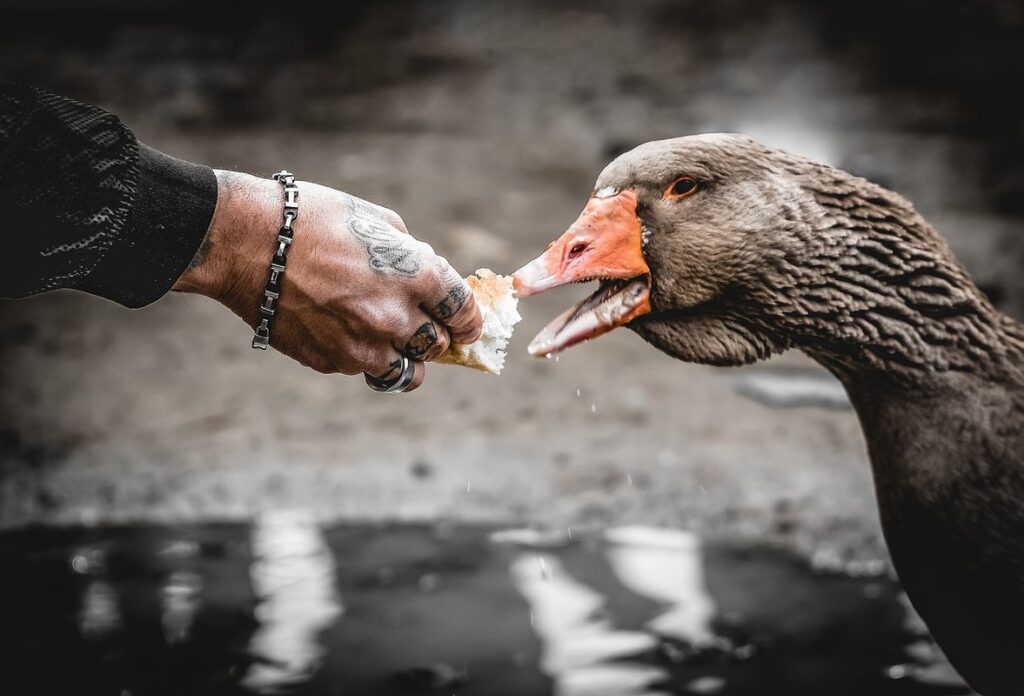
The Problem with Feeding Ducks Bread
Feeding ducks bread may seem harmless, but it can actually do more harm than good to these beautiful birds and their ecosystem. Let’s explore some of the issues that arise from this common practice.
History of Duck Feeding: A Brief Background
Feeding ducks bread has become a ubiquitous practice worldwide, with many people enjoying the experience of watching these birds swim and forage in parks and lakes. However, this tradition has its roots in 19th-century England, where feeding ducks became a popular pastime among the upper class.
During this time, wealthy landowners would hold elaborate outdoor gatherings near their estates’ ponds, where they’d feed the resident ducks bread as a form of entertainment. As the practice gained popularity, it spread to public parks and other recreational areas, becoming an integral part of our cultural heritage.
Today, feeding ducks bread is a common sight in many cities around the world. While it may seem harmless, this tradition has serious consequences for the birds’ health and well-being. In the next section, we’ll explore the problems associated with feeding ducks bread and why it’s essential to rethink this practice.
The Risks of Feeding Ducks Bread
Feeding ducks bread may seem like a harmless activity, but it can have severe consequences for their health. One of the primary risks is malnutrition. Bread lacks essential nutrients, such as protein and fiber, which are crucial for duck growth and development. As a result, feeding bread to ducks can lead to nutrient deficiencies, stunted growth, and even starvation.
When ducks consume bread, they may also experience digestive issues, including bloating, gas, and diarrhea. This is because bread is difficult for them to digest, and it can cause an imbalance in their gut bacteria. In severe cases, this can lead to life-threatening conditions such as organ failure and death.
Furthermore, feeding bread to ducks can facilitate the transmission of diseases between birds. When multiple ducks gather around a single food source, they come into close contact with each other, creating opportunities for disease-causing pathogens to spread. This is particularly concerning when dealing with waterfowl populations, which are often vulnerable to avian cholera and other diseases.
What Happens When Ducks Eat Too Much Bread?
When ducks overindulge in bread, it can lead to a range of unpleasant physical symptoms. One of the most noticeable effects is bloating, which occurs when their digestive system struggles to break down the carbohydrates found in bread. This can cause discomfort and even pain for the duck.
In addition to bloating, excessive bread consumption can also result in lethargy. Ducks that eat too much bread often appear sluggish and lack energy, which can make it difficult for them to engage in normal activities like swimming or foraging.
Impaired immune systems are another consequence of ducks eating too much bread. When their digestive system is clogged with undigested carbohydrates, it can lead to a weakened immune response, making the duck more susceptible to infections and diseases.
In extreme cases, consuming large amounts of bread can cause life-threatening conditions like gout or pancreatitis. It’s essential for those who want to feed ducks in parks or other public areas to provide them with healthier options, such as leafy greens or fruits, rather than relying on bread. By making this simple change, we can help keep our feathered friends healthy and thriving.
The Impact on Duck Populations
Feeding bread to ducks may seem harmless, but it can have a significant impact on their natural habits and overall well-being, affecting local populations in unexpected ways.
Changes in Behavior Due to Bread Feeding
Feeding ducks bread may seem like a harmless act of kindness, but it can have some unintended consequences. One of the most significant changes in behavior due to bread feeding is that ducks become dependent on humans for food. This means they lose their natural ability to find and gather sustenance on their own.
As a result, bread-fed ducks are no longer inclined to forage for aquatic plants, insects, or small invertebrates that make up their usual diet. In fact, studies have shown that bread-fed ducks tend to eat less of these nutritious food sources, leading to malnutrition and other health problems.
To put this into perspective, consider a park where ducks are fed bread regularly by visitors. Over time, the local duck population may become so reliant on human handouts that they begin to shun their natural habitats in search of food. This not only disrupts their ecosystem but also creates an expectation among humans that they will provide for the ducks’ every need. By ceasing to feed bread to ducks, we can help them regain their natural foraging instincts and maintain a healthier relationship with their environment.
Effects on Local Ecosystems
When humans provide bread to ducks, it can have far-reaching consequences that extend beyond the water’s edge. One of the most significant effects is on local ecosystems. By feeding ducks bread regularly, we’re essentially creating a culture of dependency among these waterfowl. They become accustomed to relying on us for sustenance, rather than foraging for their natural diet.
This over-reliance can disrupt water quality in several ways. Bread doesn’t break down easily in water, and when it decomposes, it releases nutrients that can lead to an overgrowth of algae. This can deplete oxygen levels, making the environment inhospitable for other aquatic life. Additionally, bread can also introduce pollutants into the ecosystem, such as mold, yeast, and bacteria.
The impact on habitats is equally significant. Feeding ducks bread encourages them to congregate in areas that aren’t naturally conducive to their survival. This can lead to erosion of banks, destruction of vegetation, and alteration of the water’s natural flow patterns. Moreover, native wildlife populations suffer as a result of competition for resources with the increasing duck population.
To mitigate these effects, it’s best to avoid feeding ducks bread altogether. Instead, provide them with healthy alternatives like aquatic plants or commercial duck food. By doing so, we can promote biodiversity and preserve the delicate balance of our local ecosystems.
What to Feed Ducks Instead of Bread
If you’re looking for a healthier alternative to bread, this section will show you which foods are safe and nutritious for ducks to enjoy. From pellets to vegetables, we’ve got you covered!
Nutritional Requirements of Ducks
Ducks have specific nutritional requirements that are crucial for their growth, development, and overall health. As omnivores, they need a balanced diet that includes proteins, vitamins, and minerals. Ducks require a significant amount of protein from sources like insects, crustaceans, and aquatic plants. They also need essential amino acids such as lysine, methionine, and tryptophan to build and repair tissues.
Vitamins are equally important for ducks, particularly vitamin A, D, E, K, and B complex vitamins. Vitamin A helps maintain healthy vision, skin, and mucous membranes, while vitamin D is essential for calcium absorption and bone growth. Ducks also require minerals such as calcium, phosphorus, potassium, sodium, and iron to maintain strong bones, regulate body functions, and support overall health.
When feeding ducks, it’s crucial to provide a balanced diet that meets their nutritional requirements. A mix of seeds, grains, fruits, vegetables, and aquatic plants can be an excellent option. You can also supplement their diet with commercial duck pellets or feed specifically formulated for waterfowl. Always ensure access to clean water and a calcium-rich food source to support strong bone development.
Healthy Food Options for Ducks
When it comes to feeding ducks, there are plenty of healthy food options that are safe and nutritious for them. Instead of relying on bread, which is essentially empty calories for ducks, try incorporating fruits, vegetables, grains, and insects into their diet.
Start by offering a variety of fresh fruits such as berries, apples, and grapes (cut in half to prevent choking). Leafy greens like kale, spinach, and collard greens are also great options. You can also give them whole grains like oats, barley, or quinoa, but be sure to introduce these slowly to avoid digestive upset.
Insects like mealworms or crickets make a nutritious protein-rich treat for ducks. You can purchase these online or at local pet stores. Another option is cooked brown rice or sweet potatoes, which are easily digestible and provide essential nutrients.
When introducing new foods, remember to do so gradually and in moderation to avoid upsetting their digestive system. Also, be sure to clean up any uneaten food to keep the area clean and prevent mold growth. By switching from bread to these healthier alternatives, you’ll not only be providing a balanced diet for ducks but also promoting their overall well-being.
Tips for Responsible Duck Feeding
Now that we’ve covered why bread isn’t ideal for our feathered friends, let’s dive into some practical tips for feeding ducks in a way that benefits them and their ecosystems.
Choosing Safe Locations to Feed Ducks
When feeding ducks, it’s essential to choose locations that not only encourage responsible feeding but also minimize the risk of disturbance to local wildlife. Look for designated duck-feeding areas, such as parks, lakes, and ponds specifically designed for this purpose. These spots usually have signs indicating what types of food are allowed and often provide amenities like waste disposal bins.
Avoid feeding ducks near waterways with strong currents or in areas with sensitive ecosystems, as bread can harm aquatic life and pollute the environment. For instance, you might want to steer clear of spots where fish are known to congregate, as the consumption of excessive carbohydrates from bread can disrupt their natural diet. If you’re unsure about a location, observe how ducks behave there – if they appear stressed or overfed, it’s best to choose another spot.
When in doubt, opt for public parks with designated feeding areas, where you can enjoy watching ducks while minimizing your impact on the environment.
Best Practices for Feeding Ducks
When feeding ducks, it’s essential to establish some guidelines to ensure their health and well-being. The most significant concern with bread is that it lacks nutritional value for ducks, making them dependent on humans for food. This can lead to malnutrition and obesity.
To feed ducks responsibly, start by limiting the amount of food you give them. A good rule of thumb is to provide no more than 1-2 tablespoons per duck per visit. You can offer a variety of fruits like berries, sliced apples, or grapes, as well as leafy greens like kale or spinach. Avoid giving them too many high-starch foods, such as bread, crackers, or chips.
Remember, ducks have different dietary needs at various stages of their lives. During breeding season, for example, they require more protein-rich food to support egg production and feather growth. When choosing food for your local duck population, consider the type of waterfowl you’re feeding and what’s best for them in that environment.
The Role of Education in Reducing Bread Feeding
When it comes to reducing bread feeding, education plays a crucial role in changing human behavior and promoting sustainable habits. By teaching people why ducks shouldn’t eat bread, we can make a big difference for these feathered friends.
Educating the Public About Responsible Duck Feeding
Educating visitors and locals about the impact of feeding ducks bread is crucial to changing their behavior. Many people unknowingly contribute to the problem by offering bread as a treat, thinking it’s harmless. However, this habit can lead to malnutrition and other health issues for the ducks.
To make a positive change, we need to educate the public about responsible duck feeding practices. This includes using alternative food sources, such as vegetable-based treats or commercial duck feed. For instance, visitors to parks can purchase duck pellets at the information center or bring their own healthy snacks like kale or carrots.
When promoting responsible feeding practices, it’s essential to consider both the ducks’ well-being and the environment. Bread can pollute waterways when it decomposes, leading to algae growth and harming aquatic life. By teaching visitors about the importance of proper waste disposal and choosing sustainable food options, we can create a more environmentally friendly experience for all.
Ultimately, educating the public is key to breaking the habit of feeding ducks bread.
Collaborative Efforts to Promote Sustainable Duck Feeding
One of the most effective ways to reduce bread feeding is through collaborative efforts between community members, educational institutions, and local authorities. In areas with high duck populations, such as parks and wildlife reserves, successful initiatives have been implemented to promote sustainable duck feeding practices.
For instance, the City of Melbourne’s “Duck Friendly” campaign brought together local schools, businesses, and government agencies to educate residents about the negative impacts of bread feeding on waterfowl. The initiative included educational programs in schools, community events, and public awareness campaigns featuring posters, flyers, and social media promotions.
Similarly, the London Wetland Centre partnered with local authorities to launch a “No Bread” campaign, which saw volunteers distributing signs and informational materials at popular duck-watching spots. These efforts not only reduced bread feeding but also encouraged visitors to support sustainable feeding practices by purchasing food from designated vendors.
By working together, communities can create lasting change and protect the health of both ducks and their habitats. If you’re interested in implementing a similar initiative in your area, consider partnering with local schools, businesses, and government agencies to develop an educational program or public awareness campaign.
Frequently Asked Questions
How can I educate others about responsible duck feeding practices in my community?
Educating the public is a crucial step in promoting sustainable habits and reducing bread feeding. Consider partnering with local wildlife organizations, schools, or community groups to create awareness campaigns, workshops, or events that highlight the importance of responsible duck feeding practices. You can also share educational materials on social media platforms or distribute flyers in public areas.
Can I still visit parks or lakes if I want to feed ducks, but do so responsibly?
Yes! While it’s essential to avoid feeding ducks bread, you can still enjoy visiting parks or lakes and watching these beautiful birds. Opt for healthy food alternatives like fruits, vegetables, or specially formulated duck feed. Be mindful of local regulations and guidelines for responsible duck feeding practices in your area.
What if I accidentally give a duck too much bread? Will it cause long-term harm?
Yes, feeding ducks excessive amounts of bread can lead to serious health problems, including malnutrition, digestive issues, and even death. If you suspect that a duck has eaten too much bread, try to provide the bird with fresh water and healthy food alternatives as soon as possible. Monitor its behavior and seek advice from local wildlife experts if necessary.
Can I involve children in responsible duck feeding practices?
Absolutely! Engaging children in environmental education can foster a love for nature and promote sustainable habits from an early age. When visiting parks or lakes, consider bringing educational materials, such as bird-watching guides or activity sheets, to help kids learn about ducks and their needs.
How do I report concerns about bread feeding to local authorities?
If you witness excessive bread feeding in your area or have concerns about the well-being of ducks, contact your local park rangers, wildlife control services, or environmental agencies. Provide them with as much information as possible, including photos or videos of the issue. Together, you can work towards promoting responsible duck feeding practices and protecting these magnificent birds.