
If you’re looking to add some excitement and functionality to your garden, look no further than the Cornus kousa kousa dogwood. This stunning ornamental plant is not only a feast for the eyes with its showy white or pink flowers, but it also provides numerous benefits for your outdoor space. From creating habitat for local wildlife to controlling soil erosion and adding beauty to your garden design, Cornus kousa is an ideal choice for any gardener. But what makes this plant so special? In this article, we’ll delve into the many uses of Cornus kousa, exploring its advantages as a low-maintenance landscape solution that also contributes to a healthier environment. Whether you’re a seasoned green thumb or just starting out, you won’t want to miss out on these insights into the wonderful world of Cornus kousa dogwood.
Introduction to Cornus Kousa
Let’s start by exploring what makes Cornus kousa so special, a stunning flowering tree native to East Asia that has captivated gardeners worldwide for centuries.
What is Cornus Kousa?
Cornus kousa, also known as the Korean dogwood or kousa dogwood, is a stunning and versatile shrub native to East Asia. This deciduous plant belongs to the Cornaceae family and is classified under the botanical name Cornus kousa Kousa. Its origins can be traced back to China, Japan, and Korea, where it has been prized for its beauty and practical uses for centuries.
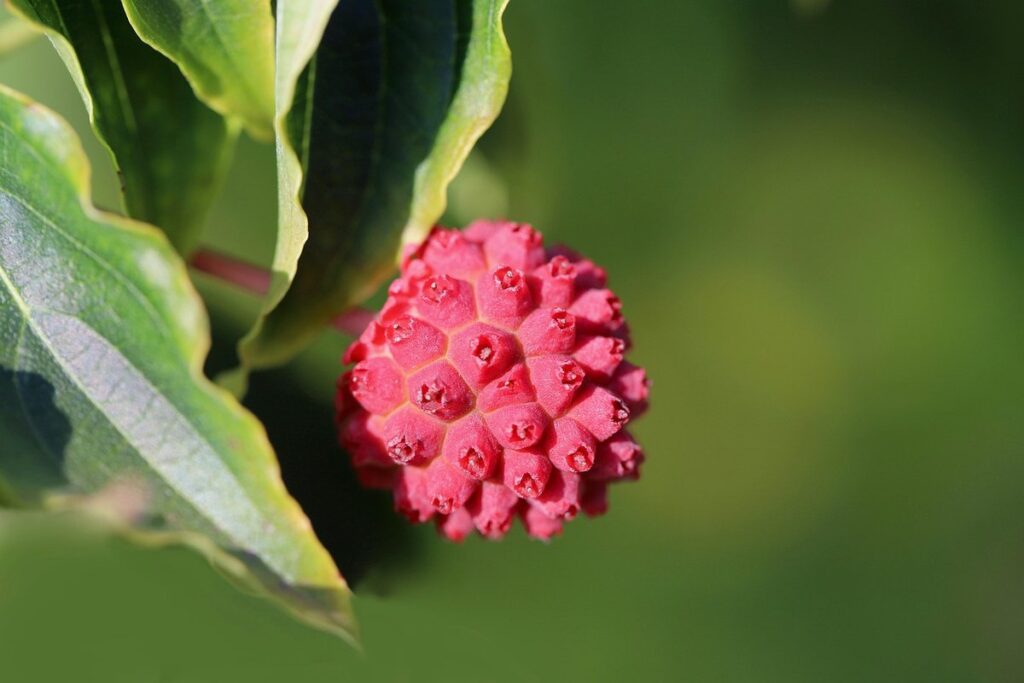
In terms of appearance, Cornus kousa boasts showy white or pink flowers that appear in late spring, followed by vibrant red berries that persist into winter. The plant’s attractive foliage is a mottled mix of green and purple hues, adding year-round interest to gardens and landscapes. Its compact growth habit makes it an ideal choice for smaller spaces, while its hardiness and adaptability make it suitable for a wide range of climates.
For gardeners looking to incorporate Cornus kousa into their landscape design, consider planting multiple shrubs to create a dramatic screen or hedge. With proper care, including well-draining soil and regular watering, this resilient plant can thrive in zones 5-9, providing beauty and benefits for years to come.
History and Cultivation
Cornus kousa has a rich history in ornamental gardening that spans centuries. Native to East Asia, particularly China and Korea, this stunning dogwood was highly prized for its showy white blooms and striking foliage. Its introduction to Western horticulture dates back to the 19th century, when it was first brought to Europe by plant enthusiasts. Since then, Cornus kousa has become a popular choice among gardeners worldwide, celebrated not only for its ornamental value but also for its remarkable durability and adaptability.
When cultivating Cornus kousa, it’s essential to provide the right growing conditions. Choose a location with full sun to partial shade, where the plant will receive consistent moisture without waterlogging the soil. Plant in well-draining acidic to neutral soil (pH 5.0-7.0), and ensure sufficient air circulation around the plant to prevent disease. Mulch around the base to retain moisture and suppress weeds. Prune Cornus kousa regularly to maintain its shape, encourage new growth, and promote fruiting. Regular watering, fertilization, and pest management will help this magnificent tree thrive in your garden.
In regions with frost, protect young trees from winter damage by wrapping them with burlap or a frost blanket during extremely cold snaps. By following these simple guidelines, you’ll be well on your way to growing a robust and thriving Cornus kousa that will bring beauty and character to your garden for years to come.
Characteristics and Identification
To confidently identify Cornus kousa, it’s essential to recognize its key characteristics, such as unique flowers and distinctive foliage. Let’s break down these identifying features together!
Physical Description
Cornus kousa is a stunning deciduous shrub that commands attention with its striking physical attributes. Reaching heights of 15-20 feet (4.5-6 meters) and widths of 10-15 feet (3-4.5 meters), it can be pruned to maintain a more compact shape, making it an excellent choice for smaller gardens or hedges.
Its leaves are a vibrant green on top and silvery-green on the bottom, providing a beautiful contrast that adds visual interest throughout the growing season. The foliage is oval-shaped with pointed tips, typically 2-4 inches (5-10 cm) in length, and has a smooth texture that’s perfect for adding a pop of color to any garden bed.
In the spring, Cornus kousa produces show-stopping white or pink flowers in clusters of small bracts, which can be up to 3 inches (7.5 cm) long. These are not actually petals, but rather modified leaves that provide an impressive display of color. The real showstopper comes later, when the plant produces red berries that persist into winter, providing a valuable food source for birds and other wildlife.
When selecting a Cornus kousa tree, look for one with a straight trunk and a well-balanced canopy to ensure it will grow into its mature shape. Regular pruning can help maintain a uniform size and promote healthy growth.
Key Features and Variations
Cornus kousa offers an array of cultivars and variations that showcase its incredible diversity. Some popular varieties include ‘Satomi’, which boasts delicate white flowers with a pink tinge, while ‘Wolf Eyes’ features striking blue-green foliage. When identifying different Cornus kousa cultivars, note their flower color and intensity – some varieties produce vibrant red blooms, while others exhibit soft pastel hues.
Some notable variations of Cornus kousa include the compact ‘Issai’, which grows to be about 6-8 feet tall, making it ideal for smaller gardens. In contrast, ‘Satomi’ can reach up to 15 feet in height and width. The tree’s bark also plays a significant role in identification – some varieties display attractive exfoliating bark, while others have smoother trunks.
To make the most of your Cornus kousa experience, consider selecting a cultivar that suits your garden’s specific climate and conditions. Research local nurseries or online retailers to find the best variety for your area.
Benefits and Uses
Now that you know what makes Cornus kousa so special, let’s dive into its many benefits and uses, from ornamental to medicinal applications. You’ll be amazed at how versatile this plant truly is!
Ornamental Value
Cornus kousa is often sought after for its ornamental value, and it’s easy to see why. Its stunning flowers, which bloom in late spring, are a vibrant display of pink to white hues that attract pollinators like bees and butterflies. The plant’s showy bracts, which can grow up to 4 inches long, add an extra layer of visual interest.
In landscape design, Cornus kousa is a versatile choice for adding texture and depth to gardens. It thrives in partial shade to full sun conditions, making it suitable for a wide range of environments. Its growth habit is compact, reaching heights of around 10-15 feet, which makes it an excellent option for smaller spaces or hedges.
To maximize the ornamental value of your Cornus kousa, consider planting multiple specimens together to create a dramatic display of color. This also serves as a pollinator-friendly haven, attracting a variety of beneficial insects to your garden.
Wildlife Habitat and Erosion Control
Cornus kousa is not only a stunning addition to any landscape, but it also plays a vital role in supporting local wildlife. As a deciduous shrub or small tree, it provides food and shelter for various species of birds, insects, and small mammals. The vibrant white or pink bracts surrounding the flowers attract pollinators like bees and butterflies, while the berries that follow are a favorite snack of birds such as robins and blue jays.
But Cornus kousa’s benefits don’t stop there. Its extensive root system helps to stabilize soil and prevent erosion, making it an excellent choice for slopes or areas prone to landslides. By planting multiple Cornus kousa trees together, you can create a natural barrier that not only protects against erosion but also provides a habitat for wildlife. To maximize these benefits, consider planting native species of companion plants, such as coneflowers or black-eyed susans, which will attract additional pollinators and provide further food sources for local wildlife.
By incorporating Cornus kousa into your landscape design, you’ll not only be adding beauty to your outdoor space but also contributing to a healthier ecosystem.
Growing and Maintenance Tips
To keep your Cornus kousa thriving, here are some essential growing and maintenance tips to ensure its stunning beauty remains a centerpiece of your garden for years to come.
Soil and Climate Requirements
When it comes to growing cornus kousa, providing optimal soil and climate conditions is crucial for its overall health and vibrancy. This stunning ornamental tree thrives in well-draining acidic soils with a pH between 5.5 and 6.5. If your native soil falls outside this range, don’t worry – with proper adjustments, cornus kousa can adapt.
For instance, if you have alkaline soil, incorporate organic matter like peat moss or sulfur to lower the pH levels. Conversely, if your soil is too acidic, add lime to bring it closer to the ideal range. Regular soil testing will help you monitor and adjust these parameters accordingly.
In terms of moisture levels, cornus kousa prefers regular watering but can tolerate some drought once established. Aim for about 1-2 inches of water per week during its first year after planting, gradually reducing it as the tree matures. As for climate tolerance, this deciduous tree is relatively adaptable to different temperature ranges but performs best in zones 5-8 with moderate winters and warm summers.
When choosing a location, ensure full sun to partial shade conditions, taking care not to expose the roots to extreme temperatures or moisture fluctuations. By replicating its natural habitat, you’ll be well on your way to cultivating this remarkable tree’s exceptional beauty and benefits.
Propagation and Pruning
To propagate cornus kousa, you can take advantage of its ability to produce suckers and stem cuttings. Suckers are shoots that emerge from the base of the plant, and they can be removed and potted up to create new plants. Simply dig around the sucker, being careful not to damage any roots, and gently lift it out of the soil. Plant it in a container filled with a well-draining mix, water thoroughly, and keep the soil consistently moist but not waterlogged.
You can also take 4-6 inch stem cuttings from the current year’s growth during the spring or summer months. Remove lower leaves to prevent them from sitting in water, and dip the cut end in rooting hormone powder before planting it in a propagation tray filled with a mix specifically designed for taking cuttings. Water well and provide bright, indirect light until roots develop.
Regular pruning is essential for maintaining your cornus kousa’s shape and promoting healthy growth. Remove any dead or diseased branches in late winter or early spring, cutting them back to a healthy bud or junction. Thin out the canopy by removing select stems, allowing more air and light to reach inner branches. This will also encourage new growth and prevent overcrowding.
Pests and Diseases
Cornus kousa dogwood can be susceptible to various pests and diseases that can harm your tree, so let’s take a closer look at what to watch out for.
Common Problems and Solutions
Like any beautiful tree, Cornus kousa is not immune to pests and diseases that can cause harm. As a responsible gardener, it’s essential to be aware of the common problems that may affect your Kousa dogwood and know how to address them.
Common pests like aphids, scale insects, and spider mites can infest Cornus kousa, causing curled or distorted leaves, sticky honeydew droplets, and yellowing foliage. To control these pests, use neem oil or insecticidal soap according to the product’s instructions. For example, mix 2 tablespoons of neem oil with 1 quart of water and spray it on the affected areas during the early morning or evening when the sun is not intense.
Fungal diseases like powdery mildew and root rot can also affect Cornus kousa. Signs include white powder on leaves, blackened roots, and yellowing leaves that fall off easily. To treat fungal diseases, remove infected branches and leaves to prevent the disease from spreading. Improve air circulation around your tree by pruning nearby plants or using a fungicide specifically designed for ornamental trees.
Regular monitoring of your tree’s health, along with prompt action when issues arise, can help prevent pest and disease problems from becoming severe. By knowing what to look for and how to treat common pests and diseases, you’ll be better equipped to enjoy the beauty and benefits of your Cornus kousa for years to come.
Integrated Pest Management Strategies
When it comes to cultivating cornus kousa dogwood, one of the most significant challenges you’ll face is managing pests and diseases that can damage your beautiful flowers and leaves. That’s where Integrated Pest Management (IPM) strategies come in – a holistic approach to maintaining healthy plants while minimizing harm to the environment.
First, let’s start with cultural controls. Regular watering is essential, but overwatering can exacerbate problems like root rot. Ensure the soil drains well, and avoid getting water on the leaves to prevent fungal diseases from taking hold. Pruning your cornus kousa regularly will also help promote healthy growth and remove any diseased or damaged branches.
For organic methods, consider introducing beneficial insects that prey on pests. Ladybugs, for instance, are natural predators of aphids. You can also use neem oil to control pests like scale and spider mites. Companion planting works too – certain herbs like garlic and mint repel aphids and other unwanted visitors.
Conclusion and Future Directions
Now that you’ve learned all about the beauty and benefits of Cornus kousa, let’s summarize what we’ve covered and explore exciting future possibilities for incorporating this stunning plant into your life.
Recap and Summary
In conclusion to our comprehensive guide on cornus kousa, we hope you now have a deeper appreciation for this stunning tree’s beauty and numerous benefits. Let’s recap the key points that make cornus kousa an essential addition to any garden or landscape.
From its unique, showy flowers to its striking white berries, cornus kousa is a true showstopper in any season. We discussed how its attractive foliage provides excellent shade, while its branches offer excellent support for other plants. We also explored the numerous benefits of having a cornus kousa tree, including its ability to attract pollinators and provide food for wildlife.
Whether you’re looking to add some drama to your garden or create a haven for local wildlife, cornus kousa is an excellent choice. By incorporating this versatile tree into your landscape design, you’ll not only be treating yourself to a stunning display of color and texture but also contributing to the health and biodiversity of your ecosystem.
Incorporating cornus kousa into your garden requires minimal maintenance, making it perfect for busy gardeners or those new to gardening. With its ability to thrive in a variety of conditions, this tree is an ideal choice for gardeners of all skill levels. By following our guide, you’ll be well on your way to enjoying the beauty and benefits of cornus kousa for years to come.
Recommendations for Future Research and Exploration
As we conclude our comprehensive guide to Cornus kousa, it’s essential to acknowledge the vast potential for future research and exploration. With its remarkable adaptability and versatility, Cornus kousa is an ideal subject for continued study.
One promising area of investigation lies in uncovering new uses for this remarkable tree. As we’ve discussed, Cornus kousa boasts a range of medicinal properties, from anti-inflammatory compounds to antioxidants. Further research could reveal additional health benefits or even novel applications in the realm of skincare and cosmetics. To pursue this line of inquiry, scientists might explore the tree’s unique biochemistry or investigate the effects of different environmental conditions on its chemical composition.
Additionally, cultivar development holds significant promise for Cornus kousa enthusiasts. By selectively breeding plants with desirable traits – such as improved cold hardiness or more vibrant foliage – horticulturists can create new varieties that cater to specific climates and aesthetic preferences. This could not only enhance the tree’s ornamental value but also facilitate its widespread adoption in landscaping projects.
Finally, conservation efforts should also be a priority for Cornus kousa researchers. As we strive to protect this remarkable species from habitat loss and invasive threats, we must work together with experts, policymakers, and local communities to develop effective preservation strategies. This might involve monitoring population trends, identifying key habitats, or promoting sustainable harvesting practices.
To get started on these initiatives, I recommend that researchers collaborate across disciplines – combining botany, horticulture, ecology, and pharmacology expertise to tackle the complex challenges facing Cornus kousa. By pooling our knowledge and resources, we can unlock the full potential of this incredible tree and ensure its continued survival for generations to come.
As you explore these areas, consider the following key questions: What are the most critical factors influencing Cornus kousa’s chemical composition? How might novel cultivars impact local ecosystems or human communities? What conservation strategies have proven effective in similar contexts?
To contribute to this vital work, I encourage enthusiasts and professionals alike to share their expertise, participate in citizen science initiatives, or support research projects focused on Cornus kousa. Together, we can write a brighter future for this remarkable tree – one that balances its beauty with its benefits, ensuring its enduring presence in our world.
Frequently Asked Questions
Can Cornus kousa be grown in containers or pots?
Cornus kousa can thrive in containers, making it an ideal choice for small gardens or patios. However, ensure the container is at least 12-18 inches deep to accommodate the plant’s extensive root system. Use a well-draining potting mix and maintain regular watering schedules.
What are some common pests that affect Cornus kousa?
Common pests affecting Cornus kousa include aphids, scales, and spider mites. Regularly inspect your plants for signs of infestation, and apply organic or chemical pest control methods as needed. Keep in mind that integrated pest management strategies can help minimize damage.
Can I use Cornus kousa as a hedge or screen?
Yes, Cornus kousa can be pruned to maintain a compact shape, making it suitable for hedging or screening purposes. Regular pruning will also encourage new growth and prevent the plant from becoming leggy.
How do I propagate Cornus kousa from seed or cutting?
Propagation of Cornus kousa from seed is possible but challenging due to the plant’s specific germination requirements. For more reliable results, use stem cuttings (5-8 inches long) taken in late spring or early summer, and apply a rooting hormone to enhance success rates.
Can I grow Cornus kousa in areas with poor soil quality?
While Cornus kousa can tolerate some soil stress, it prefers well-draining, fertile soils rich in organic matter. If you have poor soil, amend it with compost or well-rotted manure to create a more hospitable environment for your plant.