
Asian Dogwood is a versatile and resilient plant that has been used for centuries in traditional medicine, landscaping, and even cooking. Not only does it offer stunning beauty with its clusters of white flowers and red berries, but it also boasts impressive health benefits and medicinal uses. If you’re an avid gardener or simply looking to add some exotic charm to your outdoor space, you’ve come to the right place. In this comprehensive guide, we’ll walk you through everything you need to know about growing, caring for, and using Asian Dogwood in landscaping. From propagation and breeding techniques to its medicinal properties and potential health benefits, we’ll cover it all. Whether you’re a seasoned horticulturist or just starting out, our expert tips and insights will help you unlock the full potential of this incredible plant.
Understanding the Basics of Asian Dogwood
To get started with growing and caring for your own Asian dogwood, let’s first explore its fundamental characteristics and needs. This section lays the groundwork for a successful and thriving plant.
What is Asian Dogwood?
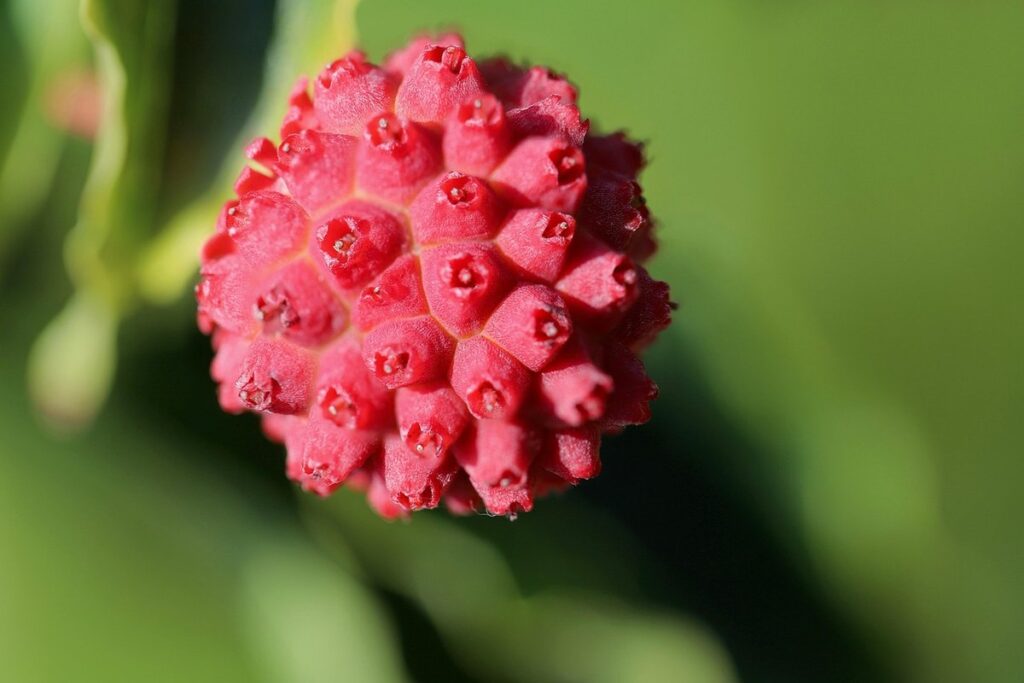
Asian dogwood (Cornus kousa) is a stunning flowering shrub native to East Asia, specifically in China, Japan, and Korea. Its botanical name, Cornus kousa, belongs to the family Cornaceae, which comprises around 30 species of deciduous and evergreen trees and shrubs. This beautiful plant is known for its showy white or pink flowers that bloom in late spring to early summer, attracting pollinators like bees and butterflies.
One of the key characteristics of Asian dogwood is its adaptability to different environments. It thrives in a variety of soil types and can tolerate both full sun and partial shade conditions. This versatility makes it an excellent choice for gardeners looking to add a low-maintenance yet visually appealing element to their landscape. In addition, Asian dogwood is often used as a specimen plant or in hedges due to its attractive growth habit and relatively small size.
In the context of your own garden, consider planting Asian dogwood in areas with well-drained soil to take advantage of its impressive flowering display.
Identifying Asian Dogwood Species
There are several species of Asian Dogwood, each with its unique characteristics. The Cornelian Cherry Dogwood (Cornus mas) is one of the most recognizable species, known for its bright red flowers and edible fruit. It’s a popular choice for hedges or screens due to its fast growth rate and tolerance for poor soil conditions.
The Red Osier Dogwood (Cornus sericea), on the other hand, features white flowers and attractive red stems that turn gray with age. This species is often used as an ornamental shrub in landscaping projects, providing year-round interest with its berries, foliage, and bark.
To distinguish Asian Dogwood species from similar ones like Kousa Dogwood (Cornus kousa) or Flowering Dogwood (Cornus florida), look for the following characteristics:
* Leaf shape: Cornelian Cherry Dogwood has broad leaves with wavy margins, while Red Osier Dogwood has narrow leaves with pointed tips.
* Flower color and timing: White flowers on Red Osier Dogwood bloom in late spring, whereas Cornelian Cherry Dogwood features bright red flowers in early spring.
* Foliage: Kousa Dogwood has dark green leaves with a pointed tip, unlike the broader leaves of Asian Dogwood species.
By paying attention to these characteristics and considering factors like climate, soil type, and desired plant size, you can choose the right Asian Dogwood species for your garden or landscape.
Growing and Caring for Asian Dogwood
To successfully grow and care for your Asian dogwood, learn how to provide the right environment, prune for optimal shape, and handle common issues that may arise. Proper maintenance will keep your tree thriving year-round.
Planting and Soil Requirements
When planting an Asian Dogwood tree, it’s essential to create the right environment for it to thrive. These trees prefer well-drained soil and a slightly acidic pH range of 5.5 to 6.5. If you’re unsure about your soil type, consider getting a soil test kit to determine its pH level.
To prepare the soil, start by removing any debris or weeds from the area where you’ll be planting. Dig a hole that’s twice as wide and just as deep as the tree’s root ball. Mix in 2-3 inches of organic matter such as compost or well-rotted manure to improve drainage and fertility.
If your soil is heavy clay or sandy, add amendments like peat moss or perlite to adjust its texture. Asian Dogwoods also prefer a slightly sloping terrain to prevent waterlogging. Plant the tree in the hole at the same depth it was in the pot, watering well after planting.
Avoid overwatering, as this can lead to root rot and other problems. Instead, provide regular deep watering during their first year of growth.
Watering and Fertilization Needs
When it comes to watering and fertilization needs of Asian Dogwood, consistency is key. The ideal watering schedule for this plant is to water once a week during the spring and summer months when temperatures are above 65°F (18°C). However, if you live in an area with frequent rainfall or high humidity, you may need to adjust your schedule accordingly.
During the fall and winter months when growth slows down, reduce watering to every other week. It’s also essential to avoid overwatering, as this can lead to root rot and other problems. To check the soil moisture, stick your finger into the soil up to the first knuckle; if it feels dry, it’s time to water.
In terms of fertilization, Asian Dogwood benefits from a balanced fertilizer applied in early spring. You can use a 10-10-10 NPK formula or an organic option like compost or well-rotted manure. Feed your tree with the recommended amount for the first growing season and follow up with another application during the summer months if necessary.
As you fertilize, don’t forget to prune your Asian Dogwood regularly. Prune in late winter or early spring to remove any dead or diseased branches, maintain shape, and encourage new growth. This will also promote a strong, healthy root system and prevent pest issues.
Using Asian Dogwood in Landscaping
When it comes to incorporating Asian dogwood into your landscape, one of the key considerations is its ability to thrive in a variety of conditions. Let’s explore some practical ways to use this versatile shrub.
Design Ideas and Placement Strategies
When it comes to incorporating Asian Dogwood into your landscape or garden, the possibilities are endless. One of the most significant benefits of this versatile shrub is its adaptability to various design styles and placement strategies.
For a dramatic statement piece, consider planting multiple Asian Dogwoods in a grouping, creating a stunning focal point that draws attention to a particular area of the yard. Alternatively, you can use them as a hedge or screen, pruning them regularly to maintain a neat and tidy appearance.
To add some visual interest, try incorporating Asian Dogwood into a mixed border with other flowering shrubs and perennials. The white or pink flowers will bloom in late spring, complementing the blooms of nearby plants while providing a striking contrast during the summer months when the foliage is at its peak.
When choosing a location for your Asian Dogwoods, consider the mature size of the plant (typically around 10-15 feet tall and wide) and leave enough space for growth. Also, be mindful of the soil type and sun exposure requirements to ensure the best results.
Pairing with Other Plants
When it comes to creating a visually appealing landscape with Asian Dogwood, pairing it with other plants is crucial. This shrub’s unique characteristics, such as its white flowers and red berries, make it an excellent addition to various plant combinations.
For a dramatic effect, pair the Asian Dogwood with bold foliage plants like Japanese Maples (Acer palmatum) or Sweetshrub (Calycanthus floridus). These plants will create a striking contrast against the dogwood’s delicate white flowers. Consider adding a few groundcovers like Creeping Thyme (Thymus serpyllum) or Vinca minor to fill in gaps and add texture.
Alternatively, you can pair the Asian Dogwood with flowering perennials like Black-eyed Susan (Rudbeckia hirta) or Catmint (Nepeta faassenii). These plants will complement the dogwood’s flowers without overpowering them. When selecting companion plants, remember to choose species with similar growing conditions and sunlight requirements to ensure a healthy and thriving landscape.
Remember to plant Asian Dogwood in clusters of three to five shrubs to create a naturalized look and encourage pollination. By combining this shrub with other plants that complement its unique characteristics, you’ll be able to achieve a stunning and diverse landscape design.
Health Benefits and Medicinal Uses
Asian dogwood has been prized for centuries not only for its stunning beauty, but also for its impressive array of health benefits and medicinal properties.
Traditional Medicine in Asia
Asian dogwood has been an integral part of traditional medicine in Asia for centuries. In Chinese medicine, it’s known as “Han Liang Rong” and is used to treat various ailments, including fever, rheumatism, and digestive issues. The plant’s berries are rich in flavonoids and anthocyanins, which are believed to possess anti-inflammatory and antioxidant properties.
In traditional Korean medicine, Asian dogwood is used to treat conditions such as arthritis, gout, and skin problems. The plant’s leaves and stems are often dried and made into tea or infused in hot water to release their medicinal properties. Some practitioners also use the berries to make a sweet syrup that can be taken as a treatment for coughs and sore throats.
While these traditional uses are rooted in centuries-old practices, modern scientific research has shed light on the plant’s potential health benefits. Studies have shown that Asian dogwood extracts exhibit anti-inflammatory and antioxidant activities, which may contribute to its traditional uses in treating various conditions. However, more extensive research is needed to confirm the effectiveness of Asian dogwood as a medicinal treatment.
When using Asian dogwood for medicinal purposes, it’s essential to note that the plant contains certain compounds that can interact with medications or exacerbate underlying health conditions. Consult with a healthcare professional before using any part of the plant as a treatment, especially if you’re pregnant, breastfeeding, or taking prescription medication.
Modern Research and Potential Applications
Recent studies have shed light on the Asian dogwood’s bioactive compounds, revealing potential applications for human health and wellness. The plant contains a range of flavonoids, including quercetin and kaempferol, which have been shown to exhibit anti-inflammatory properties. Research has also identified the presence of phenolic acids, such as chlorogenic acid, which may help regulate blood sugar levels.
The potential uses of these bioactive compounds are vast. For instance, the antioxidant properties of Asian dogwood’s flavonoids could help protect against cell damage and oxidative stress, contributing to a reduced risk of chronic diseases like heart disease and cancer. Additionally, the plant’s anti-inflammatory compounds may aid in managing symptoms associated with conditions such as arthritis and allergies.
While more research is needed to fully understand the extent of the Asian dogwood’s benefits, initial findings suggest its potential as a natural remedy for various health issues. If you’re interested in harnessing these benefits, consider incorporating dried or powdered Asian dogwood into your supplement routine, but be sure to consult with a healthcare professional before doing so.
Pest and Disease Management
When it comes to growing a healthy Asian Dogwood, managing pests and diseases is crucial. This section will walk you through common issues and offer effective solutions for prevention and treatment.
Common Pests Affecting Asian Dogwood
Asian dogwood trees can be susceptible to various pests that can cause damage to their leaves, stems, and overall health. One of the most common pests affecting Asian dogwoods are aphids. These small, soft-bodied insects feed on the tree’s sap, causing curled or distorted leaves and stunted growth.
Another pest that targets Asian dogwood trees is scales. These armored insects attach themselves to the tree’s bark and stems, sucking out nutrients and causing yellowing leaves and reduced growth rates. Regularly inspect your tree for these pests during the spring and summer months when they are most active.
Spider mites are also a common issue in Asian dogwoods. These tiny, spider-like arachnids feed on the tree’s sap, causing fine webbing on the leaves and yellowing or bronzing of the foliage. To manage these pests, use neem oil or insecticidal soap to control infestations.
To prevent pest problems, maintain good tree health through regular watering, fertilization, and pruning practices. Keep an eye out for signs of infestation and take action promptly to prevent further damage.
Diseases to Watch Out For
As you care for your Asian dogwood, it’s essential to be aware of some common diseases that can affect its health. One of the most prevalent issues is powdery mildew, which appears as a white, powdery coating on the leaves and stems. Leaf spot, on the other hand, manifests as small, circular lesions on the leaves, often with a yellow or brown center. Root rot, caused by overwatering, can be identified by soft, mushy roots.
To manage these diseases, it’s crucial to maintain good air circulation around your Asian dogwood. Prune any nearby plants that may be competing for space and water. Fungicides can also be used as a preventative measure or to treat existing infections. Regularly inspect your plant for signs of disease, and remove any affected leaves or branches to prevent the problem from spreading.
It’s also vital to avoid overwatering, which can lead to root rot. Water your Asian dogwood only when the soil feels dry to the touch, and ensure proper drainage by raising the bed or using a well-draining potting mix.
Propagation and Breeding
To successfully propagate and breed Asian dogwood, you’ll need to learn the optimal methods for seed germination, grafting, and layering. This will help ensure a healthy stock of plants for your garden.
Propagation Methods for Asian Dogwood
Propagating Asian Dogwood can be achieved through various methods, each with its own advantages and challenges. One common method is seed germination, which involves planting the seeds directly into a seed tray filled with a well-draining mix. However, this process can be slow, taking anywhere from 1 to 3 years for the seeds to mature.
For faster results, grafting is an effective method. This involves joining a stem or bud from a mature Asian Dogwood tree onto the root system of another tree, usually a rootstock that has been propagated through tissue culture. Tissue culture, also known as micropropagation, allows for mass production of genetically identical plants and can be done on a small scale with minimal equipment.
When grafting, it’s essential to select compatible rootstocks and scions, as well as ensure proper joining techniques to minimize the risk of rejection or disease. By mastering these propagation methods, gardeners and nurseries can efficiently produce high-quality Asian Dogwood trees for landscaping and other purposes.
Breeding Programs and Varietal Development
Several breeding programs are currently underway to develop new Asian dogwood cultivars with desirable traits. These initiatives focus on improving aspects such as disease resistance, growth habits, and foliage characteristics.
For example, the US National Arboretum has been actively involved in breeding programs for the Asian dogwood since the 1960s. Their efforts have led to the development of several popular cultivars like ‘Klinger’ and ‘Plaisir’, which exhibit improved cold hardiness and pest resistance.
Additionally, private nurseries and plant breeders are also investing heavily in developing new Asian dogwood varieties with unique features like compact growth habits, vibrant foliage colors, or enhanced flowering performance. Some notable examples include ‘Compacta’, a dwarf cultivar ideal for small landscapes, and ‘Auricoma’, which boasts striking golden-yellow leaves.
If you’re interested in cultivating your own Asian dogwood, consider selecting from these newly developed cultivars that offer improved attributes over their parent species. Keep in mind that even with bred varieties, proper care practices like regular watering, fertilization, and pruning are still essential for optimal plant health.
Conclusion and Final Thoughts
Now that we’ve explored the ins and outs of Asian dogwood care, let’s wrap up with a summary of key takeaways and final thoughts on this versatile tree.
Recap of Key Points
To ensure you’re well-equipped to care for this stunning tree, let’s recap the essential information covered in our comprehensive guide. You now know that Asian Dogwood (Cornus kousa) is a low-maintenance, flowering tree that thrives in USDA zones 5-9, tolerating a range of soil conditions and sun exposure levels.
From understanding its unique characteristics to mastering its care and benefits, we’ve explored the intricacies of this exceptional tree. You’re now aware of how to propagate Asian Dogwood from cuttings or seed, as well as how to prune it for optimal growth and flowering performance. Moreover, you know about the various pests and diseases that may affect your tree and have gained insight into implementing integrated pest management strategies.
As you continue on your journey with Asian Dogwood, remember to provide regular watering and fertilization, as well as ensure adequate space between trees for proper air circulation. By following these guidelines, you’ll be able to enjoy the beauty and benefits of this incredible tree for years to come.
Encouragement for Further Research
As you’ve learned about the Asian Dogwood’s unique characteristics, care requirements, and numerous benefits, we hope you’re inspired to continue exploring this fascinating plant. If you’re eager to delve deeper into the world of dogwoods, there are plenty of resources available to help you expand your knowledge.
Start by consulting reputable gardening books or online forums, where experts share their experiences and advice on cultivating Asian Dogwood. Websites like the American Society for Horticultural Science (ASHS) or the National Gardening Association (NGA) offer a wealth of information on plant care, including specific guidance on dogwoods.
You can also explore academic journals and research papers to stay up-to-date on the latest findings in horticulture and plant science. Some notable publications include the Journal of Environmental Horticulture and the Journal of American Society for Horticultural Science. By staying informed through a variety of sources, you’ll be better equipped to provide optimal care for your Asian Dogwood and enjoy its benefits for years to come.
Additionally, consider joining online gardening communities or local horticultural societies to connect with fellow dogwood enthusiasts and gain valuable insights from experienced growers. With continued learning and exploration, you’ll unlock the full potential of this remarkable plant.
Frequently Asked Questions
Can I grow Asian Dogwood in a container?
Yes, you can grow Asian Dogwood in a container, but make sure it’s large enough to accommodate the plant’s mature size (around 10-15 feet tall). Use a well-draining potting mix and provide regular watering and fertilization. Keep in mind that container-grown plants may require more frequent pruning.
What are some common pests affecting Asian Dogwood?
Asian Dogwood is susceptible to various pests, including Japanese beetles, aphids, and spider mites. Regularly inspect your plant for signs of infestation, such as holes in leaves or white powdery patches. Use organic or integrated pest management (IPM) techniques to control these pests.
How do I propagate Asian Dogwood?
Asian Dogwood can be propagated through layering, cuttings, and seed dispersal. Layering is the most common method, where a section of stem with roots is buried in soil. Cuttings should be taken from current season’s growth, and seeds can be sown immediately after harvest.
Can I use Asian Dogwood berries for food or medicine?
Yes, Asian Dogwood berries are edible and have been used in traditional medicine for centuries. However, proper identification and preparation are essential to avoid toxicity. Berries can be consumed raw or used in jams, jellies, and other recipes. For medicinal purposes, consult with a healthcare professional or a qualified herbalist.
How do I protect my Asian Dogwood from disease?
Diseases like powdery mildew, leaf spot, and root rot can affect Asian Dogwood. Practice good sanitation, remove infected plant material, and provide adequate air circulation to prevent the spread of disease. Regularly inspect your plant for signs of infection and take prompt action if necessary.