
Feeding ducks bread may seem like a harmless activity, but did you know that it’s actually bad for their health? Unfortunately, many of us have been led to believe that feeding ducks bread is a fun and easy way to interact with these beautiful creatures. However, when we feed them bread regularly, it can lead to serious problems, including malnutrition, digestive issues, and even death.
That’s why we’ve put together this comprehensive guide to help you understand the risks associated with feeding ducks bread and discover healthier alternatives that support local wildlife. In this article, we’ll delve into the reasons why bread is not a suitable food source for ducks and explore better options for feeding them, including fruits, vegetables, and specialized duck feed. By the end of this article, you’ll be equipped to make informed choices about how to interact with our feathered friends and help keep them happy and healthy.
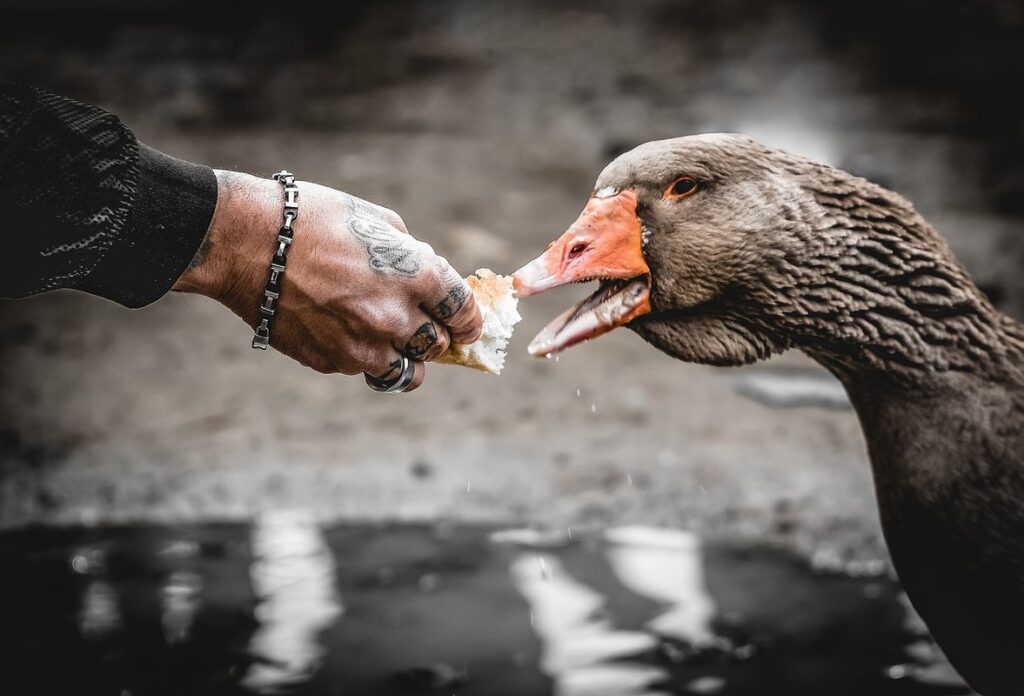
The Harmful Effects of Feeding Ducks Bread
Feeding ducks bread may seem harmless, but it can actually have some alarming consequences for their health and well-being. Let’s take a closer look at the potential harm that this common practice can cause.
Why Bread is Bad for Ducks
When you feed ducks bread, it may seem like a harmless act of kindness. However, it can have severe consequences for their digestive systems. Unlike humans who thrive on carbohydrates, ducks are herbivores that require a diet rich in fiber and nutrients found in aquatic plants.
Bread lacks essential nutrients and contains high amounts of empty calories, which can lead to malnutrition in ducks. When they ingest bread regularly, it can cause an imbalance in their gut bacteria, leading to digestive issues such as bloating, constipation, or diarrhea. Furthermore, bread is often contaminated with mold, fungi, or other substances that can harm duck health.
A study by the National Wildlife Federation found that feeding bread to ducks can lead to a decline in their natural foraging behavior and increase dependence on humans for food. This disrupts their ability to find nutritious food sources, ultimately affecting their overall well-being. To help ducks thrive, it’s best to stick to nutrient-rich foods like leafy greens or commercial duck pellets.
Nutritional Deficiencies in Bread
Feeding bread to ducks may seem harmless, but it can lead to nutritional deficiencies that are detrimental to their growth and development. Bread lacks essential nutrients such as protein, vitamins, and minerals that ducks require to stay healthy. For instance, ducks need a diet rich in calcium to maintain strong bones and teeth, which is often not found in bread.
When fed bread regularly, ducks may develop conditions like rickets, where their bones become soft and weak due to lack of calcium. Moreover, bread does not provide the necessary fiber that helps regulate digestion and prevent diseases such as duck diarrhea.
In fact, studies have shown that feeding bread to ducks can lead to malnutrition, causing them to lose weight, become lethargic, and even develop liver damage. A study conducted in a park found that over 70% of ducks fed bread had nutritional deficiencies compared to those who foraged for their natural diet.
If you still want to feed the ducks, consider alternatives like oats or barley, which are healthier options rich in fiber and nutrients. It’s essential to be mindful of what we feed these beautiful creatures to ensure they stay healthy and thrive in their natural habitats.
Impact on Local Ecosystems
Feeding bread to ducks may seem harmless, but it can have far-reaching consequences on local ecosystems. When ducks rely on human-provided bread for sustenance, they lose their natural foraging behaviors and become dependent on humans for food. This dependency can disrupt the delicate balance of the ecosystem.
For instance, when bread becomes a readily available food source, other animals in the area may also begin to rely on it, causing competition for resources among species that were previously coexisting harmoniously. Additionally, the introduction of human-provided food can lead to an over-reliance on this resource, causing some birds to starve during times when natural food sources are scarce.
As a result, local ecosystems may suffer from changes in population dynamics and nutrient cycling patterns. Native plant species may also be affected, as the altered bird populations can lead to increased seed dispersal, altering the composition of vegetation. By avoiding bread feeding altogether, we can help maintain the balance of nature and preserve the health of our local ecosystems.
The Benefits of Healthy Snacking Options
When you’re out feeding those adorable ducks, it’s easy to get caught up in offering them treats that are quick and convenient – but might not be best for their health. Let’s explore healthier snacking options together!
Alternative Food Sources for Ducks
When it comes to snacking on healthier options, ducks are no exception. In fact, providing them with nutritious treats can greatly benefit their overall health and well-being. So, what are some alternative food sources for our feathered friends?
One excellent option is leafy greens like kale, spinach, and collard greens. Not only are they rich in vitamins and minerals, but they’re also easy to grow at home or find at your local farmer’s market. Simply chop them up into bite-sized pieces and serve them to the ducks. You can also try adding some chopped carrots, apples, and berries for a sweet treat.
Other options include sliced cucumbers, cherry tomatoes, and even cooked oats. Just be sure to introduce new foods slowly and in small amounts to prevent digestive upset. A good rule of thumb is to offer 10-15% of their diet as treats, with the remaining 85-90% consisting of high-quality duck pellets or grains.
Some fun and creative ways to provide these snacks include making a “duck salad” by combining chopped greens with fruits and veggies, or even creating a “fruit kebab” by threading grapes, strawberries, and pineapple chunks onto skewers. Just remember to always supervise the ducks when offering treats and ensure they’re not overeating on any particular food item.
Tips for Introducing New Foods
When introducing new foods to your feathered friends, it’s essential to do so gradually to avoid digestive upset. Ducks have sensitive stomachs and can easily get overwhelmed by sudden changes in their diet.
Start by mixing a small amount of the new food with their regular bread-based diet. For example, if you’re trying to introduce leafy greens like kale or spinach, start by mixing it with 10% of their usual bread ration and gradually increase the proportion over time. This will allow their digestive system to adjust without causing any discomfort.
Remember, ducks have different nutritional needs than humans, so be mindful of what you’re feeding them. Avoid giving them foods high in salt, sugar, or unhealthy fats, as these can cause serious health problems. Stick to natural, whole foods like fruits, vegetables, and whole grains. With patience and persistence, your ducks will thrive on a balanced diet that’s tailored to their specific needs.
Supporting Local Wildlife with Nutritious Foods
When feeding ducks, it’s essential to consider what we’re providing them. While bread may seem like an easy and convenient option, it’s actually detrimental to their health. Feeding ducks a diet rich in carbohydrates from bread can lead to malnutrition, obesity, and other health problems.
A better approach is to offer nutritious foods that support the ducks’ natural diet. These include aquatic plants, fruits, and vegetables. For example, you can provide them with duck pellets or commercial birdseed as a supplement. You can also offer treats like lettuce, spinach, and berries.
When choosing what to feed, remember that variety is key. A mix of different foods will ensure the ducks receive all the necessary nutrients. Avoid feeding too much bread or relying solely on it for sustenance.
Instead of handing out bread, consider creating a duck-friendly environment by planting native aquatic plants along lakeshores or ponds. This not only provides a nutritious food source but also helps maintain water quality and supports local ecosystems.
Debunking Common Myths About Feeding Ducks
Many people have heard that feeding ducks bread is a harmless act, but let’s take a closer look at some of the common myths surrounding this practice. In reality, it can be quite detrimental to their health.
Myth: Bread is a Treat for Ducks
When it comes to feeding ducks, many of us assume that bread is a treat they’ll devour in seconds. However, this common myth couldn’t be further from the truth. In reality, bread is not a suitable food source for ducks and can even harm them.
The problem with feeding bread to ducks is that it quickly spoils and ferments, leading to an overgrowth of bacteria and algae in the water. This creates an unhealthy environment for both the ducks and other aquatic life. Moreover, bread lacks essential nutrients and fiber, making it a poor choice for their diet.
In fact, feeding bread to ducks can lead to malnutrition and even death. It’s not uncommon to see ducks relying solely on bread as their food source, which can cause them to become overweight and develop serious health issues.
If you want to feed the ducks in your area, consider offering them healthier alternatives like leafy greens, fruits, or commercial duck pellets specifically formulated for waterfowl. These options provide a balanced diet that will keep them healthy and happy.
Myth: Ducks Only Eat Bread in Ponds
When you visit a park or pond and see ducks swimming around, it’s easy to assume that they only eat bread. But why is it that these waterfowl seem so obsessed with this carb-rich food? The truth is, ducks don’t naturally have a preference for bread in their natural habitats.
In reality, ducks are omnivores and feed on a variety of plants, insects, small fish, and even grains. However, when they’re raised in captivity or frequent human-visited areas like parks, they may adapt to eating what’s readily available – including bread. At these locations, ducks learn to associate the presence of humans with food, and if bread is consistently provided, it becomes a convenient source of energy.
So, why don’t you see ducks pecking at grains or seeds in their natural habitats? This is largely because their dietary needs are met by their native environment. In the wild, they forage for nutritious plants, berries, and aquatic animals that provide them with essential nutrients.
The Role of Humans in Protecting Duck Populations
As humans, we have a crucial role to play in protecting duck populations and keeping them healthy, which is why it’s essential to understand how our actions can impact these adorable waterfowl. Let’s dive into the ways you can contribute to their well-being.
Community Engagement and Education
As we’ve discussed the dangers of feeding bread to ducks, it’s essential that park visitors are educated on responsible feeding practices. By doing so, we can minimize the harm caused by well-intentioned feeders and create a healthier environment for our feathered friends.
Educating park visitors is crucial in promoting duck conservation. When people visit parks with duck populations, they often want to interact and feed them. However, most don’t realize that bread can cause malnutrition, digestive issues, and even death. That’s why it’s vital to provide clear signs, brochures, or information boards about the risks of feeding bread.
You can also play a role in educating others by being a responsible feeder yourself. If you’re planning to visit a park with ducks, take a moment to learn about the types of food that are safe for them to eat, such as leafy greens and aquatic plants. You can then share this information with fellow visitors and encourage them to make more informed choices.
By working together to educate and raise awareness, we can create a safer and healthier environment for ducks in our parks and communities.
Collaborating with Local Authorities
When it comes to protecting duck populations, collaborating with local authorities is crucial. They can work together to establish guidelines for duck feeding and enforcement. This not only ensures that ducks receive nutritious food but also helps maintain public spaces.
Local authorities can develop policies that prohibit the feeding of bread to ducks in public areas. For instance, many parks now display signs indicating what types of food are acceptable for ducks. Some councils have even introduced fines for those caught feeding bread to ducks.
If you’re part of a local community group or advocacy organization, consider reaching out to your council to discuss establishing such policies. You can also engage with park rangers and other authority figures who interact regularly with the public in areas where ducks are present.
By working together, local authorities and concerned citizens can create environments that prioritize duck welfare while maintaining public spaces for recreation. It’s a collaborative effort that requires patience and understanding from all parties involved.
Best Practices for Visiting Parks and Feeding Ducks
When visiting parks and feeding ducks, it’s essential to follow some simple guidelines to ensure a safe and enjoyable experience for both you and the birds. Here are our top tips for responsible duck feeding.
Choosing Healthy Options
When visiting parks and interacting with ducks, it’s essential to prioritize their health and well-being. Feeding them bread can lead to malnutrition and other health issues, so what are some alternative snack options that you can bring along? Fresh vegetables like lettuce, kale, and spinach are perfect for ducks. You can also try carrots, sweet potatoes, or green beans.
Some parks may even have designated “duck feeding areas” with specific guidelines on what to feed the birds. For instance, some might recommend duck pellets as a healthy option. These usually contain a balanced mix of nutrients that cater specifically to ducks’ dietary needs.
Remember to wash and chop any vegetables before offering them to the ducks. Avoid giving them bread, as it can cause digestive problems. If you’re unsure what to feed or have questions about specific park rules, don’t hesitate to ask park staff for advice. By choosing healthy snack options, you’ll be contributing to a safe and enjoyable experience for both you and the ducks!
Respecting Local Guidelines and Regulations
When visiting parks to feed ducks bread, it’s essential to respect local guidelines and regulations. Park rules vary depending on the location, so it’s crucial to familiarize yourself with the specific rules before feeding the ducks.
Some parks may prohibit feeding bread altogether, while others might have designated areas for duck feeding or specify which types of food are allowed. Ignoring these rules can lead to fines, penalties, and even harm to the ducks themselves.
Before you visit a park, check their website, social media, or contact the local authorities to learn about their feeding policies. This will ensure you’re in compliance with the rules and can enjoy your time at the park without any issues.
For instance, the National Park Service advises against feeding bread to ducks, citing concerns over obesity, pollution, and disruption of natural foraging behaviors. Similarly, many city parks have specific guidelines, such as only feeding ducks approved types of pellets or limiting the amount of food you can give them.
By respecting local guidelines and regulations, you’ll not only avoid any potential consequences but also contribute to the well-being of the park’s ecosystem and its inhabitants. Always err on the side of caution and follow the rules to ensure a safe and enjoyable experience for both you and the ducks.
Conclusion: A Responsible Approach to Duck Feeding
Now that you’ve learned why feeding ducks bread is a bad idea, it’s time to wrap up our conversation with some practical tips on how to feed these charming birds responsibly.
Summary of Key Findings
In conclusion to our exploration of whether it’s acceptable to feed ducks bread, we’ve established that this common practice is not only unnecessary but also detrimental to the health and well-being of these beautiful creatures. It’s essential to remember that ducks are wild animals that have specific dietary needs, which cannot be met by human scraps like bread.
Throughout our discussion, we highlighted the importance of providing ducks with their natural food sources, such as aquatic plants, insects, and small invertebrates. These foods not only cater to their nutritional requirements but also help maintain a balanced ecosystem. In contrast, feeding bread to ducks has led to numerous health issues, including malnutrition, obesity, and even death.
We’ve also discussed the environmental impact of bread feeding, which includes pollution, water quality degradation, and displacement of native plant species. These effects not only harm the environment but also compromise the long-term sustainability of duck populations in urban areas.
As we strive to adopt responsible duck feeding practices, it’s crucial to educate ourselves on what constitutes healthy food options for these birds. Some alternatives to bread include:
• Leafy greens like lettuce and spinach
• Fresh fruits, such as berries and apples
• Cooked pasta or rice
• Whole grains like oats and barley
When providing ducks with their natural foods, remember to choose locally sourced options that are free from pesticides and other contaminants. By doing so, we can promote a healthier relationship between humans and ducks in urban environments.
By incorporating these responsible feeding practices into our daily lives, we can help ensure the well-being of duck populations for generations to come.
Frequently Asked Questions
What if I’m planning a trip to a nearby park or lake where ducks live? How can I make sure to feed them responsibly?
Make sure to check with the local authorities or park rangers about their feeding policies and guidelines. Some parks may have designated areas for feeding, while others might prohibit it altogether. Additionally, bring some healthy snacks like fruits, vegetables, or specialized duck feed to ensure you’re providing a nutritious treat.
How can I introduce new foods to ducks if they’re used to eating bread?
Gradually phase out the bread and start introducing small amounts of healthy alternatives in their diet. You can try mixing them with water or other familiar food sources to make the transition smoother. It’s essential to provide a variety of nutrient-rich foods to ensure their overall health.
Can I feed ducks at home, even if it’s not near a park or lake?
Feeding ducks at home can still have negative consequences for their health and the local ecosystem. If you’re concerned about duck populations in your area, consider supporting local wildlife by providing healthy food sources through organizations or sanctuaries that care for these animals.
What if I see someone feeding bread to ducks? How can I politely intervene?
You can approach the person and explain the harm caused by feeding bread to ducks. Share the information you’ve learned about healthier alternatives and suggest they consider switching to more nutritious options. Be respectful and empathetic in your approach, as some people might not be aware of the negative impact.
Can I involve my kids in responsible duck feeding practices?
Absolutely! Educating children about the importance of providing healthy food sources for ducks can be a great learning experience for them. Involve them in preparing and presenting nutritious snacks, and teach them how to observe and appreciate these amazing creatures in their natural habitat.