
Goose eggs are often overlooked in favor of their more commonly consumed counterparts, but these large, delicious eggs pack a nutritional punch that’s hard to ignore. Rich in protein and low in cholesterol, goose eggs make an excellent addition to any diet. But what makes them so special? By incorporating goose egg food into your meals, you can reap the rewards of improved heart health, increased energy levels, and even enhanced muscle growth. In this ultimate guide to goose egg food, we’ll delve into the world of nutrition and explore the benefits of these extraordinary eggs. From recipes to cooking tips, we’ll cover everything you need to know to start enjoying the health benefits of goose egg food today.
What are Goose Eggs?
If you’re new to goose egg food, let’s start from the basics: what exactly are goose eggs and how do they differ from regular chicken eggs.
Definition and Origin
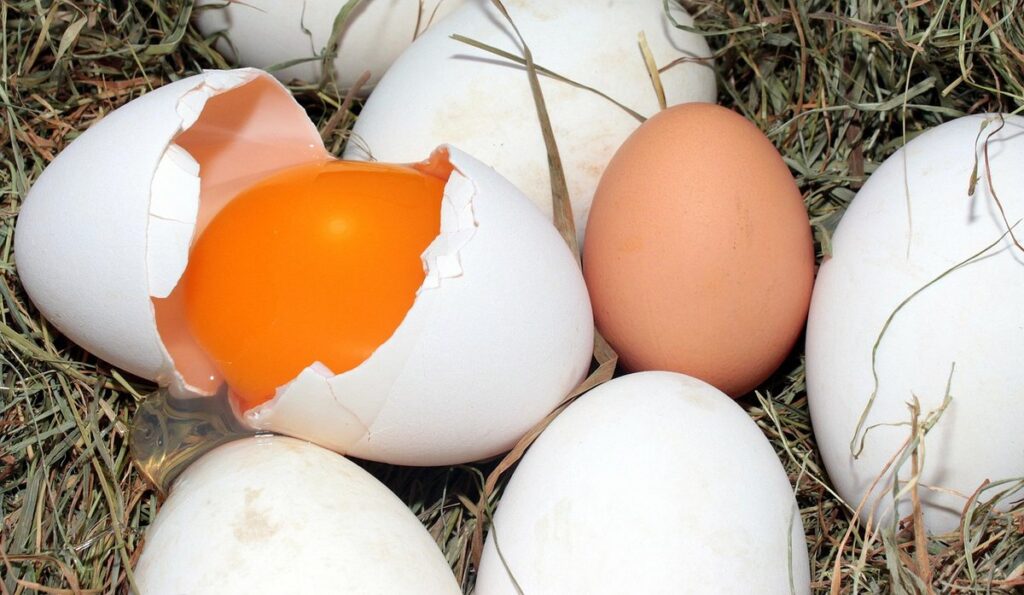
Goose eggs have gained immense popularity in recent years due to their unique characteristics and nutritional benefits. But what exactly are goose eggs? Simply put, a goose egg is the ovum produced by a domesticated goose, typically larger than chicken eggs. In fact, goose eggs can be up to 50% bigger in volume compared to large-sized chicken eggs. This difference in size not only sets them apart visually but also affects their nutritional content and cooking methods.
The origin of goose eggs dates back thousands of years, with evidence suggesting that ancient civilizations consumed them as a source of protein. Geese were initially raised for their meat, but over time, farmers began to collect their eggs as well. Today, many countries around the world cultivate geese specifically for their egg production. The rise in demand for goose eggs can be attributed to their higher nutritional value and versatility in cooking.
One major difference between goose eggs and chicken eggs is the thicker shell, which contains more calcium carbonate than its chicken counterpart. This makes goose eggs a great option for those seeking an extra dose of protein and essential minerals.
Nutritional Comparison to Chicken Eggs
When it comes to nutritional content, goose eggs are often pitted against their more popular counterpart, chicken eggs. While both provide essential macronutrients and vitamins, there are some notable differences that set goose eggs apart.
In terms of calories, goose eggs tend to be higher in fat and protein compared to chicken eggs. A large goose egg can contain up to 190 calories, whereas a large chicken egg typically ranges from 140-160 calories. This increased calorie content makes goose eggs an excellent choice for those looking to boost their energy levels or support muscle growth.
In terms of micronutrients, goose eggs are also more generous when it comes to vitamins and minerals. For example, they contain significantly higher amounts of vitamin A and E compared to chicken eggs. Goose eggs also have a higher concentration of iron, making them an excellent choice for individuals with iron deficiencies.
One key difference between the two is the yolk-to-white ratio. Goose egg yolks are larger and more dominant than their chicken counterparts, which means they contain a higher proportion of fat-soluble vitamins and minerals. This makes goose eggs an attractive option for those looking to supplement their diets with essential fatty acids and antioxidants.
Health Benefits of Goose Egg Consumption
Goose eggs are a nutrient-rich superfood, packed with protein and vitamins that can have a significant impact on our overall health. Let’s dive into some surprising benefits of incorporating them into your diet.
High-Quality Protein and Amino Acids
Goose eggs are an excellent source of high-quality protein, making them an ideal choice for athletes and individuals with high protein needs. One large goose egg can provide up to 7-8 grams of protein, which is significantly higher than a chicken egg. This is because goose eggs have a larger yolk-to-white ratio, meaning more protein-dense yolks.
The protein found in goose eggs is comprised of essential amino acids (EAAs), which are vital for muscle growth and repair. EAAs cannot be produced by the body and must be consumed through food sources. Goose eggs contain all nine EAAs, making them a complete protein source. This is particularly important for athletes, as they require a constant supply of amino acids to build and repair muscles.
If you’re an athlete or someone with high protein needs, incorporating goose eggs into your diet can have a significant impact on muscle growth and recovery. Simply scramble or fry a couple of goose eggs and enjoy them as part of your breakfast or post-workout meal. With their high nutritional value and versatility, it’s no wonder why many fitness enthusiasts swear by the benefits of goose egg consumption.
Reduced Risk of Chronic Diseases
Consuming goose eggs has been linked to a reduced risk of chronic diseases due to their rich nutritional profile. The high levels of omega-3 fatty acids in goose eggs have been shown to lower triglyceride levels and reduce inflammation, both key factors in the development of heart disease. In fact, studies have demonstrated that individuals who consume diets rich in omega-3s are up to 50% less likely to experience a heart attack.
The vitamins and minerals present in goose eggs also play a crucial role in disease prevention. Vitamin D, for instance, has been shown to reduce the risk of certain cancers, including colorectal cancer by as much as 30%. Additionally, the high levels of choline in goose eggs have been linked to improved insulin sensitivity, reducing the risk of developing type 2 diabetes.
To incorporate goose eggs into your diet and reap these benefits, consider adding them to omelets or scrambled eggs for breakfast. Alternatively, use egg yolks as a topping for salads or soups for an added boost of nutrition.
Culinary Uses for Goose Eggs
When working with goose eggs, their rich flavor and creamy texture make them perfect for a variety of dishes, from omelets to custards. Let’s explore some creative ways to incorporate them into your cooking repertoire.
Cooking Methods and Recipes
Goose eggs are incredibly versatile, and their large size makes them perfect for experimenting with various cooking methods. When it comes to cooking goose eggs, the options are endless, but some of the most popular techniques include boiling, frying, poaching, and baking.
Boiling is a great way to cook goose eggs for a simple snack or addition to salads. To boil goose eggs, place them in a single layer at the bottom of a saucepan, cover them with cold water, and bring to a boil. Reduce the heat and let simmer for 10-12 minutes. Frying is another popular method that brings out the rich flavor of goose eggs. Slice the egg in half lengthwise, remove the yolk, and mix it with chopped herbs or spices. Then, carefully fill the whites with the yolk mixture and pan-fry until golden brown.
For a more delicate approach, try poaching your goose eggs. This method is perfect for adding a protein-rich element to salads or breakfast dishes. To poach, crack an egg into simmering water and cook for 3-5 minutes, depending on the desired doneness. Baking is another great way to cook goose eggs, especially when you want to add a twist to your favorite quiches or frittatas.
Here are some simple recipe ideas to get you started:
* Roasted Goose Egg Salad: Toss diced roasted goose egg with mixed greens, cherry tomatoes, and a tangy vinaigrette for a fresh and healthy salad.
* Stuffed Goose Egg Omelette: Fill a pan-fried omelette with sliced goose eggs, chopped herbs, and grated cheese for a satisfying breakfast dish.
* Quiche Lorraine: Mix diced goose eggs with cream, cheese, and herbs, pour into a pre-baked pie crust, and bake until golden brown.
These recipes demonstrate the versatility of goose eggs in both sweet and savory dishes. With these cooking methods and simple recipe ideas, you’ll be well on your way to exploring the culinary possibilities of goose eggs.
Using Goose Eggs as a Substitute
When it comes to using goose eggs as a substitute for chicken eggs in recipes, you’ll be pleased to know that they can be used in various dishes with minimal adjustments. One of the most significant differences between goose and chicken eggs is their size and density. Goose eggs are larger and have a thicker shell, which means they’ll cook more quickly than their smaller counterparts.
When substituting goose eggs for chicken eggs in baked goods, keep an eye on your recipe’s cooking time. As goose eggs contain more moisture, they can lead to overcooked or dry products if not monitored closely. A good rule of thumb is to reduce the baking temperature by 25°F (15°C) and increase the baking time by about 10-15%. For example, if a recipe calls for a 350°F (180°C) oven and a 30-minute cooking time, try using a 325°F (165°C) oven and increasing the cooking time to 35-40 minutes.
In omelet recipes, goose eggs cook more quickly due to their higher water content. To avoid overcooking, cook the eggs over low-medium heat and fold them gently as they set.
Choosing and Storing Goose Eggs
When it comes to using goose eggs, selecting fresh ones is crucial. Here’s a rundown on how to choose and store your goose eggs for optimal freshness and flavor.
Freshness and Quality Standards
When it comes to enjoying the nutritional benefits of goose eggs, purchasing high-quality eggs from reputable sources is crucial. Freshness and quality standards can significantly impact not only the taste but also the health value of these eggs.
To check for freshness, start with a visual inspection. Look for clean, dry shells without any visible cracks or stains. Be wary of eggs with soft spots or an unusual shape, as these could be signs of age or damage. Next, try egg candling – this involves holding the egg up to a bright light source and observing its contents through the shell. Fresh eggs will have a dark spot in the center (the yolk) surrounded by a clear, moving liquid (the white). Old or spoiled eggs may show visible signs of decomposition.
When shopping for goose eggs, seek out local farms or suppliers that adhere to strict freshness and quality standards. Consider purchasing directly from farmers whenever possible – this allows you to ask questions about their production methods and gain insight into the egg’s origin. Remember, investing in high-quality eggs ensures you’re getting a superior product with optimal nutritional value.
Storage and Handling Guidelines
When it comes to storing goose eggs properly, it’s essential to get it right to ensure their quality and safety. First and foremost, store them in a cool, dry place away from direct sunlight. The ideal storage temperature is between 38°F (3°C) and 40°F (4°C), which can be achieved by using a refrigerator or a cooler with ice packs.
When handling goose eggs, make sure to handle them gently to avoid cracking the shells. It’s also crucial to wash your hands before and after handling the eggs to prevent any contamination. For longer storage periods, consider storing the eggs in their carton or container to protect them from moisture and other external factors.
The shelf life of goose eggs is approximately 7-10 days at room temperature (around 70°F/21°C), but this can be extended up to 5 weeks when stored properly in a refrigerator. If you notice any visible signs of mold, cracks, or other damage, it’s best to discard the eggs immediately to avoid any potential health risks.
Remember to check on your stored goose eggs regularly for any signs of spoilage and enjoy them within their expected shelf life to reap their full nutritional benefits and taste.
Goose Egg Industry and Availability
Goose egg enthusiasts, let’s dive into the world of availability: where can you find goose eggs, and what factors affect their accessibility? We’ll explore it all.
Large-Scale Production vs. Small Farms
When it comes to goose egg production, there are two main approaches: large-scale commercial farming and small-scale family farms. While both methods can provide a steady supply of eggs, they differ significantly in terms of sustainability, animal welfare, and environmental impact.
Large-scale commercial farms prioritize efficiency and cost-effectiveness, often resulting in overcrowding, stress on the animals, and reliance on synthetic feed and fertilizers. This approach can lead to soil degradation, water pollution, and decreased biodiversity. For example, a study found that large-scale egg production is responsible for 40% of greenhouse gas emissions from agriculture.
On the other hand, small-scale family farms focus on sustainable practices, such as rotational grazing, free-range housing, and organic feed. These operations tend to have lower environmental footprints and promote better animal welfare. A survey showed that consumers are willing to pay a premium for eggs from small-scale, locally sourced farms. By choosing small-scale farms, you’re supporting more humane and eco-friendly practices while ensuring the quality of your goose eggs.
Availability and Accessibility
Goose eggs can be found in various locations, depending on your region. In some areas, you might find them at local farmers’ markets, where artisanal producers often sell unique products. These markets are an excellent place to discover specialty items like goose eggs, which may not be readily available in larger grocery stores.
To locate online retailers that carry goose eggs, search for specialty food shops or gourmet websites. Some popular options include Amazon and local butcher shops that also sell online. Keep in mind that shipping conditions can affect the freshness of the eggs, so it’s essential to choose a reputable seller.
Availability and demand vary across cultures and regions. In some countries like France, goose eggs are a staple ingredient, while in other areas, they may be harder to come by. If you’re having trouble finding goose eggs locally, consider joining a food co-op or buying from local farmers directly through social media platforms or online forums. This can help you connect with producers and get the freshest products possible.
Conclusion: Embracing the Benefits of Goose Egg Food
Now that you’ve learned about the benefits and uses of goose egg food, let’s discuss how to incorporate it into your daily life for optimal nutrition. We’ll explore practical tips for embracing its advantages.
Recap and Takeaways
As we conclude our comprehensive guide to goose egg food, let’s recap the key takeaways and benefits of incorporating these nutrient-rich eggs into your diet. We’ve explored the exceptional nutritional profile of goose eggs, which offer higher levels of protein, vitamins, and minerals compared to chicken eggs. The increased omega-3 fatty acid content in goose eggs makes them an excellent choice for individuals looking to improve heart health.
In terms of culinary uses, we’ve seen that goose eggs can be used as a direct substitute for chicken eggs in many recipes, from baked goods to savory dishes. However, their larger size and thicker whites require some adjustments in cooking techniques. We’ve also discussed the various industry aspects of goose egg farming, including its environmental benefits and sustainable practices.
Incorporating goose eggs into your diet can have numerous health benefits, making them an excellent addition to a balanced meal plan. By choosing goose eggs over chicken eggs, you’re supporting environmentally friendly farming practices and reaping the rewards of superior nutrition.
Final Thoughts and Recommendations
As you’ve now gained a deeper understanding of the nutritional benefits, versatility, and uses of goose egg food, it’s time to put them into practice. Start by incorporating them into your balanced diet as a regular protein source or use them as a special treat on weekends. Experiment with new recipes that showcase their unique flavor and texture.
Try substituting goose eggs for chicken eggs in your favorite breakfast dishes, such as omelets or frittatas. You can also add them to pasta sauces, stews, or soups for an extra boost of protein and richness. Don’t be afraid to get creative with your cooking – the mild flavor of goose eggs pairs well with a variety of herbs and spices.
To explore the full potential of goose egg food, seek out local sources that sell fresh, high-quality products. Visit nearby farms, farmers’ markets, or specialty stores that carry them. This will not only ensure you get the best taste but also support your community’s agricultural industry. By embracing goose egg food in your cooking and exploring its versatility, you’ll be rewarded with a healthier, more satisfying diet.
Frequently Asked Questions
Can I use goose eggs as a direct substitute for chicken eggs in all recipes?
Yes, you can use goose eggs as a substitute for chicken eggs in most recipes, but keep in mind that their larger size may affect the overall texture and flavor. It’s best to start with a small batch and adjust the recipe accordingly.
How do I store goose eggs to maintain their freshness and quality?
To ensure optimal storage, keep goose eggs refrigerated at 40°F (4°C) or below. Store them in their original carton or wrap them individually in plastic wrap or aluminum foil. Use within 7-10 days of purchase for best flavor and texture.
What are some common health concerns associated with consuming goose egg food?
While goose eggs are nutritious, they can be high in cholesterol and saturated fats. Individuals with heart conditions or high cholesterol levels should consult their healthcare provider before incorporating goose egg food into their diet.
Can I cook goose eggs using the same methods as chicken eggs, or do I need to adjust cooking times and techniques?
You can cook goose eggs using similar methods to chicken eggs, but be prepared for longer cooking times due to their larger size. Adjust cooking times accordingly, and use a meat thermometer to ensure internal temperatures reach 165°F (74°C) for safe consumption.
How do I incorporate goose egg food into my diet on a budget?
To make goose egg food more affordable, consider buying in bulk or purchasing from local farmers who may offer competitive pricing. You can also use goose eggs as an occasional treat or substitute them with chicken eggs in smaller quantities to stretch your budget further.