
When it comes to feeding your adorable ducklings, one common question pops up: can you feed them bread? While it might seem harmless, feeding bread to ducklings can have serious consequences on their growth and development. The truth is, bread lacks essential nutrients like protein, vitamins, and minerals that are crucial for healthy duckling growth. In this article, we’ll delve into the dangers of feeding bread to ducklings and explore how to provide a balanced diet rich in protein, vitamins, and minerals. We’ll also offer expert advice on suitable foods and creative ways to add variety to your duckling’s meals. Whether you’re a seasoned breeder or a curious newcomer, this article will help you make informed decisions about feeding your feathered friends.
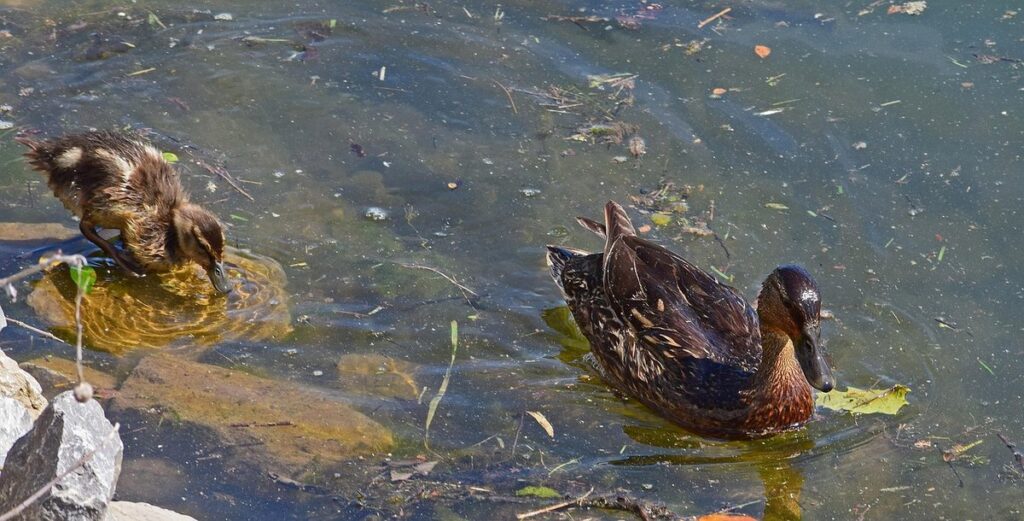
The Risks of Feeding Bread to Ducklings
Feeding bread to ducklings might be a tempting way to interact with these adorable birds, but it poses several risks that you should know about. Let’s dive into the potential consequences of this habit.
Why Bread is Not a Suitable Food Source for Ducklings
Feeding bread to ducklings may seem like an easy and convenient option, but it’s far from providing them with a balanced diet. The reality is that bread lacks essential nutrients that ducklings need to grow and thrive. A typical loaf of bread contains empty calories from carbohydrates, sugars, and refined flour, which can lead to malnutrition in young ducklings.
When ducklings rely on bread as their primary source of nutrition, they may experience stunted growth, weakened immune systems, and a higher risk of diseases. Imagine raising your adorable ducklings only for them to grow into weak and scrawny birds that are more susceptible to illnesses. This is the potential outcome when you feed them bread instead of providing them with nutrient-rich foods.
To avoid this fate, it’s essential to offer ducklings a balanced diet that includes a mix of grains, fruits, vegetables, and protein sources like mealworms or crickets. You can also consider making your own duckling starter feed at home using readily available ingredients. Always prioritize the health and well-being of your feathered friends by providing them with the nutrients they need to grow strong and healthy.
What Happens When You Feed Ducklings Too Much Bread?
When you feed ducklings too much bread, it can lead to a host of problems that can be detrimental to their health. For one, overfeeding bread can cause digestive issues, including constipation and diarrhea. This is because bread lacks essential nutrients that ducklings need to stay healthy, so when they eat too much of it, their bodies struggle to process the carbs.
As a result, ducklings may become obese, which increases their risk of developing various diseases, such as respiratory problems, heart disease, and even diabetes. Furthermore, overfeeding can also lead to malnutrition, as bread displaces more nutritious foods in the duckling’s diet. In fact, a study found that feeding ducklings too much bread can reduce their lifespan by up to 30%.
To avoid these issues, it’s essential to feed ducklings a balanced and varied diet that includes plenty of fruits, vegetables, and protein sources like mealworms or commercial duck pellets. If you must feed bread to your ducklings, make sure it’s in moderation – no more than 1-2 tablespoons per day for each duckling. It’s also crucial to provide fresh water at all times to help them stay hydrated.
Nutritional Requirements for Growing Ducklings
To ensure your ducklings grow strong and healthy, you need to know their specific nutritional requirements during different stages of growth. This includes understanding protein, vitamin, and mineral needs.
The Importance of a Balanced Diet for Ducklings
Ducklings require a balanced diet that includes essential nutrients to grow strong and healthy. A primary component of this diet is protein, which is crucial for muscle growth and development. Ducklings need about 20-25% of their daily calories to come from protein sources such as mealworms, crickets, or commercial duck starter feed.
Vitamins and minerals are also vital for the health and well-being of ducklings. Vitamin A is essential for healthy vision, immune function, and skin integrity, while vitamin D3 supports bone growth and development. Calcium and phosphorus are crucial for strong bones and teeth, and ducks require adequate amounts in their diet to prevent metabolic bone disease.
A well-balanced commercial duck starter feed should provide a mix of proteins, vitamins, and minerals that meet the nutritional needs of growing ducklings. When supplementing with treats, choose nutrient-rich options like leafy greens or fresh vegetables to add variety without compromising nutrition. For example, offering dark leafy greens like kale or spinach provides essential vitamins A and K while also supporting healthy feather growth.
Examples of Nutrient-Rich Foods Suitable for Ducklings
When it comes to feeding ducklings, it’s essential to provide them with nutrient-rich foods that will support their growth and development. A balanced diet is crucial for young ducks, and commercial duckling starter is an excellent option. These specialized feeds are formulated to meet the unique nutritional needs of growing ducklings, providing a perfect blend of proteins, vitamins, and minerals.
In addition to commercial starters, you can also offer a variety of fruits and vegetables as treats. Leafy greens like kale, spinach, and collard greens are rich in iron and calcium, while carrots and sweet potatoes provide essential vitamins A and C. Fruits like berries, apples, and bananas are also great options, but be sure to introduce them gradually to prevent digestive issues.
Grains can also be a healthy addition to your ducklings’ diet. Whole grains like oats and barley are rich in fiber, while rice is a good source of carbohydrates. However, it’s essential to provide these foods in moderation, as they can be high in calories. A general rule of thumb is to offer 10-15% of their daily ration as treats, including fruits, vegetables, and grains.
The Dangers of Overreliance on Bread by Humans
Feeding your ducklings bread may seem harmless, but did you know that it can lead to a host of problems for both them and their ecosystems? This is especially true when done excessively.
Why Some People Might Think Feeding Bread is a Good Idea
Some people might think feeding bread to ducklings is harmless because it’s easily accessible and seems like a convenient way to interact with them. Others may have grown up with the idea that feeding bread is a natural way to attract birds, without realizing the potential harm it can cause.
In reality, feeding bread to ducklings can lead to serious health problems, as we’ve discussed earlier. However, it’s also possible that some individuals might believe they’re doing the right thing because of misconceptions about what ducklings need to eat. Some people might assume that bread provides essential nutrients or is a suitable substitute for their natural diet.
It’s worth noting that commercial bread is not nutritionally balanced and can be detrimental to ducklings’ health in the long run. When humans feed bread, it can lead to dependency on humans for food, causing the ducklings to lose their ability to find nutritious foods on their own. A more informed approach would be to provide ducklings with their natural diet, which consists of aquatic plants, insects, and small crustaceans.
Understanding the Impact of Human Actions on Duckling Health
When humans overfeed ducklings with bread, it can have severe consequences for their health and well-being. For instance, bread is low in nutrients but high in carbohydrates, which can lead to an imbalanced diet that deprives them of essential vitamins and minerals. This can cause a range of problems, including malnutrition, digestive issues, and even organ damage.
One key issue with feeding ducklings bread is that it can lead to over-reliance on a single food source. When ducklings are fed only bread, they don’t learn to forage for their natural diet, which includes aquatic plants, insects, and small invertebrates. This makes them vulnerable to changes in their environment and reduces their ability to survive without human intervention.
Feeding bread to ducklings can also lead to overpopulation, as it creates a dependence on humans for food, rather than teaching the ducklings to fend for themselves. In areas where bread is frequently fed to ducklings, the local ecosystem can become imbalanced due to the presence of these non-native birds that rely solely on human handouts.
When visiting parks or lakes with duck populations, consider bringing vegetables such as lettuce, carrots, or peas instead of bread. These provide a more balanced and nutritious diet for ducklings while teaching them valuable foraging skills. By making small changes to our behavior, we can promote healthier and more sustainable relationships between humans and these fascinating birds.
Identifying Suitable Alternatives for Feeding Ducklings
When it comes to providing a balanced diet for your ducklings, there are several alternative foods you can offer beyond bread. Let’s explore some nutritious options.
Tips for Choosing the Right Food for Your Ducklings
When it comes to choosing the right food for your ducklings, it’s essential to prioritize their nutritional needs. If you’re considering feeding them bread as a substitute, it’s crucial to understand why commercial feeds are a better option. Bread lacks essential nutrients like protein, vitamins, and minerals that ducklings require for growth and development.
To make an informed decision, let’s break down the key components of a balanced diet for ducklings. A nutrient-rich diet should include:
• Protein sources: insects, mealworms, or commercial poultry feed
• Calcium: crushed eggshells or dark leafy greens like kale or spinach
• Vitamins and minerals: consider adding supplements specifically formulated for waterfowl
You can also create a homemade mix using a combination of ingredients. For example, you can blend oats, cornmeal, and sunflower seeds with added vitamins and minerals. However, be cautious not to overdo it – excessive salt or sugar content can harm your ducklings.
When selecting commercial feeds, look for products specifically designed for ducklings or waterfowl. These feeds are formulated to meet their unique nutritional requirements. Remember, a balanced diet is crucial for the health and well-being of your ducklings.
Creative Ways to Provide Variety in a Duckling’s Diet
When it comes to feeding ducklings, it’s essential to provide a balanced and varied diet that meets their nutritional needs. Bread may seem like an easy option, but as we’ve discussed earlier, it lacks the nutrients and fiber required for healthy growth. To add some excitement to mealtime and ensure your feathered friends are getting everything they need, try these creative ways to mix things up:
Consider adding fruits to their diet, such as sliced apples or berries, which provide a sweet treat and essential vitamins. Leafy greens like kale and spinach are also excellent additions, rich in iron and calcium. You can even create a duckling-friendly salad with chopped veggies, fruits, and grains like oats or barley.
Some other ideas include offering cooked sweet potatoes or carrots as a tasty side dish, or even letting them forage for insects and worms in a secure enclosure. Remember to introduce new foods gradually to prevent digestive upset and make sure they have access to clean water at all times. With a little creativity, you can create a varied and nutritious diet that will keep your ducklings happy and healthy!
Common Misconceptions About Feeding Bread to Ducklings
Many of us have been led to believe that feeding bread to ducklings is harmless, but there are some surprising misconceptions to set straight. Let’s dive into what you might be getting wrong.
Debunking the Myth That Bread is Good for Ducklings
One of the most enduring myths surrounding ducklings is that bread is an essential part of their diet. However, this notion couldn’t be further from the truth. Feeding bread to ducklings has become a common practice among some bird enthusiasts and park visitors, but it’s not without its consequences.
The reality is that bread lacks essential nutrients that ducklings require for healthy growth and development. In fact, feeding bread to ducklings can lead to malnutrition, digestive issues, and even death. A diet consisting solely of bread can cause an imbalance in their gut bacteria, making them more susceptible to illness.
In addition, bread also contributes to the overpopulation problem, as it makes ducklings reliant on humans for food rather than teaching them to forage for natural foods like aquatic plants, insects, and small crustaceans. This unnatural reliance can lead to a loss of natural behaviors and a decrease in their ability to fend for themselves.
By avoiding bread altogether and providing a balanced diet of nutrient-rich foods, you can help ensure the health and well-being of these adorable creatures.
Separating Fact from Fiction in Raising Healthy Ducklings
When it comes to raising healthy ducklings, it’s essential to separate fact from fiction. Unfortunately, many well-meaning owners rely on outdated information and misconceptions about feeding their young charges. To ensure you’re providing the best possible care for your ducklings, consult expert recommendations and scientific research.
The American Society for the Prevention of Cruelty to Animals (ASPCA) emphasizes the importance of a balanced diet rich in protein and fiber for growing ducklings. Conversely, bread lacks essential nutrients and can lead to malnutrition. Dr. Deborah L. Smith, a veterinarian specializing in poultry care, warns that feeding bread to ducklings “can cause a range of problems, including digestive issues, stunted growth, and weakened immunity.”
To raise healthy ducklings, provide them with a starter feed specifically formulated for young waterfowl. This type of feed contains the necessary nutrients for optimal growth and development. For example, a starter feed might include 18-20% protein, which is crucial for muscle development and feather growth.
When selecting a starter feed, look for products that carry certifications from reputable organizations such as the American Feed Industry Association (AFIA) or the National Animal Supplement Council (NASC). These third-party audits ensure that the feed meets high standards of quality and safety.
Conclusion: Prioritizing a Balanced Diet for Your Ducklings
As you’ve learned how to feed your ducklings safely, it’s time to think ahead and prioritize a balanced diet that will keep them healthy and strong throughout their lives. Let’s discuss why this is crucial for their development.
Recap of Key Points
In conclusion, we’ve covered essential information about feeding bread to ducklings. It’s crucial to remember that ducklings have specific dietary needs that must be met for their optimal growth and health. We discussed the risks associated with a bread-based diet, including malnutrition, digestive issues, and an increased risk of obesity.
To reinforce understanding, let’s recap some key points: feeding ducklings bread can lead to calcium deficiencies due to its low nutritional value; bread lacks essential vitamins, minerals, and proteins necessary for growth; and providing a balanced diet that includes high-quality commercial duckling feed or formulated pellets is essential. It’s also vital to ensure access to fresh water at all times and provide a varied diet rich in fruits, vegetables, and whole grains.
By following these guidelines, you can create a healthy environment for your ducklings. Remember to introduce new foods gradually to prevent digestive upset. With proper planning and attention to nutritional needs, you’ll be well on your way to raising happy, healthy ducklings that thrive under your care.
Final Tips for Feeding Your Ducklings Nutrient-Rich Foods
When it comes to feeding your ducklings, you’ve learned that bread is not the answer. To ensure they’re getting all the nutrients they need, here are some final tips for providing a balanced diet.
First and foremost, consult with a veterinarian to determine what type of commercial starter feed or pellets would be best for your ducklings. They can recommend the right amount to feed based on their age, size, and breed. Once you’ve got that covered, you can supplement their diet with fresh fruits and veggies like leafy greens, carrots, and apples.
Remember to limit treats to 10-15% of their daily intake, as overfeeding can lead to obesity and other health problems. It’s also essential to provide a source of calcium for strong bones, such as crushed eggshells or dark leafy greens like kale.
Lastly, monitor your ducklings’ droppings to ensure they’re not having digestive issues from the new food. Keep an eye out for changes in stool color, consistency, or frequency, and adjust their diet accordingly. By following these tips, you’ll be well on your way to raising happy, healthy ducklings.
Frequently Asked Questions
Can I still feed my ducklings some bread occasionally, or is it completely off-limits?
While it’s best to avoid feeding bread altogether due to its lack of essential nutrients, an occasional small amount (less than 10% of their diet) won’t cause immediate harm. However, make sure to provide a balanced meal with nutrient-rich foods the rest of the time.
How do I introduce new foods to my ducklings’ diet without causing digestive issues?
When introducing new foods, start by mixing them with their regular diet in small amounts (about 10-20%). Monitor your ducklings’ droppings and behavior for any signs of distress. If you notice any issues, slow down the transition process or consult a veterinarian.
Are there specific nutrients I need to focus on providing when raising ducklings?
Ducklings require protein-rich foods like insects, mealworms, or commercial starter feed. They also need access to calcium and vitamin D3 sources for strong bone growth. Consult with a poultry expert or a veterinarian to ensure you’re meeting their nutritional needs.
Can I raise ducklings without access to a pond or pool of water? What are some alternatives?
While access to water is ideal, it’s not necessary for raising healthy ducklings. You can provide a large container or tub with shallow water and a ramp for them to exit safely. Change the water frequently to prevent bacterial growth.
How do I balance providing variety in my ducklings’ diet while avoiding overfeeding?
Aim to offer a mix of 5-7 foods per day, including fruits, vegetables, grains, and protein sources. Make sure not to exceed their caloric needs, and monitor their weight and activity levels to adjust the portion sizes accordingly.