
Are you fascinated by the intricate world of insects? If you’re an entomologist, a hobbyist, or simply someone who appreciates the wonders of nature, then this article is for you. Praying mantis eggs are often overlooked, but understanding their life cycle development and incubation process can be incredibly rewarding. Not only will you gain insight into these fascinating insects’ biology, but you’ll also learn expert tips on caring for them. From how to identify the different stages of egg development to what conditions are necessary for successful hatching, we’ve got everything you need to know about praying mantis eggs. In this article, we’ll delve into the world of praying mantis eggs and provide you with a comprehensive guide to help you navigate their life cycle and care for these incredible insects.
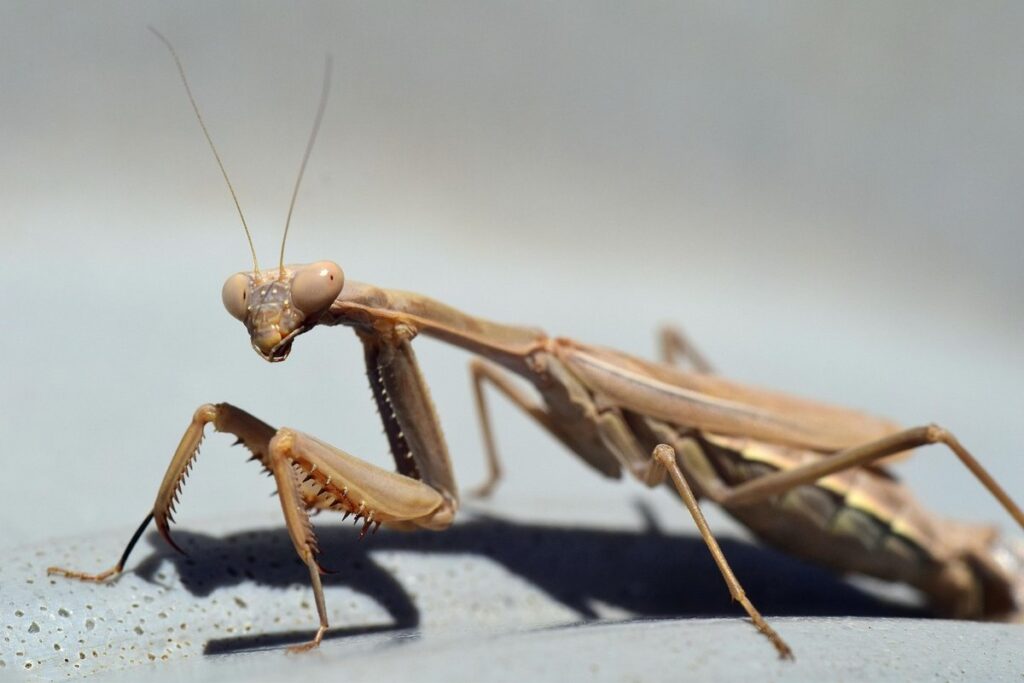
Life Cycle of a Praying Mantis
As you care for your praying mantis eggs, it’s essential to understand their life cycle and development stages, which we’ll cover in this next part of our guide. This will help you anticipate and meet their needs at each critical phase.
Egg Stage Development
The formation of praying mantis eggs is a crucial step in their life cycle. Adult mantises typically mate during spring and early summer, with males performing a complex courtship ritual to impress females. The male’s goal is to secure the female’s receptiveness by vibrating his abdomen and displaying his own vigor. Females are usually receptive to mating, but some species may exhibit aggression towards males.
Female praying mantis that have successfully mated will then begin searching for a suitable location to lay their eggs. They typically choose protected spots with abundant vegetation and adequate humidity. This is where they can safely store the oothecae, which contain the fertilized eggs. The female will tap her abdomen against the substrate several times before depositing the oothecae. The size of the oothecae varies greatly among different species, but it can be a crucial indicator of the number and health of future offspring.
Factors Affecting Egg Survival
When it comes to caring for praying mantis eggs, understanding the various factors that can affect their survival rate is crucial. Temperature and humidity levels play a significant role in determining whether your eggs will hatch successfully.
Eggs are most vulnerable during the incubation period, typically lasting between 6-8 weeks. A temperature range of around 70-80°F (21-27°C) with moderate humidity levels is ideal for egg development. However, temperatures below 60°F (16°C) or above 90°F (32°C) can significantly lower hatch rates.
Predation is another factor to consider. Egg-eating wasps and ants are common predators of praying mantis eggs. To minimize the risk of predation, it’s essential to keep your eggs in a secure location with minimal access points for pests. Some gardeners also use fine mesh or netting to cover their egg cases, providing an additional layer of protection.
By controlling temperature and humidity levels and taking measures to prevent predation, you can significantly improve the chances of successful hatching and ensure a healthy crop of praying mantis nymphs.
Signs of Healthy Eggs
When it comes to checking on the health of praying mantis eggs, there are several signs you should look out for. Healthy eggs will have a smooth, rounded appearance and be free from visible cracks or breaks. They should also be evenly colored, with no signs of mold or mildew.
One way to ensure the eggs remain healthy is to keep them in a humid environment, such as a plastic container with a damp paper towel inside. This helps maintain a consistent level of moisture, which is essential for successful hatching.
Check on your eggs regularly and look for any changes in their appearance. If you notice that some eggs are not developing or appear shriveled, it may be a sign that they were not fertilized properly or have been exposed to disease.
Some common signs of potential problems include:
• Uneven coloration
• Visible cracks or breaks
• Mold or mildew growth
• Shriveling or discoloration
If you notice any of these issues, carefully remove the affected eggs from the container to prevent further contamination.
Types of Praying Mantis Eggs
As you continue on your journey to learn more about praying mantis eggs, let’s dive into the different types that exist and how they vary in appearance. From smooth to bumpy, each type is unique!
Ootheca vs. Individual Eggs
When it comes to praying mantis eggs, you’ll often come across two terms: oothecae (singular: ootheca) and individual eggs. While both refer to the reproductive structures of female praying mantises, they have distinct characteristics and care requirements.
An ootheca is a protective egg case produced by the female praying mantis after mating. It’s typically brown or green in color, ranging from 1-2 inches (2.5-5 cm) in length, and contains anywhere from 20 to over 400 eggs. Oothecae are usually spherical or oval in shape, with a leathery texture that helps them withstand environmental stress.
Individual eggs, on the other hand, are the tiny, white ova contained within the ootheca. These eggs are extremely fragile and require specialized care to ensure their survival. When handling oothecae, it’s essential to avoid touching the individual eggs directly, as oils from your skin can cause them to dehydrate quickly.
To properly care for praying mantis eggs, make sure to handle the ootheca gently, keeping it moist with a spray bottle if necessary. Place the ootheca in a secure location with controlled temperatures (around 75-85°F or 24-29°C) and humidity levels (50-60%). This will help maintain optimal conditions for egg development and hatching.
Size and Color Variations
When it comes to praying mantis eggs, you’ll find that different species can produce varying sizes and colors. For instance, the Chinese mantis lays relatively large eggs, often measuring around 2-3 inches in length, while the Carolina mantis produces smaller ones, typically ranging from 1-2 inches. These differences are not just a matter of aesthetics; they also serve as indicators for the species’ specific needs and habitats.
In terms of color, praying mantis eggs can range from pale yellow to deep brown or even grayish hues. The most common colors are creamy white and light tan, which blend well with their surroundings. Some species, like the Ghost mantis, lay transparent eggs that almost resemble glass, making them nearly invisible in the wild.
It’s essential to note that size and color variations can impact egg care and handling. For example, larger eggs may require more space and humidity control, while smaller ones might be more sensitive to temperature fluctuations. By understanding these differences, you’ll be better equipped to provide optimal conditions for your praying mantis eggs, increasing their chances of successful hatching and growth.
Incubation and Hatching Process
As you prepare to welcome new praying mantis babies into your home, it’s essential to understand how these delicate eggs incubate and hatch. We’ll walk you through the process step by step.
Temperature Requirements for Incubation
When it comes to incubating praying mantis eggs, maintaining the right temperature is crucial for proper development. Praying mantis eggs require a stable and consistent temperature range to ensure that they hatch healthy and strong.
The ideal temperature for incubating praying mantis eggs is between 65°F (18°C) and 75°F (24°C). Temperatures above or below this range can be detrimental to the eggs’ development. For example, temperatures below 60°F (16°C) can slow down egg development, while temperatures above 80°F (27°C) can cause the eggs to dry out and become infertile.
It’s essential to maintain a consistent temperature throughout the incubation period, which typically ranges from 6 to 8 weeks. To achieve this, you can use a heat source such as a heating pad or a heat lamp, but be cautious not to overheat the eggs. A good rule of thumb is to check the temperature regularly using a thermometer and adjust the heat source accordingly.
By maintaining the ideal temperature range and avoiding fluctuations, you can ensure that your praying mantis eggs develop properly and hatch successfully. This will give them the best chance at survival and success in their environment.
Humidity Levels During Incubation
Maintaining optimal humidity levels during incubation is crucial for successful hatching of praying mantis eggs. As a general rule, the ideal humidity range for incubating praying mantis eggs is between 60-80%. This level of humidity helps to maintain a stable environment that mimics the natural conditions found in the wild.
To achieve this optimal humidity level, you can use a damp sponge or a spray bottle with water. Place the sponge in the enclosure and mist the eggs gently with water from the spray bottle as needed. The goal is to create a humid microclimate without over-saturating the environment.
Monitor the humidity levels closely and adjust them accordingly. You can purchase a hygrometer to measure the humidity levels accurately. Aim for a balance between maintaining high enough humidity and preventing excessive moisture buildup, which can lead to mold growth and other issues. By keeping the right humidity levels, you’ll be well on your way to successfully hatching your praying mantis eggs.
Recognizing Signs of Hatching
As you near the end of the incubation period, it’s essential to recognize the signs that indicate hatching is imminent. This can be an exciting and nerve-wracking time for praying mantis keepers, as they wait to witness the emergence of their new insects. One of the first signs of impending hatching is a change in egg color. Typically, eggs will transition from a light brown or beige hue to a darker, more mottled appearance.
Another indication that hatching is near is a softening of the shell texture. The eggs may begin to feel slightly sticky or tacky to the touch, which can be a sign that the mantis inside is preparing to emerge. Be careful not to handle the eggs excessively, as this can cause damage and interfere with the hatching process.
Keep in mind that some praying mantis species may exhibit different signs of hatching than others, so it’s crucial to research the specific needs of your mantis eggs. With patience and attention to detail, you’ll be able to detect these subtle cues and prepare for the arrival of your new mantis.
Caring for Baby Praying Mantis
Once you’ve successfully hatched your praying mantis eggs, it’s time to focus on caring for these delicate and fascinating creatures as they grow. This is where things get really interesting!
Providing a Safe Environment
When it comes to newly hatched praying mantises, providing a safe and suitable environment is crucial for their survival. To create an ideal enclosure, you’ll want to focus on temperature, humidity, and feeding requirements.
Temperature-wise, keep the enclosure between 70°F to 80°F (21°C to 27°C), as this range allows for optimal growth and development. Avoid placing the enclosure near direct sunlight or heating sources, as this can lead to overheating. Humidity levels should be maintained at around 50-60%, which can be achieved by misting the enclosure with water daily.
In terms of feeding, newly hatched mantises don’t require live prey immediately. Instead, they’ll feed on their own unhatched siblings in the eggcase for about a week after emergence. After this period, you can start introducing small, live insects like fruit flies or pinhead crickets into the enclosure. It’s essential to maintain a clean environment and provide adequate hiding places, such as twigs or leaves, to prevent stress and predation. By following these guidelines, you’ll be well on your way to creating a safe haven for your baby praying mantises to thrive.
Feeding Newborn Mantis
When it comes to feeding newborn mantis, providing the right food is crucial for their growth and development. Live insects are the best option for baby praying mantis as they require a diet rich in protein. Fruit flies, aphids, and small crickets are excellent choices, but avoid feeding them houseflies or cockroaches as they can be too large and cause harm.
When selecting live prey, ensure it’s small enough to be consumed within 24 hours, allowing for optimal nutrition and minimizing waste. Introduce the prey item by gently placing it near the mantis, allowing them to hunt naturally. This helps develop their hunting skills and prevents reliance on artificial feeding methods.
Feed baby mantis daily, but in moderation – a small insect every other day is sufficient. Overfeeding can lead to health issues, while underfeeding may stunt growth. Monitor your newborn’s appetite and adjust the feeding schedule accordingly. Remember, a well-fed mantis will grow strong and healthy, increasing their chances of survival and maturity.
Common Issues with Praying Mantis Eggs
One common concern many of you may face when caring for praying mantis eggs is identifying and resolving issues that can affect their viability, such as mold or fungus growth.
High Mortality Rates
High mortality rates can be a significant concern when it comes to praying mantis eggs. One of the primary reasons for high mortality is contamination. This can occur during handling, transportation, or storage of the eggs. Even minor exposure to moisture, dust, or other foreign particles can lead to fungal or bacterial growth, causing the eggs to rot.
Another common reason for high mortality rates is improper incubation conditions. Praying mantis eggs require a specific temperature range (usually between 70°F and 80°F) and humidity level (around 60-70%) to hatch successfully. Failure to maintain these conditions can cause the eggs to dehydrate or overheat, resulting in fatalities.
To minimize mortality rates, it’s essential to store the eggs in a clean, dry environment with minimal handling. You should also monitor temperature and humidity levels closely during incubation. If you’re new to raising praying mantis eggs, consider investing in an egg incubator that can maintain precise conditions. By being mindful of these factors, you can significantly reduce the risk of high mortality rates and increase your chances of successfully hatching healthy praying mantis eggs.
Inadequate Ootheca Development
Inadequate ootheca development can be a concerning issue when it comes to praying mantis eggs. This problem occurs when the eggs within the ootheca do not develop properly, leading to reduced hatch rates and weakened offspring. Factors that contribute to this issue include temperature fluctuations, humidity levels, and poor egg handling.
To identify inadequate ootheca development, look for signs such as delayed hatching or abnormal egg coloration. The ootheca itself may appear shriveled or dehydrated if the eggs are not receiving adequate moisture. If you suspect that your praying mantis eggs are experiencing inadequate ootheca development, it’s essential to take corrective action.
Start by ensuring a consistent temperature between 60-80°F (15-27°C) and maintaining humidity levels above 50%. Avoid disturbing or handling the ootheca excessively, as this can cause physical damage and disrupt egg development. By providing optimal environmental conditions and minimizing disturbance, you can promote healthy ootheca development and improve hatch rates.
Breeding Praying Mantis for Fun and Profit
If you’re interested in breeding praying mantis for fun or profit, understanding their life cycle is essential to successfully raising healthy specimens. This section will cover the basics of breeding these fascinating insects.
Selecting Healthy Parents
When it comes to breeding praying mantises, selecting healthy adult parents is crucial for ensuring a successful and sustainable operation. A single unhealthy parent can compromise the entire breeding process, leading to weakened offspring and reduced fertility rates.
To begin with, inspect the adults’ physical appearance for any signs of illness or injury. Check for worn-out wings, mangled limbs, or visible parasites. Healthy mantises should have vibrant colors and robust bodies. Next, observe their behavior – active and engaged individuals are more likely to be fertile and successful breeders.
It’s also essential to consider the genetic diversity of your breeding stock. Introducing new lines can help prevent inbreeding and reduce the risk of inherited defects. Be sure to quarantine any new additions for at least two weeks before integrating them into your breeding program. This will help prevent the introduction of diseases or parasites that could compromise your entire operation.
By carefully selecting healthy adult praying mantises, you’ll set the stage for a successful breeding program and increase your chances of producing high-quality eggs and thriving offspring.
Creating an Optimal Breeding Environment
Creating an optimal breeding environment is crucial for successful praying mantis reproduction. When it comes to temperature, mantises thrive in temperatures between 65-85°F (18-29°C), with ideal conditions being around 75-80°F (24-27°C). This range allows for proper development and molting.
Humidity also plays a vital role in breeding success. Mantises require a humid environment, especially during the egg-laying process. Maintain humidity levels between 50-60% to ensure optimal fertility and prevent desiccation issues.
Lighting is another critical aspect to consider. Praying mantises are sensitive to direct light, so it’s essential to provide dappled or indirect lighting. South-facing windows can be used to create a natural light source, but avoid placing eggs near intense sunlight or heat sources.
When setting up your breeding environment, make sure the enclosure has adequate ventilation and is escape-proof. A temperature gradient can be achieved by using heat sources or insulation to maintain optimal temperatures at different levels.
Frequently Asked Questions
What are the chances of successful hatching if I provide optimal conditions for my praying mantis eggs?
The likelihood of successful hatching increases significantly when you maintain a stable environment with precise temperature and humidity levels. A temperature range of 65-75°F (18-24°C) and humidity level between 50-70% during incubation can lead to a high success rate.
Can I breed praying mantis for profit, or is this hobby only suitable for enthusiasts?
Breeding praying mantis can be profitable if you’re willing to invest time and resources into creating an optimal breeding environment. Select healthy parents, maintain precise temperature and humidity levels, and provide adequate space for your mantises to thrive. Research local market demand and pricing to determine the feasibility of selling your offspring.
How do I identify any potential issues with my praying mantis eggs during incubation?
Monitor your eggs closely for signs of infection, mold, or other abnormalities. Keep a record of temperature and humidity levels to ensure you’re within the optimal range. Look out for unusual odors or changes in egg color, which can indicate problems.
Can I use different types of containers or materials for incubating my praying mantis eggs?
Yes, you can experiment with various containers and materials for incubation, but it’s essential to maintain a stable environment. Avoid using materials that might affect humidity levels or temperature stability. Plastic containers or specialized insect incubators work well for maintaining precise conditions.
What are the key differences between ootheca and individual praying mantis eggs?
Oothecae are protective cases that contain multiple eggs, providing shelter and moisture during development. Individual eggs, on the other hand, are smaller and more vulnerable to desiccation. Understanding these differences will help you provide optimal care for your mantises at each stage of their life cycle.