
Feeding bread to ducks has become a popular pastime for many, but have you ever stopped to think about the potential harm it could be causing? Unfortunately, giving bread to these beautiful creatures is not as harmless as it seems. In fact, it can lead to a range of problems, from negative impacts on their health and well-being to detrimental effects on their environment and populations.
In this article, we’ll delve into the shocking truth about feeding bread to ducks and explore why it’s essential to reconsider our approach. We’ll also discuss alternative ways to interact with these lovable birds, ensuring a safe and enjoyable experience for both you and your feathered friends. By learning more about the potential consequences of feeding bread to ducks, we can all play a part in protecting their welfare and preserving the natural balance of their habitats.
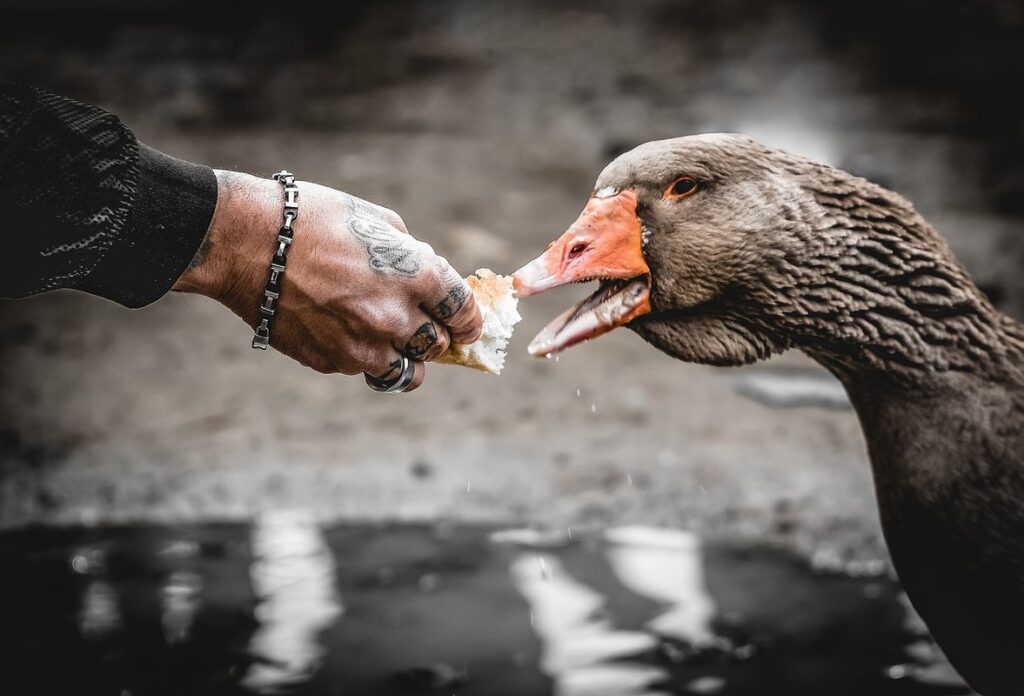
The Tradition of Feeding Bread to Ducks
Feeding bread to ducks has become a beloved tradition for many park-goers, but its impact on these birds is not as harmless as it seems. Let’s explore this quacky custom and uncover the truth behind it.
History and Cultural Significance
Feeding bread to ducks has become an integral part of many cultures around the world. This practice often starts with children being taken to parks and lakes by their parents, where they eagerly feed the ducks bread as a fun and interactive experience. As these young ones grow up, they in turn take their own children to these same spots, perpetuating the tradition.
In Japan, for instance, feeding bread to ducks is an age-old custom tied to the concept of “yutori” or leisure time spent outdoors with family and friends. Similarly, in Europe and North America, it’s common for people to visit parks during holidays like Easter and Thanksgiving, not just to enjoy nature but also to feed the local waterfowl.
This behavior has been passed down through generations, often influenced by cultural and social norms. However, as we delve into the potential harm caused by feeding bread to ducks in our main section, it’s essential to acknowledge how deeply ingrained this practice is in many societies, making it challenging to change people’s habits overnight.
Benefits for Humans
Feeding bread to ducks has been a popular pastime for humans for centuries. Many of us have fond memories of visiting parks and lakes with family and friends, scattering bread crumbs across the water’s surface, watching as the ducks swim up to feed. But what drives this behavior? On the surface, it seems simple: we enjoy feeding the ducks, and they seem to appreciate our offerings.
For many, the experience is a source of relaxation and enjoyment. Watching the ducks interact with each other and with their human benefactors can be calming and mesmerizing. It’s also an opportunity for social bonding – families often make it a point to visit parks with duck populations as part of their weekend routine. For some parents, feeding bread to ducks provides an educational experience for their children, teaching them about the importance of wildlife conservation and responsible petting zoo-style interactions.
However, while we derive pleasure from this activity, have you ever stopped to think about the impact it has on the ducks themselves?
The Impact on Duck Health
Feeding ducks bread might be a tempting treat, but it has serious consequences for their health. Let’s explore how this habit affects duck populations and individual birds’ well-being.
Nutritional Deficiencies
Feeding bread to ducks may seem harmless, but it can lead to nutritional deficiencies that have serious consequences for their health. Bread is lacking in essential nutrients, such as vitamins, minerals, and protein, which are vital for maintaining a duck’s overall well-being.
When ducks rely on bread as a primary food source, they often develop malnutrition due to the absence of these crucial nutrients. This can cause a range of problems, from weakness and lethargy to digestive issues and skin problems. In severe cases, malnutrition can lead to organ failure and even death.
Furthermore, a diet high in starch and low in fiber like bread can contribute to obesity in ducks. As they become overweight, their immune systems are compromised, making them more susceptible to diseases. This is particularly concerning during the breeding season when ducks require optimal health to raise their young successfully.
To avoid these issues, it’s recommended that you provide ducks with a balanced diet of nutrient-rich foods, such as leafy greens, fruits, and commercial duck feed.
Choking Hazards
Feeding ducks bread may seem like a harmless act of kindness, but it can pose serious risks to their health. One significant danger is choking hazards caused by large pieces of food getting stuck in their throats or digestive system. When ducks eat bread quickly and without chewing, they are at risk of inhaling large chunks that can lodge in their airways.
This can lead to asphyxiation, which is often fatal. Moreover, bread does not provide the necessary nutrients for duck survival, so it’s likely they’ll continue eating more and consume larger pieces, increasing the choking hazard. To put this into perspective, a single slice of bread is roughly the same size as a golf ball. Can you imagine something that small getting stuck in your own airway? It’s terrifying to think about.
To keep ducks safe, consider feeding them healthy treats like lettuce, kale, or berries instead. These options are easy to find and won’t harm their health.
The Environmental Consequences
Feeding ducks bread may seem harmless, but it can have a significant impact on their health and the environment. We’ll explore some of the key environmental consequences of this common practice.
Pollution and Waste
Feeding bread to ducks may seem harmless, but it contributes significantly to pollution and waste management issues. When you throw a loaf of bread into a pond, the uneaten portion sinks to the bottom, where it begins to rot. This process creates an ideal environment for bacteria to thrive, leading to excessive algae growth. As the algae decompose, they consume oxygen from the water, leaving plants and animals struggling to breathe.
The decaying bread also contaminates the water, making it toxic to both aquatic life and humans who come into contact with it. The pollutants released during decomposition can harm fish, amphibians, and other wildlife that inhabit the pond. In extreme cases, the buildup of pollutants can even cause waterborne illnesses in people who swim or drink from contaminated sources.
To minimize the harm caused by bread feeding, consider these simple alternatives: choose duck-friendly foods like leafy greens, fruits, and insects instead of bread; dispose of uneaten food properly; and report instances of excessive pollution to local authorities. By making these changes, we can enjoy watching ducks without compromising their health or the environment.
Overpopulation and Habituation
Feeding ducks bread regularly can have far-reaching consequences that go beyond their immediate health. One of the most significant effects is the impact on duck populations and their behavior. When humans consistently feed them at specific locations, such as parks or lakes, it can lead to overpopulation. This is because bread becomes a readily available food source, allowing ducks to thrive in areas where they might not normally be able to find sustenance.
As a result of this dependence, ducks begin to habituate to humans, losing their natural fear of them. While this may seem harmless at first, it can ultimately lead to aggressive behavior as ducks become bolder and more assertive in seeking food from humans. For instance, if you’re visiting a park where bread is commonly fed to ducks, you may notice that the birds will approach you aggressively, pecking at your shoes or hands in search of treats.
To avoid contributing to these problems, it’s essential to find alternative ways to interact with and support duck populations. This can include providing native plants or seeds for them to forage on, rather than relying solely on bread as a food source. By making conscious choices about how we engage with wildlife, we can help mitigate the negative consequences of overpopulation and habituation.
Alternatives to Feeding Bread
If you’re looking for ways to feed your feathered friends without harming them, there are plenty of delicious and healthy alternatives to traditional bread. Let’s explore some options that will keep ducks happy and thriving.
Healthy Food Options
When it comes to feeding ducks, bread may seem like an easy and convenient option, but as we’ve discussed earlier, it’s not a healthy choice for our feathered friends. Fortunately, there are plenty of nutritious alternatives that you can offer them instead. Leafy greens like kale, spinach, and collard greens are all great options. You can also try offering chopped carrots, sweet potatoes, or apples.
To introduce these new foods, start by mixing them with a small amount of their regular bread-based diet. This will help the ducks gradually get used to the new flavors and textures. As they become accustomed to the alternative foods, you can slowly phase out the bread altogether. Remember to chop the vegetables into bite-sized pieces to prevent choking hazards.
Some other tips to keep in mind: offer fruits and vegetables that are in season to ensure freshness and nutritional value. Avoid giving them citrus fruits or avocado pits, as these can be toxic to ducks. Also, make sure to store any leftover food in airtight containers to maintain its quality and safety for the next feeding session.
Creating Duck-Friendly Environments
Creating environments that promote duck well-being without relying on human-provided food is not only beneficial for their health but also helps to maintain a balanced ecosystem. One of the most crucial aspects of creating duck-friendly environments is providing access to clean water sources. Ducks need shallow water to bathe, preen, and drink, so installing a small pond or pool with fresh water can go a long way in making your garden duck-friendly.
In addition to water sources, it’s essential to provide shelter for ducks. Dense vegetation, such as tall grasses or reeds, can serve as natural shelters, protecting them from harsh weather conditions and predators. You can also consider installing duck houses or nesting boxes to give them a safe place to rest.
Creating natural habitats is another way to promote duck well-being without feeding them bread. Planting native aquatic plants, such as water lilies or cattails, not only provides food but also helps maintain water quality. By incorporating these elements into your garden design, you’ll be creating an environment that’s conducive to duck health and happiness, making it less tempting to feed them bread in the first place.
The Role of Regulators and Educators
Regulators and educators play a crucial role in spreading awareness about the negative effects of feeding bread to ducks, but what can they do to make a difference? Their involvement is vital to protecting these waterfowl.
Local Regulations
When feeding ducks bread in public areas, it’s essential to be aware of local regulations and laws that may impact this activity. Regulatory bodies like parks departments, wildlife agencies, and local governments have rules in place to protect both humans and animals from harm.
In many cities, feeding ducks bread is prohibited or heavily restricted due to concerns about water pollution, overpopulation, and disease transmission. For example, in some areas, it’s against the law to feed ducks within a certain distance of public waterways, while in others, specific types of food are allowed but not bread. It’s crucial to familiarize yourself with local regulations before visiting parks or lakes where duck-feeding is common.
Regulatory bodies often employ various strategies to educate the public about responsible behavior around wildlife. This may include signage, outreach programs, and partnerships with community organizations. As a visitor, you can play your part by reporting concerns or incidents to park rangers or local authorities.
Community Engagement and Education
Community engagement and education play a vital role in promoting duck welfare. Many organizations have launched initiatives to encourage sustainable practices when interacting with ducks. For instance, the Royal Society for the Protection of Birds (RSPB) has developed an “Eat the Bread, Not the Ducks” campaign, which highlights the risks associated with feeding bread to ducks.
This campaign has been successful in educating the public about the harm caused by feeding bread to ducks. According to a survey conducted by the RSPB, over 70% of respondents reported changing their behavior after learning about the impact of bread on duck health. Similarly, the National Trust has introduced “Duck-Free” zones in several parks and gardens, where visitors are encouraged to use alternative food sources for ducks.
To promote community engagement and education, you can start by:
* Using signs or posters to inform visitors about the risks associated with feeding bread to ducks
* Offering alternative food sources, such as duck-friendly pellets or fruits
* Collaborating with local schools and community groups to develop educational programs on duck welfare
By working together, we can create a culture of sustainability and promote responsible behavior around ducks.
Conclusion
Now that we’ve explored the effects of feeding ducks bread, let’s summarize what we’ve learned and take away some valuable insights for your next park visit.
Recap of Key Points
Feeding bread to ducks has far-reaching consequences that go beyond their immediate health. We’ve established that bread is not a nutritious food source for ducks and can lead to malnutrition, obesity, and related health issues. Additionally, the over-reliance on bread as a food source disrupts the natural feeding behavior of duck populations, making them dependent on human handouts rather than foraging for their natural diet.
Furthermore, our discussion highlighted the environmental concerns associated with feeding ducks bread. The buildup of bread in waterways contributes to the growth of algae, depletes oxygen levels, and harms aquatic life. We’ve also seen how excessive bread consumption can lead to a decline in duck populations as they become vulnerable to disease and parasites due to their weakened immune systems.
In conclusion, it’s essential to rethink our approach to feeding ducks bread. Instead, consider providing them with alternative food sources that are rich in nutrients and promote healthy behaviors. By doing so, we can ensure the well-being of these beautiful creatures while also preserving their natural habitats.
Call to Action
As you’ve learned throughout this article, feeding ducks bread can have unintended consequences for these beautiful creatures. It’s time to put what you’ve discovered into practice and make a positive impact on the lives of our feathered friends.
When interacting with ducks, it’s essential to adopt responsible behaviors that prioritize their well-being. Instead of relying on bread as a quick fix, consider offering them more nutritious alternatives like leafy greens, fruits, or even duck pellets specifically formulated for waterfowl. You can also create a duck-friendly environment by installing a pond or birdbath with shallow water and adding some plants that attract insects – a natural food source for ducks.
Take it a step further by spreading awareness about the dangers of bread to your friends and family. Together, we can make a difference in protecting these amazing creatures. For example, you could suggest visiting local parks or nature reserves that have designated duck-feeding areas with proper signage and guidelines. By taking small actions like these, you’ll not only be contributing to the well-being of ducks but also inspiring others to join the movement towards more responsible wildlife interactions.
Frequently Asked Questions
What can I do if I’m a local business owner concerned about the impact of bread-feeding on my town’s lake ecosystem?
If you’re a local business owner looking to promote sustainability and protect your community’s environment, consider partnering with local authorities or wildlife organizations to promote educational campaigns and events. You could also offer eco-friendly alternatives for visitors, such as birdseed or plants that support native species.
How can I ensure my children understand the harm caused by feeding bread to ducks, even if they’re attached to the tradition?
It’s essential to have an open conversation with your kids about why feeding bread is detrimental. Explain that it can lead to malnutrition and health problems for the ducks, as well as pollution and waste in their environment. You could also suggest alternative activities like bird-watching or simply observing these beautiful creatures from a distance.
What specific foods should I offer as alternatives to bread when interacting with ducks?
Ducks love a variety of foods, including fruits, vegetables, and grains. Some healthy options include cooked rice, oats, and vegetables like carrots or sweet potatoes. Avoid giving them raw onions, beans, or rhubarb, which can be toxic.
Can I still visit parks and lakes where bread-feeding is allowed without contributing to the problem?
While it’s great that you want to enjoy these areas responsibly, consider whether your presence might inadvertently encourage others to continue feeding bread. You could speak with park rangers or local authorities about potential solutions, like educational signage or alternative activities.
What are some signs of duck malnutrition I should be aware of when visiting parks and lakes?
Be on the lookout for ducks that appear lethargic, have dull feathers, or show signs of weight loss. They might also exhibit unusual behaviors like excessive swimming or standing in one place for extended periods. If you notice any of these symptoms, report them to local wildlife authorities or park rangers.