
As a duck owner, you want to ensure your feathered friends are happy and healthy. One of the most crucial aspects of their well-being is their diet. What do ducks eat, exactly? It’s not just about tossing in some leftover bread or veggies from your garden. A balanced diet for ducks requires careful consideration of what they can safely eat, what treats are okay to indulge them with, and which common mistakes you should avoid.
In this comprehensive guide, we’ll delve into the world of duck nutrition, covering everything from safe foods and treats to common pitfalls to steer clear of. Whether you’re a seasoned duck owner or just starting out, our goal is to provide you with a thorough understanding of how to feed your ducks for optimal health.
Understanding Duck Nutrition Basics
Let’s dive into the basics of what ducks need to thrive, including their essential nutrient requirements and how much food they should eat daily.
The Importance of a Balanced Diet
A well-balanced diet is crucial for ducks to maintain optimal health and prevent various health issues. A diet rich in essential nutrients, including protein, carbohydrates, fats, vitamins, and minerals, helps support their growth, energy production, and immune system function.
Ducks require a diverse range of food groups to meet their nutritional needs. These include:
• Grains such as oats, barley, and wheat
• Fruits like berries, apples, and melons
• Vegetables including leafy greens, broccoli, and carrots
• Protein sources like mealworms, crickets, and commercial duck pellets
Providing ducks with a varied diet helps prevent nutrient deficiencies. For instance, inadequate calcium intake can lead to weakened bones and eggshell issues in female ducks. Conversely, excessive consumption of high-protein foods may cause kidney damage.
To ensure your ducks receive a balanced diet:
• Offer fresh water at all times
• Rotate food sources regularly to prevent boredom and ensure variety
• Provide a mix of commercial pellets and supplemental foods to cater to their nutritional needs
Common Dietary Mistakes for Duck Owners
When it comes to feeding your feathered friends, there are several common dietary mistakes that duck owners often make. One of the most significant errors is overfeeding, which can lead to obesity and a range of health problems. Ducks have specific nutritional needs, and overfeeding can cause them to consume excessive calories, leading to weight gain and decreased mobility.
Underfeeding is also a common issue, particularly in young or growing ducks. This can result in stunted growth, weakened immune systems, and increased susceptibility to disease. To avoid these pitfalls, it’s essential to understand the dietary needs of your ducks based on their age, breed, and level of activity.
A good rule of thumb is to provide a balanced diet that includes a mix of grains, vegetables, fruits, and proteins. Avoid over-relying on treats or table scraps, as these can be high in calories and low in nutritional value. Instead, opt for nutrient-rich foods like leafy greens, root vegetables, and whole grains. By being mindful of your ducks’ dietary needs and avoiding common mistakes, you can help keep them healthy and happy.
Types of Food Ducks Eat
You’re probably wondering what types of food ducks crave, and we’ve got you covered. From aquatic plants to grains, let’s dive into the diverse range of foods that make up a duck’s diet.
Aquatic Plants and Algae
Ducks love splashing around in ponds and lakes, foraging for tasty aquatic plants and algae to munch on. As it turns out, some of these plants are super nutritious for ducks, while others can be downright toxic.
When it comes to beneficial aquatic plants, water lilies (Nymphaea spp.) and duckweed (Lemna minor) are great choices. Water lily pads provide a perfect spot for ducks to rest and feed on the leaves and flowers, which are rich in protein and fiber. Duckweed, on the other hand, is an excellent source of vitamins A and B, making it a nutrient-dense snack for our feathered friends.
However, there are some aquatic plants that are toxic to ducks. For instance, water hemlock (Cicuta maculata) and purple loosestrife (Lythrum salicaria) contain compounds that can be lethal if ingested. Be sure to remove any of these plants from the water if you’re providing a habitat for your ducks.
If you’re creating a duck-friendly pond or lake, consider introducing beneficial aquatic plants like cattails (Typha spp.) and coontail (Ceratophyllum demersum). These plants will not only provide food but also help maintain water quality. Remember to research the specific plant species suitable for your region and climate to ensure their safe consumption by your ducks.
Commercial Duck Pellets and Grains
Commercial duck pellets and grains are staple components of a duck’s diet. These pre-formulated foods provide a balanced mix of nutrients that ducks need to thrive. Commercial pellets typically contain a blend of protein sources such as soybean meal, wheat midds, and fat sources like corn oil or coconut oil. Grains like oats, barley, and milo are also often included.
While commercial duck pellets and grains offer convenience and ease of use, it’s essential to choose a high-quality product that meets your ducks’ nutritional needs. Look for products with clear labeling that specifies the percentage of crude protein, fat, and fiber content. A good quality pellet should contain around 16-20% protein, with a balance of other nutrients.
One potential drawback of relying solely on commercial pellets is the risk of over-reliance on fillers like wheat midds or barley. These ingredients can be difficult for ducks to digest, leading to issues like impaction and gout. To mitigate this risk, consider supplementing your ducks’ diet with fresh fruits and vegetables. This will not only add variety but also provide essential vitamins and minerals that may be lacking in commercial pellets.
Natural Foods for Ducks
When it comes to a well-balanced diet, ducks love munching on a variety of natural foods that are easily found in your backyard. From fruits and veggies to grains and seeds, we’ll explore some tasty options for your feathered friends.
Fruits and Vegetables
When it comes to incorporating fruits and vegetables into your duck’s diet, there are several options that are not only safe but also nutritious. Leafy greens like kale, spinach, and collard greens are excellent choices, providing essential vitamins and minerals. Carrots, sweet potatoes, and squash are also healthy additions, offering a boost of fiber, vitamins, and antioxidants.
However, it’s equally important to avoid certain fruits and vegetables that can be toxic to ducks. For example, onions, garlic, and chives belong to the Allium family, which contains compounds that can cause anemia in waterfowl. Citrus fruits like lemons and oranges are also best avoided, as they contain citric acid, which can irritate your duck’s digestive system.
When introducing new produce to your duck’s diet, be sure to do so gradually and in moderation. A general rule of thumb is to limit the amount of fresh vegetables to no more than 10% of their daily caloric intake. Additionally, wash all fruits and vegetables thoroughly before offering them to your ducks to prevent contamination.
Insects and Worms
Insects and worms are an essential part of a duck’s natural diet. These tiny creatures provide valuable protein, calcium, and other nutrients that promote healthy growth and development in ducks. Mealworms, in particular, are a favorite among duck enthusiasts due to their high nutritional value.
When feeding mealworms to your ducks, it’s best to offer them live or dried. Live mealworms can be a fun and engaging treat for your ducks, while dried mealworms are easier to store and transport. A good rule of thumb is to feed 1-2 tablespoons of mealworms per duck per day.
Snails are another excellent source of calcium and protein for your feathered friends. They can be found in gardens, parks, or even in the wild near your home. Simply collect snails gently, making sure not to harm them, and offer them to your ducks as a treat.
When introducing insects and worms into your duck’s diet, make sure to do it gradually to prevent digestive issues. Start by mixing a small amount of mealworms or snails with their regular feed and gradually increase the proportion over time.
Treats and Snacks for Ducks
When it comes to treats and snacks, ducks love a good variety, so we’ll delve into the tasty options you can give them as rewards or special indulgences.
Healthy Treat Options
When it comes to treating your feathered friends, it’s essential to choose options that are not only delicious but also nutritious. Healthy treats can be a wonderful way to add some excitement to their regular meals and even provide them with essential vitamins and minerals.
Fruits are an excellent choice for duck treats, and you can offer a variety of seasonal fruits such as berries, sliced apples, or grapes (cut in half to prevent choking). Leafy greens like kale, spinach, and collard greens are also great options, providing your ducks with a boost of iron and other vital nutrients. Other nutrient-rich options include carrots, sweet potatoes, and pumpkin.
When introducing new treats, be sure to do so gradually to avoid any digestive upset. A good rule of thumb is to offer no more than 10% of their daily diet in treats. For example, if your duck eats a cup of pellets per day, you can add about 1-2 tablespoons of fresh veggies or fruits to their meal as a treat. This will help maintain a balanced diet while still providing them with some excitement and variety.
Human Food and Its Risks
When it comes to feeding treats and snacks to ducks, many of us are tempted to offer them human food as a special indulgence. However, this can be detrimental to the health and well-being of both humans and animals.
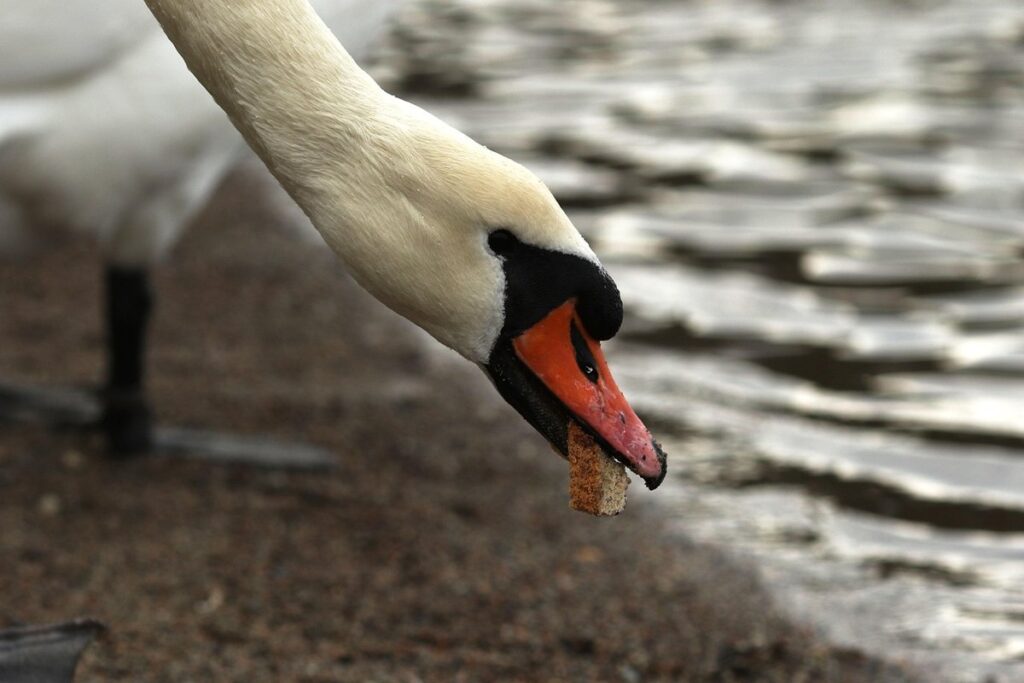
Feeding ducks human food can lead to a range of problems, from malnutrition and obesity to the spread of diseases like avian cholera and botulism. Human food lacks the nutrients that ducks need to stay healthy, and can even cause them to become dependent on us for sustenance rather than foraging for their natural diet.
Moreover, feeding ducks human food can also have unintended consequences for humans. For instance, if you’re feeding bread or other starchy foods to ducks in a park or pond, you may inadvertently attract rodents, rats, and other pests that can carry diseases. In some cases, the spread of disease from contaminated water or soil to humans has been reported.
Instead of human food, try offering your feathered friends nutritious treats like duck pellets, mealworms, or fresh fruits and vegetables specifically chosen for their nutritional value to ducks.
Feeding Ducks in Different Environments
When it comes to feeding ducks, their environment can play a significant role in determining what they’ll enjoy and thrive on. Let’s explore how different settings impact their diet.
Backyard Ponds and Lakes
Feeding ducks in a backyard pond or lake requires careful consideration of their diet and environment. When it comes to feeding these waterfowl, it’s essential to avoid overfeeding, which can lead to negative impacts on the ecosystem and the ducks themselves.
To ensure duck safety, feed them at least 12-18 inches away from the water’s edge, allowing them to swim freely while eating. Use a suitable food source, such as high-quality commercial duck pellets or grains, that meets their nutritional needs. Avoid feeding bread or other human foods, as they can cause digestive problems and lead to dependence on humans.
For backyard ponds and lakes, consider using a floating feeders or submerged feeders to minimize waste and prevent the ducks from getting too accustomed to humans. Also, ensure that the water’s pH levels are within a safe range for ducks (6.5-8.5) and maintain good water quality by regular cleaning and testing.
It’s also crucial to establish feeding times and stick to them, so the ducks learn to rely on a consistent food source rather than relying on humans for handouts. By adopting these practices, you can create a safe and healthy environment for your feathered friends while promoting their overall well-being.
Farms and Rural Settings
In larger farm settings, ducks require a balanced diet that meets their nutritional needs while also considering the logistics of commercial operations. A commercial duck farm may have thousands of birds to feed, making it essential to have a efficient and cost-effective feeding system.
To meet the dietary needs of ducks in these settings, farmers often use a combination of grains such as corn, wheat, and barley, which provide energy and fiber. Protein sources like soybean meal or fishmeal are also added to ensure that the ducks receive enough amino acids for growth and maintenance. Vitamins and minerals are typically supplemented through commercial feed mixtures.
A key consideration in farm settings is the need to minimize waste and optimize resource use. Farmers can achieve this by using automated feeding systems, which allow for precise control over feed delivery and reduce the likelihood of spoilage. Regular monitoring of feed intake and duck health also helps identify any nutritional deficiencies or issues that may arise.
Conclusion: Nourishing Your Ducks
Now that you’ve learned what ducks love to eat, it’s time to talk about how to make sure they stay happy and healthy with a balanced diet. We’ll wrap up our guide with some practical tips on nourishing your feathered friends.
Recap of Key Takeaways
To ensure you’re providing the best possible care for your feathered friends, let’s recap the essential points covered throughout this article on duck nutrition. By now, you should have a solid understanding of what do ducks eat and how to create a well-rounded diet for them.
First and foremost, ducks are omnivores, which means they require a balanced mix of protein-rich foods, fruits, vegetables, grains, and aquatic plants in their diet. A good starting point is to provide them with commercial duck pellets or game bird feed as the main staple, supplemented with fresh fruits and vegetables daily. Leafy greens like kale, spinach, and collard greens are excellent additions to your ducks’ meals.
In addition to these staples, you can also offer treats like mealworms, crickets, or even small amounts of meat (such as cooked chicken or turkey). However, be sure to introduce new foods gradually and in moderation to prevent digestive upset. For example, if you’re trying a new vegetable for the first time, start with a small amount (about 1-2 teaspoons per duck) and monitor their behavior and stool quality before increasing the quantity.
It’s also crucial to provide your ducks with access to clean water at all times and ensure they have adequate space to roam and exercise. This will not only keep them happy but also help maintain their physical health.
Lastly, remember that every duck is different, so it may take some trial and error to determine the best diet for your flock. Be patient, observe their preferences, and adjust their meals accordingly. With time and practice, you’ll develop a keen sense of what works best for your ducks, and they’ll thrive under your care.
Frequently Asked Questions
How often should I provide fresh water for my ducks?
Fresh water is essential for ducks, and they need access to it at all times. Ensure their water source is clean and changed regularly (about every 2-3 days) to prevent bacterial growth. You can also consider providing multiple water sources to minimize competition.
Can I use leftover food from my garden as a significant portion of my duck’s diet?
While some garden scraps are safe for ducks, relying on them exclusively can lead to nutrient deficiencies. Limit the amount of scraps and focus on incorporating a balanced mix of grains, fruits, vegetables, and insects in their diet.
How do I know if my duck is receiving enough protein in its diet?
A balanced diet should provide approximately 16-20% protein for ducks. Check your duck’s overall health by observing its energy levels, feather condition, and egg production (for laying hens). If you notice any declines or deficiencies, consult with a veterinarian to determine the best course of action.
What are some common signs of nutritional deficiencies in ducks?
Nutritional deficiencies can manifest in various ways, such as:
- Poor plumage quality
- Weight loss or gain
- Changes in egg production (for laying hens)
- Increased susceptibility to diseases
Monitor your duck’s overall health and behavior closely. If you suspect any issues, consult a veterinarian for guidance on addressing the problem.
Can I feed my ducks human food as an occasional treat?
While it may seem harmless, feeding your ducks human food regularly can lead to nutritional imbalances and health problems. Limit treats to 10% of their daily diet, choosing healthy options like fruits, vegetables, or insects instead of processed or high-sugar foods.