
Dogwood berries are one of nature’s hidden gems, packed with nutrients and bursting with flavor. These small, round fruits have been a part of traditional medicine for centuries, used to treat everything from fever to skin conditions. But that’s not all they’re good for – dogwood berries also make a delicious addition to your cooking and baking repertoire. From savory sauces to sweet pies, the possibilities are endless. In this article, we’ll take a closer look at the fascinating world of dogwood berries, exploring their nutritional value, historical uses in traditional medicine, and providing tips on how to identify, prepare, and use them in your kitchen. Whether you’re a seasoned gardener or a curious cook, get ready to discover the many benefits and uses of these versatile fruits.
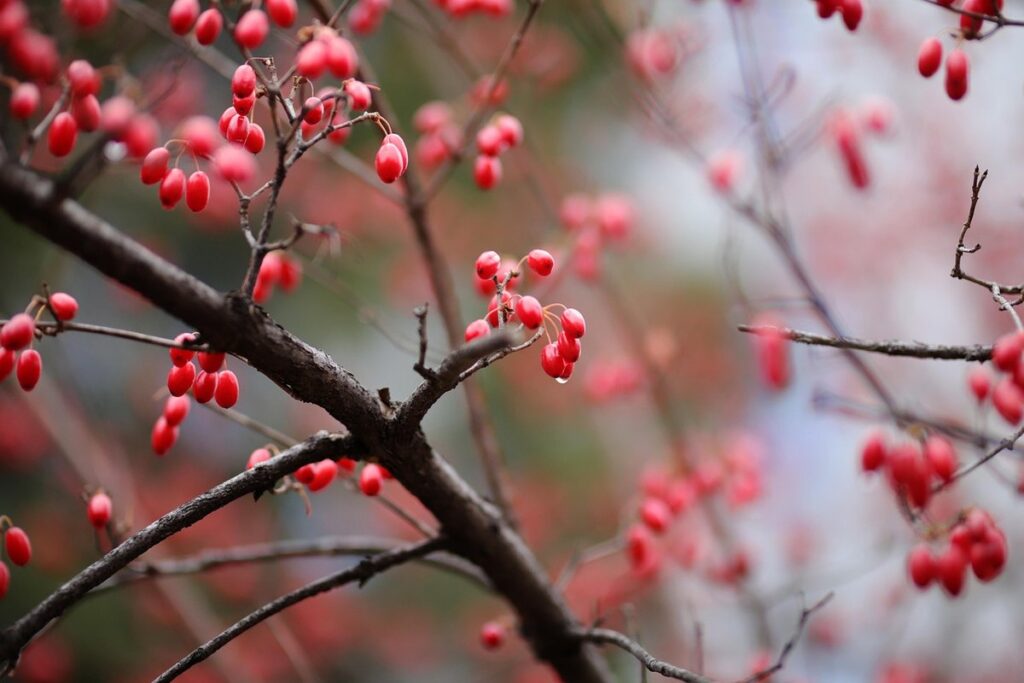
What are Dogwood Berries?
Dogwood berries may seem mysterious, but they’re actually a vital part of these beautiful trees’ reproduction process. Let’s dive into what makes them so special and how they grow.
Defining Dogwood Berries: A Botanical Perspective
Dogwood berries have been a topic of fascination for botanists and nature enthusiasts alike. From a botanical perspective, dogwood berries are the fruit of the Cornus genus, which comprises approximately 50 species of trees and shrubs native to Asia, Europe, and North America. These plants produce small, typically white or pink flowers that eventually give rise to berry-like fruits.
From a botanical standpoint, dogwood berries are classified as drupes, which consist of a fleshy exterior (pericarp) surrounding a hard stone (endocarp). The most notable species within the Cornus genus is Cornus sericea, also known as red-osier dogwood. This deciduous shrub produces bright red or yellow berries in late summer to early fall.
It’s worth noting that not all dogwood species produce edible berries. While some varieties are safe for consumption by humans and wildlife alike, others may be toxic due to their high content of saponins or other compounds. Therefore, proper identification of the plant is crucial before attempting to harvest its fruits. If you’re interested in trying dogwood berries, ensure that you have positively identified the species as edible.
Common Types of Dogwood Trees with Edible Berries
When it comes to dogwood trees with edible berries, there are several species that stand out for their unique features and growth habits. One of the most common is the Cornelian Cherry Dogwood (Cornus mas), a deciduous tree native to Europe and Asia. Its bright red berries are not only edible but also rich in vitamins A and C, making them a great addition to salads or preserves.
Another popular species is the Red Osier Dogwood (Cornus sericea), known for its vibrant red stems that add color to any landscape. This shrub-like tree produces white flowers in spring followed by blue-black berries in fall, which are not only edible but also attract birds and other wildlife. The American Dogwood (Cornus florida) is another notable species, producing showy white or pink flowers in spring and bright red berries in summer.
When foraging for dogwood berries, it’s essential to identify the right tree correctly and avoid mistaking them for poisonous lookalikes. Research the specific growth habits and berry color of each species to ensure you’re picking from a safe and edible source.
Benefits of Eating Dogwood Berries
Dogwood berries offer a plethora of benefits when consumed, from boosting your immune system to providing essential vitamins and minerals. Let’s dive into what makes them so nutritious.
Nutritional Value of Dogwood Berries
Dogwood berries are a nutrient-rich superfood that offers a wide range of health benefits when consumed. One of the most significant advantages of eating dogwood berries is their high content of vitamins and minerals. These tiny fruits are packed with vitamin C, which plays a crucial role in boosting the immune system, fighting off infections, and promoting healthy skin.
In addition to vitamin C, dogwood berries are also rich in other essential nutrients like potassium, magnesium, and iron. Potassium helps regulate blood pressure, while magnesium supports bone health and muscle function. Iron, on the other hand, is vital for maintaining healthy red blood cells.
The antioxidant properties of dogwood berries are another significant aspect to consider. Antioxidants help protect the body from free radicals that can cause oxidative stress and lead to chronic diseases like cancer and heart disease. Eating dogwood berries regularly can provide a natural shield against these harmful effects, promoting overall well-being and longevity. When choosing dogwood berries, look for fresh, organic options and consume them in moderation as part of a balanced diet.
Potential Health Benefits of Consuming Dogwood Berries
Dogwood berries have been found to possess potential health benefits that can positively impact our well-being. Research suggests that these berries are rich in antioxidants and polyphenols, which can help reduce inflammation in the body. Inflammation is a major contributor to various chronic diseases such as arthritis, diabetes, and cardiovascular disease. By consuming dogwood berries, you may be able to mitigate some of this inflammation, leading to improved overall health.
The high levels of anthocyanins present in dogwood berries have also been shown to improve cardiovascular health by reducing blood pressure and preventing the formation of blood clots. This is because these powerful antioxidants help protect the heart by scavenging free radicals that can damage blood vessels and lead to atherosclerosis. To incorporate dogwood berries into your diet, consider adding them to salads, smoothies, or baked goods for a nutritional boost.
Incorporating dogwood berries into your diet may also have additional benefits such as improving cognitive function and boosting the immune system. However, more research is needed to fully understand the potential health benefits of these berries. As with any new food introduction, be sure to consult with a healthcare professional before making dogwood berries a regular part of your diet.
Preparing and Cooking with Dogwood Berries
Before you start cooking, it’s essential to properly prepare dogwood berries for consumption, which involves a few key steps to ensure their safety and flavor. We’ll walk you through this process next.
Traditional Recipes Featuring Dogwood Berries
When it comes to traditional recipes featuring dogwood berries, there’s no shortage of delicious and creative options. One classic favorite is dogwood berry jam, which can be made by combining the juicy berries with sugar, lemon juice, and pectin. This sweet spread is perfect for topping toast, biscuits, or even using as a filling in cakes.
For those who prefer a slightly tart flavor, dogwood berry jelly is another popular choice. Simply puree the berries with some water and mix with sugar, then boil until set. This jelly makes an excellent accompaniment to meats like ham or roasted poultry.
In the realm of pies, dogwood berry pie is a staple in many Southern households. To make one, simply combine fresh berries with sugar, flour, and spices, then fill a pre-baked crust with the mixture and top with another pie crust. Bake until golden brown for a warm, comforting dessert that’s sure to impress.
Preserves are another great way to enjoy dogwood berries throughout the year. By layering sliced berries with sugar in a jar, you can create a delicious, shelf-stable spread that’s perfect for toast, yogurt, or even using as a topping for ice cream.
Modern Twists on Using Dogwood Berries in Baking and Cooking
Dogwood berries are a treasure trove for creative cooks and bakers. While they’re traditionally used to make jams and preserves, modern recipes take them to new heights of flavor and innovation. Imagine sipping on a refreshing dogwood berry sorbet or drizzling a tangy sauce over your favorite grilled meats.
For the adventurous cook, try incorporating dogwood berries into savory dishes like stews and braises. Their slightly sweet and tart flavor pairs perfectly with rich game meats like venison or wild boar. To make a dogwood berry reduction sauce, simply combine 1 cup of fresh or frozen dogwood berries with 2 tablespoons of honey and 2 tablespoons of vinegar in a saucepan. Bring to a boil, then reduce heat and simmer until thickened.
Don’t be afraid to experiment and come up with your own unique recipes. Some ideas include adding dogwood berry puree to BBQ sauces or using them as a topping for yogurt or oatmeal. With their versatility and intense flavor, the possibilities are endless. So why not give modern twists on traditional recipes a try? Your taste buds will thank you!
Identification and Foraging of Wild Dogwood Berries
When foraging for wild dogwood berries, it’s essential to be able to identify them safely, which is where a bit of knowledge comes in handy. Let’s explore how to spot and pick these delicious treats.
Key Characteristics for Identifying Wild Dogwood Berries
When it comes to identifying wild dogwood berries, there are several key characteristics that will help you distinguish them from other similar-looking fruits. One of the most distinctive features is their shape and size. Wild dogwood berries are typically small, ranging from 1/4 to 1 inch in diameter, and have a unique, rounded or egg-shaped appearance.
Their color can also be a good indicator of what they are. Wild dogwood berries tend to be red, purple, or yellow when ripe, although some varieties may turn blue or black with age. Look for a smooth, glossy texture on the surface of the berry, and note that they often grow in clusters or panicles.
When examining the stem, you’ll notice that it’s usually slender and twigs are typically gray or brown in color. Keep in mind that wild dogwood berries can be mistaken for other types of fruits, so it’s essential to carefully inspect their size, shape, color, texture, and growth patterns before consumption.
Safety Precautions When Foraging for Wild Dogwood Berries
When foraging for wild dogwood berries, it’s essential to exercise extreme caution and adhere to proper safety precautions. The beauty of nature can quickly turn into danger if you’re not aware of the potential risks involved. One crucial aspect is accurate identification – misidentifying a berry can be fatal.
Before heading out to forage, research the specific characteristics of dogwood berries, including their shape, color, and any distinguishing features. Consult with an expert or join a guided foraging group to gain hands-on experience. Be aware that other plants may resemble dogwood berries, making it easy to mistake them.
When handling wild berries, be mindful of potential allergens and irritants. Wash your hands thoroughly before eating, and avoid ingesting any part of the plant that’s not absolutely certain to be edible. In areas with heavy pesticide or herbicide use, exercise extra caution – even small amounts can cause harm.
Remember, foraging is a privilege, not a right. By prioritizing safety and respecting nature, you’ll ensure an enjoyable experience and a healthy harvest.
Cultural Significance of Dogwood Berries in History
Dogwood berries have been a revered ingredient and symbol throughout history, appearing in traditional medicine, art, and even spiritual practices across various cultures worldwide. Let’s explore their fascinating role in shaping cultural heritage.
Historical Uses of Dogwood Berries in Traditional Medicine
Dogwood berries have been utilized for centuries in traditional medicine, reflecting their cultural significance and versatility. In many ancient cultures, these berries were considered a valuable resource for treating various ailments. The Haudenosaunee people of North America used dogwood berries to create a medicinal tea that helped alleviate coughs and colds. Similarly, European folk remedies employed dogwood berries in the treatment of sore throats and fever reduction.
In homeopathic medicine, dogwood berries have been used as an ingredient in various formulations aimed at supporting immune function and combating infections. The berries are also believed to possess anti-inflammatory properties, making them a useful remedy for treating skin conditions such as eczema and acne. The practice of using dogwood berries in traditional medicine highlights their adaptability and demonstrates the resourcefulness of ancient cultures in utilizing natural resources for medicinal purposes.
One example of the practical application of these berries is found in the development of an herbal tea blend that combines dogwood berries with other medicinal plants to create a soothing, immune-boosting remedy. This blend can be made at home using dried dogwood berries and other herbs like echinacea and ginger, providing a natural alternative for maintaining overall health and well-being.
Symbolism and Meaning Associated with Dogwood Berries in Different Cultures
Dogwood berries have been imbued with rich symbolism and meaning across various cultures. In Japanese culture, for instance, dogwood is considered a symbol of good luck and prosperity, particularly when it comes to marriage and fertility. The fruit’s red color is believed to ward off evil spirits and attract positive energies.
In many European folklores, the dogwood berry is associated with protection and strength. According to Germanic mythology, the tree was said to have been used by Thor, the god of thunder, to create his mighty hammer Mjolnir. This mythological connection has led to the widespread use of dogwood in traditional crafts and decorative arts.
In Celtic cultures, the berry’s white bloom is a symbol of purity and innocence. It’s often featured in wedding ceremonies as a symbol of new beginnings and eternal love. The delicate patterns found on some species of dogwood berries have even inspired intricate embroidery and textile designs.
As we explore the fascinating world of dogwood berries, it’s essential to appreciate their unique symbolism across cultures. By understanding these meanings, you can harness the power of this enigmatic fruit in your art, literature, or personal life.
Environmental Impact of Dogwood Trees and Their Berries
Dogwood trees have a significant impact on their ecosystems, from supporting local wildlife to influencing soil quality and water cycles. Let’s explore some surprising ways they make their mark.
Ecological Importance of Dogwood Trees in Ecosystems
Dogwood trees play a crucial role in supporting wildlife habitats and providing essential ecosystem services. As one of the most widespread tree species in North America, dogwoods offer a range of benefits that contribute to the health and resilience of local ecosystems.
One key way dogwoods support wildlife is by providing food and shelter for numerous bird and insect species. The berries produced by dogwood trees are a vital source of nutrition during the winter months when other food sources may be scarce. For example, the American robin relies heavily on dogwood berries as a primary food source during its migration through North America.
In addition to supporting wildlife, dogwoods also provide crucial shade and habitat structure within ecosystems. Their dense canopies create microclimates that regulate temperature and moisture levels, making them ideal habitats for a variety of plants and animals. As a result, dogwoods often form the foundation of diverse forest ecosystems, supporting an array of plant and animal species.
To incorporate dogwood trees into your own ecosystem, consider planting native varieties in areas with suitable climate conditions. This will not only support local wildlife but also help maintain biodiversity within your community.
Challenges Facing Dogwood Tree Populations and How to Contribute
Dogwood tree populations are facing several challenges that threaten their survival. One of the primary concerns is disease, such as dogwood anthracnose and powdery mildew, which can cause significant damage to leaves and flowers. Pests like deer, rabbits, and insects also pose a threat by consuming the trees’ bark and foliage.
Climate change is another major issue affecting dogwood tree populations. Warmer temperatures and changing precipitation patterns alter the trees’ ability to adapt, making them more susceptible to disease and pests. Additionally, human activities such as urban development, agriculture, and logging contribute to habitat loss and fragmentation.
You can contribute to the conservation of dogwood trees by planting disease-resistant species in your garden or community. This will help maintain genetic diversity and create a stable population. You can also support local nurseries that specialize in native plant species and participate in tree-planting events. By taking these steps, you’ll be helping to ensure the long-term survival of these fascinating trees and their remarkable berries.
Frequently Asked Questions
Can I use dogwood berries fresh, or do they need to be cooked?
You can definitely use dogwood berries fresh, but cooking them can bring out their natural sweetness and enhance their flavor. Cooking also helps break down some of the cell walls, making the nutrients more accessible to your body. Try adding them to soups, stews, or even salads for a burst of flavor.
How do I store dogwood berries to keep them fresh for longer?
To preserve the freshness and nutritional value of dogwood berries, store them in an airtight container in the refrigerator. You can also dry them to make tea or powder that can be stored for later use. If you plan to forage regularly, consider freezing them to maintain their quality.
Are there any specific safety precautions I should take when foraging for wild dogwood berries?
Yes. When foraging for wild dogwood berries, make sure to positively identify the plant and avoid areas that may have been sprayed with pesticides or herbicides. Also, be aware of any lookalike plants that could cause confusion.
Can dogwood berries be used in baked goods, such as pies and cakes?
Absolutely! Dogwood berries are a great addition to baked goods due to their natural sweetness and flavor. They pair well with traditional spices like cinnamon and nutmeg, making them a perfect fit for seasonal treats. Experiment with different recipes to find your favorite combinations.
How do I know if the dogwood berries I’ve picked are ripe and ready to eat?
Ripe dogwood berries will be slightly soft to the touch but still firm enough to hold their shape. Check for any signs of mold or spoilage, and avoid berries that are too green or unripe. A good rule of thumb is to taste a small batch first to ensure they’re sweet and tender.