
Have you ever wondered if ducks really do have teeth? It’s a question that might seem simple, but it’s actually rooted in some fascinating anatomy. Many people assume that because ducks don’t chew their food like humans do, they must have a set of teeth to help them tear and grind their meals. However, the truth is far more interesting – and completely debunking this common myth. In this article, we’re going to dive into the unique beak structure of ducks and explore how it functions as a specialized tool for eating and survival. By the end of this read, you’ll have a clear understanding of what’s really happening inside that duck’s mouth, and why their beaks are so perfectly suited to their aquatic lifestyle.
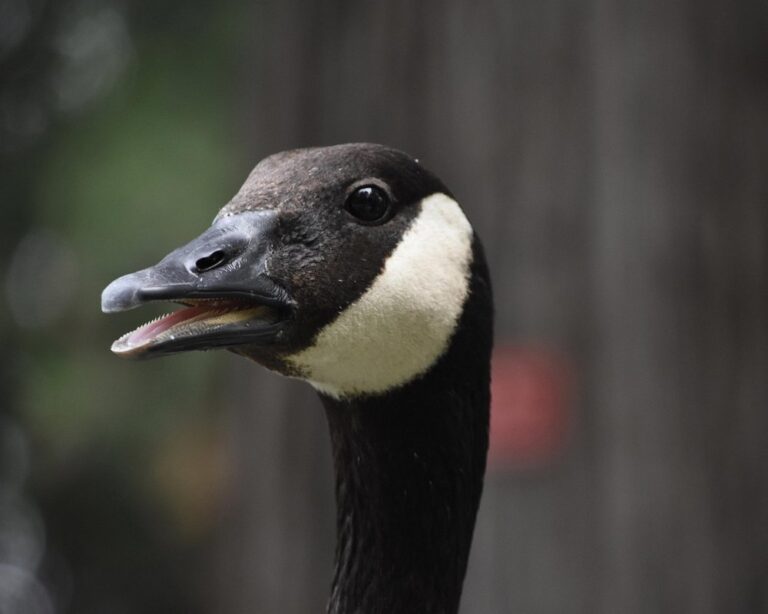
The Anatomy of a Duck’s Beak and Mouth
Let’s take a closer look at the unique shape and structure of a duck’s beak, which plays a crucial role in their diet. The beak is made up of keratin, a tough protein that hardens over time to form a durable outer layer.
The Structure of a Duck’s Beak
A duck’s beak is a remarkable adaptation that plays a crucial role in its survival. The structure of a duck’s beak is designed to withstand the rigors of aquatic life, and it’s made up of a hard, keratin-based material. This keratin composition is similar to human hair and nails, making it durable and resistant to wear and tear.
The unique shape of a duck’s beak varies depending on its diet and habitat. For example, dabbling ducks have broad, flat beaks that are perfect for filtering small plants and insects from the water. On the other hand, diving ducks have more pointed beaks that allow them to probe into underwater crevices in search of food.
The adaptations in a duck’s beak make it ideal for aquatic life. The hard keratin material protects the sensitive tissues inside the beak, while the unique shape and size enable ducks to gather and manipulate food with ease.
Exploring the Oral Cavity
When you take a closer look at a duck’s oral cavity, you’ll notice that it’s quite different from what we’re used to seeing in humans. Instead of teeth, ducks have a unique arrangement of structures that help them eat and manipulate food.
The “beak” is the most visible part of a duck’s mouth, but it’s not actually a tooth at all. It’s made up of keratin, the same protein that makes up human hair and nails. The beak is hard and rigid, allowing ducks to use it for grasping and tearing at food.
Inside the beak, you’ll find two rows of tiny, interlocking plates called “lamellae”. These are often referred to as a duck’s “teeth”, but they’re actually more like tiny fingers that help the duck pick up small pieces of food. The lamellae are covered in tiny ridges and grooves that allow them to grip onto food particles.
When eating, ducks use their beak and lamellae to tear at plant material or catch fish in the water. They can even use their tongues to manipulate food and help guide it into their mouth. It’s a highly effective system that allows ducks to eat a wide variety of foods with ease.
What Are Considered “Teeth” in Ducks?
When we ask if a duck has teeth, it’s essential to clarify what exactly is being referred to. Let’s explore what’s considered a “tooth” in ducks and how they adapt without them.
The Confusion Surrounding Duck “Teeth”
When you think of ducks, you might imagine them having teeth like other animals. However, this misconception is quite common and stems from various factors. Language plays a significant role in perpetuating the myth that ducks have teeth. Words like “beak” are often used interchangeably with “teeth,” leading to confusion. Cultural influences also contribute to this misunderstanding. Some people’s childhood experiences or cultural backgrounds might lead them to associate beaks with teeth.
Additionally, scientific miscommunication can further confuse matters. Inaccurate representations of duck anatomy in media or educational materials can solidify the notion that ducks have teeth. For instance, some illustrations or diagrams may depict a row of teeth along the edges of a duck’s mouth. However, these visuals are often based on misconceptions and outdated information.
If you’re unsure whether a duck has “teeth,” consult reputable sources for accurate descriptions of their anatomy. A closer examination will reveal that ducks have hard, keratin-based structures along the edges of their beaks but no teeth in the traditional sense.
Defining “Dentition” in Birds
When we talk about ducks and teeth, it’s essential to understand what exactly we mean by “dentition.” In ornithology, dentition refers to the arrangement of a bird’s beak and mouth structure. This term encompasses not just the physical shape and size of a bird’s bill but also how it functions in terms of eating, grasping, and manipulating food.
Birds, including ducks, have evolved unique beak structures that serve as their primary “teeth.” These beaks come in various shapes and sizes, adapted to suit different diets and lifestyles. For example, sharp, pointed beaks are common among carnivorous birds like falcons and hawks, which use them to tear flesh and rip apart prey.
In ducks, however, the beak is broad and flat, perfect for filtering small plants, seeds, and insects from the water. Some bird species even have specialized beaks that allow them to eat specific types of food – such as the parrot’s strong, curved beak designed for cracking open nuts and seeds.
The Functionality of a Duck’s Beak as a Tool
A duck’s beak is often mistakenly considered its teeth, but it actually serves as a highly specialized tool for eating and preening, playing a crucial role in the bird’s daily life. Let’s take a closer look at how this remarkable appendage functions.
Manipulating Food with the Beak
A duck’s beak is an incredibly versatile tool that allows them to manipulate their food with ease. When it comes to feeding time, ducks use their beaks to grasp and tear at various textures, from soft aquatic plants to tough seeds and grains. This is made possible by the beak’s unique shape and structure, which provides excellent leverage for tearing and ripping.
But the duck’s beak isn’t just limited to grasping and tearing – it can also be used to cut and crush food items with ease. For example, when eating corn or sunflower seeds, a duck will use its sharp upper mandible to cut into the hard outer shell, while the lower mandible helps to crush the seed within. This process is made possible by the beak’s powerful muscles, which allow it to exert significant force.
By using their beaks in this way, ducks are able to access a wide range of food sources that might otherwise be out of reach for them. Whether they’re swimming through shallow water or pecking at the ground, a duck’s beak is an essential tool that plays a vital role in its daily life.
The Role of the Tongue and Lips
When it comes to eating and processing food, a duck’s beak is not alone in its duties. The tongue and lips of a duck also play crucial roles in this process. As we’ve discussed earlier, ducks don’t have teeth, so they rely on their beaks and other mouth parts to break down their food.
The tongue of a duck is long and thin, perfect for prodding and manipulating food inside the beak. It’s covered in tiny papillae, small bumps that help to scrape against the hard outer shell of seeds, nuts, and grains, allowing the duck to crack them open easily. The lips of a duck are also essential, as they work in conjunction with the tongue to keep the food contained within the mouth while it’s being processed.
In fact, studies have shown that ducks use their tongues to push food against the upper beak, which acts like a crushing surface to break down tough plant material. This unique combination of beak, tongue, and lips allows ducks to efficiently gather and consume a wide variety of foods, from aquatic plants to insects and seeds. By understanding how these different parts work together, we can gain a deeper appreciation for the remarkable adaptability of a duck’s beak as a tool.
Comparing Duck “Teeth” to Those of Other Animals
Let’s take a closer look at how the unique beak-like structure of a duck compares to other birds and even some mammals, like rodents. You might be surprised by the similarities!
Mammalian Dentition as a Reference Point
When we think about teeth, mammals like humans and dogs often come to mind. Their dentition is easily visible in their mouths, with a clear set of incisors, canines, and molars. But how does this compare to the beak and “teeth” of a duck? Let’s take a closer look at the dentition of mammals as a reference point.
One key difference between mammalian and avian dentition is that ducks don’t have teeth in the classical sense. Their beaks are made up of keratin, the same protein found in human hair and nails. This makes them incredibly durable and resistant to wear, but also means they can’t gnash or chew like mammals do.
In contrast to a duck’s fixed beak, mammalian dentition is highly adaptable. Humans have two sets of teeth: deciduous (baby) teeth that fall out as we grow up, and permanent teeth that last a lifetime. This flexibility allows us to eat a wide variety of foods, from crunchy fruits and vegetables to tough meats.
This comparison highlights the unique characteristics of duck “teeth” and underscores why they shouldn’t be called teeth at all.
Beak Development and Evolution in Birds
Birds and their fascinating beaks are a perfect example of evolutionary adaptations. The unique beak shapes and sizes we see today are a far cry from those of their dinosaur ancestors. In fact, the first birds to evolve around 150 million years ago were characterized by short, broad beaks that resembled those of modern-day lizards.
As time went on and birds continued to diversify, their beaks began to change in response to their environment and diet. Some species developed strong, hooked beaks for breaking through seed shells or cracking open nuts, while others grew slender, pointed beaks ideal for catching fish or insects. This variety of beak shapes and sizes is a testament to the incredible adaptability of birds.
So how do we explain this transformation from short, broad beaks to the diverse range of beaks seen in modern birds? The answer lies in millions of years of evolution, where natural selection favored individuals with beak traits best suited for their specific ecological niches. By understanding how beak development and evolution have shaped the unique characteristics of different bird species, we can gain a deeper appreciation for the incredible diversity of life on our planet.
Myths and Misconceptions About Duck “Teeth”
Let’s clear up some common misconceptions about duck “teeth”. Many people assume ducks have teeth, but what exactly do they have instead?
Separating Fact from Fiction
One of the most common misconceptions about duck “teeth” is that they are sharp and pointed. This claim often leads people to believe that ducks can bite with ease, similar to other carnivorous animals. However, the reality is quite different. Duck beaks, which some people refer to as teeth, are actually soft and flexible.
In fact, a duck’s beak is made of keratin, the same protein that makes up human hair and nails. This unique composition allows for easy wear and tear, making it essential for ducks to constantly grow new beaks. The shape and size of a duck’s beak can vary depending on its diet and environment, but sharpness is not a characteristic associated with these structures.
For those who are concerned about being bitten by a duck, rest assured that this is extremely rare. Ducks primarily use their beaks for eating, preening, and communicating. If you do encounter a duck and feel threatened, calmly leave the area or slowly back away. In most cases, a duck will not attack unless it feels cornered or provoked.
The Importance of Clear Communication in Science
Effective communication is crucial in science, and nowhere is this more evident than when discussing duck anatomy. A common misconception about ducks is that they have teeth, which can lead to misunderstandings about their feeding habits and digestive systems.
In reality, ducks do not possess teeth like humans or other mammals. Instead, they have a beak, which is a hard, keratin-based structure used for grasping, tearing, and manipulating food. This unique adaptation allows them to efficiently forage for aquatic plants, insects, and small invertebrates in their natural habitats.
Clear communication about duck anatomy helps scientists, educators, and the general public understand these remarkable birds’ biology. When discussing ducks with others, it’s essential to emphasize that they don’t have teeth, but rather a specialized beak. This distinction is crucial for accurate representation of duck biology and can prevent perpetuation of myths or misconceptions.
When teaching about ducks in a classroom setting, make sure to use accurate illustrations and diagrams that depict their beaks clearly. By promoting precise language and visual aids, we can ensure that students develop a comprehensive understanding of duck anatomy.
Conclusion: Understanding the Unique Beak Anatomy of Ducks
As we wrap up our exploration into a duck’s mouth, let’s take a closer look at how their unique beak anatomy plays a crucial role in eating and digestion.
Recap of Key Points
As we conclude our exploration of whether a duck has teeth, let’s revisit the key takeaways from this article. A duck’s beak is a unique and vital part of its anatomy, playing a crucial role in foraging and eating. The upper mandible is actually made up of a keratinized rhamphotheca, which gives it its rigid structure. Additionally, ducks have a highly specialized beak that can move independently from the rest of their mouth, allowing them to filter small plants and animals from water.
We also discussed how birds, including ducks, do not possess dentition in the classical sense. Instead, their beaks serve as a modification of the upper jawbone, providing a hard, keratinized covering for eating and grasping food. This definition is essential in distinguishing between bird beaks and mammalian teeth. One common myth we debunked was that ducks have “teeth” or can chew food like mammals do. In reality, their beak shape and structure allow them to tear and filter food rather than chew it.
In practical terms, understanding the anatomy of a duck’s beak is essential for caring for these birds in captivity. When feeding your pet duck, consider offering a variety of foods that take advantage of its unique eating abilities, such as duck pellets or leafy greens.
Implications for Future Research and Education
The study of duck beak anatomy has far-reaching implications for future research and education. By better understanding the unique characteristics of a duck’s beak, scientists can continue to explore new avenues for studying bird anatomy. For instance, researchers may investigate how the beak’s structure affects a duck’s ability to eat different types of food or how it impacts their overall health.
In terms of education, this knowledge can inform biology and zoology curricula at various levels. Educators can use this information to design engaging lessons that teach students about the intricacies of bird anatomy. For example, by using beak anatomy as a case study, students can learn about the adaptations that have developed in different species to suit their environments.
This research also highlights the importance of interdisciplinary approaches to studying animal biology. By integrating insights from fields like biomechanics and materials science, scientists can gain a deeper understanding of how duck beaks function and evolve over time. As we continue to explore the wonders of bird anatomy, it is essential that educators emphasize the value of interdisciplinary learning.
Frequently Asked Questions
Can ducks eat different types of food with their beaks?
Yes, ducks are capable of eating various types of food, including aquatic plants, grains, and insects, all using their specialized beak structure. The shape and size of a duck’s beak determine what types of food it can efficiently consume.
How does the anatomy of a duck’s beak relate to its diet?
The unique beak anatomy of ducks allows them to forage for specific types of food in their aquatic environment. For example, dabbling ducks use their broad beaks to filter small plants and animals from the water, while diving ducks have more pointed beaks suited for catching fish.
What adaptations allow a duck’s beak to withstand wear and tear?
The keratin composition of a duck’s beak makes it durable and resistant to wear. Over time, as new layers form on top of existing ones, the beak hardens and becomes even more robust, allowing ducks to maintain their feeding efficiency.
Can ducks with damaged or broken beaks still eat effectively?
No, ducks rely heavily on their beaks for eating, so damage or breakage can significantly impact their ability to feed. However, some duck species have been observed using makeshift tools to compensate for missing or damaged beak structures.
Are there any similarities between a duck’s “beak” and human teeth in terms of functionality?
While both serve as food manipulation tools, the primary function of a duck’s beak is to tear and grind food, rather than cutting it like human teeth.