
Have you ever stopped to think about the social lives of ducks? It turns out that these feathered friends are often found in large groups, known as herds. In fact, some species of ducks are so fond of company that they’ve been known to form flocks of hundreds or even thousands. But did you know that living in a duck herd has its advantages for both the birds themselves and the environment? For one thing, being part of a larger group can help protect individual ducks from predators and harsh weather conditions. It’s also fascinating to learn about the challenges these herds face and the conservation efforts underway to preserve them. In this article, we’ll dive into the world of duck herds and explore what makes these communities so unique and important.
What are Duck Herds?
Let’s dive into what duck herds actually are, and how they differ from a loose group of ducks waddling around together. We’ll explore their unique social dynamics.
Defining a Duck Herd
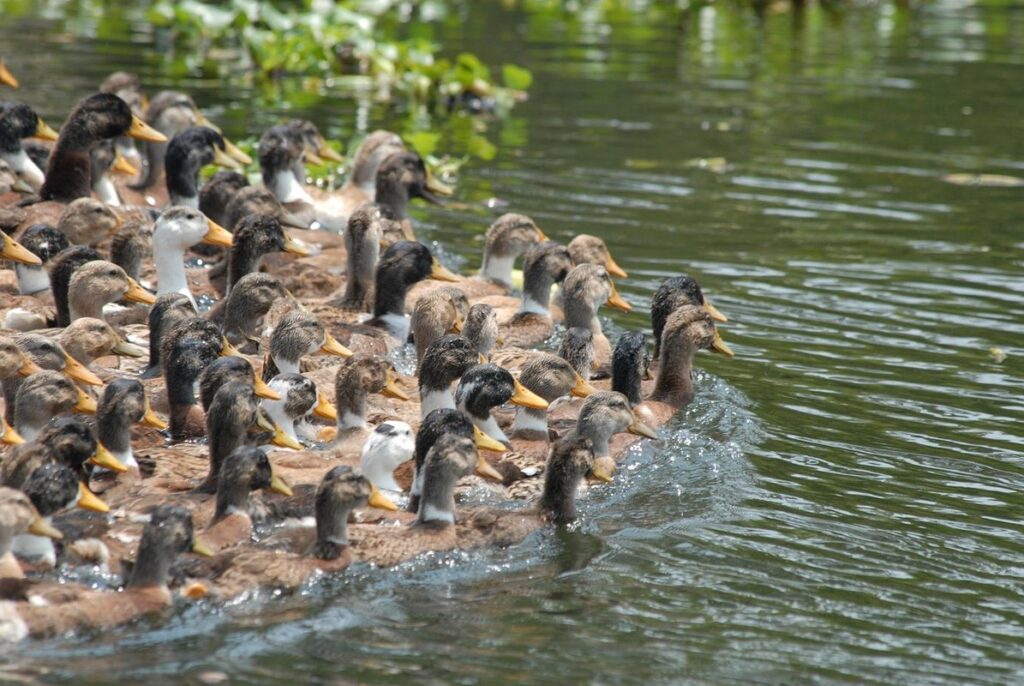
So, you’re curious about what makes up a duck herd? A duck herd is essentially a social group of ducks that live and forage together. The number of ducks in a herd can vary greatly, but it’s typically between 10 to 50 birds. Yes, you read that right – 50 ducks! While some herds may be much smaller or larger, this range is generally considered typical.
What distinguishes a duck herd from other groups of ducks is their social structure and behavior. In a healthy herd, ducks will work together to find food, protect their young, and communicate with each other through vocalizations and body language. They’ll also establish a pecking order, which determines who gets to eat first or has priority access to the best nesting sites.
To recognize a duck herd, look for groups of ducks that seem to be moving together, communicating with each other, and working as a team to achieve their goals. You might see them waddling along in a line, quacking loudly, or even taking turns to keep watch while others forage nearby. With a little patience and observation, you’ll be able to spot these fascinating social creatures in the wild.
Types of Duck Herds
Ducks can be found in various types of herds, depending on their natural habitats and human interactions. In the wild, ducks often form large flocks that migrate together to find food and suitable breeding grounds. These flocks can range from a few dozen to thousands of individuals, led by experienced birds that guide them through challenging environments.
On the other hand, duck farms and private properties house smaller herds that are carefully managed for their meat, eggs, or feathers. Some farmers specialize in raising specific breeds like Muscovy ducks or Khaki Campbells, which thrive in particular climates and diets. These herds are typically kept in enclosures with adequate space to roam, exercise, and socialize.
It’s worth noting that backyard duck keepers can also form their own small-scale herds by introducing multiple birds of the same breed to a single enclosure. With proper care and planning, these tiny flocks can become a delightful addition to any garden or farm, providing entertainment and educational opportunities for families and enthusiasts alike.
Benefits of Keeping Ducks Together
Keeping a group of ducks together has numerous advantages, including reduced stress and increased social interaction among your feathered friends. By understanding these benefits, you can create a harmonious and thriving duck community.
Social Benefits for Ducks
When you keep ducks together, you’re not just creating a fun and entertaining spectacle for yourself – you’re also giving them a chance to thrive socially. Ducks are highly social animals that live in large groups in the wild, and they have complex communication systems that involve vocalizations, body language, and even scent marking.
In fact, research has shown that ducks kept alone can become stressed, depressed, and even develop abnormal behaviors like feather pecking or bar-biting. By keeping them together, you’re providing a sense of security and companionship that’s essential to their emotional well-being. You’ll notice that your duck herd will start to form close bonds with each other, often grooming, preening, and cuddling with one another.
To encourage social behavior in your ducks, provide them with plenty of space to roam and interact with each other, as well as a variety of toys and enrichment activities to stimulate their minds. With proper care and attention, your duck herd will become a happy, harmonious community that’s full of quacks, flapping wings, and joyful interactions.
Economic Benefits for Farmers
Keeping ducks together not only offers emotional benefits but also presents significant economic advantages for farmers. One of the most notable benefits is increased egg production. When ducks are kept together, they tend to lay more eggs due to social interaction and a sense of belonging. In fact, studies have shown that ducks living in groups can increase their egg-laying capacity by up to 20%.
Another considerable advantage is reduced disease transmission. By keeping ducks together, farmers can monitor the health of each individual bird more easily, allowing for quicker identification and treatment of any potential issues. This not only saves time but also reduces veterinary costs in the long run.
To maximize these benefits, farmers should ensure that their duck herds are healthy, well-fed, and provided with adequate space and sanitation. This can be achieved by implementing best practices such as regular health checks, proper ventilation systems, and efficient waste management.
Environmental Benefits
Keeping ducks together not only provides them with companionship and social interaction but also offers numerous environmental benefits. One of the most significant advantages is pest control. Ducks are natural foragers and will happily devour unwanted insects, slugs, and snails that can damage plants and spread diseases. By keeping a group of ducks, you can say goodbye to chemical pesticides and hello to a healthier ecosystem.
In addition to pest control, duck herds also contribute to fertilization through their droppings. Rich in nutrients, these droppings act as a natural fertilizer for your garden or lawn. By allowing the ducks to roam freely, you’ll be creating a nutrient-rich cycle that will boost soil health and promote plant growth.
By incorporating a few simple strategies into your duck-keeping routine, you can maximize the environmental benefits of your feathered friends. For example, consider allocating a specific area for your ducks to forage, where they can roam freely without causing damage to surrounding plants. By doing so, you’ll be creating a harmonious balance between nature and nurture – and enjoying the rewards that come with it!
Challenges of Managing Duck Herds
Managing a duck herd can be overwhelming, especially when dealing with their unique personalities and quirks that often lead to unexpected challenges. From territorial disputes to health issues, we’ll explore these common hurdles together.
Disease Transmission
Managing duck herds comes with its fair share of challenges, one of which is disease transmission. Ducks are prone to various diseases that can have devastating effects on their populations if left unchecked. Some common diseases affecting ducks include Avian Cholera, Pseudomonas Aeruginosa, and Duck Virus Enteritis.
Avian Cholera is a major concern in many duck herds worldwide. It’s highly contagious and can spread quickly through contaminated water sources or direct contact between infected birds. To prevent the spread of Avian Cholera, ensure proper sanitation and hygiene practices are followed. This includes regularly cleaning water sources, removing dead birds promptly, and maintaining a healthy flock size to reduce stress.
Pseudomonas Aeruginosa is another disease that can affect duck herds. It’s often associated with wet environments and poor ventilation. To mitigate its spread, maintain good airflow within the enclosure, ensure adequate drainage, and monitor for signs of illness in your birds.
Regular health checks, proper nutrition, and a clean environment are crucial to maintaining a healthy flock. By taking proactive measures, you can significantly reduce the risk of disease transmission within your duck herd.
Predator Management
When it comes to managing duck herds, predator management is an essential aspect that requires careful consideration. Unfortunately, ducks are a favorite prey of many predators such as foxes, coyotes, hawks, and owls. To protect your duck herd from these threats, you need to implement effective strategies.
One of the most crucial steps in predator management is securing your property with sturdy fencing. This should be at least 6 feet tall to prevent jumping predators like raccoons or opossums from getting inside. Make sure the fence is also buried underground for at least a foot to prevent digging predators like foxes and coyotes.
In addition to fencing, using guard animals can be an effective way to deter predators. Many farmers use large breeds of dogs such as Great Pyrenees or Maremmas to protect their duck herds. These breeds are naturally protective of their flock and will alert you to any potential threats.
Using deterrents is another option for protecting your ducks from predators. For example, you can hang shiny reflective tape around the perimeter of your property to scare away birds like hawks and owls. You can also use motion-activated sprinklers or ultrasonic repellent devices to scare off larger predators like coyotes and foxes.
Space Requirements
When it comes to managing duck herds, one of the most critical factors to consider is space requirements. Ducks need room to move around, exercise, and engage in natural behaviors like foraging and swimming. The minimum space required will depend on various factors such as breed, age, sex, and climate.
A general rule of thumb is to provide at least 2-4 square feet per duck inside the coop and 10-20 square feet per duck outside in a fenced area or pasture. However, this can be reduced if you have a smaller breed like Khaki Campbells or Call Ducks. For example, a breeder might allocate about 1-2 square feet of space per duck for egg-laying purposes.
It’s also essential to consider the space needed for feeding and watering areas, nesting boxes, and dust baths. A good practice is to include a section with about 10-15 square feet dedicated to these activities. Providing sufficient space will not only keep your ducks happy but also reduce stress and disease risks. Always research the specific needs of your duck breed to ensure you’re providing an optimal environment for their well-being.
The Impact of Human Activity on Duck Herds
As you’ve learned about the social dynamics and behaviors of duck herds, let’s explore how human activity affects their populations and habitats. This can have far-reaching consequences for these fascinating waterfowl.
Habitat Destruction
When humans expand their living and working spaces, they often come at the expense of natural habitats. This is particularly evident in areas like wetlands and forests where duck herds thrive. Deforestation and land development can have devastating effects on these ecosystems.
Ducks rely on specific vegetation, water quality, and soil conditions to survive. When humans clear-cut trees or fill in ponds for construction projects, they disrupt the delicate balance of their habitat. This can lead to a decline in food availability, shelter, and breeding grounds, ultimately threatening the stability of duck herds.
For example, a study conducted in Florida found that wetland destruction led to a significant decrease in duck populations. Similarly, the rapid urbanization of Tokyo has resulted in the loss of natural habitats for ducks in the surrounding areas.
As we continue to develop our surroundings, it’s essential to consider the long-term consequences on local wildlife. This includes adopting more sustainable practices like preserving green spaces, using eco-friendly materials, and implementing conservation efforts.
Pollution and Climate Change
Pollution and climate change pose significant threats to duck populations worldwide. Changes in water quality are particularly concerning, as pollutants like fertilizers, pesticides, and industrial waste can seep into water sources, causing harm to ducks and their habitats. For example, the degradation of wetlands due to agricultural runoff has led to declines in duck populations in regions such as China’s Yangtze River Delta.
Climate change also exacerbates disease susceptibility among duck herds. Rising temperatures and altered precipitation patterns disrupt natural behaviors, leading to increased stress and weakened immune systems. As a result, ducks become more vulnerable to diseases like avian cholera and infectious anemia. This vulnerability can be observed in the UK’s Mallard population, where changing weather conditions have led to outbreaks of avian influenza.
To mitigate these effects, consider incorporating natural habitats and water sources into your duck-keeping environment. These areas not only help maintain clean water but also provide ducks with essential shelter from extreme temperatures and diseases. By taking proactive measures, you can contribute to the long-term health and well-being of your flock.
Conservation Efforts for Duck Herds
To protect these magnificent creatures, various conservation efforts are underway to safeguard their habitats and ensure a healthy population of duck herds for years to come. Organizations around the world are working together to make a difference.
Protecting Natural Habitats
When it comes to conserving duck herds, protecting their natural habitats is crucial for their survival. Ducks rely on specific water bodies and surrounding vegetation for food, shelter, and breeding grounds. However, human activities like deforestation, pollution, and urbanization have led to habitat loss and degradation.
To mitigate these effects, conservation efforts focus on restoring and preserving wetlands, grasslands, and other natural habitats. For example, the National Wildlife Federation has established a program to restore wetlands in the United States, which provides vital breeding grounds for duck species. Similarly, organizations like Ducks Unlimited have implemented habitat restoration projects globally.
When you’re visiting areas where ducks live, you can make a positive impact by respecting their habitats. Avoid littering and dispose of waste properly. Keep pets under control to prevent them from disturbing or harming the birds. Support conservation efforts by donating to reputable organizations or spreading awareness about the importance of protecting duck habitats. By taking these simple steps, we can contribute to the preservation of duck herds and their natural environments.
Supporting Sustainable Farming Practices
When it comes to promoting the welfare of duck herds on farms, supporting sustainable farming practices is crucial. Sustainable farming not only benefits the environment but also enhances the overall well-being of the ducks.
One key aspect of sustainable farming is providing a nutritious diet for the ducks. This can be achieved by incorporating locally sourced and organic feed into their diet. For instance, a study conducted in Europe found that switching from conventional to organic feed improved the growth rate and reduced stress levels in ducklings (Source: European Journal of Poultry Science). Furthermore, using locally sourced feed reduces transportation emissions and supports local farmers.
Another essential component is ensuring adequate space for the ducks to roam and exercise. Many farms are incorporating free-range systems where ducks can move freely outdoors. This not only provides them with physical activity but also allows them to engage in natural behaviors like foraging and socializing. By adopting these sustainable practices, farmers can promote the welfare of their duck herds while contributing to a healthier environment.
It’s worth noting that some farms are also incorporating enrichments into the enclosures, such as ponds or sand baths, to stimulate the ducks’ mental and physical health.
Conclusion: Preserving the Future of Duck Herds
As we conclude our exploration of duck herds, let’s turn our attention to the future and discuss practical ways to ensure their long-term preservation.
Key Takeaways
When it comes to preserving the future of duck herds, it’s essential to remember the key takeaways from our discussion. Firstly, understanding the importance of genetic diversity is crucial for maintaining healthy and resilient herds. This means incorporating a variety of breeds into your flock, not just for their unique characteristics but also for their ability to adapt to changing environments.
Another critical point is the significance of proper nutrition and care. Providing a balanced diet that meets the specific needs of your ducks is vital for their overall health and well-being. Regular veterinary check-ups and keeping their living quarters clean and safe are equally important aspects of duck care.
It’s also crucial to recognize the role of human impact on the environment, including climate change and habitat destruction, which can significantly affect duck populations. To mitigate these effects, consider implementing sustainable farming practices, such as rotational grazing and using renewable energy sources.
Ultimately, preserving the future of duck herds requires a comprehensive approach that considers genetic diversity, proper care, and environmental stewardship. By following these key takeaways, you’ll be well on your way to creating a thriving and self-sustaining duck herd for generations to come.
Call to Action
As we conclude our journey through the fascinating world of duck herds, it’s essential to acknowledge the pressing need for collective action. The preservation of these incredible creatures and their habitats requires a concerted effort from individuals, communities, and organizations worldwide.
We can all make a difference by supporting conservation initiatives that protect duck herds’ natural habitats, such as wetlands and grasslands. Consider donating to reputable organizations or volunteering your time to help with habitat restoration projects. For example, the Wetlands Conservation Act has successfully protected over 10 million acres of wetlands in the United States, benefiting numerous duck species.
You can also contribute by spreading awareness about the importance of preserving duck herds. Share articles and videos on social media platforms, participate in local conservation events, or even host your own event to educate friends and family. Every voice matters in this collective effort to safeguard the future of these incredible creatures.
Frequently Asked Questions
How do I identify a duck herd vs. a loose group of ducks?
When observing ducks, look for groups that exhibit coordinated behavior, such as working together to find food or protect their territory. A healthy duck herd will also show signs of social bonding, like preening and quacking. In contrast, a loose group may not display these social behaviors.
Can I keep ducks in a small backyard without a large space?
Yes, with proper planning and care, it’s possible to raise a few ducks in a small backyard setting. Ensure you provide enough space for them to move around comfortably (about 2-4 square feet per duck) and consider investing in a sturdy fence to prevent escape or predator entry.
How do I protect my duck herd from diseases and parasites?
Regularly clean their living areas, provide fresh water, and maintain good hygiene practices. Vaccinations and regular health checks with a veterinarian can also help prevent disease outbreaks. Keep your flock isolated from other birds to reduce the risk of disease transmission.
What are some common mistakes beginners make when managing a duck herd?
Some common pitfalls include inadequate space, poor nutrition, and insufficient predator protection. Be prepared to invest time and resources in creating a safe and healthy environment for your ducks. Research local regulations and consider consulting with experienced farmers or experts before starting your flock.
Can I join a community of other duck farmers or enthusiasts for support and knowledge sharing?
Yes! Joining online forums, attending workshops or conferences, or connecting with local bird-keeping groups can be an excellent way to network with others in the industry. This not only provides access to valuable expertise but also helps you stay updated on best practices and the latest research on duck care and conservation.