
If you’re looking for a tree that’s steeped in history, offers numerous benefits, and is easy to care for, then look no further than the oriental dogwood. This stunning tree has been around for centuries, with its origins tracing back to ancient China. Not only is it a beautiful addition to any landscape, but it also boasts impressive medicinal properties that have been harnessed for generations.
From its use in traditional Chinese medicine to its modern applications in conservation efforts, the oriental dogwood is a true marvel of nature. In this article, we’ll delve into the fascinating history and benefits of the oriental dogwood tree, covering everything from its care and maintenance to its uses in healthcare and environmental initiatives. Whether you’re a seasoned gardener or simply curious about this incredible tree, keep reading to discover why the oriental dogwood is an essential addition to any modern garden or ecosystem.
History and Origins of the Oriental Dogwood
The history of the Oriental dogwood is a fascinating story that spans centuries, from its origins in China to its introduction in Western gardens. Let’s take a closer look at how this beautiful shrub came to be.
The Ancient Roots of the Oriental Dogwood
The oriental dogwood’s ancestry is shrouded in mystery, but its origins are rooted in ancient Asia. Native to China and Japan, this stunning tree has been a prized possession for centuries. Its native habitat ranges from the mountains of Korea to the valleys of Japan, where it thrives in well-drained soil and full sun. In its natural state, the oriental dogwood is an understory tree, often found growing alongside other species.
As trade routes expanded, the oriental dogwood was introduced to new regions, including North America. It quickly gained popularity for its stunning flowers, attractive foliage, and versatility in landscaping. Throughout history, various cultures have utilized the oriental dogwood for medicinal, ornamental, and even ceremonial purposes. For example, in traditional Chinese medicine, the tree’s bark and leaves are used to treat fever and inflammation.
In Japan, the oriental dogwood is often revered for its beauty and spiritual significance. Its stunning flowers are celebrated during spring festivals, while its timber is prized for woodworking. As we delve into the history of this magnificent tree, it becomes clear that the oriental dogwood’s allure extends far beyond its physical beauty.
Evolution and Classification of the Tree
The oriental dogwood (Cornus kousa) is a member of the Cornaceae family, which comprises approximately 100 species of flowering plants. Within this family, it belongs to the genus Cornus and the species C. kousa. This classification places the oriental dogwood among other shrubs and small trees native to Asia, including Japan, Korea, and China.
Over time, breeders have developed various hybrids and cultivars of the oriental dogwood, prized for their unique characteristics and ornamental value. Some notable examples include ‘Satomi’, a compact variety with showy white flowers, and ‘Chinensis’, known for its vibrant red stems in winter. These cultivars often combine desirable traits from different species to create more resilient or visually striking plants.
When selecting an oriental dogwood, gardeners should consider factors such as mature size, flowering habits, and tolerance to local climate conditions. By choosing a suitable variety, they can enjoy the plant’s beauty and benefits in their own landscape.
Characteristics and Benefits of the Oriental Dogwood
As we delve deeper into the wonderful world of oriental dogwood, let’s take a closer look at its unique characteristics and explore the benefits it has to offer in your garden.
Physical Description and Growth Habits
The Oriental dogwood (Cornus kousa) is a stunning ornamental tree that commands attention with its unique characteristics. Its size can vary from 15 to 30 feet tall, making it an ideal choice for small gardens or hedges. The tree’s shape is vase-like, with a broad crown and a slender stem.
The bark of the Oriental dogwood is smooth, grayish-brown in color, and develops horizontal lenticels as the tree matures. Its leaves are oval-shaped, 4-8 inches long, and have a leathery texture. They are dark green on top, with a pale underside, and turn brilliant red or purple in fall.
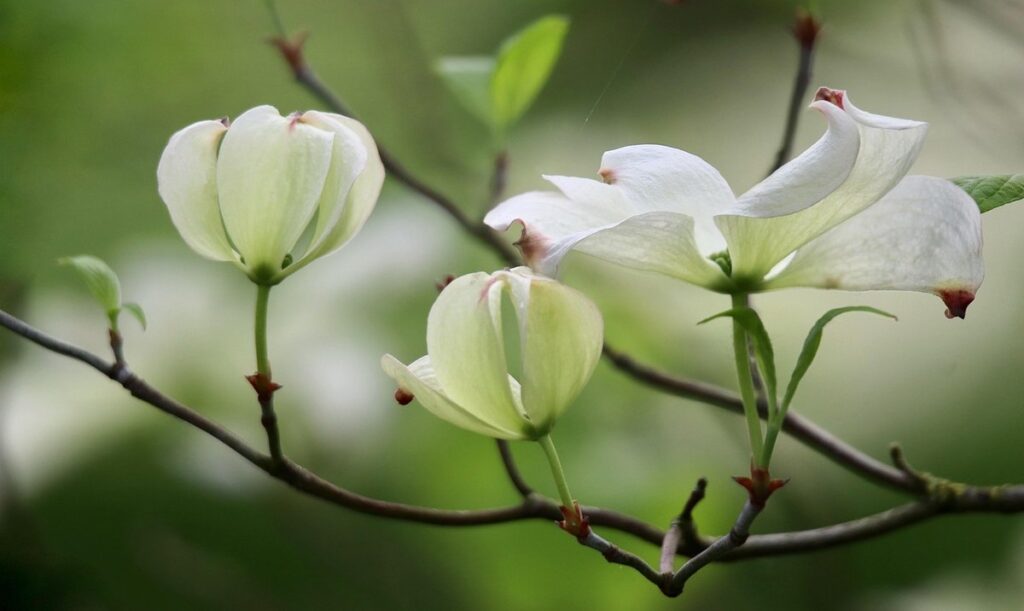
The Oriental dogwood produces showy white flowers in late spring, which are followed by clusters of bright red or yellow fruits (depending on the cultivar). These fruits are attractive to birds and other wildlife, making the tree a great addition to any garden.
When it comes to growth habits, the Oriental dogwood prefers full sun to partial shade and well-drained soil. It’s relatively low-maintenance, but may be susceptible to pests like aphids or diseases like powdery mildew if not properly cared for. Regular watering and fertilization can help prevent these issues.
Medicinal and Culinary Uses of the Oriental Dogwood
In traditional medicine, the oriental dogwood has been used for centuries to treat various ailments. The plant’s active compounds, including flavonoids and phenolic acids, have been shown to possess anti-inflammatory, antioxidant, and antibacterial properties. Studies have demonstrated its potential to lower cholesterol levels, reduce blood pressure, and even inhibit the growth of cancer cells.
In culinary practices, the oriental dogwood is often used as a flavoring agent in teas, soups, and sauces. Its berries are edible and rich in vitamins A and C, making them a nutritious addition to salads or desserts. However, it’s essential to note that excessive consumption can cause gastrointestinal issues due to its high tannin content.
To safely incorporate oriental dogwood into your diet, only consume the berries in moderation and cook them thoroughly before eating. When using it as an herbal remedy, consult with a healthcare professional to determine the correct dosage and potential interactions with medications. By harnessing the oriental dogwood’s medicinal and culinary properties responsibly, you can unlock its full potential for promoting overall well-being.
Growing and Caring for the Oriental Dogwood
To keep your Oriental Dogwood healthy and thriving, you’ll need to provide it with proper care and attention, including pruning, fertilizing, and watering. Regular maintenance is key to enjoying its stunning blooms.
Planting and Soil Requirements
When planting an Oriental Dogwood, it’s essential to choose a location that provides optimal conditions for growth. This deciduous tree thrives in well-draining soils with a pH between 6.0 and 7.0. If your soil is too alkaline or acidic, consider amending it before planting.
Moisture levels are also crucial for the Oriental Dogwood’s health. Consistent moisture, especially during its first year after planting, will promote root development. However, ensure that the tree isn’t waterlogged, as this can lead to disease and pest issues. Aim to provide about 1 inch of water per week through rainfall or irrigation.
To propagate an Oriental Dogwood, you can use seeds or cuttings. Seed propagation is a more time-consuming process, requiring two to three years for the seedling to mature. Cuttings, on the other hand, are quicker and more reliable, allowing you to produce multiple trees from a single parent plant. Take 6-8 inch stem cuttings in early spring or late summer, remove lower leaves, and plant them in well-draining soil with a rooting hormone.
Pruning and Maintenance Techniques
When it comes to maintaining the beauty and health of your Oriental Dogwood tree, pruning is an essential technique to master. Prune your tree in late winter or early spring, removing any dead, diseased, or damaged branches to promote healthy growth and prevent the spread of disease. Cut back branches that are crossing or rubbing against each other to maintain a balanced shape.
To encourage new growth and blooms, prune about one-third of the branches on established trees. This will also help control the tree’s size and keep it looking its best. For younger trees, prune more extensively, removing about half of the branches to allow for proper development.
In addition to pruning, regular maintenance is crucial to prevent pest infestations and diseases. Inspect your tree regularly for signs of pests like aphids, scale insects, or spider mites, and treat promptly if necessary. Also, ensure good air circulation around the tree to prevent fungal diseases that thrive in humid environments.
Fertilize your Oriental Dogwood annually with a balanced, slow-release fertilizer to provide essential nutrients for healthy growth. Finally, mulch around the base of the tree to retain moisture, suppress weeds, and regulate soil temperature.
Health Benefits of the Oriental Dogwood
The Oriental dogwood is not just a stunning addition to your garden, but it also offers numerous health benefits when used correctly. We’ll explore its medicinal uses in this section.
Antioxidant and Anti-Inflammatory Properties
Research has shown that oriental dogwood contains an abundance of antioxidants, including flavonoids and phenolic acids. These compounds have been proven to neutralize free radicals in the body, which can damage cells and contribute to chronic diseases such as cancer and heart disease.
The anti-inflammatory properties of oriental dogwood are also significant. Studies have found that its extracts contain compounds that inhibit pro-inflammatory enzymes, thereby reducing inflammation and promoting healing in the body. This is particularly beneficial for individuals with conditions such as arthritis, where excessive inflammation can exacerbate symptoms.
One key compound responsible for these effects is quercetin, a flavonoid found in high concentrations in oriental dogwood. Quercetin has been shown to have potent anti-inflammatory properties and has even been used to treat various conditions including allergies, asthma, and cardiovascular disease.
When using oriental dogwood for its antioxidant and anti-inflammatory benefits, it’s essential to consume it in moderation and as part of a balanced diet. You can incorporate the plant into your meals through cooking or take supplements specifically formulated with its extracts.
Cardiovascular and Neuroprotective Effects
Research has shown that oriental dogwood contains flavonoids and phenolic acids, which have been linked to cardiovascular health benefits. Studies have demonstrated that these compounds can help reduce blood pressure, lower triglycerides, and improve overall cardiovascular function. For example, a study published in the Journal of Agricultural and Food Chemistry found that an extract from oriental dogwood reduced LDL cholesterol levels by 24% in rats with hyperlipidemia.
In addition to its cardiovascular benefits, oriental dogwood has also been shown to have neuroprotective effects. Flavonoids present in the plant have been found to cross the blood-brain barrier and inhibit the formation of beta-amyloid plaques, which are associated with Alzheimer’s disease. This suggests that oriental dogwood may have potential as a natural therapeutic agent for preventing or slowing down neurodegenerative diseases.
While more research is needed to fully understand the effects of oriental dogwood on cardiovascular and neurological health, current studies suggest its potential benefits in reducing inflammation and oxidative stress, which are key contributors to chronic disease.
Environmental Impact and Conservation Efforts
As we explore the wonderful world of oriental dogwood, it’s essential to consider its impact on our environment and how we can work together to preserve these beautiful plants for future generations. We’ll dive into conservation efforts and sustainable practices you can adopt in your own garden.
Habitat Preservation and Ecosystem Services
The oriental dogwood plays a vital role in maintaining healthy ecosystems, particularly when it comes to supporting biodiversity and soil health. These trees are often found growing alongside native species, providing a habitat for various wildlife such as birds, insects, and small mammals. The oriental dogwood’s contribution to pollination is also noteworthy, with its showy white or pink flowers attracting bees and other beneficial insects.
In addition to its ecological benefits, the oriental dogwood helps maintain soil health through its deep root system, which stabilizes soil and prevents erosion. Its leaf litter also acts as a natural mulch, retaining moisture and suppressing weeds. By planting oriental dogwoods in areas where native vegetation has been degraded or destroyed, landowners can help restore ecosystems and promote biodiversity.
To support the conservation of oriental dogwood habitats, consider partnering with local organizations or government agencies to identify and protect natural areas. Regular maintenance, such as pruning and watering, is also essential for preserving the health and longevity of individual trees.
Sustainable Harvesting and Trade Practices
As we delve into the world of oriental dogwood, it’s essential to acknowledge the significant impact of unsustainable harvesting practices on this species and its ecosystem. The demand for oriental dogwood has led to over-harvesting, particularly in regions where it’s native, such as Asia and North America. This has resulted in a decline in population, with some studies suggesting that up to 70% of the natural habitat has been cleared.
To mitigate these effects, fair trade initiatives and responsible sourcing methods have emerged. Look for nurseries or suppliers that adhere to sustainable forestry practices, ensuring that trees are harvested responsibly and replanted. You can also consider purchasing plants from local, small-scale growers who prioritize environmental stewardship. When selecting an oriental dogwood, choose one with a Certificate of Sustainability or look for the Forest Stewardship Council (FSC) label. By making informed choices, you’ll not only support the conservation of this species but also promote environmentally friendly practices in the industry.
Conclusion and Future Research Directions
Now that you’ve learned all about growing and caring for oriental dogwood, let’s summarize what we’ve covered and explore potential future research directions.
Recap of Key Findings
In summary, we’ve explored the rich history of oriental dogwood, its unique characteristics, and the benefits it offers to gardeners and wildlife alike. One of the key takeaways is that oriental dogwood is a versatile shrub that thrives in USDA zones 5-8, tolerating a range of soil types and moisture levels. Its stunning white or pink flowers in spring attract pollinators and hummingbirds, while its red berries provide vital food for birds during winter.
We’ve also discussed the importance of proper care, including regular watering, pruning to maintain shape and promote healthy growth, and protecting against pests and diseases. For instance, a study published in the Journal of Environmental Horticulture found that oriental dogwood outperformed other shrub species in terms of drought tolerance and water conservation.
Furthermore, we’ve highlighted the conservation status of oriental dogwood as a native plant in North America, emphasizing its role in maintaining healthy ecosystems and supporting biodiversity. By planting this species in your garden or community space, you can contribute to these efforts and enjoy the many benefits it offers.
Potential Areas for Further Research
As we conclude our comprehensive guide to the oriental dogwood, it’s essential to acknowledge that there is still much to be discovered about this remarkable plant. Potential areas for further research are abundant, and exploring them could lead to new breakthroughs in various fields.
One such area of investigation is the oriental dogwood’s unique chemical composition. While we’ve discussed its medicinal properties and benefits, a more in-depth analysis of its phytochemicals could reveal even more potent compounds with therapeutic applications. For instance, researchers might investigate the synergistic effects of combining oriental dogwood extracts with other natural substances to enhance their efficacy.
Another promising area for research is the plant’s potential as a natural dye or pigment source. The oriental dogwood’s vibrant red flowers and foliage offer a wealth of inspiration for artists and craftspeople, but could its properties be exploited on an industrial scale? Further investigation into the plant’s colorant properties might unlock new opportunities in textiles, cosmetics, or food coloring.
Moreover, exploring the oriental dogwood’s ecological role in diverse ecosystems could provide valuable insights for conservation efforts. By studying its interactions with other species and environments, researchers might develop more effective strategies for promoting biodiversity and mitigating invasive species.
Ultimately, continued research into the oriental dogwood will depend on collaboration between botanists, ecologists, chemists, and other experts from various fields. As we venture further into this fascinating plant’s secrets, we may uncover new benefits, applications, or even entirely novel uses for the oriental dogwood – a testament to human ingenuity and our capacity for discovery.
Frequently Asked Questions
Can I grow the Oriental Dogwood tree indoors?
Yes, it’s possible to grow the Oriental Dogwood tree in a container or indoor space with proper care and lighting conditions. However, keep in mind that this tree typically requires more space to thrive outdoors, so consider factors like root depth and humidity when deciding on an indoor setup.
How long does it take for the Oriental Dogwood tree to mature?
The Oriental Dogwood tree can take anywhere from 5-10 years to reach its full growth potential, with some varieties maturing faster than others. Factors like climate, soil quality, and regular maintenance all contribute to the overall growth rate of this stunning tree.
Can I use the oriental dogwood for medicinal purposes without professional guidance?
No, it’s highly recommended to consult a qualified healthcare professional or traditional medicine expert before using the Oriental Dogwood for medicinal purposes. The tree contains compounds with potential health benefits, but improper usage can lead to adverse reactions or interactions with other medications.
Is the Oriental Dogwood tree suitable for small gardens or urban spaces?
Yes, the Oriental Dogwood tree is an excellent choice for smaller gardens or urban areas due to its compact growth habits and adaptability to various soil conditions. Its ability to tolerate shade and withstand environmental stressors makes it a great option for city landscapes.
How can I propagate the Oriental Dogwood tree for personal use or conservation efforts?
You can propagate the Oriental Dogwood tree through seed dispersal, layering, or stem cuttings, depending on your specific needs and goals. Be sure to research and follow proper techniques to ensure healthy and successful propagation results.