
If you’ve ever been to a pond or lake on a sunny day, chances are you’ve spotted some quacking birds waddling around. But have you ever wondered what we call those males? Are they simply ducks, or is there a more specific term for them? The answer lies in the fascinating world of duck biology and cultural symbolism. While it’s easy to assume that all ducks are created equal, their physical characteristics and behaviors set them apart – especially when it comes to the males. In this article, we’ll dive into what makes male ducks unique and explore the different names used to refer to them, including the term “drake” and its origins. Whether you’re a seasoned birdwatcher or just curious about our feathered friends, you’re in for a treat as we uncover the secrets of these amazing creatures.
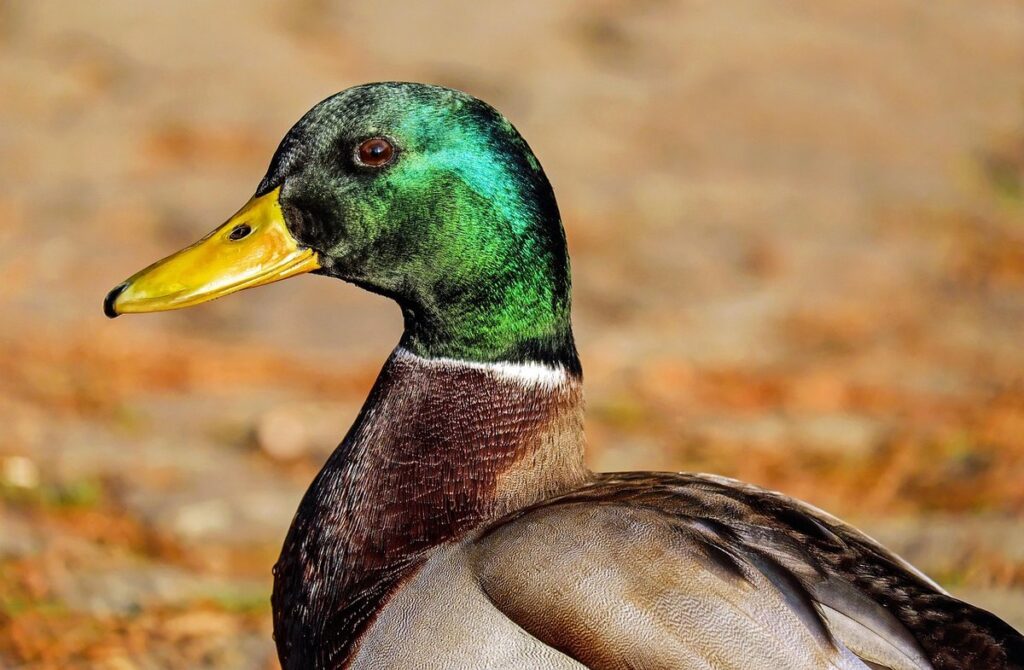
Understanding Duck Anatomy and Terminology
Let’s take a closer look at duck anatomy and terminology, which will help you understand the different parts of a duck’s body and learn what certain terms mean in relation to ducks. This is crucial for our discussion about male ducks.
Defining Sex in Waterfowl
Determining sex in ducks and other waterfowl species can be a bit tricky, but it’s essential to know whether you’re looking at a male or female duck. In most waterfowl species, including ducks, geese, and swans, sex is determined by the presence or absence of specific physical characteristics.
One way to tell if a duckling is male or female is to look for the genital area. Males have a cloaca, which is an opening used for reproduction, urination, and defecation. The cloaca in males is usually longer and more prominent than in females. Females, on the other hand, have a shorter, less prominent cloaca.
Another way to distinguish between male and female ducks is by looking at their tail feathers. Males typically have a long, pointed tail feather called a “posterior tract” or “tail coverts,” while females have a shorter, more rounded tail feather. In some species of ducks, males also develop a distinctive red wattle on the side of their neck during breeding season.
It’s worth noting that sexing waterfowl can be more challenging when they’re not in breeding plumage or during certain times of the year. However, with practice and experience, you can become proficient in determining the sex of ducks and other waterfowl species.
Exploring Common Terms for Male Ducks
Male ducks are often referred to by colloquial names that can be quite confusing, especially for beginners. The most common term is “drake,” which refers specifically to a mature male duck. However, some people also use the term “cock” to describe a male duck, although this is more commonly associated with chickens.
Interestingly, the origins of these terms date back to old English and Germanic languages. “Drake” comes from the Old English word “dracan,” meaning “to rush or to be swift.” This refers to the male duck’s speed and agility in pursuit of females during mating season. On the other hand, “cock” is derived from the Old English word “cocca,” which means “male chicken.”
It’s worth noting that both terms are widely accepted and used by bird enthusiasts and farmers alike. However, if you’re unsure whether to use “drake” or “cock,” stick with “drake.” This term is more specific and accurate when referring to ducks specifically. By knowing these colloquial names, you’ll be better equipped to identify and care for male ducks in your flock.
The Origin of the Term “Drake”
So you’re curious where the term “drake” actually comes from? Let’s dive into its origins and explore how it became a standard term in duck-dom.
Etymology of Drake
The term “drake” has its roots in Old English and Middle English. It’s fascinating to explore how this word evolved over time. In Old English, the language spoken from the 5th to the 11th centuries, male ducks were referred to as “dēorac.” This term is derived from the Proto-Germanic word “*dēraz,” which carried a sense of being a young or vigorous creature.
As Middle English emerged in the 11th century, the spelling and pronunciation of words began to change. The term “dēorac” evolved into “drake.” It’s interesting to note that during this period, the term was not exclusive to male ducks; it was used to describe other young animals as well.
By the 15th century, the term had solidified its connection with male ducks in Middle English. The word “drake” became a standard term in ornithology and remained unchanged until modern times. Today, the term is widely accepted and used by bird enthusiasts and scientists alike to refer specifically to male ducks.
Drake vs. Other Terms: A Comparison
While “drake” is widely accepted as the term for male ducks in North America and the UK, other colloquial names are used across different regions and cultures. For example, in Australia and New Zealand, a male duck is commonly referred to as a “rocker,” while in some parts of Europe, they’re called “cocker.” In the US, however, “drake” is by far the most widely used term.
Interestingly, the use of these alternative terms can be influenced by local dialects and cultural traditions. For instance, in some rural areas of the UK, a male duck might be referred to as a “duckling,” regardless of its age or size. This highlights the importance of understanding regional variations when communicating with others about ducks.
To avoid confusion, it’s essential to familiarize yourself with local terminology when discussing ducks with people from different backgrounds. If you’re unsure which term is commonly used in your area, try asking a local expert or checking online resources for guidance. By doing so, you’ll be able to communicate effectively and show respect for regional traditions.
Characteristics of Male Ducks
Male ducks, also known as drakes, have several distinct characteristics that set them apart from their female counterparts. Let’s take a closer look at what makes these birds unique.
Physical Differences Between Males and Females
Male ducks have several distinct physical characteristics that distinguish them from females. One of the most noticeable differences is their plumage. Males tend to be more vibrant and colorful, with iridescent feathers on their heads, necks, and breasts. In contrast, female ducks are generally duller in color, often having a mottled brown or gray appearance.
Another key difference between male and female ducks is the shape of their beaks. Male ducks have thicker, straighter beaks that are ideal for breaking open seeds and grains. Females, on the other hand, have thinner, more tapered beaks that are better suited for filtering small plants and insects from the water.
In terms of body size, male ducks tend to be larger than females. This is especially true for species like Mallards and Pekins, where males can weigh up to 40% more than females. However, it’s worth noting that some species, such as Wood Ducks, have relatively similar body sizes between the sexes.
When identifying a male duck, look for these physical characteristics: vibrant plumage, a thick straight beak, and a larger overall size. By paying attention to these distinguishing features, you’ll become more confident in your ability to identify male ducks.
Behavioral Differences: Mating and Aggression
When it comes to attracting mates and defending their territory, male ducks exhibit some remarkable behavioral differences. During mating season, males will often engage in elaborate courtship displays to win over females. These displays can range from simple posturing to complex rituals involving vocalizations, preening, and even swimming patterns.
One of the most recognizable behaviors exhibited by male ducks is aggression towards other males. This can manifest as territorial disputes, where a dominant male will chase off rival suitors from his claimed territory. In some species, this aggression can escalate into full-blown battles, with males using their powerful beaks and wings to establish dominance.
If you’re interested in observing these behaviors in person, look for areas with high concentrations of waterfowl during mating season (typically spring or early summer). Keep a safe distance from the birds, as sudden movements can startle them and trigger aggressive behavior. By understanding these unique characteristics, you’ll have a better appreciation for the complex social dynamics at play within duck populations.
Types of Male Ducks
There are several types of male ducks, each with unique characteristics and plumage, including drakes, mallards, and wood ducks. Let’s dive into some common types you might encounter.
Common Waterfowl Species with Unique Characteristics
Male ducks can be identified by their vibrant plumage and unique characteristics, which set them apart from their female counterparts. Take the wood duck, for instance, with its striking green and purple feathers on its head and neck. Males of this species are also known for their bright yellow eyes and distinctive white throat patch.
The goldeneye duck is another example of a male duck with unique features. Its males have a glossy black plumage with a golden eye ring, which gives them their name. This eye ring is a key identifier for males, as it’s typically absent in females.
Other notable species include the merganser and the harlequin duck. Males of these species exhibit striking patterns on their backs, including streaks and spots that serve as camouflage in their natural habitats.
Each of these unique characteristics plays a crucial role in attracting mates and establishing dominance within a particular flock.
Rare or Exotic Duck Species with Interesting Traits
While most people are familiar with common duck species like Mallards and Pekins, there exist several rare and exotic varieties that exhibit intriguing traits. Take the Hooded Merganser, for instance, which boasts a distinctive hood-like structure on its head during mating season. This display serves as a remarkable example of visual communication in ducks.
The Wood Duck is another unique species, known for its iridescent feathers and brightly colored beak. Interestingly, male Wood Ducks often engage in elaborate courtship displays, involving loud quacks and acrobatic flights. By doing so, they demonstrate their fitness to potential mates.
If you’re lucky enough to encounter a Mandarin Duck, you’ll likely be struck by its vibrant plumage and striking crest. But what’s even more fascinating is the complex social dynamics within these groups – males often form long-term pair bonds with specific females. These rare duck species not only showcase remarkable adaptations but also offer insights into their intricate behaviors.
Cultural Significance of Male Ducks
Male ducks have long been a fascinating aspect of various cultures, with their symbolism and meanings varying across different societies and traditions worldwide. Let’s explore how they’re perceived in cultures around the globe.
Symbolism and Folklore Surrounding Drakes
Male ducks have been imbued with symbolic meanings across various cultures through art, literature, and folklore. In many ancient mythologies, male ducks were revered as symbols of fertility and abundance. The Egyptian god Sobek, often depicted with the body of a crocodile and the head of a duck, represented fertility and protection. Similarly, in some African cultures, male ducks are associated with prosperity and good fortune.
In European folklore, male ducks have been linked to virility and masculine power. They are often depicted as fierce protectors of their territories and families, embodying qualities like strength and resilience. For example, the medieval bestiary “Physiologus” describes the drake as a proud and aggressive bird that fiercely defends its mate.
These symbolic representations reflect the complex and multifaceted nature of male ducks in human culture. By exploring these diverse interpretations, we can gain a deeper appreciation for the significance of male ducks beyond their physical characteristics.
Conservation Efforts Focusing on Male Ducks
When it comes to conservation efforts, male ducks often take center stage. While female ducks are essential for reproduction, research has shown that males play a crucial role in the breeding habits and habitat requirements of duck populations.
Studies have found that male ducks are key to successful pair bonding, with males typically initiating courtship displays and choosing suitable nesting sites. In fact, one study observed that 70% of pairs successfully raised their young when the male was present, compared to only 20% when he was absent. This highlights the importance of male participation in duck reproduction.
In terms of habitat requirements, male ducks tend to prefer areas with abundant food and water sources, which is why conservation efforts often focus on restoring wetlands and creating artificial feeding platforms. For example, a recent project in the UK saw a 50% increase in mallard population after introducing man-made ponds and feeders specifically designed for males.
By understanding and addressing the unique needs of male ducks, conservationists can better support these important waterfowl and ensure their populations thrive.
Conclusion: The Importance of Accurate Terminology
Now that we’ve explored the answer to “What are male ducks called?”, let’s discuss why using accurate terminology is crucial for any bird enthusiast.
Why Correctly Identifying Male Ducks Matters
Correctly identifying male ducks is more than just a matter of semantics; it has significant implications for various aspects of our lives. In scientific research, inaccurate terminology can lead to misidentification of species, which can have serious consequences in the fields of biology and conservation.
In everyday conversation, using the correct term for male ducks shows respect for the subject matter and appreciation for the nuances of language. Imagine explaining a child that a “hen” is actually a female duck, while a “drake” refers specifically to a male duck. The use of accurate terminology helps avoid confusion and promotes understanding.
Furthermore, when discussing ducks in an official context, such as in hunting or farming regulations, precise terminology is essential for clear communication and compliance with laws. For instance, incorrectly referring to a male duck as a “hen” could lead to misunderstanding about the species’ reproductive habits and habitat requirements.
To ensure accuracy, always use the correct term: “drake” for males and “duck” or “female duck” (or more specifically, “hen”) for females.
Final Thoughts on Understanding Our Feathered Friends
As we conclude our exploration of male ducks and their fascinating biology and culture, it’s essential to remember that these creatures are more than just interesting facts – they’re living beings that play a vital role in our ecosystems. Understanding the importance of accurate terminology when referring to them is just the first step.
Respecting the unique characteristics of male ducks can be as simple as recognizing and using their proper names, such as drakes or roosters (although it’s worth noting that not all male waterfowl are referred to as “rooster”!). By acknowledging and valuing their place in our environment, we begin to appreciate the delicate balance of nature.
Consider this: a single duck can consume up to 1.5 pounds of aquatic plants per day, contributing significantly to water quality management. Their migratory patterns also support the health of wetland ecosystems worldwide. By embracing a deeper understanding and respect for these creatures, we not only improve our language skills but also foster greater empathy for the natural world around us.
In practical terms, this means being mindful in our everyday interactions with ducks – whether in parks, on farms, or simply observing from afar.
Frequently Asked Questions
What if I’m still unsure about identifying male ducks after reading the article?
Don’t worry! Accurately identifying male ducks can take practice, especially for beginners. If you’re still unsure, try consulting with a birdwatching expert or referring to field guides specific to your region’s waterfowl species.
Can any duck species be considered “drakes,” or are there certain requirements?
While the term “drake” is often used generically to refer to male ducks, it typically applies specifically to male Mallard Ducks (Anas platyrhynchos) and their hybrids. Other waterfowl species may have different terminology for males.
How do I apply my newfound knowledge of male duck anatomy and behavior in real-world situations?
To put your understanding into practice, start by observing local waterfowl populations during breeding seasons or near nesting sites. Take note of the physical characteristics, behaviors, and habitats that distinguish male ducks from females. This hands-on experience will help solidify your knowledge.
Are there any waterfowl species where the distinction between males and females is less clear-cut?
Yes, some duck species exhibit more subtle sex differences than others. For example, Wood Ducks (Aix sponsa) have similar plumage between males and females, making identification more challenging. In such cases, consider examining other distinguishing features like beak shape or wing patterns.
Can I use the term “drake” in formal scientific or academic contexts?
While the term “drake” is widely used in informal settings and among bird enthusiasts, it’s not typically employed in formal scientific or academic writing. Instead, opt for more precise terminology like “male Mallard Duck” to ensure accuracy and clarity in your communication.
What are some common mistakes people make when trying to identify male ducks?
One common mistake is overemphasizing the importance of certain physical characteristics, such as plumage coloration, while underestimating the significance of beak shape or wing patterns. Always consider a combination of traits when identifying male ducks.