
Canadian geese are an iconic sight in many North American cities, but have you ever wondered what these birds eat? From lush green parks to tranquil lakeshores, Canadian geese can be found foraging for food in a variety of habitats. Their diet is diverse and adaptable, consisting of native grasses, aquatic plants, insects, fruits, and even human-provided food sources. However, the impact of human activity on their diet is a growing concern. As we explore what Canadian geese eat, we’ll also examine the effects of urbanization and human feeding habits on these birds’ natural behavior. In this article, we’ll delve into the fascinating world of Canadian goose nutrition, exploring both their native foraging habits and the unintended consequences of human interaction.
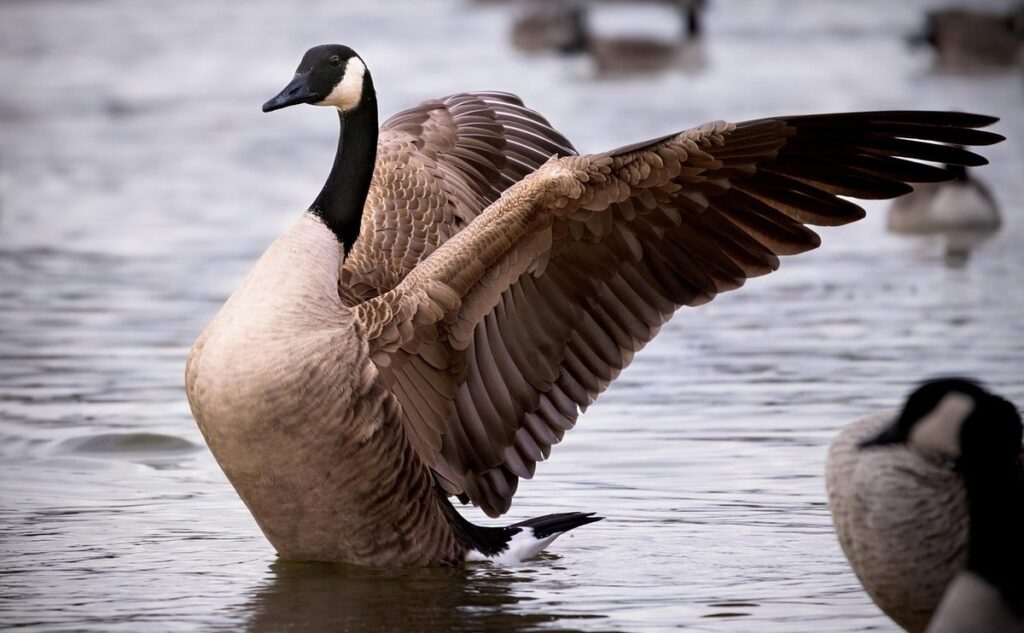
Habitat and Diet Overview
Let’s take a closer look at what Canadian geese typically eat, from aquatic plants to grasses and grains, their diet is quite varied. This section will break down their feeding habits in detail.
Native Grasslands and Waterfowl Nourishment
In Canada, native grasslands play a vital role in providing essential nutrients for Canadian Geese. These grasslands are home to a diverse array of plants that geese rely on for sustenance. The prairies of Western Canada, particularly the provinces of Alberta and Saskatchewan, are prime examples of areas where geese forage for food.
Grasses like big bluestem, switchgrass, and Indian grass are rich in fiber, protein, and other essential nutrients that geese need to thrive. In addition to these grasses, geese also supplement their diet with aquatic plants found in wetlands and lakes. Water lilies, cattails, and sedges provide a valuable source of energy and nutrients.
For gardeners and homeowners living near Canadian Goose habitats, it’s essential to maintain healthy grasslands by using conservation-friendly practices such as reduced tillage and rotational grazing. By doing so, you can help support the geese’s natural diet while also promoting biodiversity in your local ecosystem.
Influence of Human Activity on Geese Diet
The influence of human activity on geese diet is a fascinating topic. As we’ve discussed earlier, Canadian geese are opportunistic eaters and will feed on a wide variety of plants and animals. However, their diet has been significantly impacted by human activities such as agriculture, urbanization, and climate change.
Agriculture has led to the expansion of farmland, which in turn has reduced the availability of natural habitats for Canadian geese. As a result, they have had to adapt to feeding on crops such as wheat, oats, and corn, which are often planted in large fields. In some cases, this has led to conflicts between farmers and geese, as the birds can cause significant damage to crops.
Urbanization has also played a role in shaping the diet of Canadian geese. As cities expand, natural habitats are destroyed, and geese are forced to feed on garbage and human-provided food sources such as parks and golf courses. This reliance on human-provided food can lead to a decrease in their natural foraging abilities and an increase in dependence on humans.
Climate change has also had a profound impact on the diet of Canadian geese. Warmer temperatures have altered the timing of plant growth, leading to changes in the availability of certain food sources. For example, the earlier emergence of plants such as grasses and sedges can attract geese to areas that were previously unattractive.
As we’ve seen, human activities have had a significant impact on the diet of Canadian geese. As a result, it’s essential for us to understand these impacts and take steps to mitigate them. By providing alternative food sources and protecting natural habitats, we can help support the well-being of these magnificent birds. For example, you can create a goose-friendly garden in your backyard by planting native vegetation and avoiding the use of pesticides.
Aquatic Plants: A Key Component
When it comes to foraging, Canadian geese also rely on aquatic plants, which are a crucial part of their diet, providing essential nutrients and fiber.
Submerged and Emergent Vegetation
When it comes to foraging for food, Canadian geese rely heavily on submerged and emergent aquatic plants. These plant species are abundant in wetlands and waterways across North America, making them a staple in the goose’s diet.
Water lilies (Nymphaea spp.) are one of the most recognizable submerged aquatic plants that Canadian geese feed on. The leaves and stems provide a rich source of nutrients, including protein, fiber, and vitamins. Geese will often dive underwater to reach the submerged parts or graze on them while standing in shallow water.
Cattails (Typha latifolia) are another essential emergent aquatic plant that Canadian geese rely on for food. The shoots, roots, and rhizomes contain a high concentration of carbohydrates, making them an excellent source of energy. Geese will often strip the cattail stalks bare, leaving behind only the bare remains.
It’s worth noting that both water lilies and cattails are easy to identify and can be found in most wetland environments. If you’re trying to attract Canadian geese to your backyard or a nearby park, incorporating these plants into the landscape could be an effective way to provide them with a reliable food source.
Algae and Phytoplankton
When Canadian geese migrate to new habitats, they often face challenging conditions where other food sources may be scarce. This is particularly true during spring and fall migrations when water levels are low and vegetation is limited. Algae and phytoplankton, tiny plant-like organisms found in aquatic environments, play a crucial role in providing essential nutrients for geese during these periods.
Algae and phytoplankton thrive in freshwater and brackish waters, feeding on sunlight, carbon dioxide, and nutrients from the water. They are rich in proteins, carbohydrates, and other vital micronutrients that support the growth and development of geese. When algae and phytoplankton bloom, they form a nutrient-rich layer at the surface of the water, making them an attractive food source for geese.
To encourage algae and phytoplankton growth in your pond or lake, maintain optimal water quality by controlling nutrients, reducing pollutants, and ensuring adequate light penetration. By creating an environment that supports the growth of these tiny plants, you can provide a vital food source for Canadian geese during their migrations.
Insects and Small Animals: Supplemental Food Sources
While Canadian geese are often associated with grains, they also have a taste for insects and small animals that can provide essential nutrients during different times of year. These supplemental food sources play a crucial role in their diet.
Grasshoppers, Crickets, and Locusts
When it comes to supplementing their diet, Canadian geese often turn to insects as an essential source of protein. Grasshoppers, crickets, and locusts are particularly rich in nutrients, making them a valuable addition to the birds’ energy needs. In fact, studies have shown that grasshoppers alone can provide up to 70% of a goose’s daily protein requirements.
In the wild, Canadian geese often forage for insects in fields, meadows, and along waterways. They use their powerful beaks to dig into soil and vegetation, uncovering unsuspecting insects to snack on. By incorporating insects into their diet, geese are able to reap a range of benefits, from enhanced muscle mass to improved overall health.
If you’re looking to supplement your Canadian goose’s diet with insects, consider offering them a mix of grasshoppers, crickets, and mealworms. These insects can be easily obtained from most pet stores or online suppliers, and can be introduced as a treat or added to their regular feed. Just remember to introduce new foods gradually to prevent digestive upset, and ensure access to fresh water at all times.
Worms, Snails, and Frogs
Canadian geese are opportunistic feeders, which means they’ll take advantage of whatever food sources are available to them. While insects and small animals like grasshoppers and mice get a lot of attention, there’s another group of small animals that play an essential role in the Canadian goose’s diet: earthworms, snails, and frogs.
These invertebrates provide a rich source of protein, vitamins, and minerals that support growth, maintenance, and reproduction. Earthworms, for example, are bursting with iron, calcium, and other micronutrients that help keep geese healthy and strong. Snails offer a similar nutritional profile, although they may be less abundant in certain environments. Frogs, on the other hand, provide a complete protein source, including all essential amino acids.
When it comes to foraging for these small animals, Canadian geese use their keen sense of smell and sharp vision to locate potential prey. In fields and meadows, you might see them probing into soil with their bills or snatching up unsuspecting frogs near water’s edge. If you’re an avid birdwatcher, consider creating a backyard habitat that supports these invertebrates – it’ll be a win-win for both the geese and your local ecosystem!
Fruits and Grains: Unconventional Food Sources
Canadian geese may surprise you by snacking on fruits like berries, cherries, and apples, as well as grains like oats and wheat.
Berries, Cherries, and Apples
When Canadian geese migrate, they require an energy boost to sustain their long journeys. Berries, cherries, and apples offer a sweet and nutritious source of fuel for these birds. As they forage for food, they tend to favor areas with abundant fruit growth, such as orchards, parks, and gardens.
During migration periods, Canadian geese often visit farmland and agricultural areas where berries, cherries, and apples are grown. They’ll peck at ripe fruits, using their strong beaks to crack open the skins and access the juicy pulp inside. In some cases, they may also feed on immature or overripe fruits that have fallen to the ground.
If you’re a gardener or homeowner, it’s essential to consider the impact of Canadian geese on your fruit crops. To deter these birds from feeding on your berries, cherries, and apples, try using physical barriers like netting or fencing around your plants. You can also consider using visual deterrents such as balloons or reflective tape to scare them away.
Grasses, Wheat, and Oats
When it comes to what Canadian geese eat, it’s not just aquatic plants and insects. In fact, they have a fondness for grains like grasses, wheat, and oats. You might catch them snacking on these treats near agricultural areas or in backyards with bird-friendly plantings.
If you live in an area where geese are present, you’ve probably noticed that they love to feed on lawn grasses. This is especially true during the spring and fall when grasses are at their most nutritious. In fact, research has shown that geese can eat up to 20% of their daily diet in grasses.
Wheat and oats are also popular snacks for Canadian geese. They might visit fields or backyards where these grains are planted, and help themselves to a meal. If you’re looking to encourage geese to visit your yard, consider planting wheat or oat seeds in your garden. Just be aware that this can lead to problems if the geese become too comfortable and start causing damage.
To deter geese from feeding on your lawn or garden, try using physical barriers like fencing or netting. You can also plant goose-resistant grasses or use repellents containing predator scents. By taking these steps, you can enjoy watching Canadian geese without worrying about the impact on your yard.
Human-Provided Food Sources: Risks and Opportunities
While Canadian geese can thrive on natural foods, they’ve also become accustomed to human-provided snacks that come with both benefits and drawbacks. Let’s explore these risks and opportunities together.
Feeding Geese in Parks and Public Spaces
Feeding Canadian geese in parks and public spaces has become a popular pastime for many of us. However, this well-intentioned act can have severe consequences on both local ecosystems and human safety. When we feed these birds, we inadvertently disrupt the natural balance of their environment.
For instance, over-reliance on human-provided food sources makes geese lose their natural fear of humans. This can lead to aggressive behavior when they feel threatened or when they’re competing for food with other geese. In some cases, this aggression has resulted in injuries and even fatalities among park visitors.
Moreover, feeding geese also contributes to the degradation of local ecosystems. The abundance of human-provided food encourages overpopulation, which puts a strain on existing resources like grasslands and water sources. This can have cascading effects on other wildlife species that share these environments.
To mitigate these risks, consider alternative methods for enjoying time with Canadian geese. Instead of feeding them, observe their natural behavior from a safe distance or participate in guided bird-watching tours. By making informed choices about how we interact with these magnificent creatures, we can promote coexistence and preserve the beauty of our shared ecosystems.
Sustainable Options for Feeding Geese
If you’re interested in feeding Canadian geese and want to do so sustainably, there are several options available. One approach is to plant bird-friendly vegetation that provides a natural food source for the geese. Consider incorporating plants like clover, alfalfa, or oats into your landscaping, as these are all attractive to Canadian geese.
Another option is to use specialized feeders designed specifically for waterfowl. These types of feeders typically have features such as built-in water trays and easy-clean designs, which can help minimize waste and keep the area clean. When selecting a feeder, look for one that has been certified by organizations like the Audubon Society or similar groups.
When it comes to what type of food to provide, you’ll want to choose options that are nutrient-rich and won’t create unnecessary dependence on human-provided resources. Consider offering foods high in fiber and low in sugar, such as cracked corn or sunflower seeds.
Frequently Asked Questions
Can I still feed Canadian geese in public parks, even if it’s not recommended?
While feeding geese in public spaces can be tempting, it’s generally advised against as it alters their natural behavior and contributes to over-reliance on human-provided food sources. If you must feed geese, opt for sustainably sourced grains like oats or wheat in moderation.
How do I identify native grasslands suitable for Canadian goose foraging?
Look for areas with a mix of native grasses, such as big bluestem and switchgrass, which provide essential nutrients for these birds. Consult local wildlife experts or park rangers to determine the best locations and avoid habitats under conservation restrictions.
What are some alternatives to human-provided food sources in urban parks?
Consider installing bird-friendly plants like sunflowers or coneflowers that produce seeds, or creating a pollinator garden with native flowers. These will attract insects and provide supplemental food for geese without relying on human interaction.
Can Canadian geese adapt their diet based on seasonal changes in their environment?
Yes, these birds are highly adaptable and adjust their diet according to the season. For example, they may rely more heavily on aquatic plants during spring and summer when water levels are high and less on grasses during winter months when vegetation is scarce.
How can I encourage Canadian geese to forage for native food sources in my backyard or community garden?
Create a geese-friendly environment by planting native grasses and flowers that produce berries. Avoid using pesticides, which can harm these birds, and consider installing a shallow water source with rocks or twigs for perching – all of this will encourage them to forage naturally without relying on human interaction.