
Raising ducklings can be a fun and rewarding experience, but feeding them the right foods is crucial for their growth and development. As a new parent to these adorable balls of fluff, you may be wondering what to feed your growing ducklings. Choosing the wrong food can lead to nutritional deficiencies and health problems, which can be devastating for both you and your feathered friends.
In this article, we’ll cover everything you need to know about feeding your ducklings, from starter crumbles and live foods to expert advice on nutrition and health. We’ll explore the benefits of different types of food, including their nutritional value and how they support growth and development. Whether you’re a seasoned breeder or a first-time parent, this article will provide you with practical tips and insights to ensure your ducklings thrive under your care.
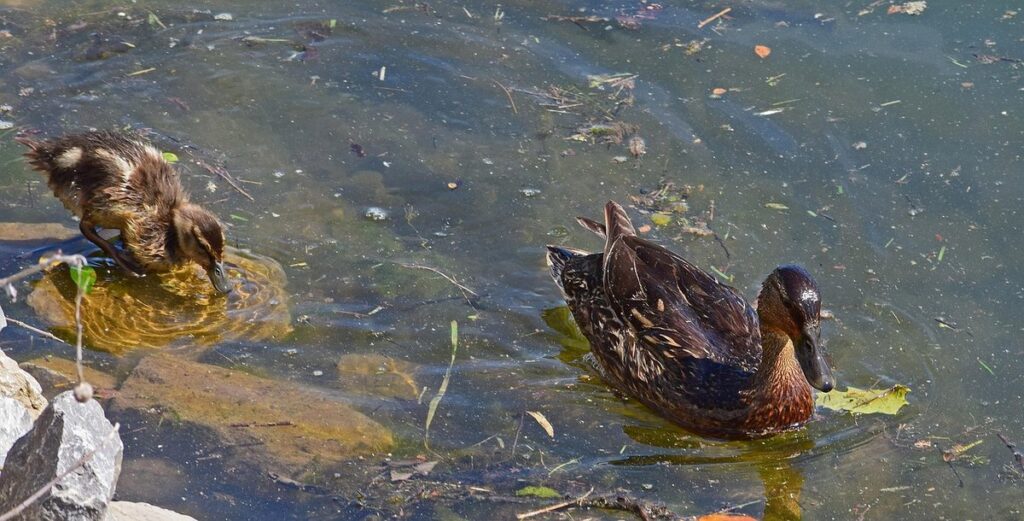
Choosing the Right Food for Your Ducklings
When it comes to feeding your ducklings, you’ll want to choose a food that’s nutrient-rich and easy for them to digest, so let’s explore some great options.
Commercial Starter Crumbles
Commercial starter crumbles are a convenient and nutritionally balanced option for ducklings. These pre-mixed feed blends contain all the necessary nutrients for growth and development, making it an ideal choice for busy breeders. When selecting a commercial starter crumble, ensure that it is specifically formulated for waterfowl or poultry to meet their unique nutritional requirements.
One of the key benefits of using commercial starter crumbles is that they are easy to store and handle. The compact pellets or crumbs are lightweight, making them simple to dispense into feeders or on the ground. Additionally, these feeds often come with added health benefits such as probiotics or prebiotics to support gut health in young ducklings.
However, some breeders may be concerned about the potential drawbacks of relying on commercial starter crumbles. These can include reliance on a single ingredient source and lack of customization to specific breeding goals. To mitigate these risks, it’s essential to research reputable manufacturers that adhere to strict quality control measures and follow guidelines for proper storage and handling.
DIY Duckling Formula
When it comes to feeding ducklings, some owners prefer to create their own formula rather than relying on commercial products. Making your own duckling formula can be a cost-effective and customizable option, but it requires careful consideration of nutritional completeness.
To make a balanced duckling formula, you’ll need to combine the right amounts of protein-rich ingredients like egg yolks, fish meal, or meat, with complex carbohydrates such as oats or barley. For example, one recipe calls for 1 cup of oats, 1/2 cup of dried kelp powder, and 1/4 cup of fish oil, mixed with 2 cups of water.
However, creating a complete formula can be challenging, especially if you’re not experienced in animal nutrition. A well-planned homemade duckling formula should provide around 20% protein, 5% fat, and 60-70% carbohydrates on a dry matter basis. Consult with a veterinarian or poultry expert to ensure your recipe meets these nutritional requirements.
Keep in mind that homemade formulas can be more time-consuming and may not offer the same convenience as commercial products. If you do decide to make your own duckling formula, be sure to follow proper sanitation procedures to avoid contamination risks.
Live Foods for Supplemental Nutrition
When it comes to supplementing your duckling’s diet with live foods, you’re providing them with an essential source of nutrients that are crucial for their growth and development. One of the best sources of protein-rich live food is mealworms. These tiny insects are packed with iron, calcium, and other vital minerals that help support your ducklings’ immune system and promote healthy feather growth.
Crickets are another excellent option, providing a rich source of fiber, vitamins, and minerals. They’re also high in protein, making them an ideal food supplement for growing ducklings. To feed mealworms or crickets to your ducklings, simply scatter them on the ground where they can forage freely. As an added bonus, you can also offer hard-boiled eggs as a nutritious treat. Just be sure to crush the egg into small pieces before offering it to prevent any choking hazards.
Remember to only provide live foods in moderation – about 10-15% of their daily diet. Too much live food can lead to digestive issues and an imbalance of essential nutrients.
Introducing Solid Foods to Ducklings
When introducing solid foods to your ducklings, it’s essential to start with a nutritious and easily digestible diet that meets their specific needs as they grow. This section will walk you through the process of transitioning them from milk to solid foods.
Age-Appropriate Feeding Guidelines
When it comes to introducing solid foods to ducklings, timing is everything. The age and developmental stage of your duckling will determine when they’re ready for solids. As a general rule, you can start introducing small amounts of solid food around 3-4 weeks old.
For Muscovy ducklings, for example, you can begin with finely chopped fruits like berries or apples at 21 days old. Meanwhile, Pekin ducklings are usually ready for grains and leafy greens around the same time.
Khaki Campbell ducklings, however, may take a bit longer to mature, so wait until they’re around 28-30 days old before introducing small amounts of oats or wheat. It’s essential to remember that each breed has its unique growth rate and nutritional requirements.
When introducing solid foods, start with small portions (about 1-2 teaspoons per duckling) and gradually increase as they grow. Make sure the food is finely chopped or pureed to prevent choking hazards. Also, always provide access to clean water at all times to ensure proper hydration.
Gradual Transition from Broth to Crumbles
When you’re ready to transition your ducklings from their initial diet of broth to solid food crumbles, it’s essential to do so gradually. A sudden switch can lead to digestive upset, so take it slow and follow these steps.
Start by introducing a small amount (about 1/4 teaspoon) of crumbles into the duckling’s broth each day for 3-4 days. This allows them to get used to the new texture and taste without overwhelming their system. You can gradually increase the amount over the next few days, but make sure not to exceed 50% crumbles in a single meal.
Monitor your ducklings’ stool quality closely during this transition period. If you notice any significant changes or if they appear lethargic, it may be necessary to slow down the transition process. It’s also crucial to maintain a balanced diet throughout this time by providing a mix of high-quality starter feed and vegetables like leafy greens and carrots.
As your ducklings become accustomed to eating solid foods, you can gradually phase out the broth altogether. However, always ensure they have access to clean water at all times.
Role of Water in Duckling Nutrition
When introducing solid foods to ducklings, it’s essential to remember that fresh water plays a crucial role in their overall health and well-being. In fact, access to clean drinking water is just as vital as the food they eat.
Ducklings need plenty of water to stay hydrated, especially during the early stages of development when they’re relying on breast milk or other liquids for nutrition. Adequate hydration helps them grow strong and healthy, with proper digestion and bowel movements. A steady supply of fresh water also supports their immune system, which is still developing.
Make sure to provide ducklings with a constant source of clean drinking water, changed frequently to prevent bacterial growth. Aim for a ratio of about 1:2 – one gallon of water per two ducklings. You can also supplement their water with electrolyte-rich additives or apple cider vinegar to promote digestive health and help balance their pH levels.
Fresh water is especially important when introducing new foods, as it helps the ducklings’ bodies adjust to changes in nutrient intake and absorb essential minerals from solid foods effectively.
Understanding Nutritional Needs
When it comes to feeding ducklings, understanding their nutritional needs is crucial for their growth and development. Here, we’ll break down what essential nutrients your ducklings require daily.
Protein Requirements for Growth
As ducklings grow and develop, they require adequate protein to support their rapid growth and feather development. In fact, protein makes up about 20-30% of a duckling’s diet, making it an essential nutrient for their overall health.
The recommended protein levels for ducklings vary based on age. For example, from day-old to three weeks old, ducklings require around 18-22% protein in their feed. As they grow older, this requirement decreases to around 16-20%. You can find these levels in commercial starter feeds or layer feeds specifically formulated for young ducklings.
Some common sources of protein in a duckling’s diet include mealworms, crickets, and even small amounts of animal fat like tallow or lard. However, it’s essential to ensure that you’re providing a balanced mix of nutrients rather than relying on single-source protein supplements.
When choosing a feed for your ducklings, look for products that are specifically formulated for young poultry and contain the recommended levels of protein. You can also supplement with small amounts of vegetables like kale or spinach, but be sure to provide fresh water at all times to ensure proper hydration.
Vitamin and Mineral Supplements
When it comes to feeding ducklings, providing essential vitamins and minerals is crucial for their growth and development. Vitamin A, for instance, plays a vital role in maintaining healthy skin, feathers, and vision. You can ensure your ducklings get enough vitamin A by offering dark leafy greens like kale or spinach, as well as orange and yellow vegetables such as carrots and sweet potatoes.
Calcium and phosphorus are also essential for strong bone development in ducklings. You can provide these minerals through crushed eggshells or oyster shells added to their feed. However, be cautious not to overdo it, as excessive calcium consumption can lead to kidney problems. For a more balanced approach, mix 1-2 tablespoons of crushed eggshells with their feed daily.
In some cases, using supplements may be necessary, especially if you’re feeding ducklings a commercial pellet diet. Vitamin and mineral supplements specifically formulated for poultry are available in most pet stores or online. Always follow the manufacturer’s instructions and ensure you provide the correct dosage to avoid over-supplementation, which can harm your ducklings.
Feeding Tips and Precautions
When it comes to feeding your ducklings, there are a few crucial things to keep in mind to ensure their health and safety. This is where you’ll find important guidelines on what not to feed them.
Common Health Issues Related to Nutrition
Duckling nutrition is crucial for their growth and development. However, improper feeding can lead to several health issues related to nutrition. Scours, also known as diarrhea, are a common problem that arises from overfeeding or underfeeding ducklings. It causes dehydration, electrolyte imbalance, and even death if left untreated.
Bumblefoot is another condition caused by nutritional deficiencies, particularly in protein. When the liver and kidneys can’t function properly due to lack of essential nutrients, it leads to the buildup of toxins, causing painful lesions on the feet.
To prevent scours and bumblefoot, ensure that ducklings have access to clean water and a balanced diet rich in vitamins and minerals. Avoid overfeeding by giving them only as much food as they can consume within 10-15 minutes. Also, provide a calcium supplement specifically designed for ducks to meet their unique nutritional needs.
Nutritional deficiencies can also cause feather plucking, lethargy, or poor growth. To identify any potential issues, monitor your ducklings’ droppings and feathers regularly, and take prompt action if you notice any deviations from normal behavior.
Environmental Factors Affecting Food Intake
When it comes to feeding ducklings, environmental factors can have a significant impact on their food intake and overall growth. One of the most critical environmental factors is temperature. Ducklings need access to a warm environment, especially during the first few weeks after hatching, as they are unable to regulate their body temperature. A temperature range of 90-100°F (32-38°C) is ideal for ducklings, but it’s essential to ensure that the area is draft-free and protected from sudden changes in temperature.
Humidity is another important environmental factor to consider. Ducklings need a relatively high humidity level, around 50-60%, to keep their skin moist and prevent dehydration. However, if the humidity is too high, it can lead to respiratory problems. You can achieve the right balance by placing the duckling enclosure near a ventilation system or using a humidifier.
Stress also plays a significant role in duckling food intake. When ducklings are stressed, they may stop eating altogether or eat less than usual. To minimize stress, ensure that their living space is clean and spacious, provide plenty of fresh water, and establish a regular feeding schedule.
Additional Considerations
As you’re getting a feel for what ducklings need, there are some extra factors to consider when it comes to feeding your young quackers. Let’s take a closer look at these important details.
Integrating Human Foods into the Diet
When introducing human foods into your duckling’s diet, it’s essential to do so safely and in moderation. While fruits and vegetables can provide a nutritious boost, they shouldn’t replace their regular starter feed.
Some safe options for human foods include leafy greens like spinach and kale, as well as carrots, sweet potatoes, and squash. Berries such as blueberries, strawberries, and raspberries are also healthy choices. However, it’s crucial to introduce these new foods gradually, starting with small amounts (about 10% of their diet) to prevent digestive upset.
For example, you can mix finely chopped vegetables like spinach or kale into their starter feed for added nutrition. Apples and bananas are also safe treats in moderation, but be sure to peel them first. Avoid giving ducklings avocado, onions, garlic, or chives as they belong to the allium family and contain compounds that can harm poultry.
Remember to always provide fresh water and a balanced diet to ensure your ducklings receive the necessary nutrients for growth and development.
Handling and Storing Food Safely
When it comes to feeding ducklings, handling and storing their feed safely is just as crucial as selecting the right nutrition. To prevent contamination and maintain the nutritional quality of their food, follow these best practices:
Firstly, always store duckling feed in a dry, well-ventilated area away from direct sunlight and moisture. This will help to prevent mold and bacterial growth, which can be detrimental to your ducklings’ health.
When transferring feed from a larger container to a smaller one or feeding trough, use clean utensils or scoop it out with your hands (washed thoroughly beforehand). Make sure to handle the food gently to avoid compacting it, which can lead to spoilage.
If you’re planning to store duckling feed for an extended period, consider dividing it into smaller portions and placing them in airtight containers. This will help maintain freshness and prevent cross-contamination with other foods or substances.
Remember, proper handling and storage of duckling feed are key to maintaining their health and well-being. By following these simple guidelines, you can ensure your feathered friends receive the nutrients they need to thrive.
Frequently Asked Questions
What if I’m concerned about my ducklings getting too much protein from commercial starter crumbles?
While commercial starter crumbles are formulated to meet the nutritional needs of waterfowl, some breeders may worry that they’re providing too much protein. The good news is that most commercial starter crumbles are designed with a balance of protein and other nutrients, but you can always consult with a veterinarian or poultry expert for personalized advice.
How often should I supplement my ducklings’ diet with live foods?
While live foods like mealworms and crickets provide essential nutrients, they shouldn’t be relied on as the primary source of nutrition. Instead, use them as an occasional treat to enhance their diet and stimulate foraging behavior. Aim to offer live foods 1-2 times a week, depending on your ducklings’ age and nutritional needs.
Can I raise my ducklings indoors without access to a backyard or outdoor space?
While having access to outdoor space can be beneficial for ducklings, it’s not essential. You can still raise healthy ducklings indoors with proper ventilation, lighting, and exercise opportunities. Just ensure you provide enough space (around 2-3 square feet per duckling) and offer regular opportunities for supervised outdoor time.
How do I introduce new foods to my growing ducklings without causing digestive upset?
When introducing new foods, start by mixing them in small amounts with their regular feed to prevent digestive shock. Gradually increase the proportion of new foods over 7-10 days, monitoring your ducklings’ stool quality and overall health. Also, ensure you’re providing a balanced diet that meets their changing nutritional needs.
What are some common signs of nutritional deficiencies or imbalances in ducklings?
Keep an eye out for signs like stunted growth, dull feathers, lethargy, or changes in droppings (diarrhea or constipation). If you notice any of these symptoms, consult a veterinarian or poultry expert to identify the underlying cause and develop a corrective plan.