
When it comes to ducks, we often think about their adorable quacks and endearing waddles. But have you ever wondered how these birds find their perfect match? Duck mating is a fascinating process that involves intricate communication methods, from preening displays to vocalizations. Environmental factors such as habitat quality, food availability, and social dynamics all play a crucial role in determining the success of duck reproduction. In this article, we’ll delve into the unique breed characteristics of various duck species and explore how these traits impact their mating habits. We’ll also examine conservation concerns affecting duck populations worldwide and discuss the importance of understanding these factors for their preservation. Whether you’re an avid birdwatcher or just a curious reader, you’ll discover the fascinating world of duck mating in this informative article.
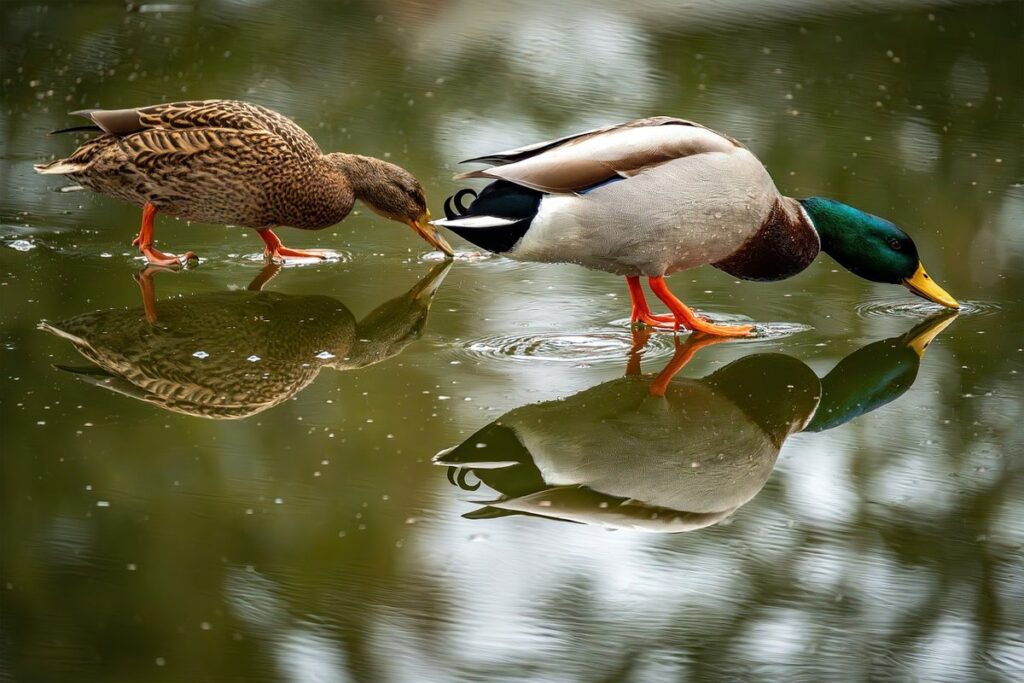
Understanding Duck Behavior and Social Structure
Understanding duck behavior and social structure is crucial to grasping their mating habits, as it influences pair bonding, territorial dominance, and breeding success. Let’s explore how these factors shape their courtship rituals.
Communication Methods in Ducks
Ducks communicate extensively during mating season to establish pair bonds and signal reproductive readiness. Visual displays play a crucial role in this process. Males will often perform elaborate courtship rituals, such as head-flagging (bobbing their heads), preening, and quacking loudly to attract females.
Body language is also vital in duck communication. A male’s display of aggression towards other males or submission to a dominant female indicates his reproductive status. Females will often signal receptivity by crouching low to the ground or displaying a ‘present posture’ with their tail held high.
When interpreting these behaviors, it’s essential to consider individual ducks’ personalities and contexts. For example, some males may be overly aggressive due to high testosterone levels, while others might be hesitant in approaching potential mates. By understanding these nuances, you can better recognize signs of reproductive readiness and take informed steps to support successful pair formation during duck mating season.
Males will often respond positively to attention from receptive females, increasing the chances of successful courtship.
Dominance Hierarchies in Duck Flocks
In a duck flock, dominance hierarchies play a crucial role, especially during mating season. Dominant birds dictate the social order and influence the behavior of others, impacting their mating opportunities. These dominant individuals often assert themselves through aggressive displays, such as loud quacking or posturing, to establish dominance.
As a result, subordinate ducks may experience reduced access to resources, including food, water, and potential mates. For instance, a dominant drake might claim prime mating spots or even harass other males to deter them from competing for females. This dynamic can be observed in wild duck populations where dominant birds tend to monopolize breeding opportunities.
When keeping domesticated ducks, understanding dominance hierarchies is essential to ensure a stable and harmonious flock during mating season. To minimize conflicts, it’s recommended to provide a balanced environment with ample space and resources for all birds. This might involve separating young males from experienced drakes or introducing them gradually to prevent territorial disputes. By recognizing the importance of dominance hierarchies, duck keepers can create a more peaceful and successful breeding environment.
The Mating Process: From Courtship to Pair Bonding
As you delve into the world of duck mating, let’s explore how these fascinating creatures go from casual courtship to forming strong pair bonds. This process is full of surprises!
Initial Attraction and Courtship Displays
When it comes to duck mating, the initial stages of courtship are often just as fascinating as they are intricate. These charming waterfowl use a range of displays, postures, and vocalizations to signal their interest and attract a potential mate.
As male ducks strut around the pond or lake, they showcase their vibrant plumage, puffing out their chests and displaying their striking colors. This is not just for show – it’s a deliberate attempt to make themselves appear as attractive and desirable as possible. The female duck, on the other hand, will often choose her mate based on his courtship displays, so males must be bold and confident in their efforts.
In addition to plumage displays, ducks also use posturing to communicate interest. This can range from subtle head-bobbing to more dramatic leaps into the air, accompanied by loud quacks or whistles. By observing these behaviors, you can gain a better understanding of how ducks interact with each other during courtship – and even get some tips for your own backyard pond!
Pair Formation and Bonding
As ducks embark on their mating journey, they undergo an essential process called pair formation. This is where they form long-term bonds with their chosen mates, laying the foundation for successful mating and reproduction. In fact, research has shown that pair-bonded ducks are more likely to breed successfully and raise healthy offspring.
But why is pair formation so crucial? For one, it ensures that both partners are committed to each other and to raising their young together. This reduces stress and increases cooperation between the pair, ultimately benefiting their offspring’s chances of survival. When ducks form strong bonds with their mates, they also develop a unique communication system that helps them navigate challenges and optimize their breeding efforts.
To foster successful pair bonding in your flock, provide them with a safe and nurturing environment. Ensure adequate food, water, and shelter for all birds, and consider introducing nesting boxes to encourage pair formation and bonding activities. By creating these conditions, you can facilitate the development of strong pair bonds among your ducks, setting them up for a fruitful and successful mating season.
Factors Influencing Duck Mating Success
As we dive deeper into the fascinating world of duck mating, let’s explore what makes a duck’s chances of successful pairing go up or down, and how breeders can make informed decisions.
Duck behavior, habitat, and physical characteristics all play a significant role in determining their mating success.
Environmental Factors: Climate, Habitat, and Resources
When it comes to duck mating success, environmental factors play a significant role. Climate, habitat quality, and availability of food resources all intersect to impact reproductive outcomes. For instance, ducks that breed during periods of harsh weather conditions or drought may experience reduced fertility rates due to stress.
Habitat quality is another crucial factor. A diverse array of vegetation, adequate nesting sites, and minimal human disturbance can contribute to successful duck mating. In contrast, degraded habitats with limited resources can hinder breeding efforts. For example, a study in the UK found that mallard ducks breeding in areas with high levels of urbanization had lower reproductive success rates compared to those in more natural habitats.
To mitigate these challenges, consider creating duck-friendly environments by providing adequate shelter, food, and water sources. This can be achieved through habitat restoration or creation of artificial nesting sites. By understanding the complex interactions between environmental factors, you can make informed decisions to support healthy duck populations and promote successful mating outcomes.
Health and Physical Condition in Ducks
When it comes to duck mating success, the health and physical condition of an individual play a crucial role. A duck with poor health or physical limitations is less likely to attract a mate or engage in successful reproduction.
Diseases such as respiratory infections, avian cholera, and parasites can significantly impact a duck’s ability to find a partner. For instance, a duck suffering from chronic respiratory issues may struggle to compete with healthier individuals for food, shelter, and mating opportunities. Similarly, injuries sustained during fights or accidents can leave a duck unable to engage in courtship behaviors.
Malnutrition is another critical factor affecting a duck’s reproductive potential. A diet lacking essential nutrients can lead to stunted growth, reduced fertility, and even complete sterility. Providing your ducks with a balanced and nutritious diet is therefore essential for ensuring their overall health and increasing mating success.
In addition to these factors, genetic conditions such as skeletal deformities or eye problems can also impact an individual’s ability to attract a mate. By monitoring the health and physical condition of your ducks, you can identify potential issues early on and take steps to address them, ultimately improving mating success rates.
Breeds and Species: Unique Mating Characteristics
When it comes to duck mating, each breed has its own distinct characteristics, making their unique mating behaviors both fascinating and essential to understand. Let’s explore some of these interesting differences.
Examples of Different Duck Breeds and Their Mating Traits
One of the most fascinating aspects of duck mating is the incredible diversity of breeds and their unique characteristics. Take, for instance, the majestic Muscovy duck, known for its vibrant red plumage and impressive size. These birds are often aggressive and territorial during mating season, with dominant males engaging in intense displays of strength to attract females.
On the other hand, the diminutive Call Duck is a much more laid-back breed, preferring to form long-term pair bonds and engage in subtle courtship behaviors like soft quacking and gentle preening. This is because breed-specific traits like size, temperament, and plumage color can significantly influence mating behavior.
Other notable examples include the Harlequin duck‘s striking black-and-white coloring, which may be seen as a signal of genetic diversity to potential mates. Similarly, the Mallard’s distinctive green head and yellow bill serve as indicators of health and fertility. By understanding these breed-specific traits, you can better appreciate the complex mating rituals of ducks and even learn how to promote successful pairings in your own flock.
Species-Specific Mating Strategies in Wild Ducks
Wild ducks exhibit an astonishing array of mating strategies, each finely tuned to their unique environment and ecological pressures. For instance, Wood Ducks (Aix sponsa) are known to form long-term pair bonds, often staying together for multiple breeding seasons. This monogamous behavior is likely due to the high cost of attracting a new mate in their dense forest habitats.
In contrast, Merganser ducks (Mergus spp.) have been observed engaging in promiscuous mating behaviors, with males frequently visiting multiple females during the breeding season. This strategy may be advantageous for species like Mergansers that rely on temporary wetlands and water bodies which provide limited food resources, necessitating a rapid turnover of offspring.
The abundance of food resources can also influence mating strategies – Mallard ducks (Anas platyrhynchos), for example, will readily form large aggregations in areas with abundant food availability, allowing them to mate more freely. Understanding these species-specific tactics is crucial for effective conservation and management efforts, as each strategy highlights the unique ecological pressures faced by different duck populations.
Challenges to Duck Reproduction: Human Impact and Conservation Concerns
As we delve into the intricacies of duck mating, it’s essential to acknowledge the significant challenges facing these remarkable birds due to human impact and conservation concerns. Unfortunately, many duck species are struggling to survive.
Habitat Destruction and Fragmentation
Duck habitats around the world are facing unprecedented threats due to human activities. Deforestation, for instance, has led to the destruction of natural wetlands and grasslands where ducks once thrived. Urbanization has also contributed to habitat loss as cities expand their boundaries, squeezing out remaining green spaces. Agricultural development is another major culprit, with large-scale farming practices clearing vast areas for crops and livestock.
These changes have a devastating impact on duck populations. With less space to live and breed, mating opportunities become scarce. Female ducks may struggle to find suitable nesting sites, while males often face competition from other suitors. Reproductive success is severely affected, leading to declines in population numbers. For example, the North American wood duck has seen a 44% decline in breeding pairs over the past few decades due to habitat loss and fragmentation.
We can all play a role in mitigating these effects by supporting conservation efforts and making conscious choices about our environment.
Hunting and Harvesting Practices Affecting Duck Populations
Hunting and harvesting practices have a significant impact on duck populations, particularly during mating season. This is because many hunting methods target breeding-age ducks, disrupting the natural process of pair formation and reducing population numbers.
During the spring migration, when waterfowl are most active, hunters often use decoys, calls, and other lures to attract ducks into shooting range. While these techniques can be effective for hunters, they also pose a significant threat to duck populations. According to data from the North American Waterfowl Management Plan, an estimated 3 million ducks are harvested annually in the United States alone.
Conservation efforts aim to mitigate these impacts by implementing sustainable hunting practices and protecting critical breeding habitats. For example, some hunting regulations require hunters to report their bag limits or participate in conservation programs that support habitat restoration. These measures can help balance human activities with duck population needs.
Conclusion: The Importance of Understanding Duck Mating
In conclusion, understanding duck mating is crucial for anyone interested in raising or working with ducks. By grasping the intricacies of their behavior and biology, you can create a more harmonious and successful environment for these fascinating creatures. Whether you’re a seasoned breeder or a beginner looking to start a small flock, having a solid grasp of duck mating will help you make informed decisions about breeding, pairing, and even managing unwanted behaviors like aggression or dominance. For instance, knowing that ducks typically form long-term pair bonds can help you plan for successful breeding seasons and reduce stress on your animals. By investing time in understanding duck mating, you’ll be better equipped to provide the best possible care for these incredible birds.
Frequently Asked Questions
Can any duck breed be kept as a pet for mating purposes?
Some breeds are better suited for domestication, while others may require specialized care or permits. Research local laws and consult with a veterinarian to determine the best duck breed for your needs.
How can I recognize if my ducks have established a successful pair bond?
Look for signs of affection such as preening, nesting, and mutual quacking. A strong pair bond will also lead to increased breeding success and territorial stability within your flock.
Are there any environmental factors that can negatively impact duck mating success?
Yes, poor habitat quality, inadequate food resources, and harsh climate conditions can all disrupt duck behavior and reduce mating opportunities. Prioritize providing a healthy environment for your ducks to thrive in.
What should I do if I notice aggression or fighting within my duck flock during breeding season?
Separate the aggressive individuals from the rest of the flock and provide a safe area for them to mate without stressing other birds. Consult with an expert for personalized advice on managing duck behavior.
How can I determine which duck breed is best suited for my specific climate and resources?
Research local climate conditions, available food sources, and regional regulations regarding duck farming. Choose breeds that have shown adaptability in similar environments, such as the Khaki Campbell or the Muscovy duck.