
If you’re an avid birdwatcher or simply someone who appreciates the beauty of nature, then get ready to quack yourself up with some fascinating facts about wildlife ducks. These amazing birds have been a part of our ecosystem for thousands of years, and yet, there’s still so much we don’t know about them. From their diverse species that can be found on every continent except Antarctica to the conservation efforts in place to protect these incredible creatures, it’s time to get up close and personal with wildlife ducks. In this article, we’ll delve into the world of these fascinating birds, exploring their habitats, behaviors, and the importance of appreciating them in their natural habitats. Whether you’re a seasoned expert or just starting out, there’s something for everyone to learn about these incredible wildlife ducks.
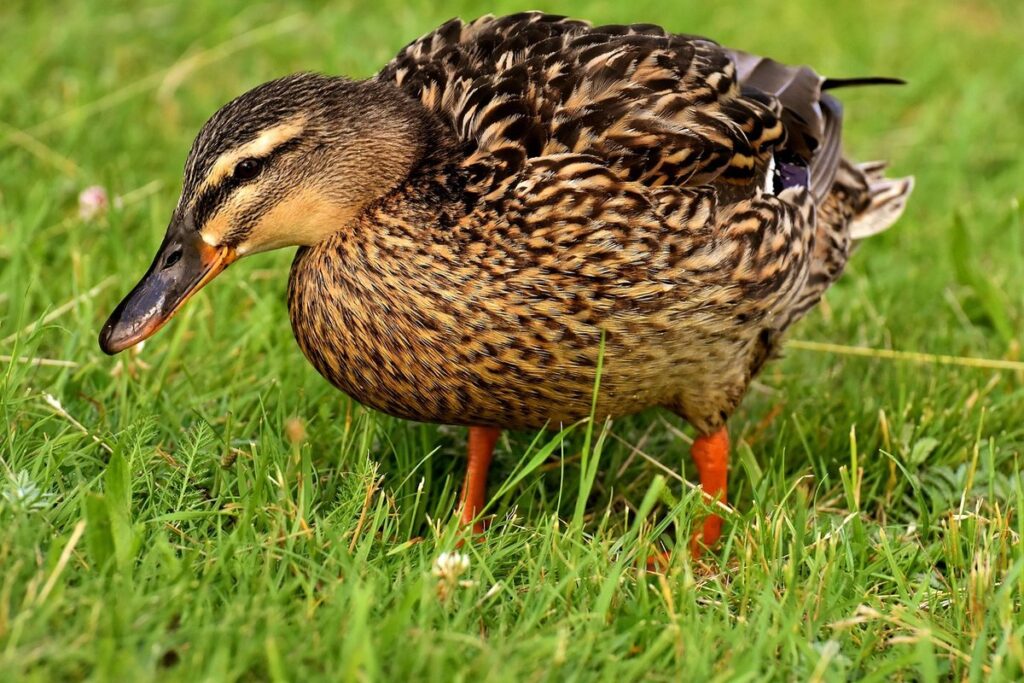
The Diversity of Duck Species
Let’s dive into the fascinating world of duck diversity, where you’ll discover over 120 different species, each with its unique characteristics and adaptations. From tiny teal to majestic swans, we explore their remarkable differences.
Introduction to Anatidae Family
The Anatidae family is one of the most fascinating groups within the waterfowl order. This diverse group comprises over 120 species of ducks, geese, and swans, which can be found on every continent except Antarctica. The Anatidae family is characterized by their unique physical features, such as webbed feet and broad wings that enable them to swim efficiently in the water.
One of the most distinctive traits of Anatidae is their adaptation to different aquatic environments. From the shallow waters of ponds and lakes to the open seas, ducks have evolved to occupy various ecological niches. For example, the merganser duck has a specialized diet consisting mainly of fish, which it catches using its unique, serrated bill.
Understanding the classification within the Anatidae family can help you better appreciate these remarkable birds. By recognizing their shared traits and adaptations, you’ll be able to identify different species more easily and learn about their specific habits and habitats. Whether you’re an experienced birdwatcher or a nature enthusiast just starting out, learning about the Anatidae family will undoubtedly enrich your appreciation for wildlife ducks.
Common and Rare Duck Species
When it comes to duck species, some stand out for their ubiquity and familiarity, while others are less well-known but no less fascinating. Among the most common duck species are Mallards, which can be found in urban and rural areas worldwide, and Wood Ducks, known for their striking coloration and distinctive calls. Mergansers, with their streamlined bodies and diving abilities, are another well-recognized group.
However, there are many other duck species that may not be as widely recognized but still warrant attention. The Harlequin Duck, for instance, is found in fast-moving streams and rivers, while the Mandarin Duck, with its bright orange feathers and striking markings, is a popular sight in East Asian countries. If you’re interested in spotting these less common species, consider visiting specific habitats or regions where they are known to congregate.
In addition to these examples, there are countless other duck species found in various parts of the world. By exploring different ecosystems and learning about the unique characteristics of each species, you can gain a deeper appreciation for the incredible diversity of wildlife ducks.
Adaptations and Special Features
One of the most striking aspects of duck species is their incredible adaptability to various environments. Their unique physical features play a crucial role in enabling them to thrive in diverse ecosystems.
For instance, ducks have an astonishing array of feathers that serve as a remarkable example of adaptation. Water-repellent feathers on some species allow for effortless gliding through water, while others feature thick, insulating plumage perfect for withstanding harsh cold temperatures. Consider the majestic Wood Duck’s striking coloration – its vibrant hues are not only visually stunning but also an excellent camouflage in its woodland habitats.
Another vital adaptation is their webbed feet, which facilitate incredibly powerful swimming abilities. The interdigital webs between toes enhance propulsion and maneuverability, allowing ducks to navigate water with ease. Moreover, some species have evolved specialized beaks tailored for specific dietary needs. For example, the Mallard’s broad, flat beak excels at filtering food from shallow waters.
In addition, many duck species possess remarkable resilience in the face of environmental challenges. By studying and appreciating these incredible adaptations, we can gain valuable insights into the fascinating world of wildlife ducks.
Habitat and Distribution of Ducks
As we delve into the fascinating world of wildlife ducks, let’s explore where they can be found and what kind of habitats they thrive in.
Wetlands and Aquatic Ecosystems
Ducks are incredibly diverse, with over 120 species found on every continent except Antarctica. However, their habitats and distribution patterns reveal a fascinating dependence on specific ecosystems – particularly wetlands and aquatic environments.
Wetlands provide the perfect refuge for ducks to nest, raise their young, and escape harsh weather conditions. These waterlogged areas come in many forms: from shallow marshes and river deltas to brackish mangroves and salt pans. Vegetation plays a crucial role here too – think cattails, bulrushes, and aquatic grasses that help stabilize the soil, filter water, and offer shelter for these birds.
Geographically speaking, some of the most important duck habitats are found in tropical regions with high rainfall, like Southeast Asia’s Sundarbans or Africa’s Okavango Delta. In these environments, ducks can thrive alongside other wildlife, such as fish, crocodiles, and even monkeys. The importance of preserving these areas cannot be overstated – they not only support rich biodiversity but also provide vital ecosystem services like water purification and carbon sequestration.
If you’re planning a trip to see ducks in their natural habitat, look for protected wetlands or national parks that maintain pristine environments. Many organizations offer guided tours and educational programs to help visitors learn more about these incredible ecosystems and the species that call them home.
Breeding Grounds and Migration Patterns
When it comes to understanding wildlife ducks, knowing their breeding grounds and migration patterns is crucial. These fascinating birds typically breed in areas with shallow water and an abundance of vegetation, such as wetlands, marshes, and grasslands. For example, Mallards are known to breed in the prairies of North America, while Wood Ducks prefer the deciduous forests of Eastern Canada.
As for migratory patterns, ducks often travel between their breeding grounds and wintering areas in large flocks. This journey can be quite long, with some species traveling over 1,000 miles each way. For instance, Blue-winged Teal migrate from their breeding grounds in Canada to their wintering areas in Mexico, a trek that takes them across the entire United States.
To appreciate these migratory patterns, try observing ducks during different times of the year. Visit your local park or wetland in spring and summer to see ducks raising their young, then return in autumn and winter to witness their migration patterns firsthand. By doing so, you’ll gain a deeper understanding and appreciation for these incredible birds.
Human Impact on Duck Habitats
As humans, we often take for granted the impact our actions have on the natural world. Unfortunately, human activities are having a profound effect on duck habitats worldwide. Deforestation, a major contributor to habitat loss, is clearing large areas of wetlands and forests where ducks rely on for food, shelter, and breeding grounds.
Pollution from agricultural runoff, industrial waste, and plastic debris is also contaminating waterways, making it difficult for ducks to survive. Climate change, which is altering temperature and precipitation patterns, is disrupting the delicate balance of ecosystems that support duck populations. For example, warmer temperatures are causing some duck species to migrate earlier than usual, leaving them vulnerable to predators during their migration.
To mitigate these effects, we can make conscious choices in our daily lives. We can reduce our carbon footprint by using public transport or carpooling, and choose products with minimal packaging to decrease plastic waste. By supporting conservation efforts and protecting natural habitats, we can help preserve duck populations for future generations.
Duck Behavior and Social Structure
Understanding the social dynamics of duck colonies is fascinating, as you’ll discover the intricate hierarchies and relationships that form within these groups. Let’s dive into what makes their behavior so unique and interesting!
Communication Methods and Displays
Ducks communicate with each other through a variety of methods, and understanding these ways is key to appreciating their fascinating social structures. One primary method of communication is vocalization – ducks use a range of sounds to convey messages, from soft quacks to loud honks. For instance, mother ducks will often call out to their ducklings to keep them in line or to locate them quickly.
Visual displays are another crucial aspect of duck communication. During courtship rituals, males will display vibrant plumage and engage in elaborate dances to impress potential mates. Even beyond mating, visual cues can convey aggression or dominance – think of a large drake chasing smaller ducks away from food sources.
Ducks also use scent marking as a way to communicate information about their identity, status, and reproductive readiness. Preening involves rubbing secretions from glands near the tail on surfaces, leaving behind chemical signals that other ducks can pick up. By understanding these different communication methods, you can better appreciate the complex social dynamics at play in wild duck populations.
Flock Dynamics and Social Hierarchy
In the wild, duck flocks are often thought of as chaotic and disorganized groups, but they actually have a complex social structure that’s fascinating to observe. Dominance hierarchies play a crucial role in maintaining order within these flocks, with dominant ducks leading subordinate ones in matters such as food and shelter.
One way to identify the dominant duck is by observing its behavior during feeding times. Dominant ducks will often chase away subordinates from prime feeding spots, while also claiming the best nesting sites for themselves. This social hierarchy isn’t just about aggression, though – it’s also a cooperative system where subordinate ducks learn valuable skills and receive protection in exchange for their loyalty.
For example, researchers have observed that some duck species even engage in altruistic behavior, such as taking turns incubating eggs or caring for the young. This cooperative breeding is crucial to the survival of many duck populations, especially those living in harsh environments where resources are scarce. By understanding and appreciating these complex social dynamics, we can gain a deeper respect for these amazing birds and work towards preserving their habitats.
Predation and Defense Mechanisms
When it comes to survival, ducks have developed impressive predation and defense mechanisms to safeguard themselves from predators. One of the most effective strategies is issuing warning calls to alert other ducks in the area. For instance, when a mallard mother senses danger, she’ll let out a loud quacking sound, signaling her fellow ducks to stay vigilant.
Another clever tactic employed by ducks is formation flying. When foraging or migrating, they often fly in large groups, making it challenging for predators like hawks and owls to single out an individual duck. This coordinated effort allows them to minimize their vulnerability and maximize their chances of survival.
Ducks also exhibit aggressive displays when threatened, such as raising their feathers, spreading their wings, or even attacking the predator with their sharp beaks. For example, a drake (male duck) will fiercely defend its territory from other males by charging at them with a loud hiss and spread wings. By learning about these defense strategies, you can better appreciate the resourcefulness and adaptability of ducks in the wild.
Ducks are also known to adapt their behavior based on environmental cues, such as changing their foraging patterns during peak predator activity hours or choosing nesting sites that offer adequate cover from potential threats.
Conservation Status and Threats to Duck Populations
Many duck species face significant threats, including habitat loss, pollution, and hunting, which can have devastating effects on their populations.
We’ll explore these pressing issues in more detail below.
Major Threats Facing Duck Species
Duck populations are facing numerous threats that require immediate attention and action. Habitat loss is one of the primary concerns, as wetlands and natural habitats continue to disappear at an alarming rate due to human activities such as urbanization, agriculture, and infrastructure development. For example, the decline of the Siberian Crane’s habitat in China has led to a significant reduction in their population.
Hunting is another major threat, with many duck species being hunted for food, feathers, or sport. The overhunting of waterfowl has severe consequences on their populations, making it challenging for them to recover. Climate change also plays a significant role in threatening duck populations, as it alters their habitats and disrupts their migratory patterns.
In addition to these threats, disease outbreaks are becoming increasingly common among duck populations. Avian cholera and avian influenza are just two examples of diseases that have had devastating effects on waterfowl populations worldwide. As we strive to understand and appreciate wildlife ducks, it’s essential to acknowledge these threats and take action to protect their habitats and well-being.
Many conservation organizations are working tirelessly to mitigate these threats through habitat restoration, hunting regulations, and disease management programs. By supporting these efforts, we can make a positive impact on the lives of duck populations worldwide.
Conservation Efforts and Initiatives
Ducks play a vital role in maintaining the balance of their ecosystems, and it’s essential to address the various threats they face. To protect these fascinating birds, numerous conservation efforts have been implemented worldwide.
The International Union for Conservation of Nature (IUCN) has designated several duck species as threatened or endangered, prompting conservation organizations to take action. For example, the American Wetlands Association (AWA) works tirelessly to restore and preserve wetland habitats, which are crucial for ducks’ survival. These initiatives not only safeguard duck populations but also benefit other wildlife that inhabit these areas.
Another significant concern is hunting regulations. Many countries have implemented measures to regulate hunting practices, such as bag limits and closed seasons. Organizations like the National Audubon Society advocate for responsible hunting practices and support education programs to promote duck conservation.
You can contribute to duck conservation efforts in your daily life by making eco-friendly choices, such as using public transportation or reducing plastic usage. Supporting organizations that work towards preserving wetlands and protecting duck habitats is also crucial. By working together, we can ensure the long-term survival of these incredible birds.
Community Engagement and Education
Community engagement is crucial for duck conservation. By involving local communities in conservation efforts, we can build a stronger foundation for protecting these fascinating birds. Education programs are an excellent starting point. Organizations like Ducks Unlimited and the National Wildlife Federation offer workshops and training sessions that teach community members about duck habitats, behavior, and migration patterns.
Citizen science initiatives are another effective way to engage communities. Projects like eBird and the Great Backyard Bird Count allow individuals to contribute data on duck populations and habitats. This collaborative approach not only raises awareness but also provides valuable insights for conservation efforts. Collaborative research projects between local communities and scientists can also lead to innovative solutions.
For example, a community-based project in Australia involved local residents in monitoring waterbird populations. The results showed significant improvements in habitat management and species diversity. By working together, we can make a meaningful impact on duck conservation. So, what can you do? Start by learning more about the ducks in your area. Join a local birding group or attend a conservation event to connect with like-minded individuals. Together, we can protect these incredible birds for future generations.
Wildlife Management and Regulation of Duck Hunting
When it comes to duck hunting, it’s essential that regulations are in place to ensure a sustainable balance between hunters and wild duck populations. We’ll explore the guidelines that govern duck hunting.
Laws and Regulations Affecting Duck Hunting
When it comes to duck hunting, understanding the laws and regulations governing this activity is crucial to ensure that both hunters and wildlife populations thrive. Internationally, the Convention on International Trade in Endangered Species of Wild Fauna and Flora (CITES) regulates the trade of ducks and other bird species. This agreement sets guidelines for the harvest and sale of duck products, including feathers, meat, and eggs.
In the United States, individual states regulate duck hunting within their borders. For example, some states have specific bag limits on waterfowl species, while others may impose seasonal closures to protect breeding or molting populations. In addition, certain protected areas such as national parks, wildlife refuges, and wetlands may be closed to duck hunting altogether.
Hunters should familiarize themselves with the laws and regulations in their area before heading out on a hunt. This can include checking state wildlife agency websites for up-to-date information or consulting with local guides or outfitters who are knowledgeable about the specific regulations.
Best Practices for Responsible Hunting
When venturing into duck hunting, it’s essential to adopt responsible practices that prioritize the well-being of these fascinating birds and their habitats. One crucial aspect is to choose the right gear – avoid using lead shot, as it can be toxic to ducks and accumulate in their bodies over time. Instead, opt for non-toxic alternatives like steel or copper shot.
Responsible hunting also involves respecting habitat regulations. Familiarize yourself with designated hunting zones and ensure you’re not encroaching on sensitive areas, such as breeding grounds or protected wetlands. Be mindful of your impact on the ecosystem; avoid over-hunting, which can disrupt duck populations and destabilize the food chain.
Consider joining a guided hunt to learn from experienced guides who adhere to responsible practices. They can teach you techniques that minimize harm to ducks, like using dogs to locate birds rather than relying on decoys or bait. By embracing these principles, you’ll not only ensure a sustainable hunting experience but also contribute to preserving duck populations for future generations to enjoy.
Sustainable Hunting and Wildlife Management Models
Innovative models for sustainable hunting and wildlife management are revolutionizing the way we interact with wildlife populations. Take, for example, the “Duck Stamp Program” in the United States, which requires hunters to purchase a stamp that funds conservation efforts. This model has been incredibly successful, raising over $1 billion since its inception.
Another notable example is Japan’s “Hunting License System,” where licenses are auctioned off to raise funds for wildlife conservation. The revenue generated from these auctions has led to the protection and restoration of habitats, ultimately benefiting both local communities and wildlife populations.
Sweden’s approach to sustainable hunting is also worth mentioning. Their “Wildlife Compensation Fund” allocates a portion of hunting license fees towards compensation payments to landowners who experience losses due to wild boar damage. This model promotes coexistence between humans and wildlife while maintaining healthy ecosystems.
These success stories demonstrate that innovative approaches can effectively balance human needs with wildlife conservation, ultimately leading to more sustainable outcomes for both species.
Conclusion: Preserving Duck Populations and Ecosystems
As we’ve explored the fascinating world of wildlife ducks, it’s essential to consider their impact on our ecosystems. By appreciating these birds, we can take steps to preserve their populations and habitats. One key approach is to support conservation efforts, such as habitat restoration and research initiatives. For example, organizations like Ducks Unlimited work tirelessly to protect wetlands and restore habitats for waterfowl.
We can also make a difference in our daily lives by adopting sustainable practices, such as using eco-friendly soap that doesn’t harm waterways or reducing our carbon footprint to minimize pollution. By working together, we can ensure the continued health of duck populations and the ecosystems they inhabit. By taking small actions, you can contribute to preserving these incredible birds for generations to come.
Frequently Asked Questions
Can I find wildlife ducks in my local park or backyard?
While it’s possible to spot some duck species in urban areas, their presence is often limited to specific habitats like parks with ponds or lakes. To increase your chances of spotting wildlife ducks, look for natural areas with suitable water sources and vegetation. Keep an eye out for birding clubs or local conservation groups that offer guided tours to help you find these amazing birds.
How do I identify different duck species, especially when they’re in flight?
Identifying duck species can be challenging, but there are a few tips to keep in mind. Pay attention to the shape and size of their wings, as well as the coloration on their heads, backs, and bellies. Note the type of habitat they prefer and whether they’re migratory or resident birds. You can also consult field guides or apps that specialize in bird identification. Don’t be afraid to ask experts or experienced birders for guidance.
Can I feed wildlife ducks, and if so, what should I offer them?
While it’s tempting to feed wildlife ducks, it’s essential to avoid overfeeding as this can disrupt their natural diet and even lead to negative impacts on local ecosystems. If you must feed them, stick to high-quality duck pellets or seeds specifically designed for waterfowl. Avoid offering bread or other human foods, which can harm their health in the long run.
How do I contribute to conservation efforts that protect wildlife ducks?
You can make a significant difference by supporting organizations dedicated to bird conservation, such as the Audubon Society or the Wildlife Conservation Society. Consider donating to these causes, spreading awareness about the importance of protecting duck habitats, and advocating for policies that safeguard their natural environments.
Are there any specific regulations I should be aware of when interacting with wildlife ducks?
Yes. Be sure to familiarize yourself with local laws and regulations regarding bird hunting, as well as any protected areas or species in your region. When observing wildlife ducks, maintain a safe distance to avoid stressing the birds and respect their natural habitats. If you’re unsure about specific regulations or guidelines, consult with local authorities or experts for guidance.