
Are you fascinated by ducks with unique characteristics? If so, you’re in luck because today we’re diving into the fascinating world of duck harlequins. These birds have been captivating waterfowl enthusiasts for their striking appearance and charming personalities.
Duck harlequins are a rare breed known for their distinctive markings, which set them apart from other ducks. But what makes them truly special is not just their looks – it’s also their friendly nature, intelligence, and adaptability. Whether you’re an experienced breeder or a curious newcomer to the world of waterfowl, understanding these remarkable birds can enrich your hobby or profession.
In this article, we’ll explore the origins, characteristics, care, breeding, and show preparation of duck harlequins – providing expert advice on raising and showcasing these unique birds. By the end of it, you’ll be well-equipped to appreciate and care for these lovely creatures.
What is a Duck Harlequin?
So, you’re curious about what makes a duck harlequin unique? Let’s dive into the basics and explore the characteristics that define these beautiful birds.
Definition and Origins
A duck harlequin is a unique and fascinating breed that has captivated waterfowl enthusiasts for centuries. So, what exactly is a duck harlequin? Simply put, it’s a type of domesticated duck that exhibits a distinctive mottled or multi-colored plumage pattern. This striking appearance is not only aesthetically pleasing but also serves as a natural adaptation to its environment.
The origins of the duck harlequin date back to the 19th century in Europe, where breeders selectively bred ducks with desirable traits such as hardiness and docility. Over time, the harlequin pattern emerged as a popular variation, prized for its beauty and ruggedness. As a result, duck harlequins are closely related to other breeds like the Muscovy and Khaki Campbell ducks.
In terms of purpose, duck harlequins were originally raised for their eggs and meat, but today they’re mostly kept as pets or show birds due to their striking appearance and friendly demeanor. If you’re considering adding a duck harlequin to your flock, be sure to research local regulations and provide suitable housing to ensure their well-being.
Characteristics and Traits
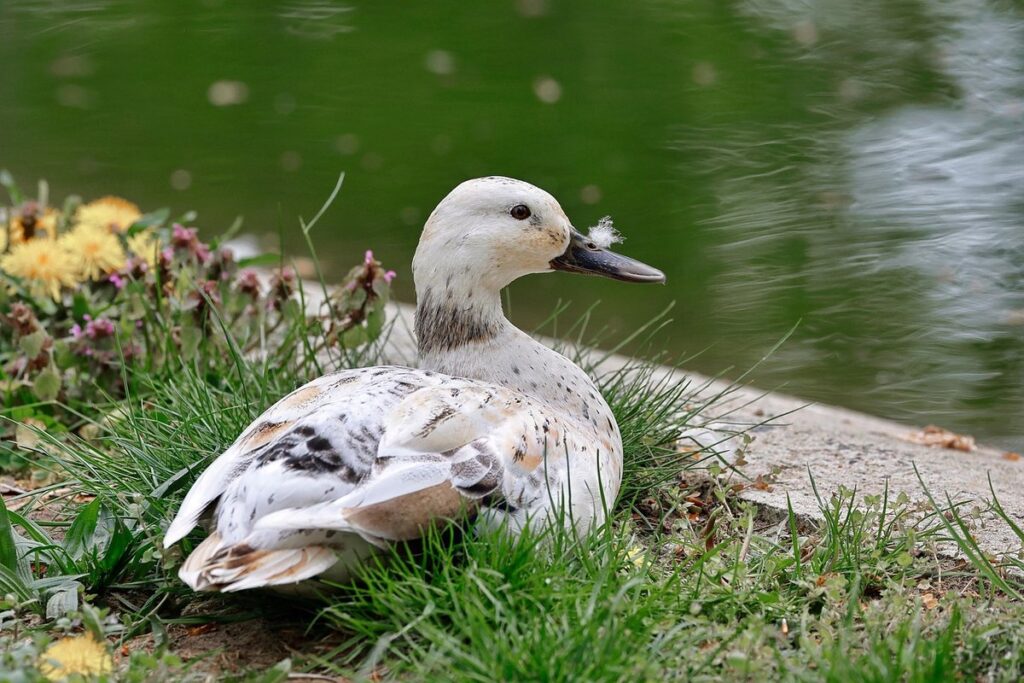
Duck harlequins are known for their unique and captivating appearance. Their plumage is typically characterized by a mix of white and colored feathers, often with a predominantly white base color. The colored areas can be found on the body, wings, or tail, and may include shades such as black, brown, gray, or yellow.
One of the defining features of duck harlequins is their body type. They tend to have a sturdy build, with males typically weighing between 2-3 pounds more than females. Their head shape and bill color can also vary, but are generally well-proportioned to the rest of the body.
In terms of temperament, duck harlequins are often described as friendly and outgoing. They can make great additions to families or farms with children, as they tend to be curious and social. However, it’s essential to remember that individual personalities may vary, so proper introduction and care should always be practiced when introducing a new duck to your environment.
When selecting a duck harlequin for yourself, look for individuals with clean lines, good posture, and bright eyes. Avoid birds with excessive feather loss or signs of poor health. By choosing a healthy duck harlequin and providing the right environment, you can enjoy these fascinating birds as delightful companions.
History and Development
The duck harlequin has a rich history that spans centuries, and understanding its origins is key to appreciating these unique birds. Let’s dive into their fascinating development over time.
Early Beginnings
The duck harlequin’s fascinating story begins with its early beginnings, which date back to the 19th century. At that time, breeders were experimenting with various combinations of ducks to create new and unique breeds. The first recorded sightings of the harlequin duck suggest that it was developed from a mix of Swedish Blue ducks and other local breeds.
The exact origin of the duck harlequin is unclear, but it’s believed that early breeders were drawn to its striking appearance, which features a predominantly white coat with patches of color. Breed descriptions from the late 19th century describe the harlequin as a “remarkable” bird, prized for its unique looks and friendly temperament.
One of the earliest breed clubs to recognize the duck harlequin was the American Bantam Association (ABA), which listed the breed in its standards in the early 20th century. As interest in the breed grew, so did its popularity among backyard farmers and hobbyists. Today, the duck harlequin remains a beloved and sought-after breed for its charming appearance and friendly nature.
Breed Standardization
The process of standardizing the duck harlequin breed was a crucial step in its development and recognition. In the early 20th century, enthusiastic breeders began to establish breed clubs and organizations dedicated to promoting and preserving the unique characteristics of the duck harlequin.
One key milestone in breed standardization was the establishment of the American Bantam Bee Association (ABBA) in 1930. The ABBA played a pivotal role in developing breed standards for various waterfowl breeds, including the duck harlequin. Breeders and enthusiasts worked closely with the organization to refine the breed’s characteristics, ultimately resulting in a set of standardized guidelines.
Another significant milestone was the introduction of the American Poultry Association (APA) breed standard in 1955. The APA breed standard for the duck harlequin outlined specific requirements for its size, plumage, and temperament. This standardization allowed breeders to ensure consistency within the breed, making it easier for enthusiasts to identify purebred duck harlequins.
Today, these organizations continue to play a vital role in maintaining the integrity of the duck harlequin breed. If you’re an aspiring breeder or enthusiast, consider joining local clubs and organizations dedicated to preserving this remarkable breed. Not only will you gain valuable knowledge and resources, but you’ll also contribute to the ongoing development of the duck harlequin’s rich history.
Health Considerations
When considering bringing a duck harlequin into your life, it’s essential to think about their specific health needs and how they may impact your family. We’ll discuss some key factors to keep in mind.
Common Health Issues
As you embark on the journey of raising duck harlequins, it’s essential to be aware of the common health issues that can affect this breed. Respiratory problems are a significant concern for many waterfowl owners, and duck harlequins are no exception. The breed’s unique characteristics, such as their slender build and relatively large size, can make them more prone to respiratory issues.
Vitamin deficiencies, particularly vitamin A deficiency, are also common in duck harlequins. This is often caused by a lack of access to green plants or sunlight, which can lead to weakened immune systems and increased susceptibility to disease.
To prevent these health issues, ensure your duck harlequins have access to clean water, nutritious food, and adequate space for exercise. Consider supplementing their diet with vitamin A-rich foods like dark leafy greens or providing a source of UVB light in their enclosure. Regular monitoring and veterinary check-ups can also help identify any potential health problems early on. By taking proactive steps to promote your duck harlequins’ overall well-being, you can reduce the risk of these common health issues.
Nutrition and Diet
When it comes to nutrition and diet for duck harlequins, providing a balanced and complete diet is crucial to ensure they grow healthy and strong. A duck harlequin’s diet should consist of high-quality commercial duck pellets as the main staple, supplemented with fresh fruits and vegetables daily. Leafy greens such as kale, spinach, and collard greens are excellent choices. Fresh vegetables like carrots, sweet potatoes, and squash can also be given.
However, it is essential to avoid feeding them foods that are toxic to ducks, including avocado, onions, garlic, and raw or undercooked meat. Provide fresh water at all times, and consider adding a calcium supplement to their diet if they’re not getting enough from commercial pellets or through other means.
A healthy duck harlequin’s digestive system is crucial for its overall well-being, so introducing new foods gradually can help prevent digestive upset. For example, start with small amounts of new vegetables and monitor your bird’s reaction before increasing the amount.
Care and Management
To keep your duck harlequin happy and healthy, proper care and management are essential. This section will cover the basics of providing a suitable environment and daily routine for these unique birds.
Housing and Environment
When it comes to creating an ideal environment for your duck harlequin, housing and enclosure are crucial factors to consider. These birds require a safe and spacious area where they can move around comfortably. The recommended minimum size for a duck harlequin enclosure is 8 feet by 12 feet (2.4 meters by 3.6 meters), but bigger is always better. You’ll also need to provide adequate shelter from the elements, such as wind, rain, and direct sunlight.
In terms of outdoor access, it’s essential to ensure that your duck harlequin’s enclosure has secure fencing to prevent escape or predators from getting in. Consider installing a covered run or aviary with netting to protect them from aerial threats like hawks or owls. A well-ventilated area with shade is also vital for maintaining good health, especially during hot summer months.
When choosing housing for your duck harlequin, prioritize a waterproof and predator-proof coop with adequate ventilation. The interior should be spacious enough for the birds to move around comfortably, with nesting boxes provided for breeding or egg-laying purposes.
Feeding and Handling
When it comes to caring for duck harlequins, proper feeding and handling techniques are crucial. A well-balanced diet is essential for maintaining their vibrant plumage and overall health. Provide a mix of commercial duck feed, fruits, vegetables, and grains to ensure they receive all the necessary nutrients. Avoid overfeeding, as this can lead to obesity and other health issues.
Handling your duck harlequin regularly will help them become tame and confident. Start with short sessions, gently picking them up and placing them back in their enclosure. Gradually increase handling time as they become more comfortable with human interaction. Socialization is also vital; introduce your duck harlequin to other birds and animals to prevent behavioral problems.
Train your duck harlequin using positive reinforcement techniques, such as offering treats when they perform desired behaviors. Be patient, as ducks can be stubborn at times. By following these guidelines, you’ll establish a strong bond with your duck harlequin and ensure their happiness and well-being. Regular handling and socialization will also help them become more relaxed around people, making them an excellent choice for families or those new to duck ownership.
Breeding and Reproduction
When it comes to duck harlequin breeding, you’re probably wondering how these colorful birds are raised from egg to adulthood. Let’s explore their unique reproductive habits in this section.
Breeding Objectives
When breeding duck harlequins, it’s essential to have clear objectives in mind. The primary goal is to select for desirable traits that enhance the overall quality and characteristics of the breed. This involves identifying and prioritizing specific features such as feather pattern, color intensity, and body type.
To maintain breed purity, breeders must be mindful of introducing genetics from other duck breeds or species. This can compromise the harlequin’s unique appearance and attributes. A good rule of thumb is to only breed harlequins with established breeding stock, ensuring a high degree of genetic consistency within each generation.
When selecting breeding pairs, consider factors such as temperament, egg-laying ability, and overall health. Aim for balanced offspring that exhibit the desired traits while also meeting basic requirements for growth and well-being. Regular monitoring and record-keeping are crucial in tracking progress, identifying areas for improvement, and making informed decisions about future breeding strategies.
By focusing on these objectives and adhering to best practices, breeders can cultivate a superior duck harlequin population that showcases the breed’s captivating beauty and charm.
Raising Ducklings
Raising ducklings requires attention to detail and a commitment to their well-being. When you’re raising ducklings from a clutch of eggs, it’s essential to provide them with the right environment for growth and development.
To start, ensure that the brooder is at a comfortable temperature, around 90-95°F (32-35°C), during the first few weeks. You can use heat lamps or heat mats specifically designed for this purpose. Keep an eye on the temperature to prevent overheating, which can be fatal for ducklings.
When it comes to feeding, offer a starter feed that’s formulated for waterfowl. Provide food and fresh water in shallow dishes to prevent drowning. As they grow, you’ll need to switch to a layer or grower feed, depending on their age and needs. Monitor their health by checking for signs of illness, such as labored breathing, lethargy, or changes in droppings.
Regular checks for mites, lice, and other parasites are also crucial. Ensure that the brooder is kept clean and well-ventilated to prevent disease and maintain optimal air quality. Be prepared for challenges like predators, cold snaps, and health issues – stay vigilant and be ready to adapt your care routine as needed.
Show Preparation and Participation
Now that you’re familiar with duck harlequin history, let’s dive into what’s required to showcase these unique birds at their best. We’ll cover show preparation tips and participation guidelines to help you succeed.
Preparing Your Duck Harlequin
Preparing Your Duck Harlequin for Show Time
As you get ready to show off your prized duck harlequin, it’s essential to give them the best chance of winning. A well-prepared duck harlequin not only looks stunning but also exudes confidence and health. Start by grooming your duck thoroughly 4-6 weeks before the show to ensure their feathers are in top condition.
Use a soft-bristled brush to remove any tangles or mats, paying extra attention to areas prone to knotting like the wings and tail. Condition their feathers with a high-quality oil-based conditioner to keep them shiny and healthy-looking. This is especially crucial for duck harlequins as they have a unique feather structure that can easily become brittle.
In addition to grooming, make sure your duck harlequin is well-conditioned through regular exercise and a balanced diet rich in protein and nutrients. A healthy coat starts from within, so ensure they’re eating a premium duck feed specifically formulated for show birds. With proper care and attention, your duck harlequin will be strutting their stuff in no time!
Show Etiquette and Rules
When participating in duck harlequin competitions, understanding show etiquette and rules is crucial for a positive experience. First and foremost, it’s essential to familiarize yourself with the specific competition rules and regulations. Each organization may have its own set of guidelines, so make sure you’re aware of what’s expected.
Upon arrival at the show, be prepared to introduce your duck harlequin to the judges and other attendees. This is an excellent opportunity to showcase your bird’s unique characteristics and personality. However, keep in mind that over-exuberance can detract from your bird’s performance. When interacting with judges, be respectful and courteous. Answer their questions clearly and confidently.
When engaging with other owners, maintain a friendly but professional demeanor. Avoid discussing the merits of individual ducks or offering unsolicited advice. This is a time for networking and building relationships within the duck harlequin community. Always address competition organizers and volunteers with respect and gratitude.
Conclusion and Final Thoughts
As we reach the end of our journey into the world of duck harlequin, let’s reflect on what we’ve learned and how it can be applied to your own experiences.
Recap of Key Points
In conclusion to our comprehensive guide on duck harlequins, let’s recap some of the key points we’ve covered. As a duck enthusiast or breeder, you now have a deeper understanding of this fascinating breed and their unique characteristics.
We started by highlighting the duck harlequin’s origins and history, tracing back its roots to the 19th century in Europe. This led us to explore their physical appearance, with distinctive markings on their feathers that set them apart from other breeds. We also touched on their temperament, known for being friendly, social, and energetic.
In terms of care and management, we covered essential aspects such as nutrition, housing, and health considerations specific to this breed. You learned how to create an optimal environment for your duck harlequins to thrive, including tips on introducing them to a flock and managing potential health issues.
As you continue on your duck-keeping journey, remember that every duck is unique, so observe and adapt to their individual needs. With patience, dedication, and the right guidance, you can create a happy and harmonious environment for both yourself and your feathered friends.
Future Directions and Developments
As we conclude our comprehensive guide to duck harlequins, it’s essential to look towards the future and explore emerging trends and potential developments in breeding and management. One area of interest is the incorporation of advanced genetic testing to improve breed selection and reduce the risk of inherited diseases.
Genetic diversity will continue to be a crucial aspect of sustainable duck harlequin populations. Breeders may adopt cutting-edge techniques, such as DNA sequencing or genotyping by sequencing (GBS), to identify optimal breeding pairs and prioritize desirable traits like feather quality or egg production.
Another exciting development is the use of precision breeding and selection methods. This involves utilizing data-driven approaches to optimize breeding programs, leveraging tools like predictive analytics and machine learning algorithms to streamline decision-making. By integrating genetic information with phenotypic data, breeders can refine their selection process, leading to healthier, more robust duck harlequin populations.
As the industry evolves, it’s likely that we’ll see increased emphasis on environmental sustainability and welfare considerations in breeding programs.
Frequently Asked Questions
Can I keep duck harlequins as pets if I live in a small backyard?
Yes, with proper care and attention to their needs, duck harlequins can thrive in small backyards. However, ensure you provide them with adequate space for exercise and enough water for swimming and bathing. A minimum of 2-3 square feet per bird is recommended.
How do I identify a healthy duck harlequin?
Look for birds with bright eyes, shiny feathers, and an active demeanor. Check for signs of illness or injury, such as labored breathing, runny eyes, or wounds. Healthy ducks should have a robust appetite and appear energetic throughout the day.
What are some common mistakes to avoid when caring for duck harlequins?
Common mistakes include inadequate housing, insufficient nutrition, and neglecting regular health checks. Additionally, failing to provide enough space for exercise and social interaction can lead to stress and behavioral issues in these intelligent birds.
Can I breed duck harlequins if I’m a beginner in waterfowl breeding?
While it’s possible to attempt breeding duck harlequins as a beginner, success requires extensive knowledge of poultry genetics, nutrition, and health management. It’s essential to start with experienced mentors or seek guidance from reputable breeders to ensure the health and well-being of your birds.
How do I prepare my duck harlequin for showing?
To prepare your duck harlequin for showing, focus on developing a strong, muscular physique through proper nutrition and exercise. Trim their nails regularly, and clean their feathers to maintain their natural shine. Practice handling them gently but firmly to help them become accustomed to being handled by judges.