
When you think of geese, you might imagine the classic V-formation flying overhead, but did you know that there are some fascinating differences between male and female geese? In fact, male geese have distinct physical characteristics and vocalizations that set them apart from their female counterparts. Not only are these birds impressive to look at, but they also have a rich history and cultural significance in many societies around the world. From ancient Egypt to modern-day farming practices, male geese have played an important role in shaping our relationship with nature. In this article, we’ll delve into the fascinating world of male geese, exploring their unique features, behaviors, and historical importance, as well as some interesting facts that you might not know about these magnificent creatures.
Characteristics and Identification
To identify a male goose, you’ll want to look for distinct physical characteristics that set them apart from females. Let’s explore what makes a male goose unique.
Physical Differences from Female Geese
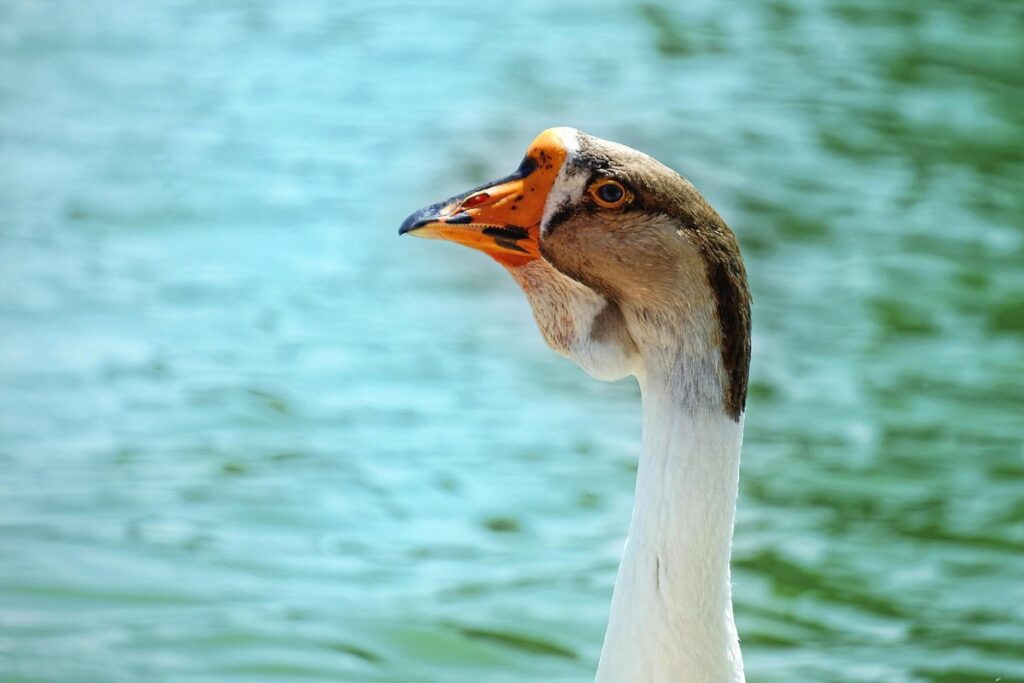
When it comes to identifying male geese, one of the most noticeable physical differences from their female counterparts is their plumage. Male geese, also known as ganders, tend to have a more vibrant and darker coloration on their necks, heads, and breasts compared to females. They may also display a slight sheen or glossiness on their feathers, particularly during breeding season.
Another key distinction is the shape of their beaks. Male geese typically have thicker and straighter beaks than females, which can help them forage more efficiently for food. However, this difference can be subtle, so it’s essential to observe other characteristics as well.
In terms of size, male geese are generally larger than female geese. They may also exhibit a slightly different posture or demeanor, with males often displaying more aggressive behavior during mating season.
When distinguishing between young males and females, look for slight variations in plumage coloration and beak shape. Young ganders tend to have a more muted appearance compared to adults, while young females may have a lighter grayish-brown hue on their necks and heads.
Vocal Cues: How Male Geese Communicate
Male geese are known for their distinctive vocalizations, which play a significant role in communication and identification. One of the most recognizable sounds is the honking call, often loud and penetrating. However, this isn’t the only way male geese express themselves vocally.
In fact, they also use whistling sounds to convey different messages, such as warning calls when feeling threatened or alerting others to potential predators. You can recognize these whistles by their higher-pitched tone compared to the honking call. Another distinctive sound is the “bark-like” noise some male geese make, especially during courtship rituals.
So, how can you identify a male goose based on its vocal cues? Start by paying attention to the pitch and volume of its calls. Male geese tend to have deeper voices than females, and their calls often carry farther. You can also observe body language; males are more likely to stand upright with spread wings when calling loudly.
When trying to identify a male goose, take note of these distinctive vocalizations, especially during breeding season or when encountering potential threats. By recognizing these patterns, you’ll be better equipped to tell male and female geese apart.
Etymology and History
Let’s dive into the fascinating history of how male geese got their unique name, which has evolved over time through linguistic twists and cultural influences. From ancient to modern times, this section will explore it all.
Origins of the Term “Gander”
The term “gander” has been a part of our vocabulary for centuries, and its origins are rooted in the fascinating world of etymology. If we look to the French language, which has had a significant influence on English, we find that the word “gander” is likely derived from the Old French word “ganz,” meaning “goose.” This connection makes sense, given the historical trade and cultural exchange between England and France.
In Latin, we see another possible source for the term “gander”: the word “anser,” which referred to a male goose. The Romans were known to have kept geese as domesticated animals, and it’s likely that their language influenced the development of English terminology. It’s interesting to note that the term “gander” was initially used interchangeably with “goose,” but over time, its specific meaning as a male goose has become more distinct.
Understanding the etymology of the word “gander” provides insight into how our language has evolved and reflects the cultural exchange that has shaped it.
Historical Significance: Gander in Folklore and Culture
In folklore and culture, ganders have played a significant role as symbols, characters, and even mythological creatures. Let’s take a look at some famous stories and literary works that feature male geese.
For instance, the story of “Hansel and Gretel” by the Brothers Grimm features a clever and resourceful gander who helps the two main characters navigate through the forest. This iconic character has become an integral part of German folklore and is still widely recognized today.
In literature, Thomas Hardy’s novel “Tess of the d’Urbervilles” includes a memorable scene where Tess encounters a group of geese on her journey to seek refuge. The ganders in this scene serve as a symbol of hope and resilience for Tess during her tumultuous time.
These examples illustrate how ganders have transcended their everyday role as farm animals, becoming an integral part of our cultural heritage. By acknowledging the historical significance of ganders in folklore and literature, we can appreciate the multifaceted nature of these fascinating birds.
Behavioral Differences
When interacting with their human caregivers and other geese, male geese exhibit distinct behaviors that are often overlooked. These differences can be fascinating to observe.
Mating Habits and Courtship Rituals
When it comes to mating habits and courtship rituals, male geese are known for their elaborate displays of dominance and aggression. These birds will often engage in loud honking, wing-flapping, and even physical confrontation to establish hierarchy and attract a mate. Female geese, on the other hand, play a crucial role in these interactions, using their vocalizations and body language to communicate with potential suitors.
In fact, research has shown that male geese will often form dominance hierarchies within their social groups, with dominant males getting priority access to mates and resources. To establish dominance, male geese will perform a variety of courtship behaviors, including bowing, preening, and presenting gifts such as twigs or leaves.
If you’re looking to observe these mating habits in action, try visiting a goose sanctuary or wildlife refuge during breeding season. Just be sure to keep a safe distance and respect the birds’ natural behavior. With patience and observation, you may even catch a glimpse of a successful courtship ritual – and get a better understanding of why male geese are such fascinating creatures!
Social Structure: Dominant and Submissive Ganders
In a group of geese, male geese establish a complex social hierarchy, with dominant and submissive individuals playing distinct roles. The dominant gander typically assumes leadership, while the submissive ones follow suit. This pecking order is not just about aggression; it’s also about social recognition and respect.
For instance, when multiple males encounter each other, they often engage in a process called “head-flagging,” where they raise their heads, necks, and beaks to signal dominance or submission. The dominant gander will usually stand taller, with his feathers fluffed up, while the submissive one will lower his head, indicating deference.
To recognize whether a male goose is dominant or submissive in your flock, observe how he interacts with other males. A dominant gander will typically assert himself, whereas a submissive one will back down. If you’re trying to establish a harmonious social dynamic within your geese group, try providing separate areas for feeding and resting, reducing competition and stress among the birds. This can help reduce aggression and promote a more peaceful coexistence.
Scientific Classification
So, what does a male goose go by? In this section, we’ll break down the scientific classification of geese and explore their official names.
Taxonomy and Classification Systems
When it comes to understanding what you call a male goose, getting familiar with the scientific classification system can be helpful. Geese belong to the waterfowl family (Anatidae), which is further divided into several genera. The most common species of geese are Canadas and Snow geese, both of which fall under the genus Branta.
Understanding taxonomy helps you comprehend relationships between different bird species, including geese. Linnaean classification system uses binomial nomenclature to categorize organisms using their genus and species names. For example, the Canada goose is classified as Branta canadensis. This system provides a clear and standardized way of naming and organizing living things.
Phylogenetic nomenclature, on the other hand, groups organisms based on their evolutionary relationships. In this system, geese are placed within the larger group called Anseriformes, which includes ducks, swans, and coots. While these classification systems may seem complex, they help us understand the intricate connections between different bird species and provide a basis for further research.
Understanding taxonomy can also help you identify specific characteristics of male geese behavior, such as mating habits or territorial marking. By grasping their evolutionary relationships with other waterfowl, you’ll have a better understanding of what makes a male goose unique.
Evolutionary History: Adaptations and Traits
Geese have undergone significant adaptations to thrive in diverse environments. Their migratory patterns, for instance, are remarkable, with some species traveling over 5,000 miles each year between breeding and wintering grounds. This ability is crucial for their survival, allowing them to escape harsh weather conditions, find food, and breed successfully.
One notable adaptation is the geese’s unique feeding habits. They are herbivores, consuming a wide range of plants, including grasses, aquatic vegetation, and grains. In fact, a study found that geese can eat up to 1 pound (450g) of food daily during peak breeding seasons. This diverse diet enables them to adapt to different environments, from arctic tundra to temperate grasslands.
Their habitat preferences are equally impressive, with geese inhabiting various ecosystems worldwide, including wetlands, prairies, and even urban areas. By understanding these adaptations, you can better appreciate the resilience of male geese, also known as ganders, and their ability to thrive in a variety of settings.
Interesting Facts and Trivia
Get ready to learn some fascinating fun facts about geese, from their unique vocalizations to surprising behaviors that’ll leave you honking with delight!
Unconventional Gander Uses
Male geese are often associated with their loud honking calls and protective nature around their goslings. However, there’s more to these birds than meets the eye. In various parts of the world, male geese have been used for unconventional purposes.
For instance, some farmers use domesticated male geese as a form of weed control in their fields. The geese are attracted to the water-loving plants and will actively feed on them, preventing them from spreading and taking over the land. This natural method of pest management eliminates the need for chemical herbicides, making it an attractive option for environmentally conscious farmers.
In other areas, male geese have been employed for hunting purposes. The birds’ aggressive nature makes them an ideal target for experienced hunters. However, this practice is often subject to local regulations and may require special permits.
Some wildlife enthusiasts also use male geese as a way to control overgrazing in pastures. By introducing the geese to areas with overgrown vegetation, they will feed on the excess grasses, preventing them from becoming too dense and promoting healthier grazing conditions for livestock.
Fun Facts: Anecdotes and Personal Experiences
As we’ve explored what makes a male goose tick, let’s dive into some fascinating anecdotes that highlight their unique bond with humans. Many of us have witnessed the remarkable loyalty and affection that ganders show towards their human caregivers. In rescue situations, it’s not uncommon for a gander to form an instant attachment to its new owner, often following them everywhere and even recognizing their voice.
For instance, farmers have reported that some ganders have become so attached to certain individuals that they’ll follow them around the farm, even when it means leaving their own flock behind. This phenomenon has led some farmers to develop close relationships with these gentle giants, who become an integral part of their daily routine.
If you’re considering bringing a gander into your life, here are a few tips: be prepared for an intense attachment, and make sure to spend quality time with your feathered friend regularly. With patience, understanding, and a little creativity, the bond between humans and male geese can become truly special – one that’s filled with laughter, companionship, and even a hint of mischief.
Conclusion and Final Thoughts
Now that we’ve explored the fascinating world of male goose names, let’s recap what you’ve learned and consider how it applies to your daily life.
Recap of Key Points
As we conclude our exploration of male geese, also known as ganders, let’s take a moment to recap the key points that have been covered throughout this article. We’ve learned that ganders are indeed an essential part of a goose family unit, playing a crucial role in protecting their loved ones and establishing dominance within the group.
We’ve also discussed some interesting historical facts about ganders, including how they were once considered a delicacy in certain cultures due to their rich meat and impressive size. However, it’s worth noting that hunting and consuming wild geese is heavily regulated in many countries today, and for good reason – these amazing creatures are an integral part of our ecosystem.
In terms of behavior, we’ve seen how ganders are fiercely loyal and protective of their mates and offspring, often going to great lengths to defend them from potential threats. As we wrap up this article, it’s essential to remember that ganders are more than just a label – they’re living beings with complex personalities, social structures, and habits that deserve our respect and admiration.
If you’re planning a trip to see geese in their natural habitat, be sure to observe these magnificent creatures from a safe distance and learn more about the importance of preserving their habitats for future generations.
Reflection on Importance of Gander Education
As we’ve explored the fascinating world of male geese, it’s essential to acknowledge the importance of understanding gander behavior. Not only does this knowledge contribute to scientific research and conservation efforts, but it also enhances our personal interactions with these magnificent creatures.
By appreciating ganders in their natural habitat, we gain a deeper respect for their social structures and communication methods. For instance, observing ganders engage in aggressive displays during mating season can provide valuable insights into their territorial behavior. This understanding is crucial for wildlife conservationists seeking to protect and manage goose populations effectively.
In our daily lives, recognizing the characteristics of male geese can also help us appreciate their unique personalities. By acknowledging their distinct honks, postures, and interactions with other geese, we can develop a greater empathy for these remarkable birds. As you continue to learn about ganders, remember to observe them in their natural environment and appreciate their complex behaviors – it’s truly a rewarding experience that can deepen your connection with nature.
Frequently Asked Questions
What are some common mistakes to avoid when identifying a male goose?
When observing geese, it’s essential to note that physical differences can be subtle, especially during non-breeding seasons. Be cautious not to misidentify younger or older birds, as their plumage may appear less vibrant than adult males. Keep in mind that individual characteristics can vary among species and breeds.
Can male geese make suitable pets for experienced bird owners?
Male geese, particularly those from certain breeds, can be suitable pets for experienced bird owners who provide the proper care and housing. However, it’s crucial to research local regulations regarding goose ownership and ensure you have enough space for these birds to exercise and thrive.
How do I determine if a male goose is healthy or showing signs of illness?
Regular observation and monitoring of your male goose’s behavior, appetite, and droppings can help identify potential health issues. Consult with a veterinarian experienced in caring for geese to establish a baseline understanding of normal behaviors and habits.
Can male geese be integrated into existing flocks, or should they be kept separately?
Introducing a new male goose into an existing flock requires careful planning and gradual introduction to prevent aggression or stress. Monitor the behavior of both the new bird and the resident geese for signs of acceptance or tension.
What are some benefits of keeping male geese in urban areas, such as cities or backyards?
Male geese can serve as natural pest control agents by protecting gardens from smaller birds and rodents. Additionally, they can provide entertainment and a connection to nature for residents in urban settings, contributing positively to local ecosystems.