
Are you looking to add some drama and beauty to your garden? Look no further than the stunning Chinese dogwood tree. Native to China, this ornamental tree has been a favorite among gardeners for centuries, and it’s easy to see why. With its show-stopping white or pink flowers and striking red berries, the Chinese dogwood is sure to be a head-turner in any landscape. But before you bring one home, it’s essential to understand its needs and care requirements. In this article, we’ll delve into the native habitat of the Chinese dogwood tree, explore its physical characteristics, and provide expert tips on how to plant, prune, and maintain this beautiful tree in your garden. Whether you’re a seasoned gardener or just starting out, keep reading to learn everything you need to know about growing a thriving Chinese dogwood tree.
Introduction to the Chinese Dogwood Tree
Welcome to our comprehensive guide, where we’ll start by introducing you to one of nature’s most beautiful and resilient trees: the Chinese dogwood. This stunning tree is sure to captivate your attention.
Native Habitat and Distribution
The Chinese dogwood tree is native to China and other parts of Asia, where it grows naturally in mountainous regions with mild winters. Its native habitat consists of forests, woodlands, and along riverbanks. This adaptable tree has successfully spread across various climatic zones in Asia, from the subtropical to temperate regions.
In its natural range, Chinese dogwood trees can be found growing alongside other deciduous and evergreen species. They thrive in well-drained soils with a slightly acidic pH, typically between 5.5 and 6.5. The tree’s ability to tolerate different levels of humidity and temperature fluctuations makes it a versatile species.
In fact, the Chinese dogwood has been naturalized in many regions beyond its native habitat, including parts of Europe and North America. This success can be attributed to its relatively low maintenance requirements and ability to adapt to various soil types. For gardeners looking to cultivate this tree, understanding its native habitat and distribution is essential for replicating optimal growing conditions.
Brief History of Cultivation and Use
The Chinese dogwood tree has been cherished for its stunning beauty and versatility for centuries. Its cultivation and use have a rich history that spans across various cultures, with each region developing its unique appreciation for this magnificent tree.
In ancient China, the Chinese dogwood was highly valued not only for its ornamental value but also for its medicinal properties. The bark, flowers, and leaves of the tree were used to treat ailments such as fever, rheumatism, and even snake bites. Its beauty was also celebrated in traditional Chinese art and literature.
In Japan, the Chinese dogwood tree was introduced during the 17th century and quickly became a favorite among gardeners for its striking white flowers and red berries. The tree’s ability to thrive in poor soil made it an attractive choice for landscapes with challenging conditions.
Throughout history, the Chinese dogwood has been cultivated not only for its aesthetic appeal but also for its practical uses. Its sturdy wood was used for crafting furniture and tools, while its bark was employed in traditional medicine.
Identification and Characteristics
To accurately identify a Chinese Dogwood tree, it’s essential to look for its distinctive characteristics such as its size, shape, and unique flowers. Let’s dive into these key features together.
Physical Description and Growth Habits
The Chinese dogwood tree is a stunning addition to any landscape, with its unique combination of physical characteristics and growth habits. As one of the most recognizable features, the tree’s size can vary greatly depending on growing conditions. On average, it reaches 10-20 feet tall and 15-25 feet wide, making it an excellent choice for smaller gardens or as a specimen tree in larger spaces.
The shape of the Chinese dogwood is often described as an oval or rounded crown with a straight trunk. The bark itself is gray to brown in color and develops a unique pattern of deep grooves and furrows over time. One of the standout features of this tree is its foliage, which typically emerges a bright green in spring before turning a deep purple in fall.
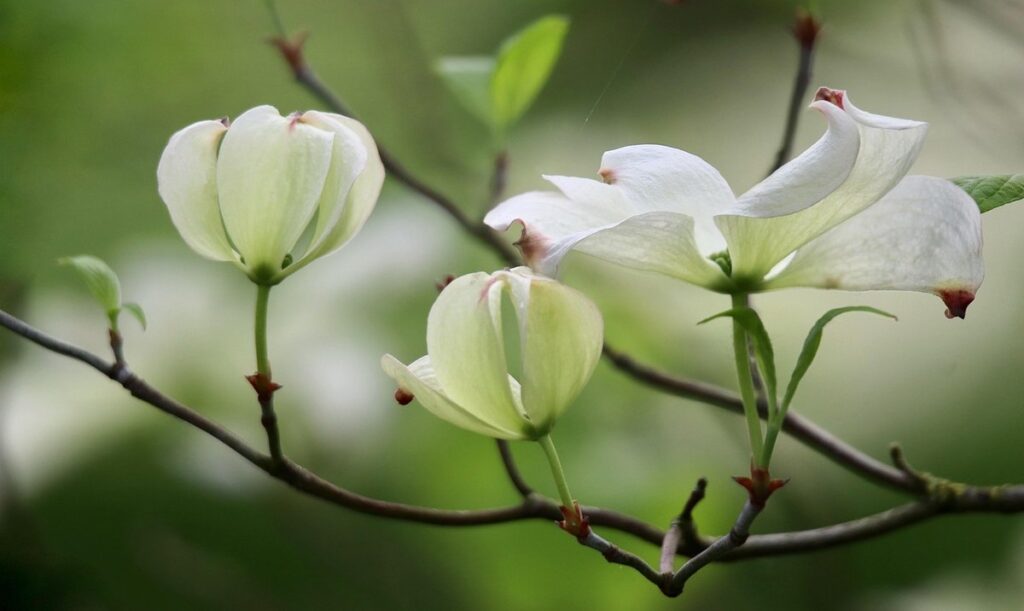
When it comes to flowers, Chinese dogwood produces white or pink blooms in late spring that are often surrounded by showy bracts, giving the appearance of large clusters of flowers. The real showstopper, however, is the fruit, which ripens in late summer and early fall and features a distinctive red or purple color with four or five prominent ridges. This tree’s unique combination of physical characteristics makes it an attractive choice for gardeners seeking something visually striking.
Distinctive Features and Variations
One of the most recognizable features of the Chinese dogwood tree (Cornus kousa) is its stunning display of white or pinkish-red flowers in the spring. However, what sets it apart from other dogwood species are its unique characteristics and variations within the species itself.
The Chinese dogwood tree has a more compact growth habit compared to other dogwoods, typically reaching heights between 15 to 20 feet. Its leaves are also distinct, with a pointed tip and wavy edges that add to the tree’s ornamental appeal.
There are several recognized varieties of the Chinese dogwood tree, including ‘Satomi’, ‘Autumn Rose’, and ‘Moonlight’. These variations offer different flower colors, growth habits, and cold hardiness levels. For instance, ‘Satomi’ produces showy white flowers with a hint of pink, while ‘Autumn Rose’ boasts red-tinted leaves in the fall.
If you’re considering planting a Chinese dogwood tree, be sure to choose a variety that suits your climate and desired level of maintenance. The tree’s unique features and variations offer something for every gardener, from compact spaces to larger landscapes with more flexibility.
Planting and Care
To grow a thriving Chinese dogwood tree, you’ll need to know how to plant it properly and provide regular care that includes watering, pruning, and fertilizing.
Choosing the Right Location
When it comes to planting a Chinese dogwood tree, choosing the right location is crucial for its health and longevity. One of the most important factors to consider is sunlight. Chinese dogwoods prefer full sun to partial shade, so select a spot that receives at least 6 hours of direct sunlight per day. However, if you live in an area with intense heat, providing some afternoon shade can help prevent scorching.
Another key consideration is soil type. Chinese dogwoods thrive in well-draining soils with a pH between 5.5 and 6.5. Avoid planting in areas with standing water or where water tends to collect. In terms of moisture levels, dogwoods prefer regular watering but can tolerate some drought once established. Aim for about 1 inch of water per week, either from rainfall or irrigation.
Be mindful of nearby plantings as well, as Chinese dogwoods can grow quite large (up to 20 feet tall) and spread their branches up to 15 feet wide. Planting them away from power lines, buildings, and walkways will ensure their growth is not obstructed and won’t cause damage.
Watering and Fertilization Requirements
As you continue to care for your Chinese Dogwood tree, it’s essential to understand its specific watering and fertilization needs. This species requires regular moisture, especially during its first year of growth. Water your tree deeply once or twice a week, depending on weather conditions, making sure the soil is moist but not waterlogged. As the tree matures, you can reduce watering frequency, but avoid overwatering which can lead to root rot.
When it comes to fertilization, choose a balanced, slow-release fertilizer (10-10-10 NPK) specifically designed for deciduous trees like Chinese Dogwood. Apply the fertilizer in early spring, following the manufacturer’s instructions for application rates and timing. You can also add an extra dose of phosphorus-rich fertilizer (such as bone meal or fish emulsion) to promote root growth and fruit production.
Keep in mind that overfertilization can harm your tree, so it’s crucial to follow the recommended guidelines. Also, be mindful of any environmental factors like nearby salted sidewalks or roads, which may require additional care to protect your tree from damage.
Maintenance and Pruning
Proper maintenance and pruning of your Chinese dogwood tree are crucial for its overall health, appearance, and longevity. Regular care will keep your tree thriving year after year.
Regular Pruning Practices
Regular pruning is an essential practice for maintaining a healthy and thriving Chinese dogwood tree. By regularly shaping and promoting growth, you’ll encourage a strong structure, prevent disease, and enjoy a beautiful display of flowers and berries.
To shape the tree, focus on removing crossing or rubbing branches to allow for better air circulation and sunlight penetration. Prune back any dead, diseased, or damaged wood to promote healthy growth and prevent the spread of diseases. For branching outwards, remove no more than one-third of the current year’s growth in late winter or early spring.
To promote vertical growth and a narrow profile, prune the tips of branches by about one-quarter to encourage new lateral shoots. Remove any weak or spindly growth to direct energy towards the stronger limbs. Prune before new growth begins in late winter or early spring for optimal results.
Timing is key; avoid pruning during active growth periods, as this can cause stress and lead to disease. With regular maintenance, your Chinese dogwood tree will remain healthy, robust, and visually stunning throughout its lifespan.
Addressing Common Issues and Pests
As you care for your Chinese dogwood tree, it’s essential to be aware of common issues that can affect its health. Pests are one of the primary concerns, and a few species can cause significant damage. The Asian longhorned beetle, for example, is known to infest trees in North America, including the Chinese dogwood. Look out for distinctive round holes with sawdust around them, which indicate an active infestation.
Other pests like aphids, scales, and spider mites may also appear on your tree. Regularly inspect the leaves and branches, and take action if you notice any signs of pest activity. For diseases, fungal infections can be a problem, particularly in humid environments. Look for symptoms like black spots or patches on the leaves, which could indicate a fungal disease.
Nutrient deficiencies are another common issue that can affect the health of your Chinese dogwood tree. Lack of essential nutrients like nitrogen, iron, or zinc can lead to yellowing leaves, stunted growth, and other problems. A soil test will help you determine if nutrient deficiencies are an issue. Address these concerns promptly to prevent more severe damage from occurring. Regular pruning and maintenance will also help keep your tree healthy and pest-free.
Propagation and Cultivation
To successfully grow a Chinese dogwood tree, it’s essential to understand its specific propagation and cultivation needs, which we’ll cover in detail here. This includes the best methods for planting seeds, cuttings, and saplings.
Seed Dispersal and Germination
Collecting and sowing seeds from the Chinese dogwood tree is a viable method for propagation. To achieve this, wait until the capsules on the tree are fully ripe and have burst open, releasing their seeds. This usually occurs in late summer or early fall.
Gently remove the seeds from the capsules by carefully hand-picking them or using a soft-bristled brush to dislodge them without causing damage. Rinse the seeds with water to remove any remaining capsule material.
For optimal germination rates, sow the seeds in a mix specifically designed for seed starting, and keep the soil consistently moist but not waterlogged. Place the container in a location with indirect light and temperatures between 65-75°F (18-24°C).
Sow multiple seeds in each pot to account for variable germination rates, as some seeds may fail to sprout. Keep the soil at a consistent temperature until germination occurs, which can take anywhere from 1-3 months depending on conditions.
Check on the seedlings regularly and transplant them into individual pots once they have developed their first set of true leaves. With proper care, Chinese dogwood seedlings will eventually grow into healthy trees that produce white or pink flowers in late spring.
Grafting and Budding Techniques
When it comes to cultivating new Chinese dogwood trees with desirable traits or characteristics, grafting and budding techniques come into play. These methods allow nurseries and enthusiasts alike to combine the best features of different tree varieties, such as disease resistance, unique foliage patterns, or striking flower colors.
One popular method is grafting, which involves attaching a section of stem (scion) from one tree onto the root system of another (rootstock). This allows you to transfer the desirable traits of the scion tree to the rootstock. For example, you can combine the showy white blooms of ‘Royal Purple’ with the vigorous growth habit of ‘Apple Blossom’. To graft a Chinese dogwood, choose healthy trees with compatible bark types and cut a matching angle on both the scion and rootstock before attaching them using grafting tape.
Another technique is budding, which involves inserting a small portion of stem (bud) from one tree onto the root system of another. Budding can be more challenging than grafting but offers greater control over the resulting tree’s characteristics. By carefully selecting the bud type and rootstock, you can create unique hybrids that exhibit exceptional hardiness or pest tolerance.
Some nurseries use a combination of both techniques to create highly desirable varieties. With practice and patience, these methods enable enthusiasts to grow an almost endless array of Chinese dogwood trees tailored to their specific needs and preferences.
Frequently Asked Questions
Can I grow a Chinese dogwood tree in colder climates?
Yes, with proper protection and care, you can successfully grow a Chinese dogwood tree in zones as low as USDA 4-6. Be sure to plant it in a location that receives full sun and provides some winter protection from harsh winds.
How often should I water my Chinese dogwood tree during its first year?
Water your newly planted Chinese dogwood tree regularly, especially during its first growing season. Aim for about 1 inch of water per week, either through rain or irrigation. Adjust your watering schedule based on the weather conditions and soil type in your area.
Can I propagate a Chinese dogwood tree from seeds or cuttings?
Yes, you can propagate a Chinese dogwood tree using both seed and grafting methods. However, grafting is often preferred as it produces trees with more desirable traits, such as specific flower colors or growth habits. Be aware that Chinese dogwood trees grown from seed may not retain the same characteristics as their parent tree.
Will my Chinese dogwood tree produce berries in a container?
While Chinese dogwood trees can be grown in containers, they are less likely to produce an abundance of berries due to reduced root space and potential nutrient deficiencies. To promote healthy growth and fruiting, choose a large enough container with well-draining soil and a balanced fertilizer.
How long does it take for a Chinese dogwood tree to mature?
A Chinese dogwood tree typically takes 3-5 years to reach its mature height of around 10-20 feet, depending on factors such as climate, soil quality, and pruning practices. Regular maintenance, including pruning and fertilization, will help ensure your tree reaches its full potential in a shorter amount of time.