
If you’re anything like me, you’ve probably cracked open a few duck eggs in your baking endeavors, but have you ever stopped to think about what those eggs actually taste like? Duck eggs are often shrouded in mystery, and for good reason – their flavor profile is distinctly different from that of chicken eggs. With their rich, buttery taste and firm texture, it’s no wonder why chefs and home cooks alike are flocking to duck eggs as a premium ingredient. But what exactly sets them apart? In this article, we’ll take you on a journey through the world of duck eggs, exploring their unique flavor profile, nutritional benefits, and culinary applications – think savory dishes, baked goods, and everything in between. Whether you’re a seasoned foodie or just curious about these versatile eggs, keep reading to uncover the secrets of the duck egg universe!
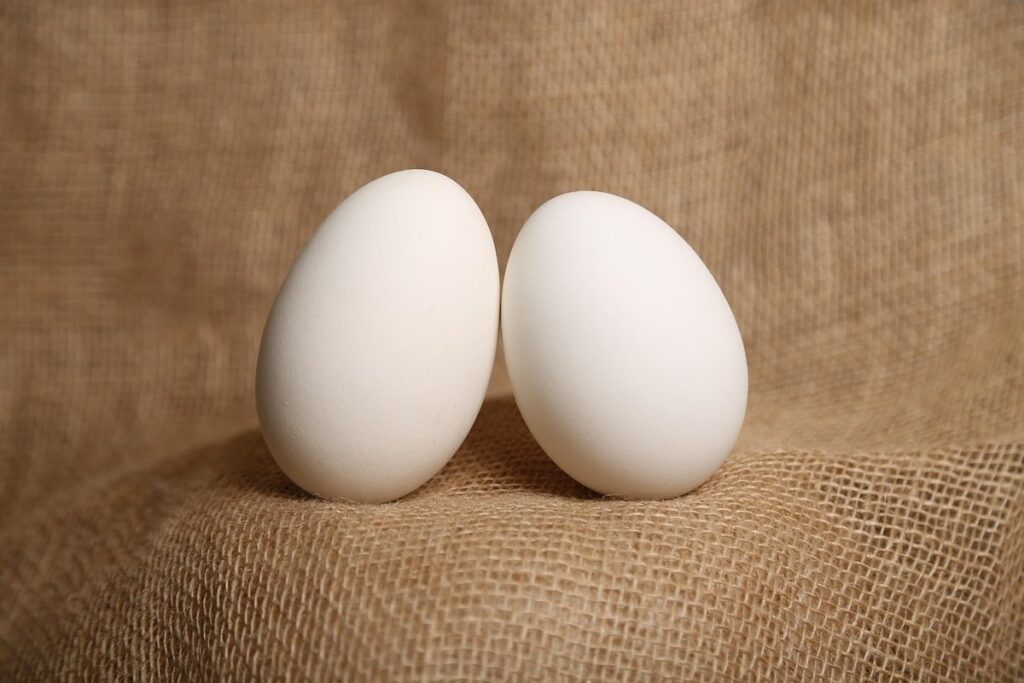
Introduction to Duck Egg Flavor
Duck eggs have a rich, savory flavor that sets them apart from their chicken counterparts. In this section, we’ll delve into what makes duck egg taste so unique and delicious.
What Sets Duck Eggs Apart from Chicken Eggs
When it comes to cooking and baking, duck eggs are often considered a luxury item due to their distinct flavor profile. One of the key factors that sets duck eggs apart from chicken eggs is their higher fat content. Duck eggs contain around 10-12% fat, whereas chicken eggs typically have about 5-6%. This increased fat content contributes to a richer, creamier flavor.
Another significant difference between duck and chicken eggs is their protein structure. The proteins in duck eggs are more tightly bound, resulting in a firmer texture and a more robust taste. Additionally, duck eggs contain less water than chicken eggs, which affects the cooking time and method. This means that when using duck eggs, you may need to adjust cooking times and temperatures to achieve the desired doneness.
Overall, these unique characteristics make duck eggs an excellent choice for recipes where richness and depth are key.
Nutritional Differences Between Duck and Chicken Eggs
When it comes to duck eggs, many people assume that they’re just like chicken eggs, but with a richer flavor. However, one of the key differences between duck and chicken eggs is their nutritional content, which can have a significant impact on their taste profile.
Duck eggs contain more fat and calories than chicken eggs, particularly saturated fats, making them higher in cholesterol. This is because ducks are omnivores, and their diet typically consists of aquatic plants, insects, and small fish, which contribute to the high fat content of their eggs. Additionally, duck eggs have a richer yolk-to-white ratio, meaning they contain more protein and less water than chicken eggs.
The higher nutritional content in duck eggs can make them taste richer and creamier, with a deeper, more complex flavor profile. This is especially noticeable when cooking methods that enhance the natural flavors of the egg are used, such as poaching or boiling. If you’re looking to incorporate more nutrition into your diet without sacrificing flavor, consider using duck eggs in place of chicken eggs in recipes like omelets, frittatas, or baked goods.
Cultural Significance of Duck Eggs in Cuisine
Duck eggs are an integral part of many traditional cuisines around the world, particularly in Asia and Europe. In China, for instance, duck eggs are a staple ingredient in dishes like ‘Century Egg’ and ‘Peking Duck’, where they’re often marinated in clay and spices before being slow-cooked to perfection. Similarly, in Japan, tamagoyaki (Japanese omelette) is often made with duck eggs for their richer, creamier flavor.
In some cultures, duck eggs are considered a delicacy due to their larger size and higher fat content compared to chicken eggs. For example, in the Philippines, balut (fertilized duck egg) is a popular street food that’s boiled and eaten from the shell. These traditions not only highlight the versatility of duck eggs but also demonstrate the significance they hold in various cultures.
When cooking with duck eggs, it’s essential to note that their richer flavor pairs well with robust ingredients like soy sauce, garlic, and ginger. Experimenting with these combinations can help you unlock the full potential of duck eggs in your culinary creations. By understanding the cultural significance of duck eggs, you’ll be better equipped to appreciate their unique characteristics and incorporate them into your cooking repertoire.
Texture and Taste Sensations
When it comes to tasting duck eggs, you’ll notice a richer, creamier flavor profile compared to chicken eggs. Let’s dive into the unique texture and taste sensations they offer.
Cracking Open: The Initial Flavor Experience
When you crack open a duck egg, the initial flavor experience is often described as rich and savory. The texture of the egg white, or albumen, can be slightly firmer than that of chicken eggs due to its higher protein content. This can make for a more velvety mouthfeel when cooked.
The appearance of the yolk, typically golden in color, can also contribute to the first bite experience. Unlike chicken eggs, duck egg yolks have a higher fat content and a buttery flavor that’s often described as nutty or slightly sweet. When cooked sunny-side up or poached, the yolk runs smoothly over the plate, coating your tongue with its rich flavor.
To truly appreciate the unique flavor of duck eggs, try cooking them gently, allowing their natural flavors to shine through. A delicate heat will prevent the egg from becoming rubbery or overcooked, which can mask its signature taste. For a truly indulgent experience, pair duck eggs with dishes that complement their rich flavor profile, such as smoked meats or robust vegetables like asparagus.
Cooking Methods That Enhance Duck Egg Flavor
When it comes to cooking duck eggs, the method you choose can greatly impact their flavor profile. Let’s take a closer look at three popular techniques: boiling, frying, and baking.
Boiling is perhaps the most straightforward method, but it’s not always the best way to showcase the unique taste of duck eggs. When boiled, duck eggs can become slightly rubbery in texture and lose some of their rich flavor due to the high heat. However, a gentle poaching or sous vide cooking method can help retain more of the egg’s natural richness.
Frying is another popular choice for duck eggs, but it requires careful attention to not overcook them. Pan-frying with a neutral oil like canola or grapeseed can enhance the delicate flavor of the eggs without overpowering them. On the other hand, deep-frying can lead to an overwhelmingly greasy taste that masks the egg’s natural characteristics.
Baking is often considered the healthiest option and can yield amazing results. By baking duck eggs in a moderate oven (around 375°F/190°C) for about 25-30 minutes, you can achieve a tender, creamy texture without sacrificing flavor. This method allows the eggs to cook slowly and evenly, bringing out their natural sweetness and richness. Experiment with different seasoning combinations or herbs to elevate your baked duck eggs to new heights!
Seasonal and Freshness Factors Affecting Taste
When it comes to duck eggs, their flavor profile can be significantly impacted by seasonal and freshness factors. For instance, spring-hatched duck eggs tend to have a richer, more buttery taste due to the birds’ diet of fresh grasses and plants during this time. On the other hand, summer-hatched ducks may produce eggs with a slightly sweeter taste as they forage on insects and warm-weather crops.
Feed quality also plays a critical role in determining the flavor profile of duck eggs. Ducks fed with high-quality grains, such as oats or barley, tend to lay eggs with a more robust, savory flavor compared to those fed with low-grade feed. Moreover, ducks raised on pasture tend to have a better omega-3 fatty acid profile, which translates into eggs rich in umami taste.
Freshness is another crucial factor that affects the taste of duck eggs. Eggs from the first week are generally milder and more neutral-tasting than those laid towards the end of the laying cycle. To ensure optimal flavor, it’s essential to consume duck eggs as soon as possible after they’re collected or within a few days if refrigerated promptly.
Comparison with Chicken Eggs
When comparing duck eggs to chicken eggs, one of the most noticeable differences is the richer, earthier flavor profile that duck eggs offer. Let’s explore how they stack up side by side in this comparison.
Taste Similarities and Differences Between Duck and Chicken Eggs
When it comes to substituting duck eggs for chicken eggs in recipes, one of the most notable differences is the taste and texture. Duck eggs have a richer, creamier flavor profile compared to their chicken counterparts. This is due to the higher fat content and larger yolk size found in duck eggs.
In terms of taste similarities, both duck and chicken eggs can be used interchangeably in many recipes. However, if you’re looking for a deeper, more complex flavor, duck eggs are the way to go. The egg white of a duck egg is also thicker and more gel-like than that of a chicken egg, making it ideal for dishes like omelets and frittatas.
When substituting duck eggs for chicken eggs in recipes, keep the following tips in mind: use a 1:1 ratio for most recipes, but note that the larger yolk size may affect the overall texture. For baked goods, you may need to adjust the liquid content due to the higher fat content of duck eggs. Additionally, if using duck eggs in savory dishes, be aware that their richer flavor profile may alter the overall taste balance.
Impact on Baked Goods: How Duck Eggs Change The Game
When it comes to baking with duck eggs, the most noticeable difference is in the richness and depth of flavor they impart to baked goods. In cakes, for instance, duck eggs add a luxurious texture and a subtle sweetness that’s hard to replicate with chicken eggs.
One key advantage of using duck eggs in baked goods is their higher fat content, which contributes to a more tender crumb and a moist texture. This is especially evident in delicate pastries like genoise or sponge cake, where the egg fat content makes all the difference between a dry, crumbling texture and a light, airy one.
In breads, duck eggs enhance the overall flavor profile with a richer, nuttier taste that’s often associated with artisanal baked goods. Cookie bakers also swear by duck eggs for their ability to produce chewier, more complex-flavored cookies that are far from ordinary. To incorporate duck eggs into your baking routine, start by substituting 1:1 in recipes – you may find that a slight reduction in sugar is needed due to the inherent sweetness of duck eggs.
When using duck eggs in baked goods, it’s essential to remember that they have a higher protein and fat content than chicken eggs. This affects both the texture and flavor of your final product.
Regional Variations in Flavor Profile
When it comes to duck eggs, flavor profiles can vary significantly depending on their origin and the breed of duck that laid them. Let’s explore how different regions affect the taste of these delicious eggs.
Asian-Style Duck Egg Dishes and Their Unique Flavors
When it comes to exploring the unique flavor profiles of duck eggs, Asian cuisine offers an array of traditional dishes that showcase their distinct characteristics. In Chinese cooking, a classic example is the stir-fry dish “Salted Duck Egg Stir-Fry,” where rich, savory flavors from fermented salt and soy sauce meld with the smooth texture of the duck egg. Similarly, in Japan, “Tamagoyaki” – a rolled omelette made with duck eggs – boasts an enticing balance between sweet, savory, and umami notes.
Another notable mention is the Indonesian dish “Nasi Goreng,” where fried duck eggs add a burst of richness to the spicy, smoky flavors of sambal chili sauce. These examples demonstrate how Asian-style duck egg dishes consistently highlight the versatility and adaptability of this ingredient in a variety of culinary contexts. To replicate these flavors at home, try incorporating fermented ingredients like salted fish or soybeans into your recipes for added depth and complexity.
When experimenting with traditional Asian duck egg dishes, don’t be afraid to push boundaries by combining contrasting flavors – sweet, savory, spicy, or umami – to create a one-of-a-kind taste experience that’s uniquely yours. This experimentation will not only enhance the inherent flavor profile of duck eggs but also provide valuable insight into how versatile this ingredient can truly be in different cultural and culinary contexts.
European and American Takes on Duck Eggs
In Europe and America, duck eggs are enjoyed in distinct ways that reflect local tastes and traditions. In France, for instance, duck eggs are often pickled in a mixture of vinegar, salt, and spices to bring out their rich flavor. This process, known as “oeufs en gelée,” allows the eggs to absorb the flavors and become a tangy accompaniment to various dishes.
In contrast, American chefs frequently use duck eggs in sweet treats like crème brûlée and creme caramel. The extra moisture content in duck eggs makes them ideal for rich desserts where the egginess needs to be balanced by sweetness. Another popular way to enjoy duck eggs in America is as a breakfast staple – scrambled or fried, they’re often served with bacon, sausage, or hash browns.
When preparing duck eggs, Europeans tend to favor lighter, fresher flavors, while Americans lean towards richer, more indulgent preparations. However, the key difference lies not just in the preparation methods but also in the quality and freshness of the eggs themselves. When using high-quality duck eggs, you can be assured that your dish will have a deeper, more satisfying flavor regardless of how you choose to prepare them.
Tips for Cooking with Duck Eggs at Home
Now that you’ve experienced the rich flavor of duck eggs firsthand, let’s dive into some practical tips for cooking with them at home and unlocking their full potential.
Preparing and Handling Duck Eggs in Your Kitchen
When working with duck eggs, it’s essential to store them properly to maintain their quality and safety. Unlike chicken eggs, duck eggs have a thicker shell that can be prone to cracking if not handled carefully. To prevent this, gently place the eggs in a single layer on the bottom shelf of your refrigerator, making sure they’re not stacked on top of each other.
When handling duck eggs, be aware that their larger size and weight can make them more challenging to crack safely. Use a rolling pin or the blunt side of a knife to create a small indentation at the large end of the egg before cracking it. This will help prevent shell fragments from getting into the egg.
To cook duck eggs safely, ensure they reach an internal temperature of 165°F (74°C) to kill any bacteria that may be present. Boiling, frying, and poaching are all viable cooking methods for duck eggs. When boiling, use a timer to monitor the cooking time, as duck eggs typically take around 10-12 minutes to cook through.
When frying or poaching duck eggs, adjust the cooking time based on your preference for doneness. Keep in mind that overcooking can result in an unpleasant texture and flavor.
Tips for Baking and Cooking With Duck Eggs
When substituting duck eggs in recipes, keep in mind that their richer flavor and thicker whites require some adjustments. Start by using one to two duck eggs for every three chicken eggs called for, as duck eggs have a larger volume.
Adjusting liquid content is crucial due to the higher fat content in duck eggs. When baking with duck eggs, reduce the amount of liquid ingredients by about 10-15% to prevent excess moisture. Conversely, when cooking methods like sautéing or frying are used, you may need to add more oil or fat to compensate for the richer flavor and texture.
When working with duck eggs, it’s also essential to be mindful of their thicker whites. They can take longer to whip up and might not hold air as well as chicken egg whites. To get around this issue, try adding a pinch of salt or cream of tartar to help stabilize the mixture.
Another tip is to use duck eggs in dishes where a richer flavor is desired. For example, making pasta carbonara with duck eggs adds depth and richness to the dish.
Conclusion: The Allure of Duck Egg Flavor
Now that we’ve explored the unique characteristics and uses of duck eggs, let’s dive into what makes their flavor truly special. The allure of duck egg flavor is worth savoring.
Why the Unique Taste of Duck Eggs Is Gaining Popularity Worldwide
Duck eggs have been gaining popularity worldwide, and it’s not hard to see why. Their unique taste is a game-changer for chefs and home cooks alike. One of the main reasons duck eggs are becoming increasingly sought after is their versatility in various cuisines. Whether you’re cooking Asian-style stir-fries or Italian risottos, duck eggs bring a richness and depth that’s unmatched by chicken eggs.
In Asian cultures, duck eggs are a staple ingredient, often used in dishes like Pad Thai and spring rolls. The creamy texture and subtle flavor of the yolks pair perfectly with the bold flavors of spices and sauces. In contrast, Western chefs are now discovering the versatility of duck eggs in modern recipes, from hollandaise sauce to decadent chocolate cakes.
Another factor contributing to the rise of duck eggs is their unique nutritional profile. With a higher fat content than chicken eggs, duck eggs provide a more satisfying and filling meal option. Additionally, they’re often higher in protein and vitamins A and E, making them an attractive choice for health-conscious consumers.
The growing interest in artisanal and specialty foods has also contributed to the popularity of duck eggs. Many small-scale farmers are now raising heritage breeds specifically for their eggs, which commands a premium price due to their exceptional flavor and quality. As consumers become more aware of the benefits of locally sourced, sustainable ingredients, duck eggs have become an attractive choice for those seeking a more authentic culinary experience.
Frequently Asked Questions
Can I use duck eggs as a direct substitute for chicken eggs in any recipe?
Yes, you can use duck eggs as a 1:1 substitute for chicken eggs in many recipes, but keep in mind that the rich flavor and higher fat content of duck eggs may affect the final product’s texture and taste. It’s always best to start with small batches to ensure the desired outcome.
How do I store duck eggs properly to maintain their freshness and flavor?
To keep duck eggs fresh for an extended period, it’s essential to store them in a cool, dry place away from direct sunlight. You can also refrigerate or freeze them, but make sure to follow proper handling and thawing procedures to prevent damage.
What are some common mistakes home cooks make when working with duck eggs?
Common mistakes include overcooking the eggs, which can result in an unpleasantly hard texture, and not accounting for the higher fat content, which can affect the final product’s consistency. Additionally, using old or low-quality duck eggs can compromise their flavor and quality.
Can I use duck eggs in savory dishes beyond baking?
Yes, duck eggs are a versatile ingredient that can be used in various savory applications, such as making pasta, risotto, or even as a substitute for traditional egg dishes like omelets or frittatas. Their rich flavor and creamy texture make them an excellent addition to many recipes.
How do I incorporate duck eggs into my diet without breaking the bank?
While duck eggs can be pricier than chicken eggs, there are ways to incorporate them into your diet affordably. Consider purchasing in bulk, using them in dishes where a single egg is sufficient, and experimenting with recipes that utilize smaller portions of duck eggs.