
Feeding ducks bread may seem like a harmless activity, but the truth is, it’s causing more harm than good. As a duck enthusiast or simply someone who loves spending time outdoors, you’ve likely fallen victim to this well-intentioned but misguided practice at some point. However, did you know that feeding bread to ducks can have severe consequences for their health and the ecosystem as a whole? From malnutrition to water pollution, the effects are far-reaching and detrimental.
In this article, we’ll delve into the reasons why feeding ducks bread is a menace to their well-being and the environment. We’ll explore the negative impacts and provide you with nutritious food alternatives that promote healthy wildlife interaction. By joining the movement towards responsible wildlife interaction, you can make a positive difference in the lives of these amazing creatures. Let’s dive in and discover how we can feed ducks responsibly!
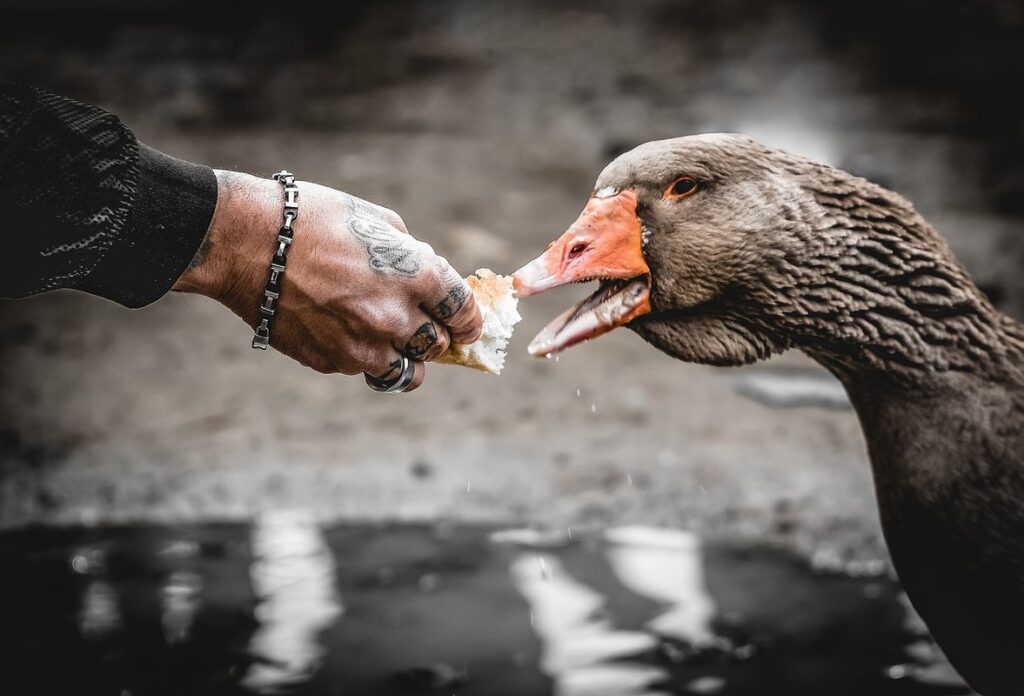
Why Do People Feed Ducks Bread?
Many people feed ducks bread, but have you ever wondered why they do it and what the consequences are for these beautiful birds and their environment. Let’s explore this interesting topic together.
History and Cultural Significance
Feeding ducks bread has become a widespread practice, especially in urban parks and lakes. But have you ever stopped to think where this tradition came from? The origins of feeding ducks bread date back to the 19th century in England, when it was seen as a symbol of goodwill towards the poor. However, over time, the act of feeding bread to ducks evolved into a form of entertainment for visitors.
In many cultures, feeding ducks is now considered a popular pastime, often associated with children’s visits to parks and lakes. For instance, in Japan, duck-feeding has become an integral part of cherry blossom viewing (Hanami) festivities. People continue to feed bread to ducks because it provides a sense of connection with nature and allows them to create lasting memories.
However, as we delve deeper into the consequences of feeding bread to ducks, it’s essential to acknowledge the cultural significance behind this practice. Understanding its history can help us approach alternative methods of interacting with these amazing creatures in a more responsible manner.
The Role of Tourism and Local Businesses
When it comes to feeding ducks bread, local businesses and tourism industries often play a significant role in perpetuating this practice. In many popular tourist areas, duck-feeding becomes an enticing attraction for visitors, who are drawn by the promise of interacting with these charming creatures. To capitalize on this appeal, some local businesses may even promote or encourage feeding ducks bread as a way to drive sales and increase foot traffic.
For instance, a park might have vendors selling bread specifically for duck-feeding, or a restaurant might offer “duck-friendly” menus that feature food meant to be fed to the birds. Even official tourist boards may inadvertently contribute to the problem by including duck-feeding in their promotional materials as an activity to enjoy during a visit.
However, this trend can have unintended consequences on both the ducks and their environment. When large numbers of tourists feed bread to ducks regularly, it can lead to overpopulation, aggression towards humans, and nutrient imbalances that harm the birds’ health. As visitors, we can play a crucial role in breaking this cycle by choosing not to feed ducks bread and instead exploring alternative ways to engage with these creatures.
Why Feeding Ducks Bread Is Harmful
Feeding ducks bread might seem harmless, but it can lead to serious health problems for these waterfowl. Let’s explore why bread is not a suitable food source for ducks.
Health Risks for Waterfowl
Feeding bread to ducks may seem harmless, but it poses significant health risks to these waterfowl. Malnutrition is a major concern, as bread lacks essential nutrients and fiber that ducks require for optimal health. This leads to a host of problems, including impaired growth and development, weakened immune systems, and reproductive issues.
Digestive problems are another issue with bread consumption in ducks. The high carbohydrate content can cause gastrointestinal upset, including diarrhea, vomiting, and stomach cramps. In severe cases, this can lead to life-threatening conditions such as bloat or intestinal blockages. For instance, a study conducted in the UK found that 40% of bread-fed waterfowl suffered from digestive issues.
Moreover, feeding ducks bread has been linked to increased mortality rates. The lack of essential nutrients and high sugar content can lead to starvation, even when food is readily available. In fact, research suggests that up to 80% of bread-fed ducks die prematurely due to malnutrition-related complications. By switching to a balanced diet and providing nutrient-rich foods, you can significantly reduce the risk of health problems in waterfowl.
Impact on Local Ecosystems
When you feed bread to ducks, it’s easy to think that you’re doing them a favor. However, overfeeding can have far-reaching consequences for local ecosystems. For instance, an abundance of bread can lead to a surge in duck populations, which in turn puts pressure on the surrounding environment.
This can be especially problematic when other wildlife starts to rely on the same food source. Birds like gulls and pigeons may begin to frequent the area in search of easy meals, competing with native species for resources. In some cases, this competition can lead to a decline in their numbers or even drive them out of their natural habitats.
The impact doesn’t stop there: an overabundance of bread can also disrupt the local plant life. For example, if ducks start to nest on the ground due to the availability of food, it can lead to erosion and degradation of soil quality. To mitigate these effects, consider choosing alternative foods for ducks that are nutrient-rich and sustainable.
Alternatives to Feeding Ducks Bread
When it comes to treating these charming waterfowl, we’ll explore some healthy and environmentally-friendly alternatives to feeding ducks bread that are easy to implement. These simple swaps will help you make a positive impact on local wildlife.
Nutritious Food Options for Waterfowl
Feeding waterfowl nutritious food options is essential to ensure their overall health and well-being. When it comes to providing alternative foods, duck pellets are a great option as they contain all the necessary nutrients for ducks to thrive. These pellets can be found at most pet stores or online and come in various formulas tailored to meet the specific needs of waterfowl.
In addition to duck pellets, you can also offer a variety of fruits and vegetables such as lettuce, spinach, carrots, and apples. Fruits are an excellent source of vitamins and minerals, while leafy greens like kale and collard greens provide essential iron and calcium. Berries like blueberries and raspberries are also great additions to their diet.
Insects can also be a nutritious treat for ducks, especially crickets and mealworms. These insects are rich in protein and can be given as an occasional snack. Just remember to introduce new foods gradually and in moderation to avoid digestive issues.
By making these simple changes to your feeding routine, you can significantly improve the health of local waterfowl populations while also teaching children about responsible wildlife management and the importance of nutrition for animals.
How to Implement Changes in Your Community
Implementing changes in your community requires a collaborative effort from local residents, park administrators, and authorities. One way to promote alternative feeding practices is by organizing a “Duck-Friendly” initiative. Start by gathering a team of like-minded individuals who share the same concern about bread feeding’s impact on waterfowl health.
Reach out to local park administrators or wildlife experts to discuss potential solutions, such as installing duck feeders that dispense healthy foods like corn, oats, or vegetables. You can also involve authorities in implementing signage and education programs to inform visitors about the negative effects of bread feeding.
Involving the community is crucial for a successful campaign. Organize public events, workshops, or social media campaigns to raise awareness about the issue and promote alternative feeding methods. For instance, you could host a “Duck Day” event where participants bring healthy foods for ducks and learn about responsible feeding practices from experts.
By working together and promoting education and awareness, local residents can contribute to creating a more duck-friendly community that supports the well-being of these beautiful birds.
The Impact of Social Media and Education
As you explore the unintended consequences of feeding ducks bread, it’s essential to consider how social media influences our perceptions and behaviors around wildlife conservation. Let’s examine the impact of social media on education about responsible duck feeding.
Influencing Public Perception Through Social Media
Social media has become an essential tool in shaping public opinion and behavior regarding duck feeding. On one hand, social media platforms have raised awareness about the negative consequences of feeding ducks bread. For instance, a viral video showing ducks dying from eating too much bread sparked widespread concern and discussion online. This sparked a movement to educate people on the importance of not feeding ducks bread.
However, on the other hand, social media also perpetuates some myths and misconceptions about duck feeding. Some people claim that ducks need bread as food, when in fact, it’s detrimental to their health. Others share photos of happy-looking ducks with bread in their beaks, reinforcing the idea that feeding them is harmless.
To effectively influence public perception through social media, consider sharing educational content from reputable sources, such as park rangers or wildlife experts. You can also use hashtags like #ducksarentpets or #breadisbad to spread awareness and encourage responsible behavior. By doing so, you’ll be helping to create a ripple effect of change, promoting a healthier environment for ducks and the ecosystem as a whole.
Educating the Public About Duck Welfare
Educating the public about duck welfare is crucial to mitigate the negative impacts of bread feeding. Many organizations and individuals are working towards this goal through various initiatives. For instance, the “Feed the Ducks Right” campaign by the City of London’s Parks Department aims to raise awareness about responsible wildlife interaction. This campaign provides tips on what to feed ducks, including fruits, vegetables, and specialized duck food, while emphasizing that bread is not a suitable option.
Another example is the work being done by local animal welfare groups, such as the RSPCA in the UK. These organizations offer educational resources and workshops to inform people about the consequences of bread feeding on duck populations. They also provide advice on how to identify and address potential health issues resulting from improper nutrition.
When educating others about responsible wildlife interaction, it’s essential to be clear and concise. You can start by explaining the reasons why bread is not suitable for ducks, such as the risk of malnutrition and the promotion of aggressive behavior. By sharing your knowledge with friends and family, you can help create a ripple effect in promoting better duck welfare practices.
Local Efforts to Address the Issue
Many local communities are taking proactive steps to educate residents and promote duck-friendly alternatives, making a significant impact on this ongoing issue. Let’s take a look at some of these inspiring initiatives.
Successful Case Studies from Around the World
Cities around the world are taking steps to educate their residents about the risks associated with feeding bread to ducks. One notable example is Toronto, Canada, where a public awareness campaign was launched in 2017 to discourage bread feeding. The campaign included posters, social media ads, and even duck-friendly alternatives such as sunflower seeds.
In Sydney, Australia, the city’s council implemented a by-law making it an offense to feed ducks bread in certain areas. This move has been credited with significantly reducing the number of bread-related incidents involving ducks.
Another notable example is the city of Paris, where the authorities introduced a program to provide alternative food sources for waterfowl. The program included installing duck feeding stations and providing information on the importance of not feeding bread.
By learning from these examples, we can implement similar strategies in our own communities to promote healthy habits around feeding ducks.
Challenges Faced by Local Authorities
Local authorities face significant challenges when trying to address the issue of people feeding ducks bread. One major hurdle is the lack of resources available to tackle this problem effectively. Many parks and public spaces where duck-feeding is prevalent are underfunded, making it difficult for local governments to employ sufficient staff or budget for necessary initiatives.
Moreover, there’s often a disconnect between what the authorities want to achieve and the opinions of the public. While many people recognize the negative impact of feeding ducks bread, others may not see the issue as pressing or may even view it as a harmless activity. This divide can make enforcement efforts challenging, as local authorities struggle to balance their responsibilities with public expectations.
Enforcement difficulties are another significant challenge faced by local authorities. Without clear policies and effective strategies in place, trying to discourage people from feeding ducks bread can be an uphill battle. Additionally, the process of changing habits and attitudes towards these waterfowl requires time, patience, and consistent effort, which can be hard to sustain without adequate resources.
Conclusion: Moving Forward Together
As we wrap up our exploration of the dark side of feeding ducks bread, let’s discuss how you can make a positive impact on these feathered friends and their habitats moving forward.
The Importance of Collective Action
As we conclude our exploration of the dark side of feeding ducks bread, it’s essential to acknowledge that individual actions can have a significant impact when combined with collective efforts. The consequences of this habit are far-reaching and multifaceted, affecting not only the health of waterfowl populations but also the broader ecosystem.
Communities around the world have already taken steps towards making positive changes. In many parks and public spaces, signs are being erected to discourage bread feeding. These initiatives often rely on community engagement and awareness-raising efforts. By joining forces with local authorities, wildlife experts, and concerned citizens, we can create lasting change.
Individuals play a crucial role in this collective action. Simple actions like choosing alternative food sources or disposing of trash properly can have a significant impact when replicated by many people. For instance, if you visit your local park regularly, consider carrying duck-friendly snacks like lettuce, kale, or oats to feed the ducks. Not only is this a healthier option for the birds but also a more sustainable choice.
Beyond individual actions, authorities must also take responsibility in addressing this issue. Implementing effective waste management systems and monitoring water quality can help mitigate the negative effects of bread feeding. Furthermore, community-led initiatives can be integrated into urban planning and park development to promote wildlife-friendly environments.
By working together – as individuals, communities, and authorities – we can create a healthier environment for waterfowl populations to thrive in.
Frequently Asked Questions
Can I still visit parks or lakes where ducks live if I don’t feed them bread?
Yes, visiting parks and lakes where ducks live can be a wonderful way to connect with nature and observe these amazing creatures. In fact, not feeding them bread is a responsible choice that promotes their health and well-being. You can enjoy watching ducks and other wildlife without contributing to the harm caused by bread feeding.
How do I know if the ducks in my area are already being fed nutritious food alternatives?
To determine if ducks in your area are being fed healthy options, observe what’s being offered during your visits. Look for signs or notices indicating that certain foods are provided for the ducks. You can also reach out to local park rangers or wildlife experts to inquire about their feeding practices.
What happens if I accidentally feed a duck bread when I’m trying to do the right thing?
Don’t worry, it’s an easy mistake to make! If you accidentally feed a duck bread, try not to stress. Instead, focus on making positive changes in the future and encouraging others to join you in feeding ducks responsibly.
How can I involve my community or local business in promoting responsible wildlife interaction?
You can start by organizing events, workshops, or educational programs that teach people about the importance of feeding ducks nutritious food alternatives. Partner with local businesses to offer special promotions or discounts for visitors who participate in responsible wildlife viewing practices. This is a great way to make a positive impact and create a ripple effect.
What are some common myths or misconceptions about feeding ducks bread, and how can I address them?
Some people may think that feeding ducks bread is harmless or even beneficial. However, this couldn’t be further from the truth! Addressing these misconceptions can be as simple as sharing credible sources and research with friends and family, or engaging in conversations on social media to raise awareness about the issue.