
Are you fascinated by these stealthy hunters? Praying mantis egg sacs are a fascinating sight to behold, but did you know that they require special care to hatch and rear successfully? As an insect enthusiast, understanding how to identify and care for praying mantis eggs sacs is crucial if you want to raise healthy and thriving nymphs. In this article, we’ll delve into the characteristics of these egg sacs, providing you with essential tips on how to spot them in your garden or backyard. We’ll also cover the correct methods for caring for them until they hatch and the best techniques for rearing their young. By the end of this guide, you’ll be well-equipped to handle praying mantis eggs sacs like a pro!
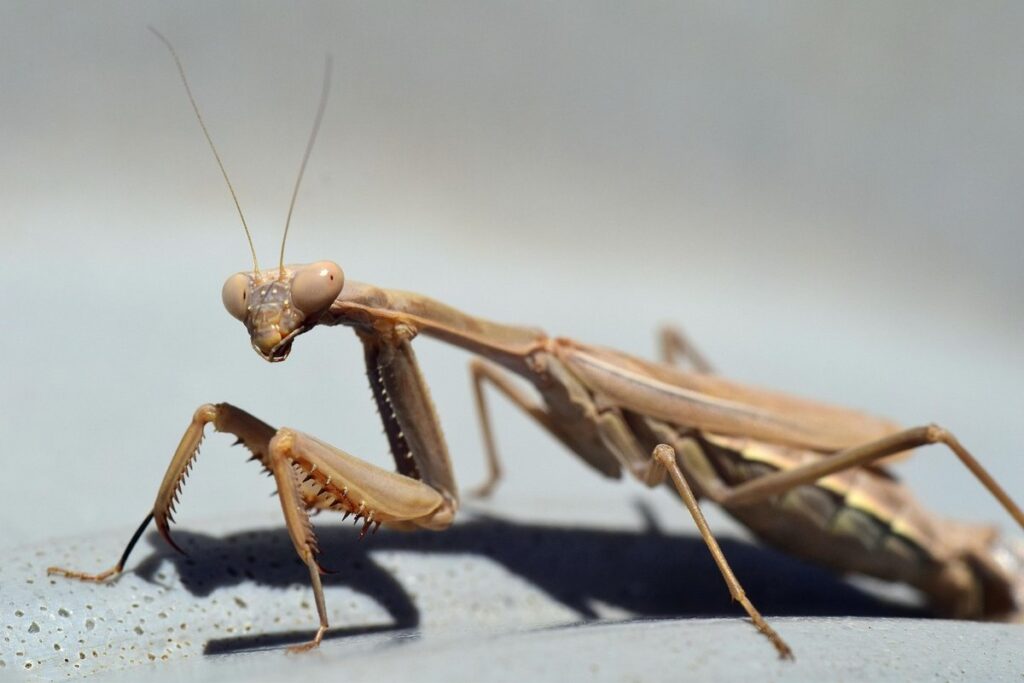
What are Praying Mantis Egg Sacs?
At first glance, praying mantis egg sacs can be a mystery to identify and understand, but knowing what they look like is key to successful care. Let’s start by exploring their unique characteristics.
Characteristics of Praying Mantis Egg Sacs
Praying mantis egg sacs are remarkable structures that showcase the unique reproductive strategy of these fascinating insects. When you examine an egg sac up close, you’ll notice its physical appearance is quite distinct from other insect eggs. The typical shape of a praying mantis egg sac is oval or spherical, ranging in size from 1 to 3 inches (2.5 to 7.6 cm) in length, depending on the species.
The coloration of praying mantis egg sacs can vary significantly, but they often appear as white or pale yellowish masses with a smooth texture. Some egg sacs may display subtle patterns or markings, which can help you identify the specific praying mantis species. For example, the Chinese mantis egg sac is typically lighter in color and has a more elongated shape compared to the Carolina mantis.
When handling an egg sac, be gentle, as they are fragile and prone to damage. Avoid touching the eggs directly, as your oils can harm the developing young. If you’re planning to raise praying mantis from eggs, it’s essential to handle the egg sacs with care to ensure their survival and development.
Importance of Identifying Egg Sacs Correctly
Accurately identifying egg sacs is crucial for praying mantis enthusiasts and caregivers. One of the most significant mistakes made when dealing with egg sacs is misidentifying them as actual eggs. Praying mantis egg sacs are typically large, ovoid or rounded structures that contain hundreds of eggs. If you mistake an egg sac for actual eggs, you may inadvertently disturb or damage it, leading to a failed hatching process.
Conversely, failing to identify an egg sac can also have consequences. Some species of insects and spiders mimic the appearance of praying mantis egg sacs, which can lead to incorrect handling and care. This is especially true for beginner enthusiasts who may not be familiar with the unique characteristics of praying mantis egg sacs.
To avoid these mistakes, it’s essential to study and learn about the different stages of a praying mantis egg sac’s development. By recognizing the distinct appearance of an egg sac at various stages, you’ll be able to provide optimal care and ensure successful hatching. A close examination of the sac’s shape, color, and texture will help you make an accurate identification.
Types of Praying Mantis Egg Sacs
Let’s dive into the fascinating world of praying mantis egg sacs, and explore the different types you might encounter in your insect-keeping journey. From oothecae to egg clusters, we’ll take a closer look.
Oothecae vs. Egg Cases: What’s the Difference?
When it comes to praying mantis egg sacs, you may come across two terms: oothecae and egg cases. While they’re often used interchangeably, there is a subtle difference between the two.
Oothecae are the actual egg sacs produced by female praying mantises, which can range in size from 1 to 5 inches (2.5 to 13 cm) or more, depending on the species. These egg sacs contain hundreds of eggs and are usually spherical or oval in shape. Oothecae are attached to a leaf or branch using silk threads produced by the female mantis.
Egg cases, on the other hand, refer specifically to the protective casing around the ootheca that helps safeguard it from predators and environmental damage. Egg cases can be made of plant material, such as leaves or twigs, and serve as an additional layer of protection for the developing eggs within the ootheca. Not all praying mantis species produce egg cases; some simply rely on the natural camouflage provided by their surroundings.
It’s essential to note that not all oothecae are created equal, and some may require specialized care or handling. For example, if you’re interested in breeding praying mantises, understanding the differences between oothecae and egg cases can help ensure the optimal development of your specimens.
Size Variations in Praying Mantis Egg Sacs
When it comes to praying mantis egg sacs, one of the most fascinating aspects is the significant variation in size among different species and even within the same species. The size of an egg sac can be influenced by various factors such as the type of praying mantis, its nutritional intake, and environmental conditions.
For example, the Chinese Mantis (Tenodera aridifolia) typically lays larger egg sacs compared to the Carolina Mantis (Stagmomantis carolina). This is because the Chinese Mantis requires more nutrients to support its massive size and rapid growth rate. On the other hand, the smaller species like the Orchid Mantis (Hymenopus coronatus) produce much smaller egg sacs.
In addition to species variation, environmental conditions also play a crucial role in determining egg sac size. For instance, praying mantis living in areas with abundant food supply tend to produce larger egg sacs due to their increased nutritional intake. In contrast, those inhabiting areas with limited resources may have smaller egg sacs as a result of reduced nutrition.
Understanding the factors that influence egg sac size is essential for proper identification and care of these delicate insects.
Identification of Praying Mantis Egg Sacs
Identifying a praying mantis egg sac can be tricky, but knowing what to look for will make it easier. In this next part, we’ll walk you through the key characteristics of these delicate structures.
Field Guide to Praying Mantis Egg Sacs
Praying mantis egg sacs come in diverse shapes, sizes, and colors across various species. Here are some illustrations of notable species’ egg sacs to aid in identification.
* Carolina Mantis (Stagmomantis carolina): Oval-shaped, brown or greenish-brown with a pattern of white or light gray markings.
* Chinese Mantid (Tenodera aridifolia): More elongated than the Carolina Mantis egg sac, often pale yellow or beige with darker spots.
* Budwing Mantis (Parasphendale affinis): Brownish-yellow to tan in color and slightly flattened in shape.
In addition to these distinct visual differences, pay close attention to size. Larger species like the Chinese Mantid can lay egg sacs measuring up to 10 inches in length. Smaller species, such as the Budwing Mantis, have smaller egg sacs. Understanding these variations helps ensure accurate identification and proper care.
Common Misidentifications and Lookalikes
Identifying praying mantis egg sacs can be challenging, especially for beginners. One of the common mistakes is misidentifying a small cluster of eggs as an egg sac. For example, a group of aphids or tiny insects might resemble an egg sac, but they’re actually aggregating for protection.
Another lookalike is a cluster of mold or fungal growth on twigs and branches. This can be mistaken for an actual egg sac, especially if it’s covered in small, white eggs that appear to be contained within the cluster. However, upon closer inspection, you’ll notice that these “eggs” are actually just spores or fungal hyphae.
To avoid misidentifying an egg sac, examine the entire structure carefully. Praying mantis egg sacs usually have a distinctive shape and size, with eggs arranged in a specific pattern within a protective case made of silk threads. They often stick to leaves or twigs as well. If you’re still unsure, consider using a magnifying glass or consulting a field guide for further guidance.
Care and Handling of Praying Mantis Egg Sacs
To ensure the health and success of your praying mantis eggs, it’s crucial to properly care for and handle these delicate egg sacs during their entire development process. We’ll walk you through each step of handling them carefully.
Safe Habitat Conditions for Praying Mantis Eggs
To create a safe and healthy environment for praying mantis eggs, it’s essential to provide them with suitable habitat conditions. Praying mantis eggs are extremely sensitive to temperature fluctuations, humidity levels, and lighting. The ideal temperature range for incubating praying mantis eggs is between 65°F (18°C) and 75°F (24°C). This narrow temperature window is crucial for the eggs’ development.
Maintaining a humid environment is also vital. Praying mantis eggs thrive in humid conditions, with a relative humidity of 60-80%. You can achieve this by covering the egg sac with a damp cloth or placing it on a tray filled with water and pebbles. However, be cautious not to over-humidify, as this can lead to mold growth.
Avoid direct sunlight, which can cause the eggs to overheat. Instead, place the egg sac in a spot with indirect, low-level lighting. This will help regulate the temperature and prevent any potential harm to the developing mantis inside. By replicating their natural habitat conditions, you’ll be well on your way to successfully incubating these delicate eggs.
Avoiding Common Pitfalls in Egg Sac Care
When caring for praying mantis egg sacs, it’s easy to fall into common pitfalls that can harm the developing nymphs. One of the most critical mistakes is over-handling. Praying mantis egg sacs are delicate and can be damaged by excessive touch or manipulation. Try to handle them only when absolutely necessary, and make sure your hands are clean and dry to prevent transferring bacteria.
Inadequate ventilation is another common issue that can lead to fungal growth and reduced hatch rates. Make sure the container has adequate air exchange, ideally with a mesh top or screen that allows for airflow while keeping pests out. You can also place a small fan nearby to gently circulate the air.
It’s also essential to keep egg sacs away from direct sunlight, which can cause overheating and kill the developing nymphs. Maintain a consistent temperature between 65-75°F (18-24°C) and ensure the container is not placed near heating vents or radiators. By avoiding these common mistakes, you’ll be well on your way to successfully incubating praying mantis eggs sacs.
Hatching and Rearing Praying Mantis Nymphs
Once you’ve successfully hatched your praying mantis nymphs, it’s essential to provide them with optimal care to ensure they grow strong and healthy. This section covers the specific needs of these delicate creatures during their formative stages.
Stages of Development from Eggs to Nymphs
When praying mantis eggs sacs hatch, it’s not immediately apparent that they are actually tiny nymphs inside. However, as you observe them closely, you’ll notice the different stages of development from egg hatching to nymph emergence.
The first stage is called an ootheca – this is when a newly hatched egg sac opens up and you see small, white, worm-like creatures emerging. These are actually tiny nymphs that have already molted out of their eggshell before being released into the world.
As they grow, these nymphs will go through several molts, each time increasing in size and developing more pronounced features such as eyes, legs, and a longer body shape. It’s essential to provide them with a suitable environment during this stage – make sure they have plenty of ventilation, food, and space to move around.
After about 4-6 weeks, you’ll start noticing that the nymphs are getting closer to their adult form. At this point, they will begin to develop wings and reproductive organs, which will eventually become visible after a few more molts. This stage can take anywhere from 2-3 months, depending on various factors like food availability, temperature, and humidity levels.
Essential Nutritional Requirements for Growing Nymphs
As your praying mantis nymphs grow and develop, it’s essential to provide them with the right nutrients for optimal health. Growing nymphs require a diet rich in protein, which is typically obtained from live prey. In the wild, praying mantis nymphs feed on small insects like aphids, flies, and spiders. To replicate this in captivity, offer your nymphs a variety of live prey items such as fruit flies, crickets, or mealworms.
When feeding your nymphs, it’s crucial to provide them with food that is about 1/3 to 1/2 their body size. This ensures they can consume the entire insect without struggling or getting injured. Avoid underfeeding, as this can lead to stunted growth and weakened immune systems. Feed your nymphs daily, and consider offering a variety of prey items to prevent boredom and stimulate hunting behavior.
Remember, the key is to provide a balanced diet that meets their nutritional needs at each stage of development.
Pest Control and Praying Mantis Egg Sacs
When encountering praying mantis egg sacs, it’s essential to understand how to safely handle and care for them to prevent pest control issues from arising in your garden. Effective management of these eggs is crucial for a healthy ecosystem.
Potential Risks Associated with Praying Mantis Eggs
When introducing praying mantis eggs into your garden or greenhouse, it’s essential to consider potential risks associated with their presence. One primary concern is the impact on beneficial insects. Praying mantis are voracious predators that feed on other insects, including bees, butterflies, and other pollinators.
In gardens reliant on these beneficial insects for pollination, introducing praying mantis eggs can disrupt the delicate balance of your ecosystem. For example, a study in Florida found that praying mantis populations significantly reduced monarch butterfly numbers. Similarly, greenhouses often rely on specific insect species for pest control; introducing praying mantis eggs could inadvertently harm these beneficial pests.
To mitigate these risks, consider using praying mantis eggs as part of an integrated pest management strategy. This may involve releasing them in areas with high pest pressure and monitoring their populations to prevent over-reliance on a single predator. Additionally, ensure you’re purchasing eggs from reputable suppliers that can provide guidance on responsible release practices.
Non-Toxic Methods for Controlling Pests Around Egg Sacs
When it comes to protecting your praying mantis egg sacs from pests, you want to avoid using toxic chemicals that can harm the delicate eggs and newly hatched nymphs. Instead, consider implementing integrated pest management (IPM) strategies that combine physical barriers, traps, and non-toxic deterrents.
One effective method is to create a barrier around the egg sac using fine mesh or netting. This will keep pests like ants, spiders, and flies from reaching the eggs while allowing air and water circulation. For example, you can place a small piece of mesh over the top of the egg sac and secure it with a clip or tape.
Another approach is to use sticky traps near the egg sacs to capture any wandering pests. Place these traps about 6-8 inches away from the eggs, making sure they won’t interfere with the mantis’ movement. You can also try using diatomaceous earth (DE) powder around the egg sacs as a non-toxic deterrent for slugs and snails.
Remember to monitor your egg sacs regularly for signs of pests and take action promptly if you notice any issues. With careful planning and execution, you can protect your praying mantis eggs from harm while ensuring their successful hatching and development.
Conclusion
Now that you’ve made it through our comprehensive guide, let’s recap what we’ve covered and provide some final tips for successfully raising your praying mantis eggs sac to adulthood.
Recap of Key Points and Takeaways
In wrapping up our comprehensive guide to praying mantis egg sacs, let’s recap the essential information covered and highlight key takeaways for you to remember. First and foremost, it’s crucial to understand that not all egg sacs are created equal – only those with a distinctive “M” or “V” shape are likely to be female praying mantis eggs.
When it comes to identification, look out for the size, color, and texture of the egg sac, as well as any potential predators or parasites that may be present. Remember, male praying mantis do not produce egg sacs, so if you’re seeing a cluster of eggs, it’s likely from a female.
In terms of care, make sure to provide a safe environment with plenty of food and water for your praying mantis egg sac. Keep in mind that the female will typically seal herself away with her eggs before they hatch, so don’t be alarmed if you don’t see any activity at first.
To sum it up, identifying a praying mantis egg sac requires attention to detail and knowledge of the species’ unique characteristics. With proper care and patience, these fascinating insects can thrive under your care.
Final Thoughts on Praying Mantis Eggs and Care
As you conclude this comprehensive guide on praying mantis egg sacs, remember that proper care and handling are crucial for their survival. You’ve learned about the unique characteristics of these egg sacs, from their brownish-yellow color to the distinct patterns and shapes they come in.
When caring for your praying mantis eggs, keep them away from direct sunlight and maintain a temperature between 65-75°F (18-24°C) during the day. Reduce the temperature slightly at night by about 5-10°F (3-6°C). Ensure the enclosure remains humid, but not waterlogged, to prevent mold growth.
When it’s time to release your praying mantis nymphs into their new habitats, choose areas with plenty of food sources and shelter. Consider introducing them in a protected location, such as near vegetation or under a leaf, to reduce stress.
By following this guide, you’ll be well-equipped to care for these fascinating creatures from egg sacs to adulthood.
Frequently Asked Questions
How do I ensure the egg sac is not infested with pests or diseases?
Carefully examine the egg sac for any signs of damage, holes, or unusual discoloration. You can also gently brush off debris and inspect the area around the egg sac for pests like mites, aphids, or ants. If you suspect an infestation, isolate the egg sac immediately and research non-toxic pest control methods.
Can I handle praying mantis eggs if they are in a humid environment?
While it’s essential to maintain a humid environment (50-60% relative humidity) for healthy development, direct handling of the egg sac can cause moisture loss and potentially harm the developing nymphs. Instead, use a misting system or spray water on the surrounding leaves to maintain the optimal humidity levels.
How do I determine if the eggs have started hatching?
As the eggs begin to hatch, you may notice a slight increase in movement within the egg sac. However, it’s essential to wait until the nymphs emerge completely before handling them. Typically, this occurs 4-6 weeks after the initial hatching signs.
Can I reuse or store praying mantis egg sacs for future releases?
No, it’s not recommended to reuse or store praying mantis egg sacs as this can lead to disease transmission and reduced fertility of the nymphs. It’s best to release the newly emerged nymphs immediately after hatching to ensure their optimal growth and development.
What are some common mistakes to avoid when caring for praying mantis eggs?
Some common pitfalls include over-handling, inadequate humidity control, or providing insufficient shelter and food sources. Be sure to research specific care requirements for your species and monitor the egg sac regularly for any signs of distress.