
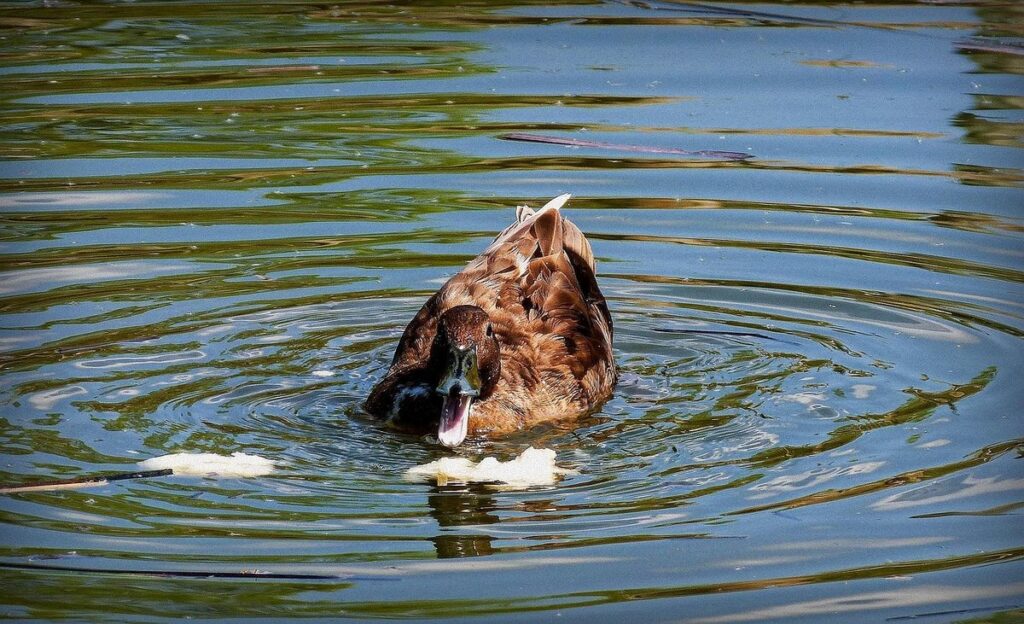
Wild mallard ducks are one of the most recognizable waterfowl species, with their striking green heads and vibrant feathers. But have you ever wondered what these birds eat in the wild? Understanding their diet is crucial to appreciating their adaptability and resilience as a species. As it turns out, wild mallard ducks don’t just rely on a single food source – their diet varies greatly depending on the season, location, and even human impact. They feast on aquatic plants, insects, grains, and small fish, making them one of the most fascinating omnivores in the avian world. In this article, we’ll take a closer look at the diverse food sources of wild mallard ducks and how their diet adapts to different environments and situations.
Types of Food Sources in the Wild
Let’s take a closer look at what types of food sources wild mallard ducks rely on to survive, from aquatic plants to insects and more. We’ll break down their varied diet in this section.
Aquatic Plants and Fruits
When it comes to aquatic plants and fruits, wild mallard ducks have an incredible array of options at their disposal. One of their favorite snacks is duckweed (Lemna minor), a tiny floating plant that’s rich in protein, carbohydrates, and fiber. In fact, studies have shown that duckweed can make up to 30% of a mallard’s diet during certain times of the year.
Water lilies (Nymphaea spp.) are another staple for wild mallard ducks. These beautiful flowers not only provide shelter and shade but also offer a nutritious source of fiber, vitamins, and minerals. Cattails (Typha latifolia), with their distinctive brown spikes, are yet another aquatic plant that mallards enjoy. They’re particularly fond of the cattail’s rhizomes, which are rich in carbohydrates and energy.
These aquatic plants provide essential nutrients that help sustain wild mallard ducks throughout the year. By incorporating these foods into your own backyard pond or wildlife garden, you can create a haven for these amazing birds and support their health and well-being.
Insects and Small Invertebrates
Insects and small invertebrates play a significant role in a wild mallard duck’s diet. These tiny creatures might not seem like a substantial food source, but they provide an essential boost of protein that helps sustain the ducks’ growth and energy needs. Mosquitoes, for example, are a common find in wetlands where mallards inhabit. While it may be tempting to shoo them away, these buzzing insects are actually a valuable snack for our feathered friends.
Snails and leeches also make up part of a wild mallard duck’s invertebrate diet. Snails, with their tender flesh, offer a nutrient-rich treat that ducks eagerly devour. Leeches, often associated with parasitism, are occasionally seen as a food source by mallards, particularly when other prey is scarce.
To encourage your backyard birds to forage for insects and small invertebrates, consider the following tips: plant native aquatic vegetation like cattails or water lilies, which attract mosquitoes and snails; provide shallow pools of water that leeches can inhabit; avoid using pesticides, as these chemicals harm both ducks and beneficial insects alike. By acknowledging the importance of these tiny creatures, you’ll be better equipped to support your local wildlife’s diverse needs.
Grains and Seeds
Wild mallard ducks are known to forage for various grains and seeds that provide them with essential energy and nutrients. Oats, wheat, and sunflower seeds are among their favorite plant-based foods. These grains and seeds are abundant in wetlands and fields where wild mallard ducks often inhabit.
Oats, being a good source of fiber, help maintain the duck’s digestive health. Wheat provides them with carbohydrates for energy, while its B vitamins support their metabolism. Sunflower seeds, rich in healthy fats and protein, serve as an excellent supplement to their diet. Wild mallard ducks can easily identify these seeds due to their large size and distinct shape.
If you’re interested in attracting wild mallard ducks to your backyard or pond, consider planting sunflowers or oats near the water’s edge. These plants will not only provide food for the ducks but also serve as a natural shelter from harsh weather conditions. Just remember to maintain a balanced and diverse landscape that includes aquatic vegetation to ensure the overall well-being of these magnificent creatures.
Omnivorous Habits: Meat and Protein Sources
Wild mallard ducks are opportunistic eaters, and when it comes to meat and protein sources, their diet includes everything from aquatic insects to small fish. Let’s dive into what they specifically look for in these areas.
Small Fish and Crustaceans
Wild mallard ducks are opportunistic feeders and will readily consume small fish and crustaceans when available. They’re skilled hunters that can dive to depths of up to 20 feet in search of their prey, often ambushing unsuspecting minnows and fingerlings near the water’s surface.
When it comes to crustaceans, mallard ducks have a particular fondness for crayfish and snails. These protein-rich foods are an essential component of their diet, providing vital nutrients that support growth and development. Crayfish, in particular, are an excellent source of omega-3 fatty acids, which are crucial for maintaining healthy feathers and plumage.
In fact, studies have shown that wild mallard ducks can eat up to 10 crayfish per day, depending on their size and availability. Snails, on the other hand, are often consumed in greater quantities, with some birds eating as many as 20-30 snails per hour. By incorporating small fish and crustaceans into your duck’s diet, you can provide them with a balanced and nutritious meal that will keep them healthy and thriving.
To attract crayfish to your yard or water feature, try adding plants like cattails, algae-covered rocks, or submerged logs, as these provide the perfect hiding spots for crayfish. By creating an environment that encourages crustacean growth, you’ll be providing a natural food source for wild mallard ducks, allowing them to thrive in their natural habitat.
Amphibians and Reptiles
Wild mallard ducks are opportunistic omnivores, which means they’ll eat just about anything that’s available to them. When it comes to amphibians and reptiles, these birds have a particular fondness for frogs and toads, which provide a valuable source of protein. In fact, studies have shown that up to 30% of the diet of wild mallard ducks consists of insects, including various species of frogs.
Turtles are another common prey item for wild mallard ducks, particularly in aquatic environments where these birds can easily access their shell-covered bodies. Snakes, too, are occasionally caught and eaten by mallards, often during times of drought when other food sources may be scarce.
These animals provide essential nutrients and energy for the ducks’ survival, especially during breeding and molting seasons when protein demands are high. By preying on amphibians and reptiles, wild mallard ducks are able to supplement their diet with a rich source of animal-based nutrition.
Food Availability and Seasonal Variations
When it comes to what wild mallard ducks eat, their diet isn’t static and varies greatly depending on the season and location they inhabit. Let’s explore how this affects their food choices.
Spring Foraging and Breeding Habits
During spring, wild mallard ducks have access to a diverse range of food sources that are essential for their survival and reproductive success. As temperatures rise, newly sprouted plants such as grasses, sedges, and aquatic vegetation become available, providing a rich source of nutrients. Insects emerging from hibernation, including snails, slugs, and various beetles, also become active, offering an important protein source.
The diet of wild mallard ducks during spring has a significant impact on their breeding habits. A diet rich in nutrient-dense foods supports the development of reproductive organs and helps to stimulate egg production in females. In fact, studies have shown that female mallards with access to high-quality food sources lay larger clutches and exhibit higher fertility rates.
To attract wild mallard ducks to your property during spring, consider creating a wetland or pond with native vegetation that provides shelter and food for these birds. By offering a diverse range of aquatic plants and insects, you can support the local population and encourage breeding behavior.
Summer Foraging and Molting Patterns
During the summer months, wild mallard ducks have access to an abundance of ripe fruits and seeds that play a significant role in their diet. Fruits like berries, cherries, and figs are particularly favored by mallards, as they provide essential nutrients and energy for growth and maintenance. In addition to fruits, seeds from grasses, weeds, and aquatic plants also make up a substantial portion of their summer diet.
As wild mallard ducks take advantage of the lush vegetation during the summer, it can impact their molting patterns in several ways. For instance, when food is readily available, ducks may delay molting until after the peak foraging season has passed. This allows them to maximize their energy reserves and invest in growth and feather maintenance.
In fact, studies have shown that mallards that experience favorable environmental conditions, such as an abundance of food, often molt more slowly or even skip a molt cycle altogether. However, this can also lead to reduced reproductive success and increased vulnerability to predators during the vulnerable post-molt period. As duck enthusiasts, it’s essential to consider these factors when managing our waterfowl populations and ensuring their well-being throughout the year.
Impact of Human Activities on Wild Mallard Diet
Human activities can significantly impact what wild mallards eat, often altering their natural diet and leading to interesting consequences for these adaptable ducks. We’ll explore this fascinating dynamic in more detail below.
Habitat Destruction and Fragmentation
Habitat destruction and fragmentation are major concerns for wild mallard duck populations. When natural habitats are destroyed or fragmented, it can significantly impact a duck’s ability to access food sources. This is because many of the plants and insects that make up a duck’s diet rely on specific habitats to thrive.
For example, ducks that live in wetlands may rely on aquatic plants like water lilies and cattails for food. However, when these areas are destroyed or fragmented, ducks may struggle to find alternative sources of nutrition. In addition to impacting access to food, habitat destruction can also lead to reduced shelter and breeding grounds for ducks.
A study conducted by the Audubon Society found that even small fragments of habitat can provide essential resources for wildlife. However, if these fragments are too small or isolated, they may not be sufficient to support a healthy population of wild mallard ducks. As a result, it’s essential to consider conservation efforts that prioritize preserving and restoring natural habitats.
Pollution and Chemical Contamination
Wild mallard ducks forage for food in various environments, including aquatic habitats and agricultural areas. Unfortunately, their diet can be contaminated with pollutants that have serious health implications for these birds. One of the primary concerns is pesticide contamination. Herbicides like atrazine and insecticides like pyrethroids are widely used in agriculture and can leach into water sources or be absorbed by plants. When wild mallard ducks eat these plants, they ingest pesticides, which can cause reproductive problems, reduced eggshell thickness, and even death.
Heavy metals such as lead, mercury, and arsenic also pose a significant threat to wild mallard duck populations. These toxins accumulate in the environment through various human activities like mining, industrial waste disposal, and pesticide use. When birds consume contaminated water or feed on plants with high metal concentrations, these pollutants can build up in their bodies, causing kidney damage, neurological problems, and impaired growth.
To minimize the impact of pollution on wild mallard duck populations, individuals can take steps to reduce their environmental footprint. For example, using integrated pest management techniques that minimize pesticide use, choosing organic produce, and properly disposing of hazardous waste can all help mitigate the problem.
Conclusion: Understanding Wild Mallard Duck Diets
Now that we’ve explored what wild mallard ducks eat, let’s summarize our findings and discuss how this knowledge can benefit your birdwatching experience.
Recap of Key Findings
Throughout this article, we’ve explored the diverse diet of wild mallard ducks and their remarkable ability to thrive in various environments. These birds have adapted to feed on a wide range of food sources, from aquatic plants to terrestrial insects and grains.
Their adaptability is crucial to their survival, allowing them to exploit different food sources depending on what’s available seasonally or geographically. In this article, we’ve identified several key points that underscore the complexity of wild mallard duck diets:
* They feed on a variety of aquatic plants, including algae, water lilies, and cattails
* Insects are an essential part of their diet, with grasshoppers, crickets, and earthworms being common prey
* Grains such as oats, barley, and wheat are often consumed during the winter months when other food sources may be scarce
* Wild mallard ducks will also scavenge for carrion or consume small invertebrates like snails and slugs
Their flexibility in adapting to different environments has allowed them to thrive in a wide range of ecosystems, from wetlands and grasslands to agricultural fields and even urban areas.
Implications for Conservation Efforts
Understanding the dietary needs of wild mallard ducks is crucial for conservation efforts. By preserving natural habitats and minimizing human impact on these populations, we can promote sustainable coexistence with these birds.
Human activities such as urbanization, agriculture, and pollution have led to habitat destruction and fragmentation, affecting mallard duck populations. For example, a study found that in the UK, 50% of wetlands have been lost since the 1940s. This loss of habitat has resulted in reduced food sources for wild mallard ducks.
Conservation efforts should focus on restoring natural habitats and reducing human disturbance. By understanding what wild mallard ducks eat, we can create effective conservation strategies. For instance, providing artificial nesting sites and feeding areas that cater to their dietary needs can help increase population numbers.
It’s essential for individuals to take action in their daily lives to minimize impact on wild mallard duck populations. This can be achieved by supporting conservation organizations, reducing waste and pollution, and creating backyard habitats that provide food and shelter for these birds.
Frequently Asked Questions
What are the most common aquatic plants that wild mallard ducks eat?
Wild mallard ducks feed on various aquatic plants, including duckweed (Lemna minor), water lilies (Nymphaea spp.), and algae. These plants provide essential nutrients like protein, carbohydrates, and fiber.
How do human activities impact the food availability for wild mallard ducks?
Human activities such as habitat destruction, pollution, and chemical contamination can significantly affect the food availability for wild mallard ducks. For example, pollution can reduce the growth of aquatic plants, while habitat destruction can lead to loss of breeding grounds and foraging areas.
Can I create a backyard pond to attract wild mallard ducks and provide them with food?
Yes, creating a backyard pond can be an excellent way to attract wild mallard ducks and provide them with food. However, it’s essential to maintain the pond’s water quality and ensure that it doesn’t become too dependent on human-provided food sources.
How do I differentiate between duckweed and other floating plants when foraging?
Duckweed (Lemna minor) is a tiny floating plant that grows in clusters and has tiny white roots. It can be distinguished from other floating plants by its characteristic shape, size, and growth habits. If you’re unsure, consult with a local expert or research further.
Can wild mallard ducks adapt to changing food sources due to climate change?
Yes, wild mallard ducks have shown remarkable adaptability in responding to changes in their environment, including variations in food availability caused by climate change. Their ability to adjust their diet and foraging habits can help them cope with shifting environmental conditions.