
As we watch our feathered friends swimming in ponds and lakes, have you ever wondered what wild ducklings are eating to grow strong and healthy? In their natural habitat, ducklings forage for an array of foods, from tiny insects to aquatic plants, which provide them with the essential nutrients they need to thrive. But did you know that their diet is not just influenced by their immediate surroundings, but also by environmental factors such as water quality, vegetation, and even the presence of predators? In this article, we’ll take a closer look at what wild ducklings eat in their natural habitat, exploring the various food sources they rely on and how these are affected by their environment. Whether you’re an avid birdwatcher or simply curious about wildlife, read on to discover more about the fascinating world of duckling nutrition!
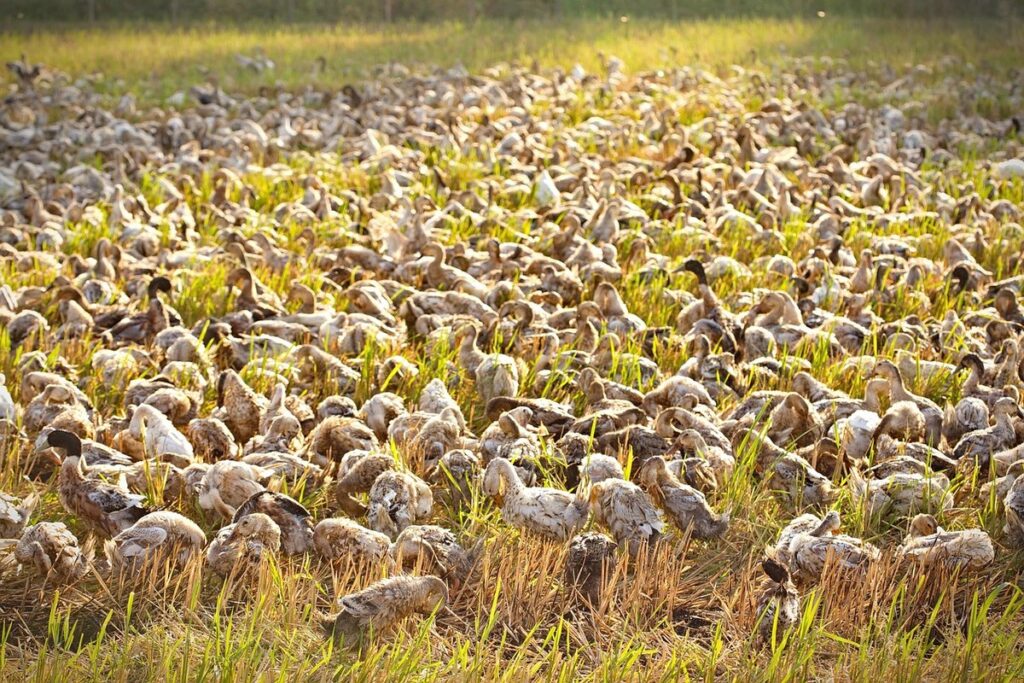
Types of Food Available to Ducklings
When it comes to finding food, ducklings are opportunistic eaters and will munch on a wide variety of tasty treats. Let’s take a closer look at some of their favorite wild foods.
Insect-Based Diets
Insect-based diets play a significant role in the lives of ducklings, providing essential nutrients for growth and development. In the wild, insect larvae are abundant and nutritious, serving as a vital food source for young ducks. For instance, mosquito larvae are high in protein and low in fat, making them an ideal snack for ducklings.
Some beneficial insects that ducklings consume include:
* Mosquito larvae
* Fly larvae
* Ants
* Beetles
These insects offer a rich blend of vitamins and minerals necessary for proper growth and development. In addition to their nutritional value, insect-based diets also help reduce the need for commercial duckling feed, which can be high in artificial additives.
Wild ducklings learn to forage for insects by observing their mothers, who teach them how to dig and search for these nutrient-rich food sources. If you’re raising ducklings at home, incorporating insects into their diet is a simple way to provide them with a more natural and balanced meal.
Aquatic Plant Consumption
Ducklings have an impressive ability to forage and consume various aquatic plants as their primary food source. In fact, during their first few weeks of life, ducklings rely heavily on aquatic vegetation for nutrition. Some commonly consumed plants include water lilies, cattails, and duckweed.
These plants are not only a convenient food source but also provide essential nutrients that support rapid growth and development in young ducklings. Water lilies, for example, offer a rich supply of vitamins A and C, as well as minerals like potassium and iron. Duckweed, on the other hand, is an excellent source of protein, which helps to fuel the duckling’s high metabolic rate.
To encourage aquatic plant consumption in your own ducklings, consider creating a naturalistic pond environment with plenty of hiding places and water depths for them to explore. By mimicking their wild counterparts’ feeding behavior, you can help ensure they receive a balanced diet rich in nutrients essential for optimal growth and health.
Small Invertebrates and Worms
In the wild, small invertebrates and worms play a vital role in the diet of ducklings. These tiny creatures are packed with protein, calcium, and other essential nutrients that support growth and development. As ducklings forage on land and in water, they instinctively seek out these nutrient-rich food sources.
Some examples of commonly consumed small invertebrates include snails, slugs, earthworms, and leeches. These invertebrates are abundant in wetland areas, making them an easily accessible source of nutrition for ducklings. For instance, a study on wild duckling diets found that they consume an average of 20-30% of their body weight in snails and slugs daily.
To encourage your ducklings to eat small invertebrates, provide a diverse foraging area with plenty of hiding spots and moisture. This will stimulate their natural foraging behavior and allow them to discover these nutrient-rich food sources on their own. By incorporating small invertebrates into their diet, you’ll be giving your ducklings the best chance at optimal growth and health.
Developmental Dietary Changes
As ducklings begin to venture out of their nest, they need a reliable food source to fuel their growth. This section explores how wild ducklings incorporate different foods into their diet during critical developmental stages.
Nestling Stage (0-4 weeks)
During their initial nestling stage, from birth to around 4 weeks old, ducklings rely heavily on the nutrients stored in their yolk sacs for sustenance. This reserve of energy and nutrients is crucial for their growth and development, especially during the first few days after hatching.
As they begin to venture out of the nest, around 7-10 days post-hatch, ducklings start to explore their surroundings and develop their feeding skills. They are naturally drawn to small insects like aphids, ants, and tiny beetles, which become an essential part of their diet during this period. In fact, a study found that wild ducklings consume up to 20% of their diet in the form of insects by the time they reach two weeks old.
As you care for your ducklings, it’s essential to provide them with a balanced and nutritious environment that encourages natural feeding behaviors. You can supplement their diet with small amounts of duckling starter feed or mealworms, but ensure that fresh water and a varied source of insects are always available to meet their growing nutritional needs.
Fledgling Stage (4-6 weeks)
As ducklings enter their fourth to sixth week of life, they start to transition from relying solely on their mother’s milk to consuming more solid foods. This fledgling stage is a crucial period where they learn to forage and adapt to their surroundings. During this time, their diet shifts towards more substantial nutrient-rich food sources.
Ducklings at this stage begin to explore their environment, and their beaks become strong enough to peck at various plants and insects. They will start to eat small aquatic animals like snails, crustaceans, and tiny fish. For example, they may feed on duckweed, water lilies, and other soft-stemmed plants that grow in shallow water.
It’s essential for ducklings to have a balanced diet during this stage, as their growth rate accelerates rapidly. A mix of protein-rich foods like insects, crustaceans, and small aquatic animals with fiber-rich plant materials will provide the necessary nutrients for development. As you care for your ducklings, ensure they have access to clean water and a variety of food sources to mimic their natural diet in the wild.
Environmental Factors Influencing Dietary Choices
Let’s take a closer look at how environmental factors play a role in shaping what ducklings eat in the wild, and what you can learn from their natural diet.
Habitat Type and Quality
The type of habitat and its quality play a significant role in determining what wild ducklings eat. Wetlands are their primary source of food, providing an array of plants, insects, and small aquatic animals for them to feed on. However, not all wetlands are created equal.
A high-quality wetland with diverse vegetation will support a wide range of food sources, benefiting the ducklings’ growth and development. For instance, areas with dense aquatic plant coverage tend to have a higher concentration of invertebrates such as snails, crustaceans, and insects, which make up a significant portion of their diet.
On the other hand, wetlands with poor vegetation diversity may struggle to provide enough food for ducklings, potentially leading to stunted growth or increased mortality rates. As an example, the Everglades in Florida are known for their rich biodiversity, supporting a wide array of plant and animal life that benefits the local duck populations.
To identify high-quality habitats suitable for wild ducklings, look for areas with diverse aquatic vegetation, such as cattails, water lilies, or rushes. Avoid areas with dense human development, pollution, or invasive species, which can compromise the ecosystem’s integrity.
Seasonal Changes in Food Availability
When it comes to ducklings’ diet in the wild, seasonal changes play a significant role in determining the types of foods available to them. As spring arrives, plants and insects become more abundant, providing ducklings with an array of fresh greens, aquatic vegetation, and insect larvae to forage on.
However, as summer progresses, water levels can rise, making it challenging for ducklings to access their preferred food sources. In such situations, they adapt by learning to exploit new resources, like algae-rich waters or even small fish and crustaceans.
To better understand how ducklings cope with seasonal fluctuations in food availability, consider the following strategies:
* During droughts, ducklings may rely on seeds and grains as a supplemental source of nutrition.
* In areas where water levels are low, they might feed on terrestrial insects, like beetles and ants, which congregate around temporary pools.
* To supplement their diet during periods of scarcity, ducklings can even learn to eat small animals, such as snails and leeches.
These adaptability strategies demonstrate the remarkable resilience and resourcefulness of wild ducklings. By observing how they adjust to seasonal changes in food availability, we gain a deeper appreciation for the dynamic relationship between these birds and their environment.
Human Impact on Wild Duckling Diets
When ducklings venture into the wild, their diets are often influenced by human activities that can either harm or help them. Let’s explore how our actions impact what they eat.
Habitat Destruction and Fragmentation
When humans alter the natural environment through habitat destruction and fragmentation, it can have far-reaching consequences for wild ducklings. The availability of food sources is severely impacted when forests are cleared, wetlands drained, and natural habitats disrupted. As a result, ducklings may struggle to find suitable sustenance, leading to dietary imbalances that can be detrimental to their growth and development.
Habitat destruction affects the diversity and abundance of invertebrates, such as insects, crustaceans, and mollusks – crucial components of a duckling’s diet. Without these food sources, ducklings may rely more heavily on seeds, grasses, or other low-quality forage, which can lead to malnutrition and related health problems.
To mitigate the effects of habitat destruction and fragmentation, it is essential for us to adopt sustainable land-use practices and preserve natural habitats. By doing so, we can help ensure a stable food supply for wild ducklings, allowing them to thrive in their environments. This not only benefits the ducklings themselves but also contributes to maintaining ecosystem balance and biodiversity.
Pollution and Contamination
Pollution and contamination are major concerns for aquatic ecosystems, which ultimately impact the availability of food sources for ducklings. When pollutants enter waterways, they can alter the delicate balance of nutrients and microorganisms that support the growth of aquatic plants, algae, and zooplankton – essential components of a duckling’s diet.
Harmful algal blooms (HABs), caused by excessive nutrient runoff from fertilizers, sewage, or industrial waste, can deplete oxygen levels and suffocate aquatic life. This can lead to a scarcity of insects, crustaceans, and small invertebrates that ducklings rely on for protein-rich food.
In addition, pesticides and herbicides can contaminate waterways, affecting the availability of certain aquatic plants, such as duckweed and water lilies, which provide crucial nutrients for growing ducklings. The accumulation of pollutants like heavy metals and plastics also poses a threat to duckling health by altering their gut microbiome and increasing susceptibility to disease.
As a responsible wildlife enthusiast or parent, you can contribute to mitigating these effects by reducing your use of chemicals in gardening and household settings, recycling waste, and participating in local clean-up initiatives.
Conservation Efforts Supporting Healthy Duckling Diets
Conservation efforts are crucial for supporting healthy duckling diets, and one such initiative is the restoration of wetland habitats that provide essential food sources. These areas are especially vital during their first few weeks of life.
Habitat Restoration and Management
Restoring and managing habitats is crucial for maintaining biodiversity and ensuring a healthy balance of food sources for wild ducklings. By preserving natural environments, we can provide them with the necessary nutrients and variety of foods they need to thrive.
In wetland ecosystems, habitat restoration involves reintroducing native vegetation and plants that provide shelter, nesting sites, and food sources for ducklings. This can include aquatic plants like cattails, water lilies, and algae, as well as terrestrial plants like grasses and wildflowers.
Effective management of habitats also requires controlling invasive species, reducing pollution, and maintaining healthy water flows. For example, removing non-native weeds like purple loosestrife can help restore native plant communities that provide food for ducklings. Similarly, restoring natural sedimentation processes can improve water quality and reduce the risk of avian diseases.
By implementing these conservation efforts, we can create a more balanced ecosystem where wild ducklings have access to diverse and nutritious foods, ultimately supporting their growth and survival in the wild.
Education and Community Involvement
When it comes to promoting sustainable practices that support healthy duckling diets, education and community involvement play a vital role. By teaching people about the importance of protecting water quality and providing suitable habitats for ducklings, we can work towards creating a harmonious balance between humans and wildlife.
One effective strategy is to establish community-led conservation initiatives. For instance, local residents can participate in clean-up events, monitor water quality, or create artificial wetlands that mimic natural habitats. By engaging with the community, we can raise awareness about the interconnectedness of human activities and duckling health.
You can also get involved by hosting workshops, providing educational materials to schools, or collaborating with local organizations to develop community-led conservation projects. These efforts not only support ducklings but also contribute to a healthier environment for all wildlife. By working together, we can create a ripple effect that promotes sustainability and benefits both humans and wildlife alike.
Frequently Asked Questions
What are some common mistakes to avoid when observing wild ducklings foraging?
When watching wild ducklings, it’s essential to remember not to disrupt their natural behavior. Avoid approaching too closely, as this can stress the birds and impact their feeding patterns. Also, be mindful of your own scent, which can scare them away from food sources.
Can I supplement my backyard pond with artificial insect larvae for ducklings?
While providing supplemental food may seem like a good idea, it’s generally not recommended to introduce artificial insect larvae into wild environments. This can lead to dependency on human-provided food and disrupt the natural ecosystem balance. Instead, focus on creating a diverse and healthy aquatic environment that naturally supports insect growth.
How do seasonal changes affect what ducklings eat in different regions?
Seasonal fluctuations in temperature and precipitation impact the availability of food sources for wild ducklings. In warmer months, they tend to focus more on insects and small invertebrates. During cooler seasons, their diet shifts towards aquatic plants and seeds. Be aware that these patterns may vary depending on your specific region’s climate.
Are there any signs that a duckling is having trouble finding food due to environmental factors?
Yes, if you notice ducklings displaying unusual behaviors like searching more intensely for food or visiting areas with poor water quality, it could be a sign that their environment is affecting their dietary needs. Additionally, keep an eye out for changes in feather condition, energy levels, and overall health, as these can indicate malnutrition or stress related to environmental factors.
Can I attract beneficial insects to my garden to support local ducklings?
Yes, by creating a diverse and insect-friendly garden, you can indirectly support the development of beneficial insects that wild ducklings rely on for food. Incorporate native plant species, avoid using pesticides, and provide sources of water to create an ecosystem that supports local wildlife.