
Are you looking to add some beauty and charm to your garden, but don’t know where to start? Look no further than the Chinese dogwood plant! This stunning shrub is a favorite among gardeners and landscaping enthusiasts alike, and for good reason. With its show-stopping white or pink flowers and attractive red berries, it’s a natural attractor of pollinators and wildlife. But growing a healthy and thriving Chinese dogwood requires more than just planting and watering – you need to know the right tips and tricks to get it looking its best. In this ultimate guide, we’ll take you through everything from planting and soil preparation to fertilization, pruning, and propagation, giving you the expert advice you need to grow a stunning Chinese dogwood plant that will be the envy of your neighbors for years to come!
Understanding Chinese Dogwood Basics
Let’s dive into the basics of Chinese dogwood, starting with its growth habits and ideal conditions for thriving in your garden.
What is Chinese Dogwood?
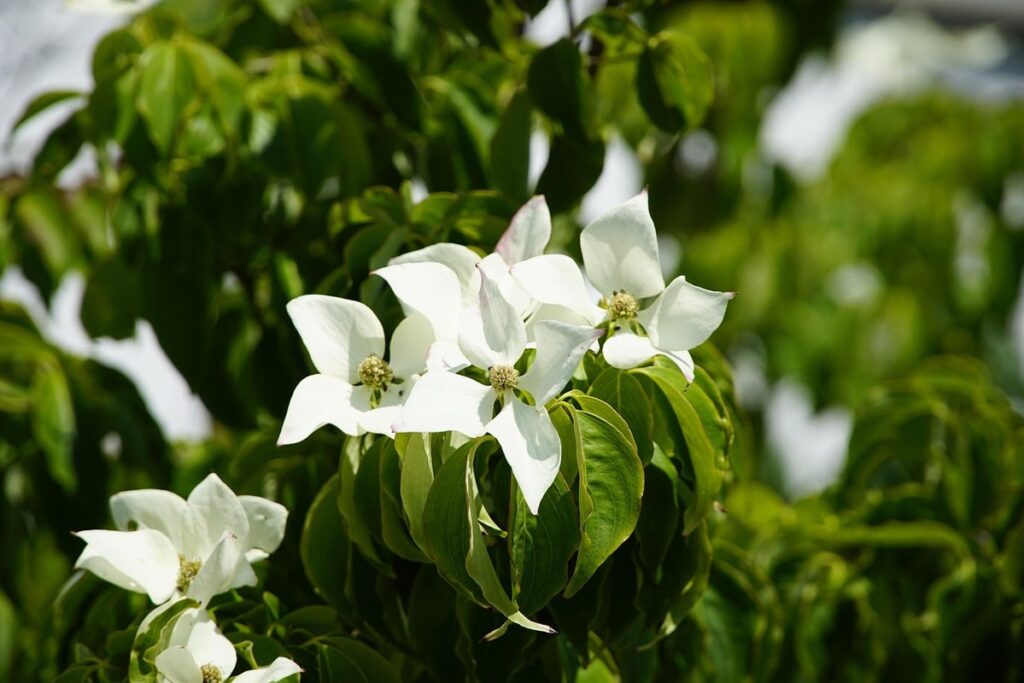
Chinese dogwood (Cornus kousa) is a deciduous shrub native to East Asia, specifically China and Japan. It’s also known as the Korean dogwood or Japanese dogwood. This plant species has gained popularity worldwide due to its stunning beauty and unique characteristics. One of its standout features is its showy flowers that bloom in late spring, attracting pollinators like bees and butterflies.
Its broad, oval-shaped leaves are dark green on top with a paler underside, providing excellent fall color display when they turn shades of red, purple, or yellow. The plant’s bark also adds interest year-round, with a mottled pattern that resembles rough-sawn wood.
When choosing Chinese dogwood for your garden, keep in mind its mature size can reach up to 20 feet tall and wide, making it an excellent option for hedges, screens, or specimen plants. Its adaptable nature allows it to thrive in various soil types and sun conditions, but it does prefer well-draining acidic soils and full sun to partial shade.
If you’re looking for a low-maintenance, visually appealing addition to your landscape, Chinese dogwood is definitely worth considering.
Types of Chinese Dogwood Varieties
Chinese dogwoods are incredibly diverse, with numerous varieties to choose from. When selecting a Chinese dogwood for your garden, it’s essential to consider the specific characteristics that suit your needs and preferences.
One of the most popular types is the ‘Apple Blossom’ variety, which boasts stunning pink flowers in late spring. Its compact growth habit makes it an excellent choice for smaller spaces or hedges. On the other hand, the ‘Red Cascade’ variety features deep red foliage and vibrant white flowers, perfect for adding a pop of color to your landscape.
Other notable varieties include the ‘Bailum’, which boasts large white flowers, and the ‘Silver Moon’, with its silvery-gray leaves. These unique traits can greatly enhance the visual appeal of your garden. When choosing a Chinese dogwood variety, consider factors like growth rate, mature size, and flowering schedule to ensure it thrives in your specific climate and care conditions.
Some varieties also display exceptional fall color, such as ‘Bailum’ and ‘Silver Moon’, which exhibit vibrant reds and oranges. Be sure to research the specific needs of each variety to provide optimal care and maximize their beauty in your garden.
Characteristics of Chinese Dogwood Plants
Chinese dogwood plants have become increasingly popular among gardeners due to their remarkable adaptability and versatility. One of the key characteristics that make them stand out is their ability to thrive in a wide range of environments, from full sun to partial shade and even in areas with poor soil quality.
Their tolerance for various conditions makes them an excellent choice for gardeners who want low-maintenance plants that can still provide stunning beauty. Chinese dogwood plants are also known for their attractive white or pink flowers, which bloom in the spring and early summer, drawing attention from pollinators and adding a touch of elegance to any landscape.
In terms of adaptability, these plants can grow well in zones 5-8, tolerating temperatures as low as -20°F (-29°C) and as high as 90°F (32°C). Their compact growth habit also makes them ideal for smaller gardens or spaces, allowing gardeners to enjoy their beauty without requiring a large amount of space. Overall, Chinese dogwood plants offer a unique combination of adaptability, beauty, and hardiness that has captured the hearts of many gardeners.
Planting and Establishing Chinese Dogwood Plants
When planting Chinese dogwood, timing is everything: spring and fall are ideal seasons for establishing new plants, as they’re less prone to extreme temperatures. Get it right and you’ll be on your way to a thriving tree!
Choosing the Right Location for Your Chinese Dogwood
When it comes to planting a Chinese dogwood, choosing the right location is crucial for its healthy growth and development. As a Chinese dogwood owner, you want to ensure that your plant receives the perfect blend of sunlight, soil, and space requirements to thrive.
First and foremost, consider the amount of sunlight your Chinese dogwood will receive. While it can tolerate partial shade, it prefers full sun to produce vibrant flowers and foliage. Choose a location that receives at least six hours of direct sunlight per day. Also, take note of any nearby trees or structures that may cast shadows on your plant.
Soil type is another essential factor to consider. Chinese dogwood prefers well-draining soil with a pH between 6.0 and 7.0. Avoid planting it in areas prone to waterlogging, as this can lead to root rot. Make sure the soil has good air circulation to prevent fungal diseases.
In terms of space requirements, plant your Chinese dogwood at least 10-15 feet away from any structures or nearby plants. This will give its roots enough room to grow and allow for proper air circulation around the foliage.
Preparing the Soil for Planting
When it comes to planting Chinese dogwood trees, proper soil preparation is crucial for their healthy growth. The ideal pH level for Chinese dogwood trees is slightly acidic to neutral, ranging from 6.0 to 7.0. If you live in an area with alkaline soil, you may need to add elemental sulfur or aluminum sulfate to lower the pH.
It’s also essential to test your soil’s nutrient content before planting. Chinese dogwood trees prefer well-draining soil that is rich in organic matter. You can amend your soil by adding compost or well-rotted manure to improve its fertility and structure. If you’re unsure about your soil type, consider having it tested at a local nursery or extension office.
In addition to pH levels and nutrient content, Chinese dogwood trees also require adequate drainage to prevent root rot. If your soil is heavy clay or prone to waterlogging, consider adding organic matter like peat moss or perlite to improve its drainage capacity.
By taking the time to prepare your soil properly, you’ll be giving your Chinese dogwood tree a strong foundation for healthy growth and development.
Watering and Mulching Techniques
When it comes to establishing Chinese dogwood plants, proper watering and mulching techniques are crucial for their success. During the first year of growth, Chinese dogwoods require regular watering, but make sure not to overwater them. A good rule of thumb is to water them deeply once or twice a week, depending on weather conditions. Avoid frequent shallow waterings that can cause roots to grow closer to the surface.
Mulching around your Chinese dogwood plants also plays a significant role in their establishment phase. Mulch helps retain moisture in the soil, suppresses weeds, and regulates soil temperature. Opt for organic mulches like wood chips or bark, keeping them about 3-4 inches thick. Avoid using regular garden soil or gravel as they can be too dense and prevent water from reaching the roots.
By implementing these watering and mulching techniques, you’ll provide your Chinese dogwood plants with a solid foundation to thrive. Remember, consistent care during this critical period will pay off in the long run, ensuring healthy growth and a stunning display of flowers for years to come.
Care and Maintenance for Mature Chinese Dogwood Plants
To keep your mature Chinese dogwood plant thriving, you’ll want to pay close attention to its watering needs and regular pruning schedule. With these tips, you’ll be on track for a healthy, beautiful tree.
Fertilization and Pruning Needs
As your Chinese dogwood plant matures, its fertilization and pruning needs will shift. Mature plants require less frequent but more targeted care to maintain their health and appearance.
To start, reduce the frequency of fertilizer application. Instead of feeding your tree every 2-3 months during the growing season, switch to a slow-release formula applied once or twice a year in early spring. This will provide a steady supply of nutrients without overloading the soil.
Pruning is essential for mature Chinese dogwood plants. Prune them annually, removing any dead, diseased, or damaged branches. Cut back overgrown branches by one-third to maintain shape and promote new growth. Prune during late winter or early spring before new growth begins. Avoid pruning in fall, as this can cause unnecessary stress on the tree.
When to prune is just as important as how often. Remove any crossing branches that may be rubbing against each other, causing damage. Also, consider thinning out dense areas of foliage to allow more sunlight to reach inner branches and promote healthy growth. By following these guidelines, you’ll be able to maintain your mature Chinese dogwood plant’s beauty and vitality for years to come.
Pest and Disease Management
As your mature Chinese dogwood plant continues to thrive, it’s essential to keep an eye out for common pests and diseases that can affect its health. One of the most significant threats is the Asian longhorned beetle (Anoplophora glabripennis), which can infest trees in North America. These beetles are often introduced through international trade and can cause significant damage by boring into the tree’s bark.
Regularly inspect your Chinese dogwood for signs of pests, such as holes or tunnels in the bark, or frass (insect droppings) on nearby surfaces. To prevent infestations, maintain a healthy distance between plants and avoid planting near areas with high foot traffic. If you suspect an infestation, contact a local arborist or entomologist for guidance.
Root rot caused by Phytophthora cinnamomi is another concern. This fungal disease thrives in moist environments and can be spread through contaminated water or soil. To prevent root rot, ensure good drainage around your Chinese dogwood’s base and avoid overwatering. Fungal diseases can be treated with fungicides, but prevention remains key.
Inspect your plant regularly for signs of stress, such as yellowing leaves or droopy branches. Early detection can help prevent the spread of disease.
Winter Protection and Hardiness Zones
As winter approaches, mature Chinese dogwood plants require special care to protect them from harsh conditions. One of the most critical factors to consider is their hardiness zone, which determines their ability to withstand freezing temperatures and frost. Chinese dogwood plants are generally hardy in USDA zones 5-8, meaning they can tolerate temperatures as low as -20°F to -10°F (-29°C to -23°C). However, even within these zones, protection from extreme cold snaps is still necessary.
To safeguard your mature Chinese dogwood plant, apply a thick layer of mulch or straw around the base to insulate the roots and retain moisture. You can also wrap the branches with burlap or frost blanket to protect them from wind and ice damage. Prune any dead or damaged branches in late fall or early winter to prevent disease and promote healthy growth come spring. Additionally, water your plant well before the ground freezes to ensure it goes into dormancy with a full root system.
Monitor your local weather forecast for potential extreme cold events, and take necessary precautions to protect your Chinese dogwood plant. By providing adequate care and protection during the winter months, you can help your mature Chinese dogwood plant thrive come springtime.
Common Issues and Troubleshooting Tips for Chinese Dogwood Plants
Growing a healthy Chinese dogwood can be challenging, but don’t worry if you’re experiencing some issues – we’ve got you covered with common problems and easy-to-follow troubleshooting tips.
Identifying Common Problems with Chinese Dogwood Plants
Chinese dogwood plants are generally low-maintenance, but like all living things, they can be susceptible to certain problems. One common issue you might encounter is leaf scorch, which occurs when the leaves become damaged due to extreme temperatures or intense sunlight. This can lead to a range of issues including yellowing leaves and a general decline in the plant’s overall health.
To prevent leaf scorch, it’s essential to ensure your Chinese dogwood plant receives partial shade, especially during the hottest part of the day. You should also avoid overwatering, as this can cause more harm than good.
Another potential problem is root rot, which often arises from too much moisture around the roots. This can be caused by a combination of factors including poor drainage, high humidity, or excessive watering. Be mindful of your watering schedule and ensure that the soil has adequate drainage to prevent waterlogged soil conditions.
Pests like spider mites, aphids, and scale can also infest Chinese dogwood plants, causing damage to leaves and stems. Regularly inspect your plant for signs of pests and take action promptly if you notice any issues.
Troubleshooting Techniques for Chinese Dogwood Plant Problems
When you notice issues with your Chinese dogwood plant, it’s essential to troubleshoot promptly to prevent further damage. First, reassess your care routine and make adjustments as needed. Ensure that your plant is receiving the right amount of sunlight, water, and nutrients. For instance, if your plant is under-watered, increase watering frequency, but avoid overwatering, which can lead to root rot.
Consider environmental factors such as temperature fluctuations, humidity levels, or nearby pests that might be affecting your plant’s health. Monitor for signs of insect infestations, diseases, or nutrient deficiencies. For example, if you suspect a fungal infection, treat it with a fungicide specifically designed for ornamental plants.
Prune affected branches to prevent the spread of disease and encourage healthy growth. Regular maintenance like pruning, fertilizing, and repotting can help your Chinese dogwood plant thrive. Keep an eye on your plant’s response to these adjustments and be prepared to make further changes as needed. With patience and attention to detail, you should be able to resolve issues and keep your Chinese dogwood plant healthy and vibrant.
Propagation and Grafting of Chinese Dogwood Plants
To successfully grow Chinese dogwood, you’ll need to learn how to propagate and graft these beautiful plants, which we’ll cover in detail next. This section will walk you through the essential steps.
Methods of Propagation (Semi-hardwood cuttings, layering)
Propagation of Chinese dogwood plants can be achieved through various methods, each with its own set of advantages and limitations. One popular method is semi-hardwood cuttings, which involve taking stem cuttings from the current year’s growth during late summer or early fall when the wood is still slightly flexible. This approach allows for a high rate of success, as the cuttings can root easily and quickly.
Another method is layering, where a branch is bent down to the ground and secured in place with a rock or U-shaped wire, allowing roots to develop over time. Layering is particularly useful for plants that are difficult to propagate through cuttings. The main limitation of this approach is that it requires patience, as it can take several months for roots to form.
To increase success rates when using semi-hardwood cuttings, make sure the cutting material is fresh and taken from a healthy stem section. Remove lower leaves, leaving only two or three at the top, to minimize moisture loss and promote rooting. Plant the cutting in a well-draining potting mix, firming the soil gently around the roots. Keep the soil consistently moist but not waterlogged, and provide bright indirect light until roots have developed.
Grafting Techniques for Chinese Dogwood
When it comes to grafting techniques suitable for Chinese dogwood, there are several methods you can employ to increase success rates and ensure a healthy union between the scion and rootstock. Scion selection is crucial, as you’ll want to choose a piece with at least two or three nodes and a diameter of about 1/4 inch (6-8 mm). This will provide enough wood for a strong graft.
For bud preparation, make a small notch in the stem of the scion, just above a node. Then, carefully insert the bud into the rootstock’s corresponding slot, making sure it’s seated snugly and the cambium layers are aligned. To ensure proper union formation, apply a layer of grafting wax or tape to seal any air pockets.
Remember to keep your grafting tools clean and sterile throughout the process to prevent disease transmission. Once you’ve completed the graft, provide adequate humidity and maintain temperatures between 65-75°F (18-24°C) for the first few weeks after grafting to promote healing and successful integration of the scion with the rootstock.
Conclusion: Tips for Success with Your Chinese Dogwood Plant
To ensure your Chinese dogwood plant thrives, remember that proper watering is crucial. Check the soil moisture regularly and avoid overwatering, which can lead to root rot. Instead, water deeply once or twice a week during hot summer months. Mulching around the base of the plant will also help retain moisture and suppress weeds.
Regular pruning is another key aspect of caring for your Chinese dogwood. Prune in late winter or early spring, removing any dead or damaged branches. This will promote new growth and prevent disease from taking hold. Don’t be afraid to prune more than you think necessary – a well-pruned Chinese dogwood is a happy one!
Frequently Asked Questions
Can I grow Chinese dogwood plants indoors?
You can, but it’s essential to replicate the plant’s outdoor conditions as closely as possible. Choose a large container with good drainage and provide at least four hours of direct sunlight per day. Water carefully, as indoor conditions may be more humid than outdoors.
How long does it take for Chinese dogwood to produce berries?
It typically takes 3-5 years for a mature Chinese dogwood plant to start producing attractive red berries after planting. Factors like soil quality, watering, and fertilization can influence this timeline.
Can I propagate Chinese dogwood from seeds or cuttings?
Both methods work, but seed propagation can be more challenging due to low germination rates. Taking semi-hardwood cuttings (6-8 inches long) in late summer is a successful method for propagating Chinese dogwood plants.
How do I know if my Chinese dogwood plant needs fertilization?
Check the soil pH and nutrient levels by having it tested annually. If your plant shows signs of nutrient deficiency, such as yellowing leaves or stunted growth, consider fertilizing with a balanced, water-soluble fertilizer during the growing season.
What are some common pests that affect Chinese dogwood plants?
Keep an eye out for aphids, scale insects, and spider mites. Regularly inspect your plant, and if you notice any of these pests, treat promptly using neem oil or insecticidal soap to prevent damage and potential disease transmission.