
If you’re looking for a stunning addition to your garden or landscape, look no further than the Asian Dogwood Tree. Native to eastern Asia, this versatile tree has been prized for centuries not only for its striking beauty but also for its impressive health benefits and practical uses. Whether you’re a seasoned gardener or just starting out, understanding the origins, growth requirements, and care needs of the Asian Dogwood is essential to getting the most out of your new addition.
In this article, we’ll delve into the world of the Asian Dogwood Tree, exploring its unique characteristics, health benefits, and uses. We’ll cover tips on planting, pruning, and common issues to watch out for, ensuring you’re well-equipped to give your tree the care it needs to thrive. From its impressive foliage to its medicinal properties, we’ll examine all aspects of this incredible tree, helping you make informed decisions about incorporating the Asian Dogwood into your outdoor space.
What is an Asian Dogwood Tree?
Let’s start by understanding what makes the Asian Dogwood tree so unique, and where it originated from to begin with.
Origins and Classification
The Asian Dogwood Tree (Cornus kousa) is native to East Asia, specifically China, Japan, Korea, and Taiwan. It thrives in its natural habitat, where the warm and temperate climate allows it to grow up to 10 meters tall with a broad, rounded crown.
As a member of the Cornaceae family, the Asian Dogwood Tree belongs to the genus Cornus, which includes approximately 50 species of dogwoods worldwide. Within this family, Cornus kousa is closely related to other popular ornamental trees like the Flowering Dogwood (Cornus florida) and the Kousa Dogwood (Cornus kousa var. chinensis).
The Asian Dogwood Tree’s classification is further divided into two main categories: deciduous and evergreen varieties. The former sheds its leaves seasonally, while the latter retains them year-round. This distinction makes it suitable for a variety of garden settings, from those requiring dramatic fall foliage to others seeking year-round greenery.
Its botanical family and genus make Cornus kousa a versatile addition to landscapes worldwide.
Characteristics and Identification
One of the most distinctive features of the Asian Dogwood tree is its striking appearance, which sets it apart from other dogwood species. To identify an Asian Dogwood, take a closer look at its bark: it’s often grayish-brown and develops a distinctive shaggy texture with age. The leaves are another key identifier – they’re typically 2-4 inches long, have pointed tips, and a serrated edge. As the seasons change, notice how the leaves turn a brilliant shade of crimson in autumn.
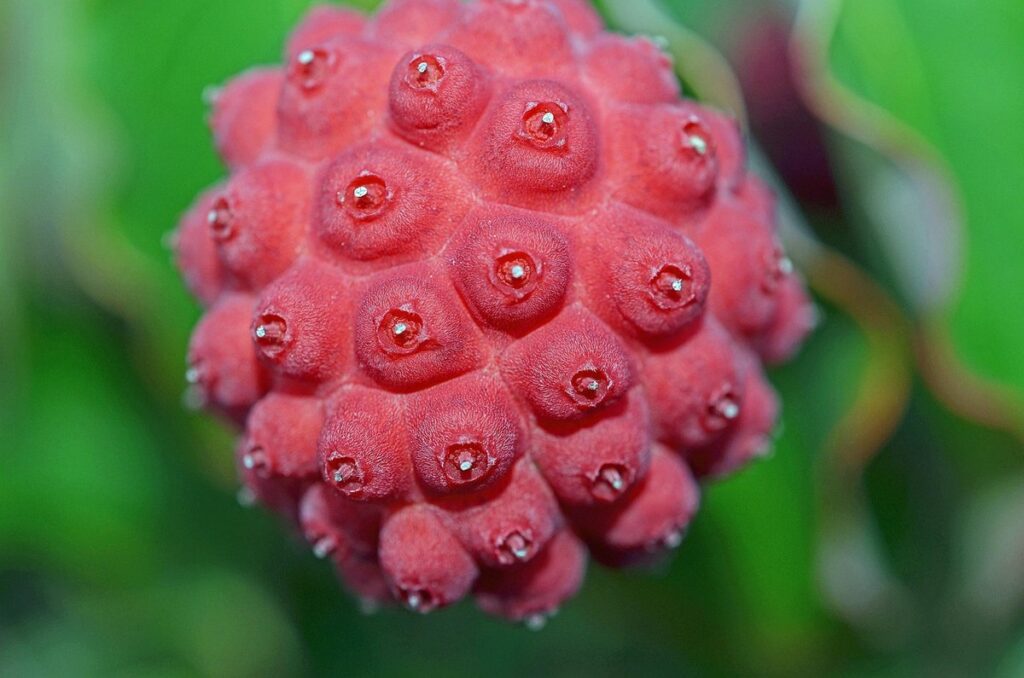
When it comes to flowers, the Asian Dogwood produces showy white blooms that appear in late spring, attracting bees and butterflies to their sweet fragrance. Each flower has four petals, arranged in a unique pattern – a characteristic you can use to distinguish the Asian Dogwood from other dogwood species. The tree’s fruit is another notable feature: small, red berries grow in clusters along the branches, providing a vital food source for wildlife.
By paying attention to these distinctive characteristics, you’ll be able to confidently identify an Asian Dogwood tree.
Growing an Asian Dogwood Tree: Tips and Tricks
Growing an Asian dogwood tree requires careful planning, as it thrives in specific conditions and needs regular maintenance to reach its full potential. Here’s what you need to know to give your tree the best chance at success.
Choosing the Right Location
When it comes to choosing the right location for your Asian dogwood tree, climate plays a significant role. These trees thrive in USDA zones 5-8, where temperatures range from -20°F to 90°F (-29°C to 32°C). They prefer areas with mild winters and hot summers, but can tolerate some frost.
Soil type is also crucial for healthy growth. Asian dogwood trees do well in a variety of soils, including clay, loam, and sand, as long as they drain well. However, they tend to perform poorly in waterlogged or compacted soils. It’s essential to assess your soil conditions before planting to ensure it can support the tree’s root system.
In terms of sunlight, Asian dogwood trees require at least 4-6 hours of direct sunlight per day to photosynthesize and grow properly. Partial shade is acceptable, but avoid planting them in full shade as this can lead to weak growth and increased susceptibility to disease. When selecting a location for your tree, consider the surrounding environment and ensure it receives sufficient sunlight while also providing adequate protection from extreme weather conditions.
When evaluating potential locations, keep an eye out for areas with good air circulation to prevent moisture buildup around the trunk. Avoid planting near overhead obstructions or water sources that may cause root rot or other issues. By considering these factors, you can set your Asian dogwood tree up for success and enjoy its stunning beauty for years to come.
Planting and Care Instructions
When planting an Asian Dogwood Tree, choose a location with well-draining soil and full sun to partial shade. Dig a hole twice as wide and just as deep as the root ball of the tree, then gently place it in the hole, making sure not to compact the roots. Water thoroughly after planting.
To ensure your tree receives adequate moisture, water it regularly during its first year, especially during hot summer months. Aim for about 1 inch of water per week, either through rainfall or irrigation. A layer of mulch around the base will also help retain moisture and suppress weeds.
As for fertilization, an Asian Dogwood Tree benefits from regular feeding with a balanced fertilizer in early spring and again after it finishes blooming. However, avoid over-fertilizing, as this can damage the tree’s delicate roots.
Pruning is essential to maintain your Asian Dogwood Tree’s shape and promote healthy growth. Prune in late winter or early spring, removing any dead or damaged branches, and cutting back new shoots by about one-third to encourage bushy growth. Regular pruning will also help control its mature size, which can reach up to 20 feet tall.
Health Benefits and Uses of the Asian Dogwood Tree
The Asian dogwood tree has a multitude of uses, from providing stunning beauty to offering numerous health benefits when its various parts are utilized in traditional medicine.
Medicinal Properties
In traditional medicine, various parts of the Asian dogwood tree have been used to treat a range of ailments. The bark is commonly used to reduce fever and alleviate rheumatic pain. For example, in some indigenous cultures, it’s brewed into a tea to help bring down high temperatures. Inflammation is another condition that has been targeted with the use of Asian dogwood bark. Its anti-inflammatory properties are said to be effective in reducing swelling and ease discomfort.
In addition to its uses for fever and inflammation, the leaves have also been employed as a treatment for digestive issues. Some people chew on the leaves to relieve nausea and stomach cramps. The roots, too, hold medicinal value. They’re believed to possess antimicrobial properties, which can help combat infections in the body. When preparing these parts for medicinal use, it’s essential to consult with an expert or follow tried-and-true traditional methods to avoid any adverse reactions.
When using Asian dogwood for medicinal purposes, some key considerations include proper identification of the tree and its various parts, as well as adhering to traditional preparation methods. With caution and guidance, the potential benefits of this versatile plant can be harnessed.
Food and Beverage Applications
The fruit of the Asian Dogwood tree is a popular ingredient in many traditional cuisines, particularly in Korean and Chinese cooking. The fruit has a sweet and slightly tart flavor profile, often described as a combination of strawberries and pineapple. It’s rich in vitamins A and C, potassium, and antioxidants, making it a nutritious addition to various dishes.
In cooking, the Asian Dogwood fruit is commonly used in salads, smoothies, and baked goods. Its unique flavor pairs well with spices like ginger and cinnamon, and it’s also great when paired with sweet ingredients like honey or maple syrup. To make the most of this versatile ingredient, try making a jam or jelly by boiling down the fruit with sugar and water.
The flowers of the Asian Dogwood tree are also edible and can be used to make teas. The delicate white blooms have a subtle floral flavor and aroma, often described as a combination of rose petals and orange blossoms. To infuse the tea, simply steep the dried flowers in hot water for 5-7 minutes.
In Korean cuisine, the Asian Dogwood fruit is used to make a traditional jam called “sang-mul-gwa”. This sweet spread is made by cooking down the fruit with sugar and spices, then serving it as a topping for rice cakes or desserts.
Asian Dogwood Tree Varieties: A Closer Look
There are several stunning varieties of the Asian dogwood tree, each with its own unique characteristics and growth patterns. Let’s take a closer look at some of the most popular types.
Notable Variations and Cultivars
Some of the most striking and diverse variations of the Asian dogwood tree can be found in cultivars such as ‘Satomi’, ‘Kagiri-nishiki’, and ‘Kousa Double Flower’. These trees have evolved to showcase unique characteristics that cater to various tastes and preferences.
The ‘Satomi’ variety, for instance, boasts vibrant pink flowers with yellow centers, creating a stunning display of color. This cultivar is known for its robust growth habit, making it an ideal choice for larger landscapes or horticultural projects. The ‘Kagiri-nishiki’ variety takes a different approach with its elegant white blooms and delicate, lacy foliage.
On the other hand, the ‘Kousa Double Flower’ cultivar offers a dramatic show of double-layered pink flowers that create an impressive display in late spring. Its attractive branches also provide a natural habitat for birds and small wildlife. This variety is more compact than others, making it suitable for smaller spaces or containers.
For gardeners looking to make the most of their Asian dogwood tree’s growth habits, there are several considerations to keep in mind. For example, ‘Satomi’ and ‘Kagiri-nishiki’ both prefer partial shade and well-drained soil, while ‘Kousa Double Flower’ is adaptable to a range of conditions.
When selecting an Asian dogwood tree cultivar for your landscaping project or horticultural endeavors, it’s essential to weigh the pros and cons of each variety. Consider the mature size of the tree, growth rate, maintenance needs, and desired aesthetic. With so many captivating options available, choosing the right cultivar can be a delightful experience that brings beauty and character to any outdoor space.
Pests and Diseases: Common Issues and Solutions
As you grow your Asian Dogwood Tree, it’s not uncommon to encounter pests and diseases that can damage its health and beauty. Let’s tackle some common issues and solutions together.
Identifying Problems and Symptoms
As an Asian Dogwood tree owner, it’s essential to be aware of the potential pests and diseases that can affect your beautiful tree. One common issue is aphids, which can be identified by their small, soft bodies and white, waxy secretions on the leaves. These pesky insects feed on the sap of the tree, causing curled or distorted leaves and stunted growth.
Another issue to watch out for is spider mites, which are tiny, spider-like insects that feed on the sap of the tree’s leaves. You may notice fine webbing on the underside of leaves or a yellowing or bronzing of the foliage. To control aphids and spider mites, use insecticidal soap or horticultural oil according to the product’s instructions.
Diseases like powdery mildew can also affect Asian Dogwood trees, causing a white, powdery coating on the leaves and stems. This fungus thrives in humid environments and can be treated with fungicides. Root rot is another potential issue, caused by excessive moisture and poor drainage. Be sure to monitor your tree’s soil conditions and adjust as needed to prevent root rot.
Keep an eye out for signs of these pests and diseases, and take prompt action if you notice any issues. Regular monitoring and maintenance can go a long way in keeping your Asian Dogwood tree healthy and thriving.
Prevention and Treatment Methods
To keep your beautiful Asian Dogwood tree thriving, it’s essential to take preventative measures against pests and diseases. One of the most effective ways is through integrated pest management (IPM) techniques. This approach involves identifying potential issues early on, using a combination of methods to prevent infestations or infections.
Start by selecting healthy trees from reputable nurseries, and plant them in well-draining soil with full sun to partial shade. Watering regularly but avoiding overwatering can also help prevent root rot, which can attract pests like fungi and bacteria.
Organic treatments are a great alternative to chemical pesticides and fungicides. For example, spraying neem oil or horticultural oil on the tree’s leaves can repel aphids and other pests. You can also use insecticidal soap or pyrethrin-based sprays to control infestations.
By adopting these preventive measures, you’ll be able to enjoy your Asian Dogwood tree for years to come.
Conclusion: The Asian Dogwood Tree in Context
As we wrap up our exploration of the Asian dogwood tree, let’s take a moment to reflect on how its unique characteristics and benefits fit into your overall gardening plans.
Recap of Key Points
As you’ve learned about the Asian Dogwood Tree, it’s essential to recap the key points that make this tree a unique and valuable addition to your garden. Let’s review its standout features: stunning showy flowers, attractive foliage, and remarkable adaptability to various environments.
In terms of growth requirements, remember that the Asian Dogwood Tree thrives in well-drained soil with partial shade to full sun exposure. Regular watering and fertilization will also help it reach its maximum potential. As for uses, this tree is an ideal choice for landscaping due to its ornamental value and relatively small size.
However, when cultivating an Asian Dogwood Tree, be aware of potential challenges such as sensitivity to frost and disease susceptibility. With proper care and maintenance, these risks can be mitigated. Consider planting multiple trees in a group setting to create a visually appealing display of flowers and foliage. By keeping these factors in mind, you’ll be well on your way to successfully growing an Asian Dogwood Tree that will bring joy and beauty to your outdoor space for years to come.
Final Thoughts and Recommendations
As we conclude our exploration of the Asian Dogwood Tree, it’s essential to acknowledge its profound cultural significance and ecological importance. This tree has been a cornerstone of traditional Chinese medicine for centuries, with its bark and berries used to treat various ailments. Its beauty and resilience have also made it a sought-after ornamental plant in many Asian gardens.
If you’re interested in growing your own Asian Dogwood Tree, consider the following practical advice: choose a location with well-draining soil and full sun to partial shade. Water regularly during its first year of growth, but avoid overwatering, which can lead to root rot. Prune your tree annually to maintain its shape and promote healthy growth.
Remember that patience is key when growing an Asian Dogwood Tree – it may take several years for the tree to reach its full potential. However, with proper care and attention, you’ll be rewarded with a stunning specimen that will provide beauty and shade for generations to come.
Frequently Asked Questions
How do I ensure the Asian Dogwood Tree receives proper sunlight?
To get the most out of your tree’s growth and health, make sure it’s planted in a spot that receives at least four to six hours of direct sunlight per day. East- or west-facing locations are ideal, as they provide gentle morning or afternoon sun without intense midday rays.
Can I grow an Asian Dogwood Tree indoors?
While it’s technically possible to grow an Asian Dogwood Tree indoors, it requires a lot of space and careful management. This tree thrives in outdoor environments with natural sunlight, wind, and temperature fluctuations. If you do decide to grow it indoors, ensure the pot is at least 10 feet tall and has excellent air circulation.
How do I prevent pests like Japanese beetles or aphids from affecting my Asian Dogwood Tree?
Regularly inspect your tree for signs of infestation, and use Integrated Pest Management (IPM) techniques to control pest populations. Keep your tree healthy through proper watering, pruning, and fertilization, as these practices can help deter pests.
Can I use the branches or flowers of the Asian Dogwood Tree in herbal remedies?
Yes, the branches and flowers of the Asian Dogwood Tree have medicinal properties and can be used in herbal remedies. However, it’s essential to identify the correct species (Cornus kousa) and follow proper harvesting and preparation procedures to ensure safe use.
How often should I water my newly planted Asian Dogwood Tree?
Newly planted trees require more frequent watering than established ones. Water your tree regularly during its first year of growth, keeping the soil consistently moist but not waterlogged. As it matures, reduce watering frequency to about once a week during dry spells.