
Are you ready to discover one of the most versatile and fascinating trees in your garden? The Kousa Dogwood tree is an understated gem that’s packed with unique characteristics, waiting to be uncovered. Whether you’re a seasoned gardener or simply someone who appreciates the beauty of nature, this guide is for you. Not only will we delve into its remarkable growing conditions and health benefits, but also explore its various uses in gardening and beyond. From its stunning white blooms to its hardy tolerance of extreme weather, the Kousa Dogwood tree has a lot to offer. In this informative article, we’ll cover everything you need to know about this incredible tree, including its ideal growing conditions, health benefits, and creative uses – perfect for anyone looking to bring some natural beauty into their life.
Characteristics and Appearance
The Kousa Dogwood Tree: A Comprehensive Guide
So, what does a healthy kousa dogwood tree look like? Let’s take a closer look at its distinctive characteristics and appearance.
Physical Description
The Kousa dogwood tree is a stunning deciduous shrub that showcases its unique characteristics through its physical appearance. Reaching mature heights of 15 to 25 feet tall and 10 to 15 feet wide, this compact tree makes an ideal choice for small gardens or landscapes.
Its shape is typically rounded, with a spread-out canopy that provides a beautiful display of leaves throughout the growing season. The branches are sturdy and relatively straight, often forming a vase-shaped crown as the tree matures.
One of the most distinctive features of the Kousa dogwood tree is its bark. The younger stems have a smooth, grayish-brown texture, while mature trunks develop a mottled, scaly appearance with age. This unique bark pattern adds an attractive layer of character to the tree’s overall appearance.
In terms of size and shape, it’s worth noting that the Kousa dogwood tree can be pruned or trained to maintain a smaller, more compact form if desired. Regular maintenance, such as annual pruning in late winter or early spring, will help encourage healthy growth and promote an even, balanced shape.
Leaf Structure and Color
The Kousa dogwood tree’s foliage is one of its most striking features, with leaves that are typically 4-8 inches long and 2-4 inches wide. The leaf structure itself is an interesting aspect to note, as the edges are usually serrated, giving them a distinctive toothy appearance. Additionally, the leaves have a pointed tip at the end and are attached to the twig by a short petiole.
One notable feature of Kousa dogwood tree leaves is their variegation pattern, which can range from solid green to a mottled or striped combination of white, cream, or pale yellow. This colorful effect adds an extra layer of visual interest to the tree’s overall appearance. Some trees may also exhibit natural color variations depending on factors like temperature and humidity levels.
When identifying Kousa dogwood tree leaves, it’s essential to note that the shape can be slightly irregular and asymmetrical compared to more uniform leaf shapes found in other species. However, this unique characteristic only serves as a testament to the beauty of nature’s unpredictability.
Flowering Habits
One of the most striking features of the Kousa Dogwood Tree is its showy flowers. In late spring to early summer, usually around May and June, the tree bursts into bloom with clusters of small, white or pink bracts that resemble tiny petal-like structures surrounding a central cluster of tiny yellow-green flowers. These bracts are actually modified leaves that help attract pollinators like bees and butterflies.
The flowering habits of the Kousa Dogwood Tree are influenced by factors such as weather conditions, soil quality, and age of the tree. Typically, mature trees with full sun exposure produce more profuse blooming than those grown in shadier locations. When growing your own Kousa Dogwood, ensure it receives at least 6 hours of direct sunlight daily for optimal flowering results.
Be aware that the flowers are sterile, meaning they don’t produce viable seeds or propagate the species. However, this characteristic has an advantage as it reduces maintenance and prevents seed dispersal in unwanted areas.
Growing Conditions and Care
To ensure your Kousa dogwood tree thrives, it’s essential to understand its specific growing conditions and care requirements, which we’ll break down below.
Climate and Soil Preferences
To grow a healthy and thriving Kousa Dogwood Tree, it’s essential to understand its specific climate and soil preferences. This tree prefers well-drained acidic soils with a pH between 5.5 and 6.5, making it ideal for woodland gardens or areas with rich leaf litter. In terms of sunlight, Kousa Dogwoods prefer partial shade to full sun, but excessive heat can cause stress.
When selecting a planting site, ensure it receives the right amount of moisture. These trees are relatively drought-tolerant but will perform best when receiving about 1 inch of water per week. Be mindful of overwatering, as this can lead to root rot and other issues. In terms of temperature, Kousa Dogwoods thrive in zones 5-8, with temperatures between -20°F to 30°F (-29°C to -1°C). They’re also relatively resistant to extreme weather conditions like heavy snow or strong winds.
Keep in mind that these trees can adapt to a variety of soil types, but they’ll perform best in slightly acidic soils. To achieve the right soil pH, add organic matter like compost or peat moss to your planting site before planting.
Watering and Fertilization Needs
When it comes to watering and fertilization needs of your Kousa Dogwood Tree, it’s essential to get it right. Overwatering can be detrimental, while underwatering may lead to poor growth and leaf scorch.
As a general rule, water your Kousa Dogwood regularly during the first year after planting. This should include about 1 inch of water per week, either from rain or irrigation. Once established, this tree is relatively drought-tolerant but will still require occasional watering during prolonged dry spells. Aim to provide 3-4 feet of clearance around the base for efficient air circulation and root growth.
Fertilization plays a crucial role in promoting healthy growth and flowering. Feed your Kousa Dogwood with a balanced, slow-release fertilizer (10-10-10 NPK) in early spring before new growth begins. You can also consider applying an acidic fertilizer to promote the tree’s natural pH range. If you notice nutrient deficiencies, such as yellowing leaves or weak branches, make sure to adjust your fertilization schedule accordingly.
Pruning and Maintenance Tips
To keep your Kousa Dogwood Tree thriving and looking its best, regular pruning and maintenance are essential. Pruning not only helps to shape the tree’s growth but also promotes healthy development by removing dead or diseased branches.
When it comes to pruning a Kousa Dogwood, timing is everything. The ideal time for pruning is during the dormant season, typically in late winter or early spring. This allows you to make clean cuts without stimulating new growth that may be vulnerable to disease and pests. To prune, start by removing any dead or damaged branches, cutting them back to a healthy lateral branch or the trunk.
To maintain the tree’s desired shape, select a few main branches and trim back any secondary growth to about one-third of its original length. This will encourage the tree to focus its energy on developing strong, well-spaced branches. Additionally, consider thinning out some of the lower branches to allow for better air circulation, which can help prevent disease.
Regular maintenance also involves inspecting your tree regularly for signs of pests or diseases, such as Japanese beetles or anthracnose. If you catch any issues early on, treat them promptly with organic or chemical pesticides according to label instructions.
Some essential pruning tools for a Kousa Dogwood include a pair of sharp loppers, bypass pruners, and a pole saw for reaching high branches.
Health Benefits and Uses
You’ll be happy to know that the kousa dogwood tree has been used for centuries in traditional medicine, offering a range of health benefits. Let’s explore some of its most valuable uses.
Medicinal Properties
In traditional medicine, the Kousa Dogwood Tree has been used for centuries to treat various ailments. The tree’s bark and leaves contain compounds that exhibit anti-inflammatory and antioxidant properties, making it a sought-after remedy for digestive issues and skin conditions. The roots of the tree are also used in traditional Chinese medicine to treat fever and rheumatism.
In Eastern herbalism, Kousa Dogwood is valued for its ability to reduce swelling and alleviate pain. Tea made from the bark and leaves can be consumed to soothe stomach ulcers, diarrhea, and other gastrointestinal problems. The antibacterial properties of the tree’s extracts have also been used topically to treat wounds, cuts, and skin irritations.
To harness the medicinal properties of the Kousa Dogwood Tree, simply dry the leaves or bark and infuse them in hot water to make a tea. This remedy can be consumed up to three times a day for optimal results. As with any herbal treatment, it’s essential to consult with a healthcare professional before using the tree’s extracts as a substitute for conventional medicine.
When preparing Kousa Dogwood remedies, ensure that the tree is properly identified and harvested from a sustainable source. The bark should be dried immediately after harvesting to preserve its potency.
Ornamental Value
One of the most attractive aspects of the Kousa Dogwood Tree is its ornamental value. When it comes to landscaping and gardening, this tree’s unique characteristics make it an ideal choice for adding beauty and interest to any outdoor space. Its showy white or pink flowers in late spring are a striking feature, attracting pollinators and adding a pop of color to the landscape.
In addition to its flowering display, the Kousa Dogwood Tree also offers attractive foliage, with dark green leaves that turn a reddish-purple hue in fall. The tree’s compact growth habit makes it suitable for smaller gardens or spaces, while its adaptability to various soil types and moisture levels means it can thrive in a range of environments.
To maximize the ornamental value of your Kousa Dogwood Tree, consider planting multiple trees to create a stunning display of flowers and foliage. Prune your tree annually to maintain its shape and promote healthy growth, ensuring you enjoy its beauty for years to come.
Woodworking and Crafts
For woodworkers and crafters, the Kousa Dogwood tree offers an attractive option for woodworking projects. The wood is prized for its durability and stability, making it well-suited for construction and furniture-making applications. It’s also resistant to warping and cracking, which means pieces will retain their shape over time.
In terms of workability, Kousa Dogwood wood is a bit harder than some other domestic hardwoods, with a Janka hardness rating of around 1,000 pounds per square inch (psi). This makes it more challenging to cut, but also more resistant to wear and tear. Woodworkers may need to use a slightly sharper blade or adjust their cutting technique to get the best results.
When working with Kousa Dogwood wood, it’s essential to follow proper safety precautions due to its fine grain and potential for tearing during the cutting process. With the right tools and techniques, however, this versatile hardwood can be used to create beautiful and long-lasting pieces of furniture or other woodwork projects.
Pests and Diseases
As a kousa dogwood tree owner, it’s essential to be aware of the potential pests and diseases that can affect your tree, from borers to powdery mildew. We’ll walk you through common issues to look out for and how to prevent them.
Common Pests and Diseases
As a kousa dogwood tree owner, it’s essential to be aware of the common pests and diseases that can affect this beautiful tree. Some of the most prevalent issues include:
The kousa dogwood is susceptible to powdery mildew, a fungal disease that causes white powdery patches on leaves. Signs of infestation or infection include yellowing leaves, stunted growth, and a fine white powder on leaves and stems. To prevent powdery mildew, maintain good air circulation around the tree by pruning nearby plants and keeping the soil moist but not waterlogged.
Another common issue is scale insects, which can cause damage to the tree’s bark and leaves. These tiny insects secrete a sticky substance called honeydew, which can attract other pests like ants. To control scale infestations, use insecticidal soap or neem oil according to product instructions.
Additionally, kousa dogwood trees are vulnerable to borers, such as the bronze birch borer, which can cause significant damage if left unchecked. Regular inspections of the tree’s trunk and branches can help detect any signs of infestation early on.
By being proactive in monitoring for these common pests and diseases, you can take steps to prevent infestations and keep your kousa dogwood tree healthy and thriving.
Prevention and Treatment Methods
To ensure the health and longevity of your Kousa Dogwood Tree, it’s essential to implement integrated pest management (IPM) strategies for prevention and treatment. Regular inspections are crucial in detecting pests and diseases early on, allowing you to take prompt action.
When it comes to pests, consider using physical barriers or repellents to deter insects like aphids, spider mites, and scale. For example, applying a neem oil solution can help control aphid populations without harming beneficial insects. Biological controls, such as introducing natural predators or parasites, can also be an effective method.
For diseases like anthracnose, leaf spot, and powdery mildew, fungicides are often necessary. However, always follow the recommended application rates and timing to minimize environmental impact. Practicing good hygiene by removing infected leaves and debris can also help prevent disease spread. Implementing IPM strategies, including cultural controls like maintaining proper soil moisture and providing adequate air circulation, will contribute to a balanced ecosystem that supports healthy tree growth.
History and Cultural Significance
The kousa dogwood tree has a rich history that spans centuries, originating from East Asia and later becoming popular in North America for its striking beauty. We’ll delve into its fascinating past and explore its cultural importance.
Origins and History
The Kousa dogwood tree has its roots in Asia, specifically China and Japan. Native to these regions, it was highly valued for its stunning white flowers that bloomed in the spring and its unique berry-like fruit. The tree’s introduction to North America dates back to the early 20th century when it was brought over by botanists and horticulturists who were eager to share new and exciting plant species with American gardeners.
As a result of its Asian origins, the Kousa dogwood has become an integral part of Japanese and Chinese culture. In these countries, it is highly prized for its beauty and symbolism. For example, in Japan, the Kousa dogwood is often associated with good fortune and prosperity due to its stunning white flowers that bloom in late spring.
When introducing this tree to your garden, consider its cultural significance and unique characteristics. Plant multiple trees for a stunning display of white flowers in the spring, or choose a single specimen tree for a more dramatic effect.
Symbolism and Folklore
In many cultures, trees hold deep symbolic meanings and spiritual significance. The Kousa Dogwood Tree is no exception, with its unique characteristics and attributes weaving a rich tapestry of folklore and mythology around it.
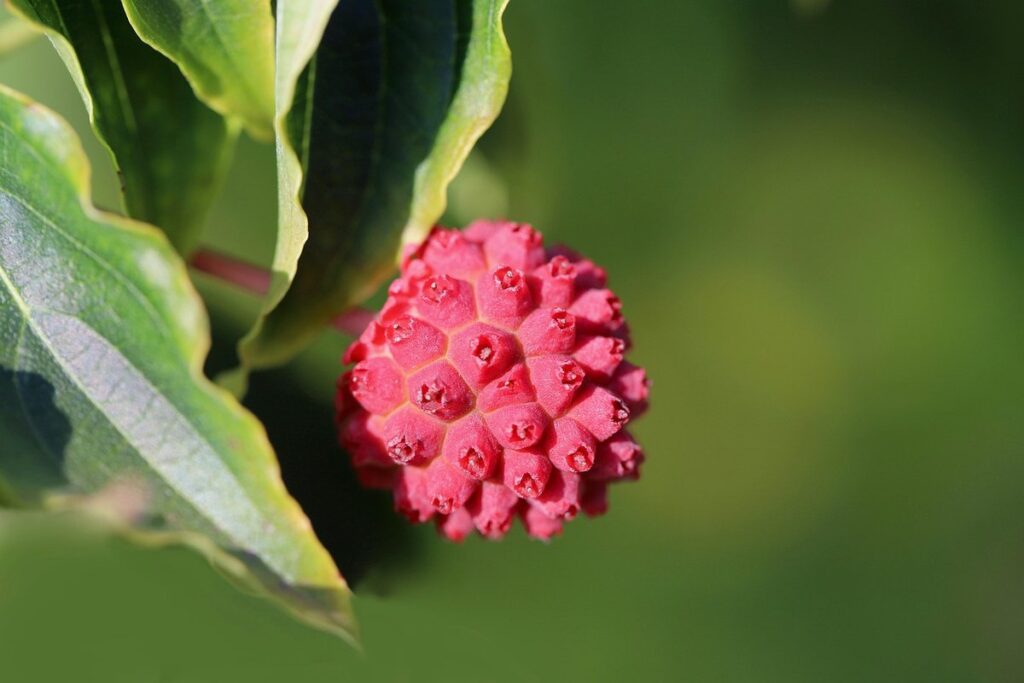
In Japanese culture, the Kousa Dogwood is associated with longevity and good fortune, often given as gifts to friends and loved ones during special occasions. In some Asian traditions, the tree’s white flowers are believed to symbolize purity and innocence, while its red berries represent love and passion. The tree’s ability to thrive in poor soil also earns it respect for resilience and adaptability.
In many Eastern cultures, trees like the Kousa Dogwood are revered as bridges between the physical and spiritual worlds, serving as thresholds between life and death, or between the world of humans and that of nature spirits. By embracing these symbolic meanings, individuals can tap into the tree’s spiritual energies, cultivating qualities like balance, harmony, and wisdom.
Some cultures also associate the Kousa Dogwood with protection, using its wood to create talismans and charms warding off negative energies and promoting well-being.
Frequently Asked Questions
What’s the ideal planting time for a Kousa Dogwood tree?
The best time to plant a Kousa Dogwood tree is in early spring or fall, when the weather is cooler and there’s ample moisture in the soil. Avoid planting during extreme heat or cold snaps, as this can cause stress to the young tree.
Can I grow a Kousa Dogwood tree in containers?
Yes, you can grow a Kousa Dogwood tree in containers, but be sure to choose a container that’s at least 14-16 inches deep and has good drainage. This will allow for proper root growth and help prevent waterlogged soil.
How do I propagate a Kousa Dogwood tree from cuttings?
To propagate a Kousa Dogwood tree from cuttings, take 6-8 inch stem sections with at least two sets of leaves. Dip the cut ends in rooting hormone powder or liquid, then plant them in a mix of perlite and peat moss. Keep the soil consistently moist but not waterlogged until roots develop.
Are Kousa Dogwood trees resistant to pests and diseases?
While Kousa Dogwood trees are relatively pest- and disease-resistant, they can still be susceptible to issues like leaf scorch, powdery mildew, or borers. Regular monitoring, proper pruning, and maintenance can help prevent these problems.
Can I use the wood from a mature Kousa Dogwood tree for woodworking projects?
Yes, the wood from a mature Kousa Dogwood tree is highly prized for its density, grain pattern, and durability. It’s suitable for a range of woodworking projects, including furniture-making, cabinetry, and even musical instruments.