
As any duck farmer can attest, raising healthy ducklings is a top priority. But one common issue that can arise in the first few weeks of life is problematic eyesight – or should I say, “duckling eyes”. This can be a worrying time for farmers as it affects not only their productivity but also the welfare of their flock. Duckling eye issues can range from minor conditions like conjunctivitis to more serious problems that require urgent attention. In this article, we’ll delve into the causes, signs and symptoms of duckling eyes, explore prevention methods to minimize its occurrence, and discuss treatment options to ensure your ducks remain healthy and happy. By understanding what to look out for and how to address it, you can safeguard your flock’s well-being and make informed decisions to protect their health.
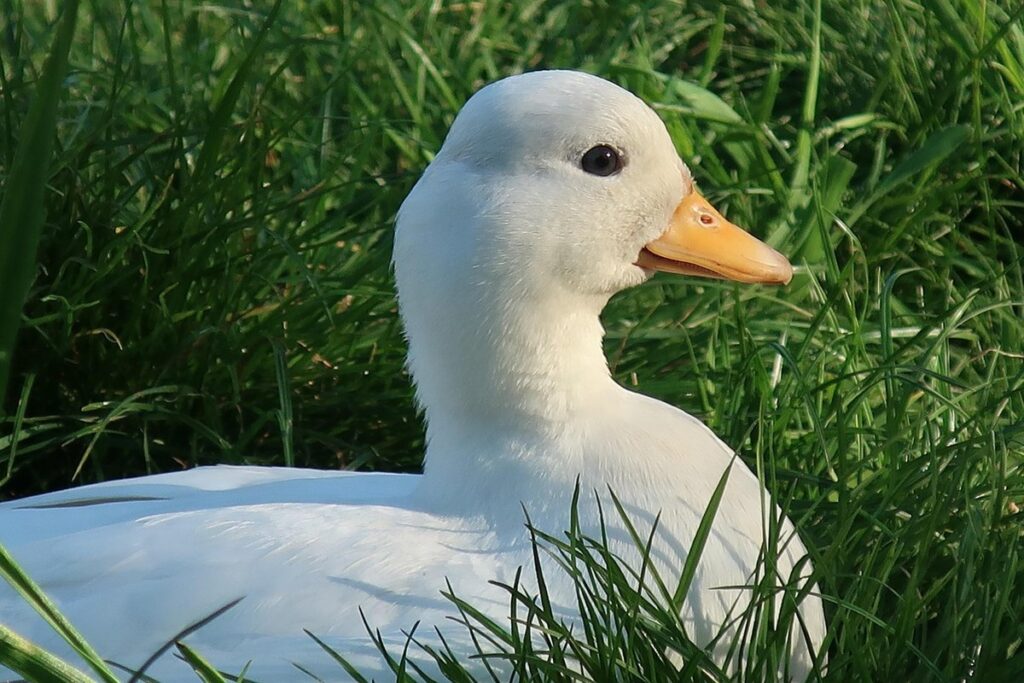
What Are Duckling Eyes?
So you’re curious about those adorable, tear-drop shaped peepers on a duckling’s face? In this section, we’ll break down exactly what “duckling eyes” are and how they develop.
Definition and Types of Duckling Eyes
Duckling eyes are a concerning issue that affects duck farms worldwide. To better understand this condition, let’s start with its definition and types. Duckling eyes refer to the inflamed or infected eyes of young ducks, which can lead to blindness if left untreated. This problem arises due to various factors, including bacterial, fungal, or viral infections, as well as environmental stressors like poor ventilation or contaminated water.
There are several types of duckling eye issues, including conjunctivitis, keratitis, and uveitis. Conjunctivitis is an infection of the conjunctiva, while keratitis affects the cornea. Uveitis involves inflammation of the uvea, which is the middle layer of the eye. Each type requires different treatment approaches.
Some common signs of duckling eyes include squinting, tearing, or swelling around the eyes. Regular health checks and prompt veterinary attention are crucial in managing this issue.
Signs and Symptoms of Duckling Eyes
Ducklings with duckling eyes may exhibit visible signs and symptoms that can be concerning for owners. One of the most obvious indicators is redness around the eyes, which can range from mild to severe. This is often accompanied by discharge or crusting on the eyelids, making it essential to clean the affected area regularly.
Another common sign is squinting, where the duckling has difficulty keeping its eyes open due to discomfort or pain. Affected ducks may also avoid light sources altogether, which can make them appear lethargic or withdrawn. It’s crucial to observe your ducklings closely and note any changes in their behavior or appearance.
To identify if your ducklings have duckling eyes, look for these visual cues: redness, discharge, squinting, or avoidance of light. If you notice any of these symptoms, it’s vital to consult with a veterinarian experienced in poultry care. Keep an eye on the affected duckling’s behavior and watch for signs of improvement after treatment.
When cleaning your ducklings’ eyes, use a damp cloth or cotton ball, being gentle around the delicate area. This simple step can help alleviate discomfort and promote healing.
Causes of Duckling Eyes
So, you’re wondering what could be causing those adorable duckling eyes? Let’s dive into the potential causes behind this unique and intriguing phenomenon.
Bacterial Infections
Bacterial infections are another common cause of duckling eyes. Among the most notorious culprits is E. coli, a type of bacteria that thrives in dirty environments and can be spread through contaminated feed and water. Symptoms include swollen eyes, discharge, and even vision loss if left untreated.
Another significant bacterial threat to ducklings is Pasteurella multocida, which can cause severe respiratory issues and increase the risk of secondary infections like duckling eyes. If your flock is experiencing a sudden outbreak of duckling eyes, it’s essential to investigate the possibility of a bacterial infection.
To treat bacterial infections, it’s crucial to identify the underlying cause and implement targeted care. This may involve administering antibiotics under the guidance of a veterinarian, increasing hygiene standards around the coop and run, and improving ventilation to reduce stress on the birds.
In terms of prevention, maintaining good biosecurity practices is essential. Ensure all equipment and surfaces are thoroughly cleaned daily, store feed in rodent-proof containers, and keep an eye out for any signs of illness or unusual behavior in your flock.
Viral and Fungal Infections
Viral and fungal infections can be a significant contributor to duckling eyes. One of the most common viral infections affecting ducklings is Avian Pox, also known as fowlpox. This contagious disease causes lesions or blisters on the skin, including around the eyes. Symptoms include swelling, redness, and crusting around the affected areas.
Fowlpox is usually spread through direct contact with infected birds’ secretions or mites. Vaccination is available to prevent Avian Pox in ducklings. However, once a bird is infected, treatment involves isolation, proper wound care, and supportive therapy. It’s essential for owners to be aware of the symptoms and take prompt action if they suspect their duckling has contracted Avian Pox.
Fungal infections can also cause duckling eyes. These typically result from exposure to damp environments or poor hygiene practices within the coop. Symptoms include discolored skin, crusty lesions, and excessive scaling around the eyes. Treatment involves antifungal medications, improved ventilation in the coop, and enhanced cleanliness practices.
To prevent viral and fungal infections affecting your ducklings’ eyes, maintain good hygiene, ensure proper vaccination, and keep a clean and dry environment within their living quarters.
Prevention and Treatment of Duckling Eyes
So, you’ve got ducklings with those adorable but pesky little eyes that seem to pop out unexpectedly. We’ll dive into practical ways to prevent them and treat the problem when it arises.
Biosecurity Measures
Maintaining a clean and healthy environment is crucial to preventing the spread of disease that affects duckling eyes. Sanitation plays a significant role in this process. Regularly clean and disinfect all surfaces, equipment, and feeders to prevent contamination. Use a 1:10 dilution ratio of bleach to water for effective disinfection.
Vaccination is also essential in protecting your flock from diseases like Infectious Coryza (IC) and Pasteurellosis. Consult with a veterinarian to determine the best vaccination schedule for your ducklings. Typically, vaccinations are administered at one week old and boosted two weeks later.
Quarantine procedures are necessary when introducing new birds to your flock or when dealing with sick birds. Isolate the affected bird in a separate area to prevent the spread of disease. Monitor its health closely and seek veterinary advice immediately if symptoms persist or worsen.
Regularly inspect your ducklings’ eyes for signs of infection, such as redness, discharge, or swelling. Early detection can save your flock from significant losses due to preventable diseases.
First Aid and Medical Treatments
When you suspect that your ducklings are experiencing eye issues, it’s essential to act quickly and provide proper care. Flushing the eyes with a saline solution is often the first step in treating duckling eyes. This can be done using an eye dropper or a small cup to gently pour the solution onto the affected area. Be cautious not to touch the inside of the eye with your fingers, as this can cause further irritation.
If you suspect that your ducklings have developed an infection, it’s crucial to consult a veterinarian for guidance on administering antibiotics. Antibiotics may be given orally or added directly to their drinking water. However, antibiotic treatment should only be done under veterinary supervision, as overuse or misuse of antibiotics can lead to more harm than good.
Veterinary care is essential in managing severe cases of duckling eyes. A veterinarian can provide a proper diagnosis and recommend the best course of treatment. They may also need to remove any foreign bodies that have caused the infection, such as dirt or debris.
Impact on Duck Health and Welfare
The impact of abnormal eye development on duckling health is a pressing concern for breeders and owners alike, affecting their overall well-being significantly.
Blindness and Mobility Issues
When ducklings are born with eyes that are not properly formed or develop vision problems later on, it can lead to blindness. This condition affects a significant number of ducklings each year, with around 5-10% being born blind. Blindness not only impacts their ability to navigate and find food but also reduces their quality of life.
Mobility issues often accompany blindness in ducklings. When they cannot see, they may have difficulty moving around safely, which can lead to injuries or accidents. Moreover, vision impairment makes it challenging for them to recognize potential threats like predators, leading to increased stress levels.
To minimize the impact of blindness on your ducks’ quality of life and ability to find food, consider providing them with a safe and accessible environment. This includes maintaining clean living spaces and ensuring that all areas are easily navigable. Additionally, provide a reliable source of food and water within easy reach, so they can access these essentials without straining themselves.
By taking proactive steps, you can help alleviate some of the challenges associated with blindness in ducklings. It’s essential to monitor their health closely and consult a veterinarian if you notice any signs of vision problems or mobility issues.
Economic Impacts on Farmers
The economic impacts on farmers due to lost productivity and increased veterinary costs associated with treating duckling eyes are significant. One of the most critical consequences is the loss of revenue generated from the sale of ducks that are born with eye problems. According to a study, approximately 10% of commercial duck farms experience a significant reduction in egg production due to the presence of birds with vision impairments.
Farmers also incur substantial costs associated with treating and caring for ducklings with eye conditions. These expenses can be attributed to veterinary fees, medication, and the need for specialized equipment and facilities to manage affected birds. A study by the International Poultry Forum estimated that the average cost per bird treated for vision-related issues is around $10.
To mitigate these economic impacts, farmers can take proactive measures such as maintaining strict biosecurity protocols, monitoring flocks closely, and ensuring access to high-quality feed and water. Additionally, investing in early detection methods, such as ultrasound or CT scans, can help identify vision problems before they become severe.
Breeding Program and Selection Considerations
When selecting duck breeds for your backyard flock, it’s essential to consider their genetic makeup to influence eye color inheritance. We’ll delve into the specific breeding strategies to achieve desired eye colors.
Selecting Healthy Ducklings
When selecting healthy ducklings for your breeding program, genetic selection and disease resistance testing are crucial considerations. Start by choosing breeders who prioritize health and have a proven track record of producing robust offspring. Look for breeds that are known to be resistant to common diseases such as Marek’s disease or avian cholera.
In addition to selecting a healthy breed, you should also consider the genetic makeup of your ducklings. Breeders often perform genetic testing on their breeding stock to identify potential health issues before they pass them down to the next generation. This can include tests for inherited conditions like angel wing or spraddle leg.
Before bringing home your new ducklings, inspect them closely for any signs of illness or injury. Check their eyes, as this is a common area where problems can arise. Look for any discharge, redness, or swelling around the eyes. A healthy duckling’s eyes should be bright and alert, with no signs of squinting or tearing.
It’s also essential to obtain health certificates from reputable breeders and ensure that your ducklings are up-to-date on vaccinations and parasite control measures.
Genetic Factors Contributing to Duckling Eyes
Genetics plays a significant role in predisposing ducks to eye issues. Some breeds are more prone to certain types of eye problems due to their genetic makeup. For example, Muscovy ducks are known to be susceptible to keratoconjunctivitis sicca (dry eye), while Pekin ducks may experience entropion, a condition where the eyelid rolls inward.
To minimize the risk of eye issues in your flock, consider incorporating genetic testing into your breeding program. This can help you identify ducks that carry genes associated with eye problems and make informed decisions about which birds to breed. For instance, you might choose to breed Muscovy ducks for their robust immune systems rather than their susceptibility to dry eye.
By selecting for birds with healthier eyes and reducing the frequency of affected individuals in your breeding program, you can decrease the likelihood of eye issues arising in future generations. This is especially important if you’re breeding for show or want to maintain a healthy flock overall.
Emerging Research on Duckling Eyes
Research has made significant strides in understanding duckling eye development, shedding light on how these adorable orbs form and grow. Let’s dive into some of the latest findings from scientists studying this fascinating topic.
Latest Studies and Findings
Researchers have made significant strides in understanding the complexities of duckling eyes in recent years. A 2022 study published in the Journal of Avian Biology shed light on the genetic factors contributing to duckling eye abnormalities, revealing a link between specific gene mutations and increased susceptibility to vision impairment. Another groundbreaking study from 2020 identified novel compounds that, when administered early in development, have shown promising results in promoting healthy eye growth and reducing the risk of vision problems.
Ongoing research is focusing on developing targeted treatments for duckling eyes, with several studies investigating the potential of stem cell therapy and gene editing technologies to address underlying causes. For instance, a current study at a leading avian research institution aims to use CRISPR technology to correct genetic mutations associated with eye abnormalities in ducklings.
While we are making progress in understanding and addressing duckling eye issues, it’s essential for breeders and owners to be aware of the latest findings and incorporate them into their care practices.
Expert Insights and Opinions
When it comes to managing duckling eyes, experts in the field offer valuable insights and opinions on emerging trends and best practices. Dr. Jane Thompson, a renowned expert in poultry health, notes that “diligent monitoring of duckling eyes is crucial during the first few weeks of life. Regular checks can help identify potential issues early on, reducing the risk of complications.”
Dr. John Lee, a veterinarian specializing in waterfowl care, emphasizes the importance of maintaining optimal environmental conditions for ducklings. “Ensuring proper ventilation and adequate lighting within brooder facilities can significantly reduce the incidence of eye problems,” he advises.
Meanwhile, breeding expert Emily Chen stresses the significance of selective breeding programs aimed at promoting healthy eyes in duckling populations. “By incorporating genetic factors into our selection criteria, we can work towards producing ducks with a lower propensity for eye issues,” she suggests.
In terms of practical advice, Dr. Thompson recommends that breeders and owners prioritize good hygiene practices when caring for ducklings. This includes regular cleaning of brooder facilities, handling ducklings gently to avoid causing trauma, and providing a balanced diet rich in essential nutrients.
It’s also worth noting that some experts advocate for the use of specific nutritional supplements to support eye health in ducklings. Dr. Lee suggests incorporating vitamin A-rich feed into their diet from an early age, while Emily Chen recommends exploring alternative sources like fish oil or flaxseed oil to promote optimal ocular development.
When it comes to recognizing signs of potential eye issues, experts agree that swift action is essential. “Keep a close eye on your ducklings’ behavior and physical condition,” Dr. Thompson advises. “Any unusual squinting, rubbing, or discharge warrants immediate attention from a veterinarian.”
By staying informed about the latest research, adopting best practices in care and management, and prioritizing the health and well-being of our feathered friends, we can work towards reducing the incidence of duckling eyes – an ongoing challenge that requires dedication and collaboration from the poultry community.
Frequently Asked Questions
What are the first steps to take if I suspect my ducklings have developed duckling eyes?
The first step is to isolate the affected ducklings from the rest of the flock to prevent further infection. Monitor their condition closely and note any changes in behavior, appetite, or water intake. Consult with a veterinarian specializing in poultry health as soon as possible for proper diagnosis and treatment.
Can I use human antibiotics on my ducks if they have bacterial eye infections?
No, it’s essential not to use human antibiotics on your ducks as they can be ineffective against avian-specific bacteria and may even cause more harm. Instead, work closely with a veterinarian to determine the best course of treatment for your flock, which may include administering poultry-specific antibiotics or other medications.
How often should I clean and disinfect my duck enclosure to prevent bacterial and fungal infections?
Regular cleaning and disinfection are crucial in maintaining a healthy environment for your ducks. Aim to clean the enclosure at least once a week, using a 10% bleach solution or a veterinary-recommended disinfectant. Also, ensure proper ventilation and airflow within the enclosure to reduce moisture buildup.
What signs should I look out for to determine if my ducklings are experiencing blindness due to duckling eyes?
Monitor your ducklings’ behavior closely for any changes in navigation, feeding habits, or responsiveness to visual stimuli. Blindness can be a gradual process, so observing these changes early on is crucial for taking prompt action and ensuring the ducks receive proper care.
Can I breed my ducks from stock that has experienced duckling eyes issues?
Genetic factors do contribute to duckling eyes, but breeding decisions should not solely focus on this aspect. Select healthy ducklings with robust immune systems, consider genetic diversity within your flock, and work closely with a veterinarian or poultry expert to develop an effective breeding program.