
If you’ve ever wondered where ducks call home, you’re not alone. These fascinating waterbirds can be found in various habitats all around the world, from serene freshwater wetlands to bustling urban areas. But have you ever stopped to think about why they live where they do? What factors influence their habitat choices and distribution?
In this article, we’ll take a closer look at the diverse range of places ducks call home. We’ll explore the characteristics of their habitats, from lakes and rivers to ponds and parks. You’ll learn about the key factors that affect duck populations, such as climate, food availability, and human activity. By understanding where ducks live and why, you’ll gain a deeper appreciation for these remarkable birds and the importance of preserving their habitats. So let’s dive in and discover the fascinating world of duck habitats!
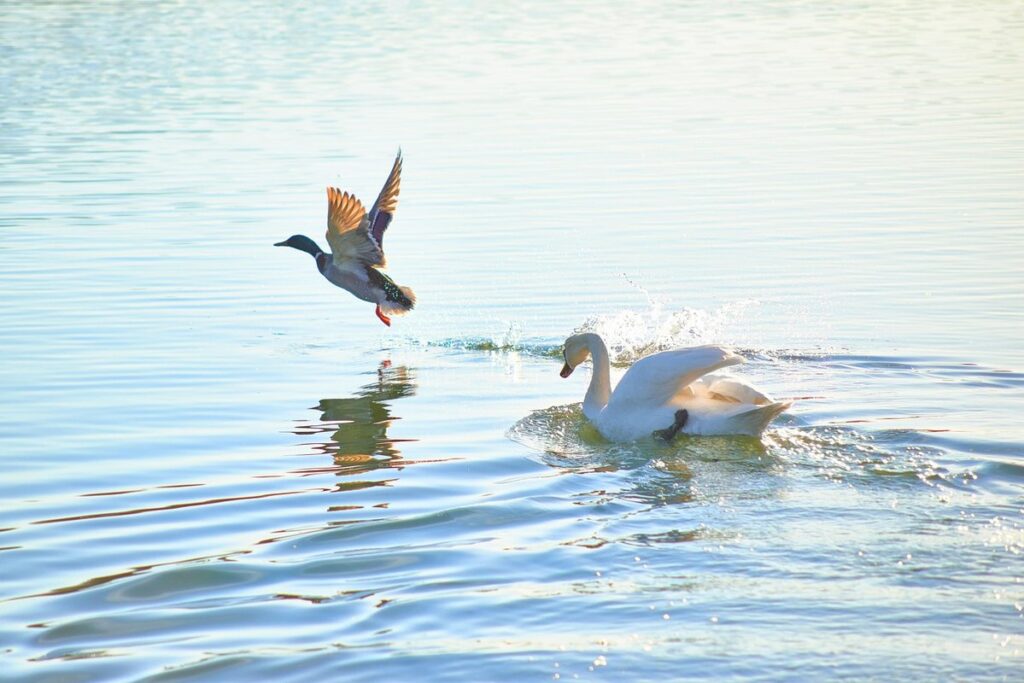
Types of Duck Habitats
Ducks can be found living in a variety of habitats, each with its unique characteristics and features that support their specific needs. Let’s explore some of the most common types of duck habitats around the world.
Freshwater Wetlands
Freshwater wetlands are a crucial component of ducks’ habitats, providing essential resources for survival. These environments can range from small ponds to vast marshes and swamps. For instance, the shallow waters of a pond offer an ideal spot for ducks to feed on aquatic plants and insects.
Marshes, on the other hand, provide a unique environment where ducks can find shelter and protection from harsh weather conditions. The tangled vegetation and narrow waterways in these areas create perfect hiding spots for ducks. Some notable examples include the Everglades in Florida and the Wadden Sea in Europe, both of which are renowned for their extensive marshlands.
Ducks also rely on freshwater wetlands as breeding grounds. The calm waters and abundant vegetation make it an ideal location for females to lay eggs and raise their young. In fact, many species of ducks migrate long distances each year to reach these areas, where they can nest and rear their offspring in safety.
When considering creating a habitat for ducks, it’s essential to replicate the conditions found in natural freshwater wetlands. This includes providing shallow water areas for feeding, dense vegetation for shelter, and access points for birds to enter and exit. By mimicking these environments, you can create a welcoming space for ducks to thrive in.
Brackish and Saltwater Environments
Ducks have adapted to live in various environments, including brackish and saltwater habitats. These areas are characterized by a mix of fresh and seawater, often found along estuaries, mangrove forests, and marine coasts. Some duck species, such as the Harlequin Duck and the Merganser, thrive in these conditions.
These ducks have developed unique physical adaptations to cope with the high salt levels in their surroundings. For instance, they have glands above their eyes that filter out excess salt from their bodies. This allows them to drink seawater without suffering from dehydration or other related issues.
Living in brackish and saltwater environments comes with its set of challenges, however. The constantly changing water levels and salinity can make it difficult for ducks to find reliable food sources and suitable breeding grounds. Additionally, human activities like coastal development and pollution can further exacerbate these problems.
Despite these challenges, living in these environments offers several benefits. For example, ducks that inhabit brackish areas often have access to a diverse range of aquatic plants and animals. This diversity provides them with a reliable food source and helps maintain the balance of their ecosystem.
Urban and Agricultural Areas
Ducks are incredibly adaptable birds that can thrive in environments often considered inhospitable to them. Urban and agricultural areas may seem like unlikely habitats for ducks, but they’re actually a common sight in these settings. In fact, many cities and towns have large populations of ducks living alongside humans.
Their presence in urban areas is largely due to the abundance of food sources such as parks, gardens, and waste management facilities. Mallards, in particular, are known to breed successfully in urban environments, often taking advantage of nesting sites like tree cavities or hidden spots near water features. While their presence can be a nuisance for some residents, others appreciate the entertainment value they bring.
In agricultural areas, ducks are often viewed as pests due to the damage they can cause to crops and farm equipment. However, farmers are increasingly recognizing the benefits of having ducks on their land. Ducks can help control pest populations by eating insects and other small animals, reducing the need for pesticides. They also contribute to nutrient-rich soil through their droppings.
To coexist peacefully with urban ducks, residents can take steps like securing trash cans and removing food sources that might attract them. Farmers, on the other hand, may consider implementing strategies to manage duck populations, such as providing suitable nesting sites or using exclusion methods to protect crops.
Geographic Distribution of Duck Species
Ducks can be found on every continent except Antarctica, and their geographic distribution varies greatly across different species and regions. Let’s explore where some of these fascinating waterfowl call home.
Continental Europe
Continental Europe is home to over 100 species of ducks, with varying migratory patterns and preferred habitats. One of the most iconic duck species found in this region is the Mallard (Anas platyrhynchos), which can be seen in urban parks and countryside wetlands. These adaptable birds are omnivores, feeding on aquatic plants, insects, and grains.
Other notable duck species in continental Europe include the Eurasian Wigeon (Mareca penelope) and the Garganey (Spatula querquedula). The former is a migratory bird that winters in Spain and Portugal before returning to its breeding grounds in Northern Europe. In contrast, the Garganey is a partial migrant, with some populations remaining year-round in Western Europe.
Many duck species in continental Europe face threats such as habitat destruction, pollution, and hunting. As a result, conservation efforts are crucial to protect these birds. For instance, the EU’s Birds Directive aims to safeguard migratory bird species by regulating human activities that impact their habitats. If you’re visiting or living in continental Europe, consider supporting local conservation initiatives or participating in citizen science projects to help monitor duck populations and protect their habitats.
North America
North America is home to an incredible diversity of duck species, with over 40 different types inhabiting this vast and varied continent. Some of the most common ducks found in North America include the Mallard, American Wigeon, Green-winged Teal, and Northern Pintail.
When it comes to managing waterfowl populations, strategies such as habitat restoration and conservation efforts are crucial for maintaining healthy duck populations. For example, the US Fish and Wildlife Service has implemented initiatives to restore wetlands and protect key breeding grounds in areas like the Prairie Pothole Region of Canada. These efforts have shown significant results, with many duck species experiencing population increases.
Notable migration routes for ducks in North America include the Pacific Flyway, which spans from Alaska to California, and the Atlantic Flyway, which runs from the Arctic Tundra to the Gulf Coast. Stopover sites like the Platte River in Nebraska are critical for ducks during their migrations, providing vital resources for rest and refueling.
If you’re planning a trip to observe duck migration patterns, consider visiting places like Bosque del Apache National Wildlife Refuge in New Mexico or the Wood Buffalo National Park in Alberta. Be sure to respect these incredible creatures’ habitats and follow guidelines for responsible wildlife viewing.
South America and Australia
South America and Australia are home to a diverse range of duck species that have adapted to their unique environments. In South America, you can find the iconic Wood Duck, which inhabits the dense forests of Argentina and Chile. These ducks have developed distinctive calls to communicate with each other in the dense foliage.
In Australia, the Chestnut Teal is a common sight, particularly in the eastern regions of the country. This duck has adapted to the country’s dry climate by developing a specialized beak that allows it to filter small aquatic plants from mud and water. Human activities such as deforestation and agriculture have had a significant impact on duck populations in these areas.
Deforestation has led to habitat loss, while intensive agriculture has resulted in water pollution and reduced biodiversity. The conservation of duck species in these regions requires careful management of habitats and ecosystems. For example, the creation of artificial wetlands can provide essential breeding and feeding grounds for ducks. By supporting conservation efforts and making informed choices about our environmental impact, we can help protect these incredible bird species.
Factors Affecting Duck Habitat and Distribution
When it comes to where ducks live, you need to consider the various factors that influence their habitat and distribution around the world. From climate and geography to food availability and human activity.
Climate Change
Climate change is having a profound impact on duck habitats and migration patterns worldwide. Rising temperatures are altering the timing of seasonal events, such as breeding and molting, which can lead to mismatches between ducks and their food sources. For example, changes in temperature and precipitation patterns have caused some waterfowl species to arrive at their breeding grounds too early, only to find that vegetation is still dormant.
Sea-level rise is also threatening duck habitats, particularly in coastal areas where wetlands are being inundated by saltwater. This can lead to the loss of suitable habitat for ducks, as well as increased competition for remaining resources. Some species, such as the wood duck and merganser, are highly susceptible to changes in sea levels due to their reliance on freshwater habitats.
To mitigate these impacts, it’s essential for duck enthusiasts to support conservation efforts that prioritize the protection of wetlands and waterfowl habitats. This can include participating in citizen science projects, advocating for policies that promote habitat preservation, and making environmentally conscious choices in daily life. By working together, we can help ducks adapt to a changing climate and ensure their continued presence on our planet.
Human Activities
Human activities have a significant impact on duck habitats and populations. Deforestation, for instance, leads to the destruction of natural wetlands and habitats where ducks rely on for food, shelter, and breeding grounds. Agricultural practices, such as pesticide use and monoculture farming, can also harm ducks by reducing their food supply and increasing competition with domestic animals. Urbanization is another major factor, as it results in the loss of natural habitats and increased disturbance to duck populations.
The good news is that many organizations and governments are taking steps to mitigate these effects. For example, rewilding initiatives are being implemented in various parts of the world to restore damaged ecosystems and create new habitats for ducks and other wildlife. Additionally, sustainable agriculture practices, such as agroforestry and permaculture, can help reduce the impact of farming on duck populations.
To promote sustainable coexistence with ducks, you can make a difference by supporting local conservation efforts, reducing your carbon footprint, and adopting eco-friendly practices in your daily life. You can also create a duck-friendly habitat in your own backyard by installing a pond or water feature, planting native vegetation, and providing food sources such as aquatic plants and insects.
Disease and Parasites
Disease and parasites play a significant role in shaping duck populations and their habitat use. Climate change and human activities can exacerbate these issues, leading to altered migration patterns and changed ecological dynamics.
For example, the spread of avian cholera, a highly infectious disease affecting waterfowl, has been linked to warmer temperatures and changes in precipitation patterns. Human activities such as wetland drainage and pollution further contribute to the stress on duck populations, making them more susceptible to disease.
Parasites like ticks, lice, and mites can also have devastating effects on duck health. These ectoparasites not only cause physical harm but also weaken their hosts’ immune systems, making them more vulnerable to other diseases. In addition, parasites can alter host behavior, leading to changes in habitat use and social interactions.
To mitigate these impacts, consider the following: avoid using pesticides or herbicides near water sources, maintain wetlands’ natural hydrology, and monitor duck populations for signs of disease and parasite infestations. By addressing these issues proactively, we can help protect duck habitats and promote healthy ecosystems.
Interesting Duck Habitats Around the World
Ducks can be found thriving in a variety of unique and fascinating habitats around the world, from lush wetlands to frozen tundras. Let’s explore some of these interesting environments together!
Unique Wetlands and Ecosystems
One of the most exciting aspects of exploring duck habitats is discovering the unique wetlands and ecosystems found around the world. Take, for example, the Pantanal in South America – often referred to as the world’s largest tropical wetland area. This incredible ecosystem supports a staggering array of wildlife, including several species of ducks such as the Brazilian Merganser and the Limpkin.
In Africa, another remarkable wetland is the Okavango Delta in Botswana. As the third-largest river delta in the world, it provides a vital habitat for numerous duck species like the African Pygmy Goose and the Spur-winged Goose. Unfortunately, these ecosystems face numerous threats, including deforestation, pollution, and climate change.
It’s heartening to note that conservation efforts are underway to protect these remarkable habitats. Organizations such as the World Wildlife Fund (WWF) and the Pantanal Conservation Program work tirelessly to safeguard these areas, restore habitats, and support sustainable land-use practices. By supporting these initiatives or adopting eco-friendly habits in our daily lives, we can contribute to the preservation of these incredible duck habitats for generations to come.
Human-Duck Interactions in Unconventional Settings
When humans and ducks intersect in unexpected settings, it can lead to fascinating interactions that not only benefit both parties but also raise awareness about duck conservation. For instance, urban parks have become increasingly popular among city-dwellers looking for a break from the concrete jungle. These green oases often attract ducks, which in turn create an opportunity for humans to connect with nature.
In farmland settings, ducks are commonly raised for their meat and eggs, but it’s not uncommon to see them interact with farmhands or visitors. This close proximity can foster a sense of responsibility among farmers towards the welfare of these birds, encouraging more humane treatment and better living conditions. A prime example is the Duck Creek Farm in Iowa, which offers tours and educational programs to promote sustainable farming practices.
Such interactions are not limited to specific locations – even in urban areas like New York City’s Central Park, people can be seen feeding ducks bread or observing them waddle about. While this may seem harmless, it’s essential to remember that excessive human interaction can disrupt duck habitats and behavior. Therefore, it’s crucial for us to respect their space and follow best practices when interacting with these birds in unconventional settings.
Conclusion: Conserving Duck Habitats for Future Generations
As we come to the end of our journey exploring duck habitats, let’s focus on what we can do to protect these vital ecosystems for generations to come.
The Importance of Habitat Preservation
Preserving duck habitats is crucial not just for their survival but also for maintaining the balance of ecosystems. When we protect and conserve duck habitats, we’re essentially safeguarding the health of entire ecosystems. This is because ducks play a vital role in controlling aquatic vegetation, dispersing seeds, and serving as a food source for other animals.
Think of it this way: when you remove one species from an ecosystem, it can have a ripple effect throughout the entire system. Ducks are no exception. By preserving their habitats, we’re ensuring that the delicate balance within ecosystems is maintained.
For instance, Mallards rely on shallow water bodies to raise their ducklings. If these areas are not protected and preserved, the duck population will suffer. It’s essential for us to continue researching and implementing conservation efforts to safeguard duck populations and their habitats.
Incorporating native plants into your garden can help create a haven for ducks. Consider planting grasses, water lilies, or cattails, which provide shelter, food, and breeding grounds for these birds. Every small step counts in preserving the delicate ecosystems that support our feathered friends.
Ways to Get Involved in Duck Conservation
As you’ve gained a deeper understanding of duck habitats and their distribution, it’s essential to consider ways to contribute to their conservation. By taking action now, you can help ensure the long-term health and sustainability of these ecosystems.
One way to get involved is through citizen science projects. Many organizations, such as the Cornell Lab of Ornithology’s eBird program, rely on volunteers to collect data on duck populations, habitats, and behaviors. By participating in these projects, you’ll not only contribute valuable information but also gain hands-on experience with field research methods.
Another way to support duck conservation is by partnering with local organizations. Many non-profits focus on protecting and preserving wetlands, which are crucial for ducks’ survival. Consider volunteering your time or donating resources to help these groups achieve their goals.
You can also make a difference in your own community by creating duck-friendly habitats in your yard or neighborhood. Plant native vegetation that attracts insects and other aquatic life, install a water feature like a birdbath or pond, and avoid using pesticides – all of which will attract ducks and support the local ecosystem.
Frequently Asked Questions
What can I do to support duck conservation efforts in my local community?
You can start by getting involved with local wildlife organizations or park initiatives that focus on habitat preservation and restoration. Many organizations offer volunteer opportunities for tasks such as wetland cleanup, species monitoring, and education programs. By supporting these efforts, you’ll contribute to the protection of ducks’ habitats and promote a deeper appreciation for their importance in our ecosystem.
Can I create a duck-friendly habitat in my own backyard or garden?
Yes! Creating a duck-friendly habitat is possible even in small spaces. Incorporate plants that provide food and shelter, such as water lilies and native grasses. Install a shallow water source, like a birdbath or small pond, to attract ducks for drinking and feeding. Be sure to check local regulations regarding water features and wildlife habitats before starting your project.
How can I identify the different species of ducks that visit my area?
To identify duck species, observe their physical characteristics, such as plumage patterns, beak shape, and size. Consider consulting field guides or online resources specific to your region’s birdlife. Pay attention to seasonal migrations and behavioral habits, which can also aid in identification. Keep a journal or log of sightings to track patterns and learn from experience.
Are there any specific precautions I should take when interacting with ducks in the wild?
Yes. When approaching ducks in their natural habitat, maintain a safe distance to avoid stressing them. Refrain from feeding them human food, as this can lead to dependence on humans and negatively impact their natural behavior. Avoid direct contact or handling, which can transmit diseases or cause injury.
Can I attract ducks to my urban area if I create a pond or water feature?
Yes! Urban duck habitats are possible with the right design and placement. Choose plants that thrive in wet conditions and provide shelter for ducks. Incorporate shallow areas for feeding and loafing. Ensure proper drainage and maintenance to prevent mosquito breeding and water stagnation. Consider consulting with local experts or wildlife professionals to create an effective urban duck habitat.